



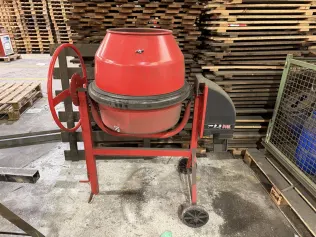
1. What Is Operating Equipment?
Operating equipment is all the equipment a plant needs around its production machines for lifting, internal transport, storage, compressed air supply and equipping workstations. Unlike machine tools, this equipment does not machine parts.
ReMach's operating equipment catalogue covers: workshop equipment, industrial cranes, forklifts and pallet trucks, compressors, storage technology, and hand and power tools.
2. Benefits of Investing in Used Operating Equipment
Overhead cranes, forklifts and compressors are major investments that do not produce parts themselves. Used equipment from industrial plants offers three advantages:
Lower investment: the purchase cost is lower than for new equipment with the same load capacity or output.
Immediate availability: no waiting for production, especially for overhead cranes, which are usually built to the dimensions of a specific hall.
Easy maintenance: equipment from industrial brands such as STAHL, ABUS and STILL is backed by service networks and spare parts across Europe.
3. Types of Used Operating Equipment at ReMach
ReMach's operating equipment catalogue is organised into the five main groups below.
Used Workshop Equipment
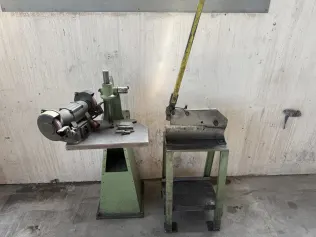
Workshop equipment furnishes the workstations in production and maintenance workshops.
1. Types Available at ReMach
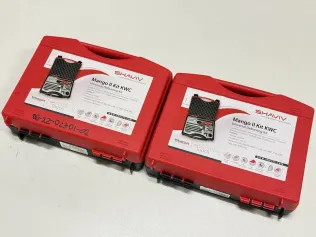
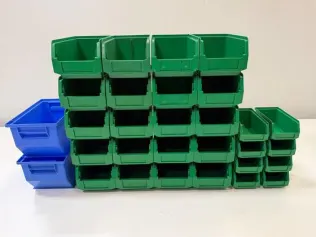
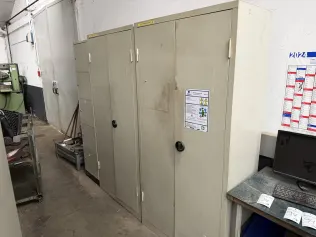
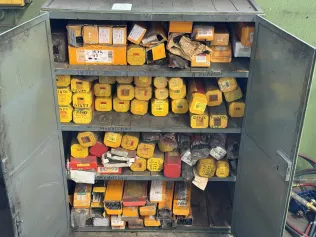
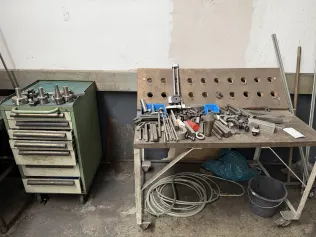
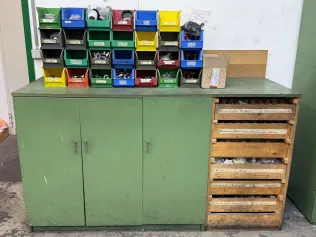
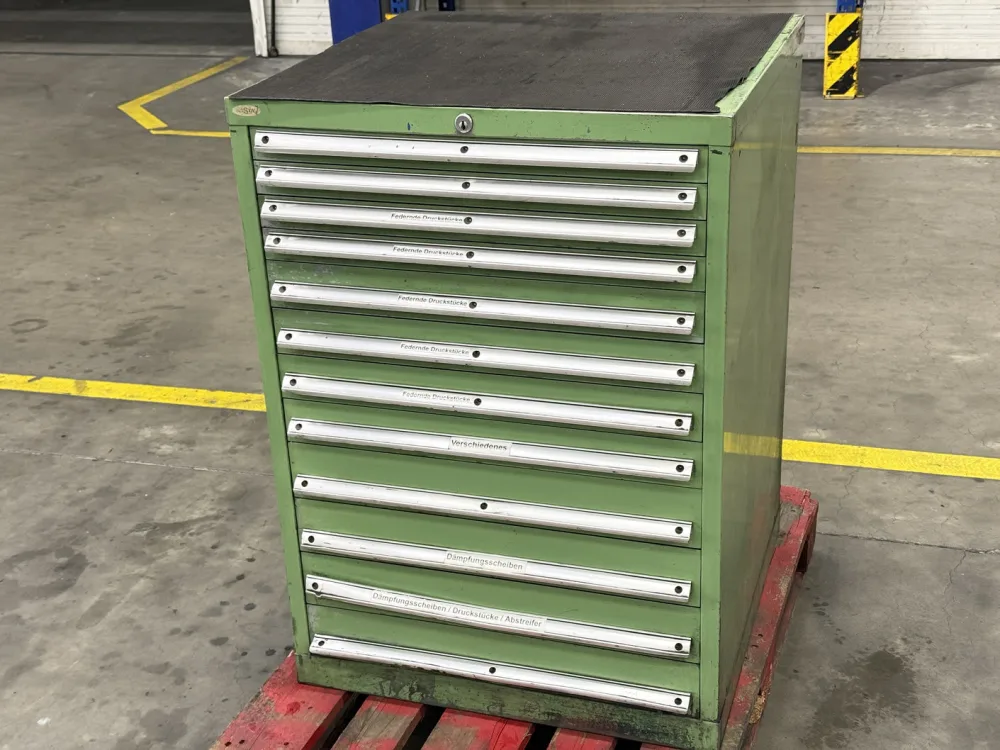
Workshop & Tool Cabinets: drawers run on rails and are divided into compartments for tools, cutting tools and small parts. Choose by number of drawers and load capacity per drawer.
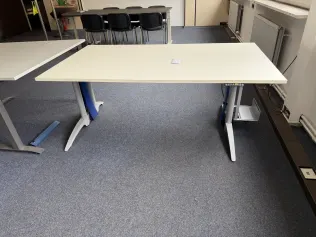
Workbenches: a thick, impact-resistant top fitted with a vice for manual machining, assembly and repair work. Choose by top size and load capacity.
Workshop Lifting Equipment: lifting accessories used with cranes or forklifts, such as load-lifting traverses.
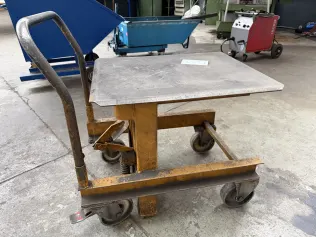
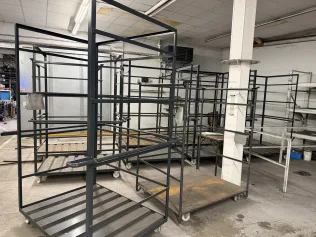
Workshop & Transport Trolleys: wheeled trolleys for moving tools and parts between workstations.
2. Notes for Buying Used Workshop Equipment
Pull out every drawer: the rails should run smoothly, the drawer should extend fully and lock again.
Check the cabinet body for dents or distortion, as a dented body causes drawers to jam.
For modular cabinet systems such as LISTA, ask for the drawer dimensions so existing dividers and trays can be reused.
For workbenches, check the flatness of the top and the stability of the legs before mounting a vice.
>>> Browse all Used Workshop Equipment available at ReMach.
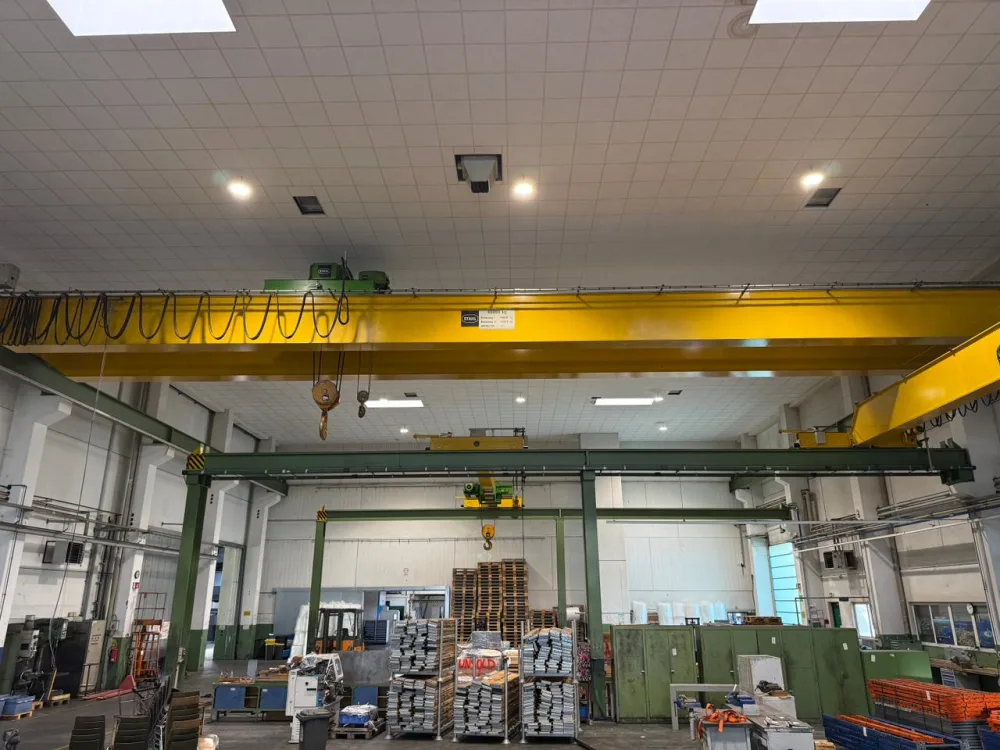
Used Industrial Cranes: Overhead and Jib Cranes
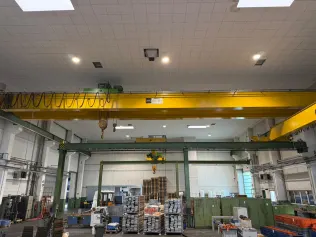
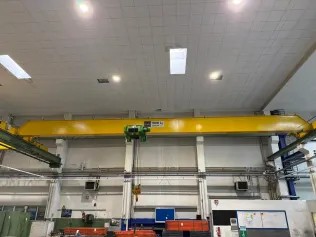
Industrial cranes lift and move heavy loads inside a production hall. The right crane type depends on the building structure and the area that needs to be served.
1. Types Available at ReMach
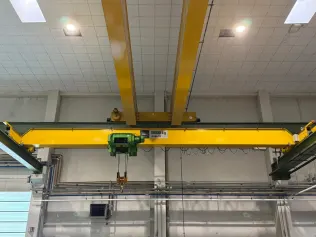
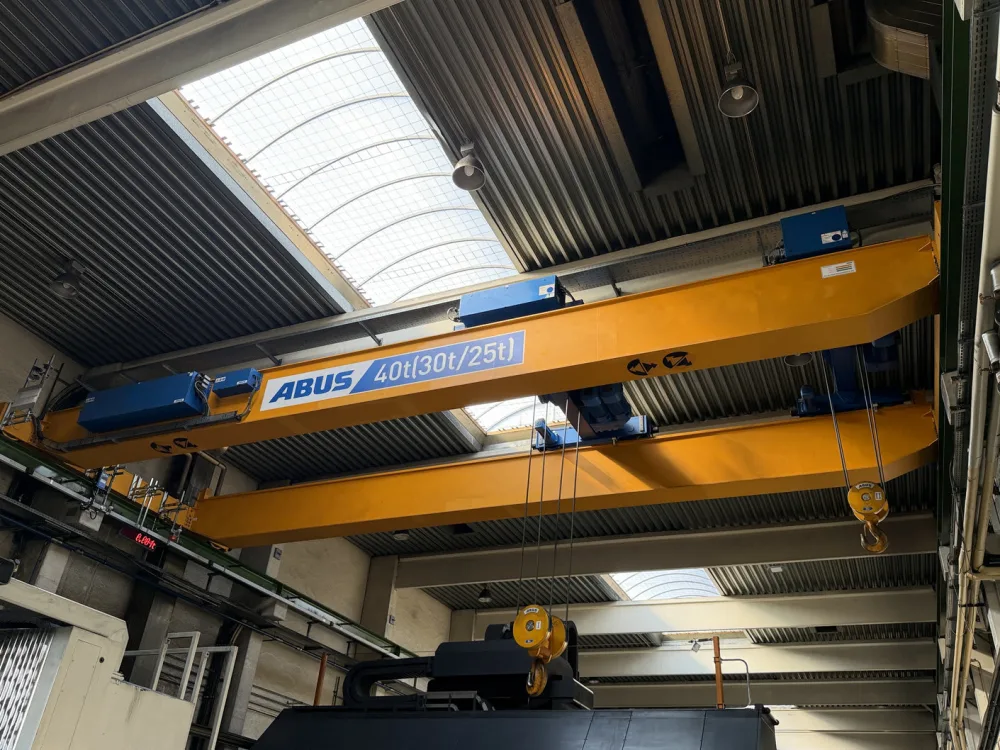
Overhead Cranes: the crane girder travels on two runway rails along the hall and covers the entire floor area. Single-girder cranes suit light to medium loads; double-girder cranes suit heavy loads and greater lifting heights.
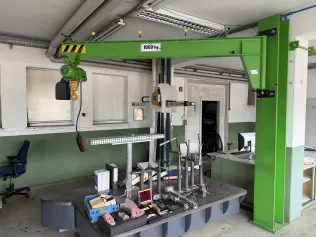
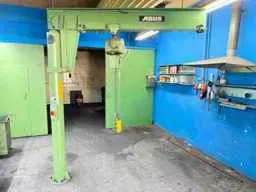
Jib Cranes: a jib slewing around a column or mounted on a wall, serving a single fixed workstation such as a machine or an assembly bench.
Suspension Cranes: the crane girder hangs from the roof structure and needs no columns or separate runway. Suitable for light loads and halls without an existing crane runway.
Crane Accessories: chain hoists and components for replacing or upgrading parts of an existing crane.
2. Notes for Buying a Used Industrial Crane
Compare the rated load, span and lifting height with your hall and crane runway. If the span does not match, the crane girder must be modified.
Check the mechanism group of the hoist (classification under FEM/ISO) to see which duty the crane was designed for.
Ask for the crane inspection logbook and the reports of periodic inspections.
In Germany, cranes must be inspected by a competent person at least once a year (DGUV Regulation 52, §26). Power-driven cranes must be inspected by an expert before commissioning (§25), so plan for this inspection when reinstalling a crane in a new hall.
>>> Browse all Used Industrial Cranes available at ReMach.
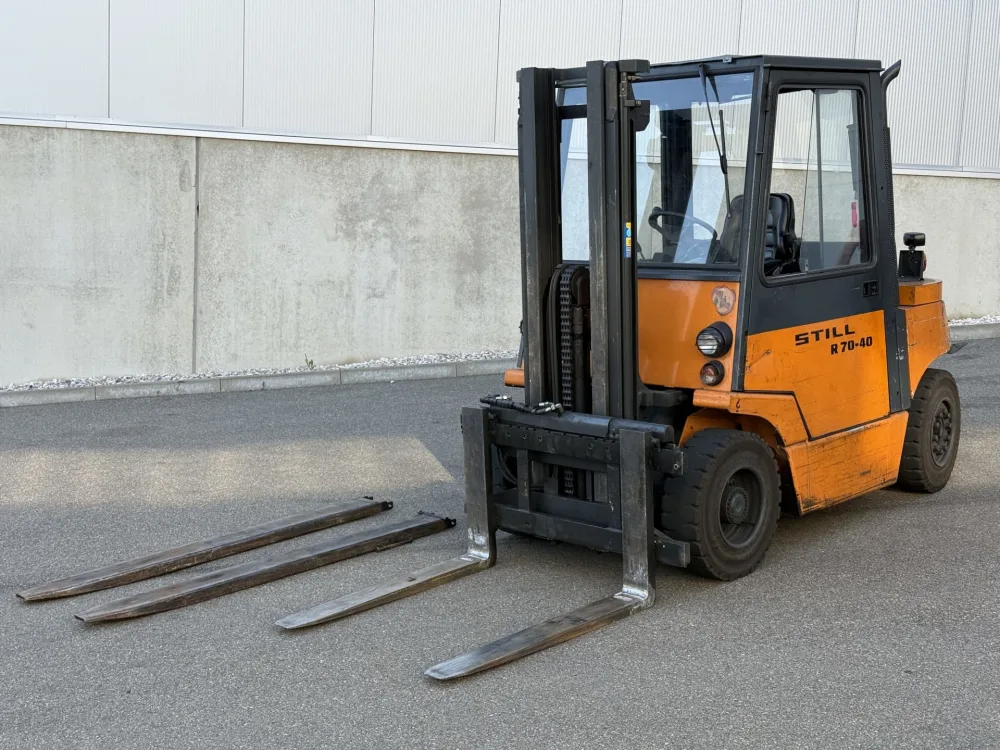
Used Forklifts and Pallet Trucks
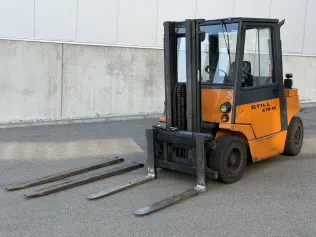
Forklifts and pallet trucks lift and move pallets in workshops and warehouses. The types differ in power source and lifting height.
1. Types Available at ReMach
Diesel Forklifts: high tractive power for heavy loads and outdoor work. Not suitable for enclosed spaces because of exhaust emissions.
Gas Forklifts (LPG/CNG): lower emissions than diesel forklifts; usable both outdoors and indoors (ventilation required).
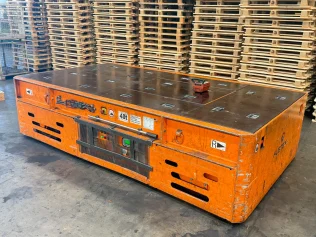
Electric Pallet Trucks: battery-powered, emission-free at the point of use and quiet. Suitable for indoor work and for lifting pallets onto racks.
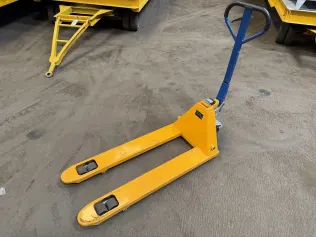
Hand Pallet Trucks: no power needed; lift pallets off the floor for short distances on level ground.
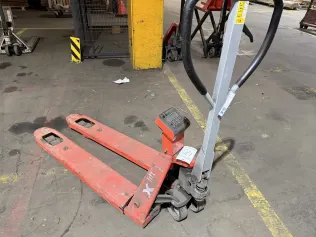
Special Pallet Trucks: hand pallet trucks with an added function, such as an integrated scale for weighing goods while moving them.
2. Notes for Buying a Used Forklift
Operating hours show wear more accurately than the year of manufacture.
Check the mast: chains, rollers and cylinders without oil leaks; carry out a test lift with load.
Check the forks for wear, cracks or bending, and check the condition of the tyres.
For electric trucks, ask about the condition and age of the battery and the charger.
In Germany, forklifts must be inspected by a competent person at least once a year (DGUV Regulation 68, §37). Ask for the most recent inspection report.
>>> Browse all Used Forklifts & Pallet Trucks available at ReMach.
Used Air Compressors
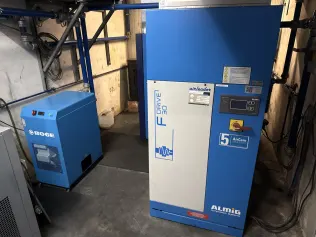
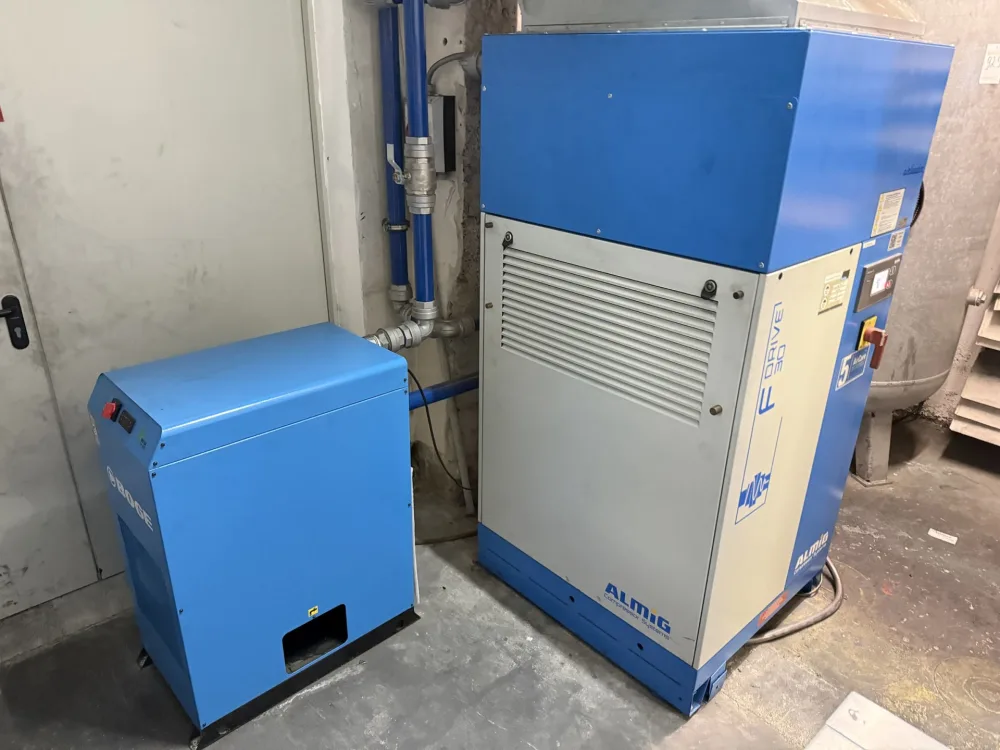
Compressed air is the energy source for many machines and tools in a workshop. An industrial compressed air system consists of a compressor, an air dryer, an air receiver and the piping.
1. Types Available at ReMach
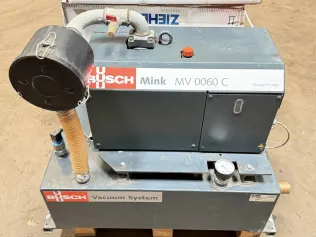
Screw Compressors: compress air with two meshing rotary screws and can run continuously. Suited to the steady compressed air demand of production workshops.
Air Dryers & Treatment Systems: cool the compressed air to remove moisture before it enters the piping, protecting pneumatic tools and machines from moisture and corrosion. Needed when the compressor has no dryer.
2. Notes for Buying a Used Compressor
Compare the free air delivery (m³/min) and pressure (bar) with the actual demand of your workshop.
Ask for the running hours and the maintenance history (oil, air filter and oil separator changes).
Air receivers are pressure equipment. In Germany, receivers subject to inspection have maximum intervals of 5 years for the internal inspection and 10 years for the strength test (BetrSichV, Annex 2, Section 4). Ask for the documents and inspection reports.
>>> Browse all Used Compressors available at ReMach.
Used Storage Technology and Pallet Racks
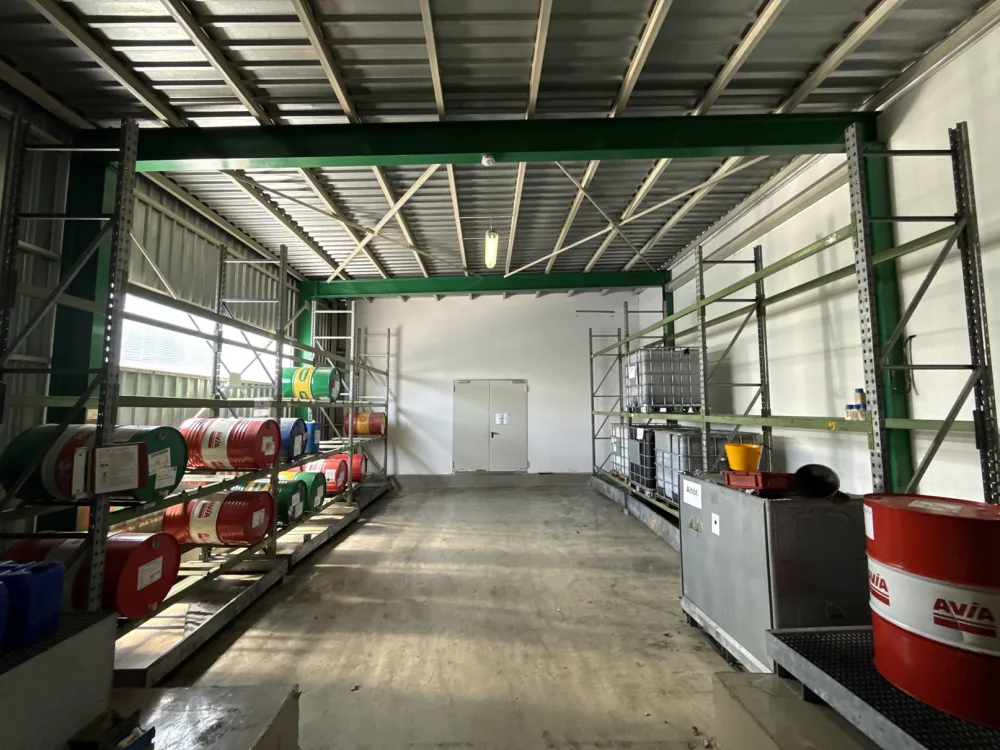
Storage racks are assembled from steel uprights and beams, so they can be dismantled, transported and reassembled in another building.
1. Types Available at ReMach
Pallet Racks: heavy-duty racks for palletised goods, loaded and unloaded by forklift.
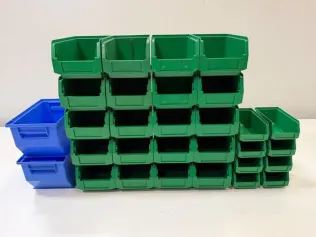
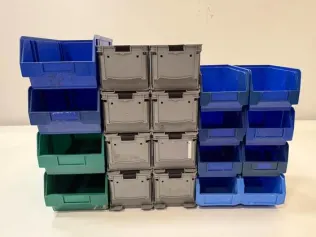
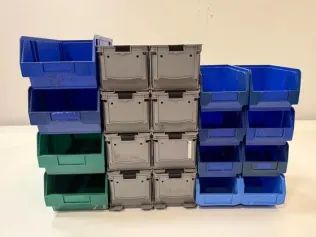
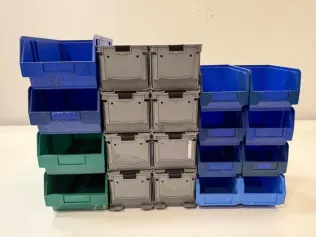
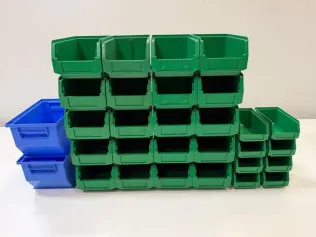
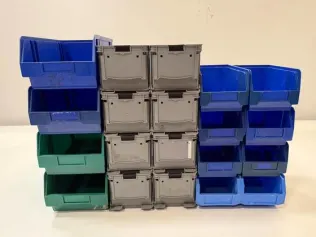
Shelving Systems: racks with a shelf on each level for boxes and small items, loaded by hand without a forklift.
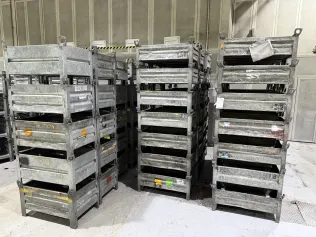
Other Storage Systems: supplementary solutions such as pallet collars for stacking loose goods on pallets.
2. Notes for Buying Used Racking
Check beam deflection and the load capacity per level (on the load sign or in the documentation).
Uprights with impact damage or bending must be replaced. Check that all beam locking pins are present and secure.
Check for rust and the condition of the galvanising or paint, especially on racks used in damp environments.
Under EN 15635, racks must be inspected by a competent person at least once a year; an inspection right after reassembly is recommended.
>>> Browse all Used Storage Technology available at ReMach.
4. Other Operating Equipment at ReMach
Besides the five main groups, ReMach offers further auxiliary equipment from plant closures:
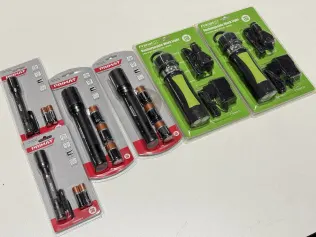
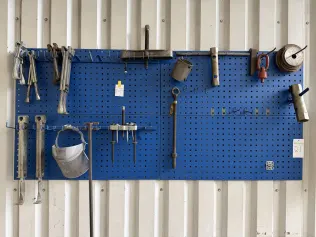
Hand & Power Tools: torque wrenches, hand tools and power tools for maintenance and assembly.
Power Generation: motors, drive systems and energy equipment for replacement in machines and plant electrical systems.
Vehicles: trailers, semi-trailers and vehicle accessories for transport outside the plant.
Laboratory Technology: measuring and testing equipment for laboratories and quality control.
Office Furniture: cabinets, shelving and office furniture from plant administration areas.
5. Trusted Operating Equipment Brands
With used equipment, the brand determines how easily spare parts and technical documentation can be obtained.
STAHL CraneSystems (Germany): founded in 1876 in Stuttgart, headquartered in Künzelsau since 1993. Specialises in wire rope hoists, chain hoists and crane components.
ABUS Kransysteme (Germany): a family-owned company active since 1965, headquartered in Gummersbach. Manufactures overhead cranes, jib cranes, lightweight gantry cranes, wire rope hoists and electric chain hoists.
GIS AG (Switzerland): founded in 1957 in Schötz. Has developed and manufactured electric chain hoists in Switzerland for more than 50 years, along with complete crane systems.
STILL (Germany): founded by Hans Still in 1920 in Hamburg. Manufactures forklifts and warehouse equipment.
ALMiG Kompressoren (Germany): headquartered in Köngen. Manufactures screw compressors, piston compressors, compressed air treatment and heat recovery systems.
LISTA (Switzerland): founded by Alfred Lienhard in 1945, headquartered in Erlen. Known for industrial drawer cabinets and workbenches.
>>> Browse all Used Workshop Equipment and Used Industrial Cranes available at ReMach.
6. How to Buy Operating Equipment from ReMach
Step 1 - Define the Required Specifications
Cranes: rated load, span and lifting height.
Forklifts: lifting capacity, lifting height and power source.
Compressors: free air delivery and pressure.
Step 2 - Check Condition and Documents
Review the photos and technical data in the listing.
Ask for operating hours, inspection logbooks and maintenance history.
Step 3 - Compare in the ReMach Catalogue and Send a Request
Many items in this category are sold through online auctions, so check the auction end time in the listing.
>>> Contact the ReMach team directly via Hotline +49 2196 7050573 for help choosing the right equipment, checking machine condition, and getting a quote as quickly as possible.
7. FAQs
Can a Used Overhead Crane Be Dismantled and Reinstalled in a New Hall?
Yes, if the span, lifting height and crane runway of the new hall match; otherwise the crane girder must be modified. In Germany, power-driven cranes must be inspected by an expert before commissioning (DGUV Regulation 52, §25). ReMach supports dismantling and international transport.
What Should I Check When Buying a Used Forklift?
Operating hours, the mast (chains, rollers, cylinders), forks and tyres; for electric trucks, also the battery and charger. In Germany, forklifts must be inspected at least once a year (DGUV Regulation 68, §37), so ask for the most recent inspection report.
Which Documents Should a Used Compressor Come With?
The maintenance history and running hours show the condition of the compressor. Air receivers are pressure equipment: in Germany, receivers subject to inspection need an internal inspection at least every 5 years and a strength test at least every 10 years (BetrSichV). Ask for the documents and inspection reports.
Is It Worth Buying Used Operating Equipment?
Yes, if you need equipment immediately, want to reduce your investment, and the equipment comes with clear inspection documents. When calculating costs, add dismantling, transport and re-inspection at the new site.
Where Can I Buy Used Operating Equipment?
ReMach supplies used operating equipment from factories in Germany and Europe, with technical inspection, dismantling support, international transport and installation advice.
Choose equipment according to your building, duty and budget. Contact ReMach via Hotline +49 2196 7050573 for advice.
8. Glossary
Term | English | Short Explanation |
Tragfähigkeit | Rated load | The maximum load the equipment is permitted to lift |
Spannweite | Span | The distance between the two runway rails of an overhead crane |
Hubhöhe | Lifting height | The maximum lifting height of a crane or forklift |
Triebwerksgruppe | Mechanism group (FEM/ISO) | Classification of a hoist by duty and load spectrum |
Betriebsstunden | Operating hours | The total number of hours the equipment has run |
Liefermenge | Free air delivery | The volume of air a compressor delivers, in m³/min |
Kältetrockner | Refrigerated dryer | A dryer that removes moisture from compressed air by cooling it |
Sachkundiger / Sachverständiger | Competent person / Expert | Person qualified for periodic inspections / expert for inspection before commissioning |