
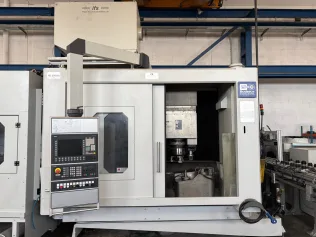
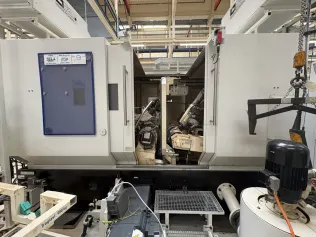
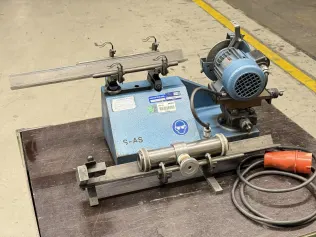
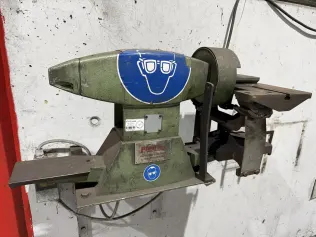
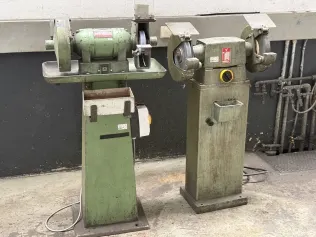
 This item is sold
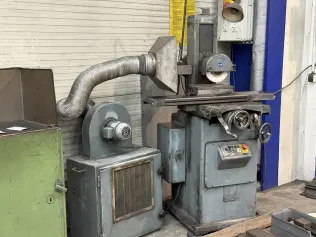 This item is sold
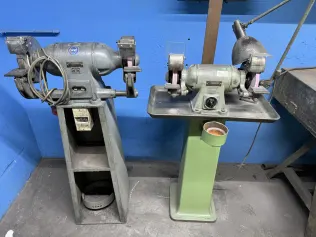 This item is sold
 This item is sold
1. What Is a Grinding Machine?
A grinding machine is a metalworking machine that uses an abrasive wheel to remove a small amount of material from a workpiece surface, achieving the required dimensional accuracy and surface roughness. Unlike cutting machines such as lathes or milling machines that use a cutting edge, a grinder works on the principle of abrasion - countless micro-abrasive grains scratch away the surface, gradually removing material until the target dimension is reached.
In precision engineering, parts often require tolerances within thousandths of a millimetre. Lathes and mills can hit the target dimension, but the final surface finish, especially on tight-tolerance surfaces such as piston ring grooves in an engine cylinder, can only be achieved with a grinding machine.
2. Benefits of Choosing Used Grinding Machines
As businesses look to control investment costs without compromising machining accuracy, Used Grinding Machines have become an effective solution for many companies. It's a practical choice for plants that need to expand production, upgrade equipment, or quickly add machining capacity.
Lower Initial Investment Cost: A used grinding machine typically costs only around 30-60% of a comparable new machine, helping businesses save budget and reduce capital burden.
Access to Reputable Brand Technology: With a more reasonable investment, businesses can still access high-quality grinders from well-known brands such as STUDER, BLOHM, and OKAMOTO, instead of spending heavily on a new machine.
Reduced Asset Depreciation Impact: A used machine has typically already passed through most of the steep depreciation curve in its lifecycle, helping businesses retain more equipment value and improve capital recovery when upgrading or reselling later.
3. Types of Grinding Machines
Depending on part geometry, accuracy requirements, and machining method, industrial grinding machines fall into several distinct types. Each type has its own construction, working principle, and application range suited to specific production needs. Below are the most common Used Grinding Machines types chosen by businesses today.
Criteria | Surface Grinding | Cylindrical Grinding | Centerless Grinding | Profile Grinding | Tool & Cutter Grinder |
Part Type | Flat surfaces | Shafts, tubes, tapers | Continuous shafts/tubes, unclamped | Complex profiles | End mills, drills, turning tools |
Workholding | Magnetic chuck or mechanical clamp | Two centers or chuck | Between grinding wheel + regulating wheel (unclamped) | Magnetic chuck or dedicated fixture | Dedicated fixture by tool type |
Accuracy | ±0.001-0.005 mm | ±0.001-0.003 mm | ±0.002-0.005 mm | ±0.001-0.002 mm | ±0.005 mm (depending on tool type) |
Surface Roughness Ra | 0.2-0.8 µm | 0.1-0.4 µm | 0.2-0.8 µm | 0.05-0.4 µm | Depends on tool material |
Productivity | Medium | Medium | Highest - continuous machining | Low - complex setup | Low - single-part machining |
Main Applications | Moulds, mating surfaces, fixtures | Crankshafts, camshafts, machine shafts | Steel balls, small shafts, mass-produced parts | Precision moulds, gears, carbide inserts | Restoring and reshaping cutting tools |
Popular Brands | BLOHM, JUNG, OKAMOTO, ABA | STUDER, KELLENBERGER | TSCHUDIN | BLOHM PROFIMAT, JUNG CNC | EWAG, WALTER |
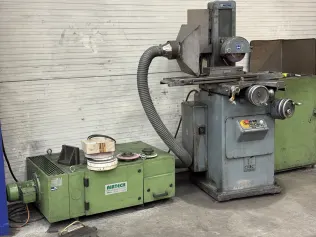
Used Surface Grinding Machines
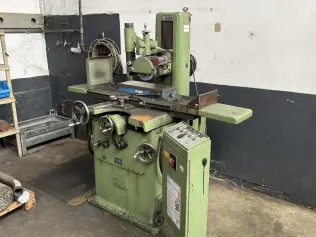
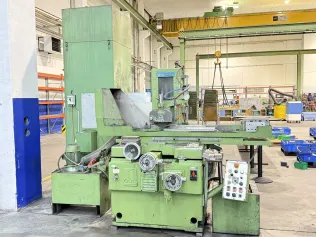
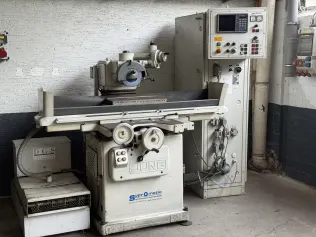
A surface grinding machine is a dedicated tool for finishing the flat surfaces of metal parts. During operation, the workpiece is held on a magnetic chuck or clamping table, then moves back and forth or rotates beneath a high-speed grinding wheel that removes the excess material. The machine may use a horizontal-spindle or vertical-spindle configuration, producing a surface with high flatness, accuracy, and finish quality.
1. Advantages and Limitations of Used Surface Grinding Machines
Advantages | Limitations |
|
|
2. Practical Applications of Used Surface Grinding Machines
Used in manufacturing injection moulds, stamping dies, and other high-precision tooling components.
Well suited to finish-grinding machine parts in the automotive, aerospace, and precision engineering industries.
Applied to machining parts that require flatness, a fine finish, and low dimensional deviation.
Used to produce cutting tools, fixtures, locating components, and other production support equipment.
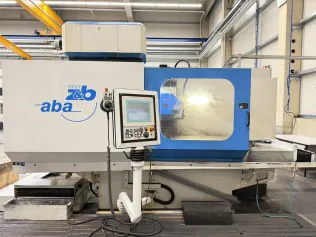
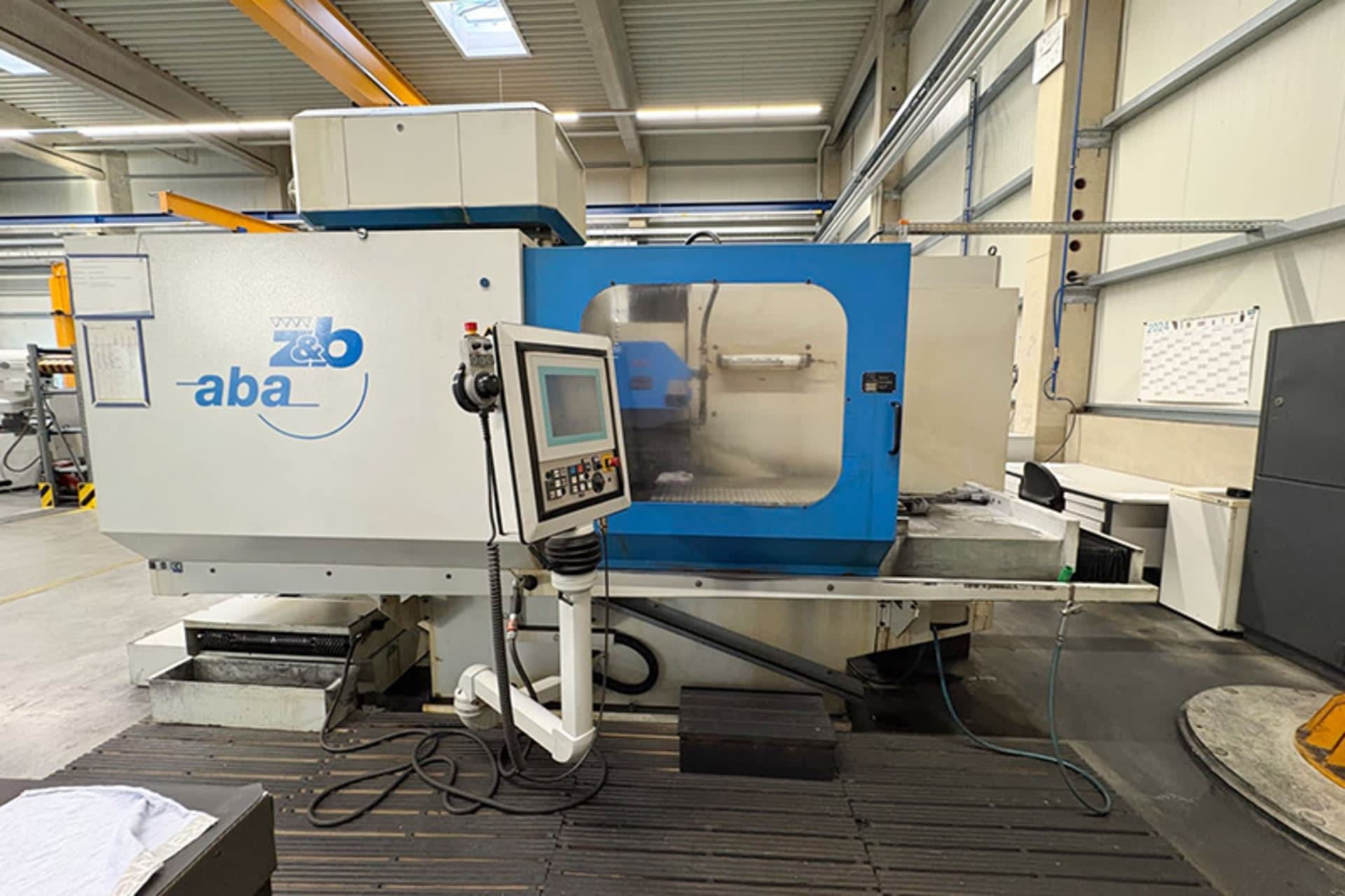
One example from ReMach's catalogue is the ABA EcoLine 1006A surface grinding machine, built in 2008. It is equipped with an LC Control touch-panel control, travels of 1,000 x 600 x 700 mm (X/Y/Z), a 1,000 x 500 mm electro-permanent magnetic chuck with a table load capacity of approx. 1,000 kg, and a 7.5 kW spindle (18 kW optional), plus a coolant and belt filter system.
>>> For the latest list of used surface grinding machines, please contact ReMach or browse the Used Surface Grinding Machines category directly.
Used Cylindrical Grinding Machines
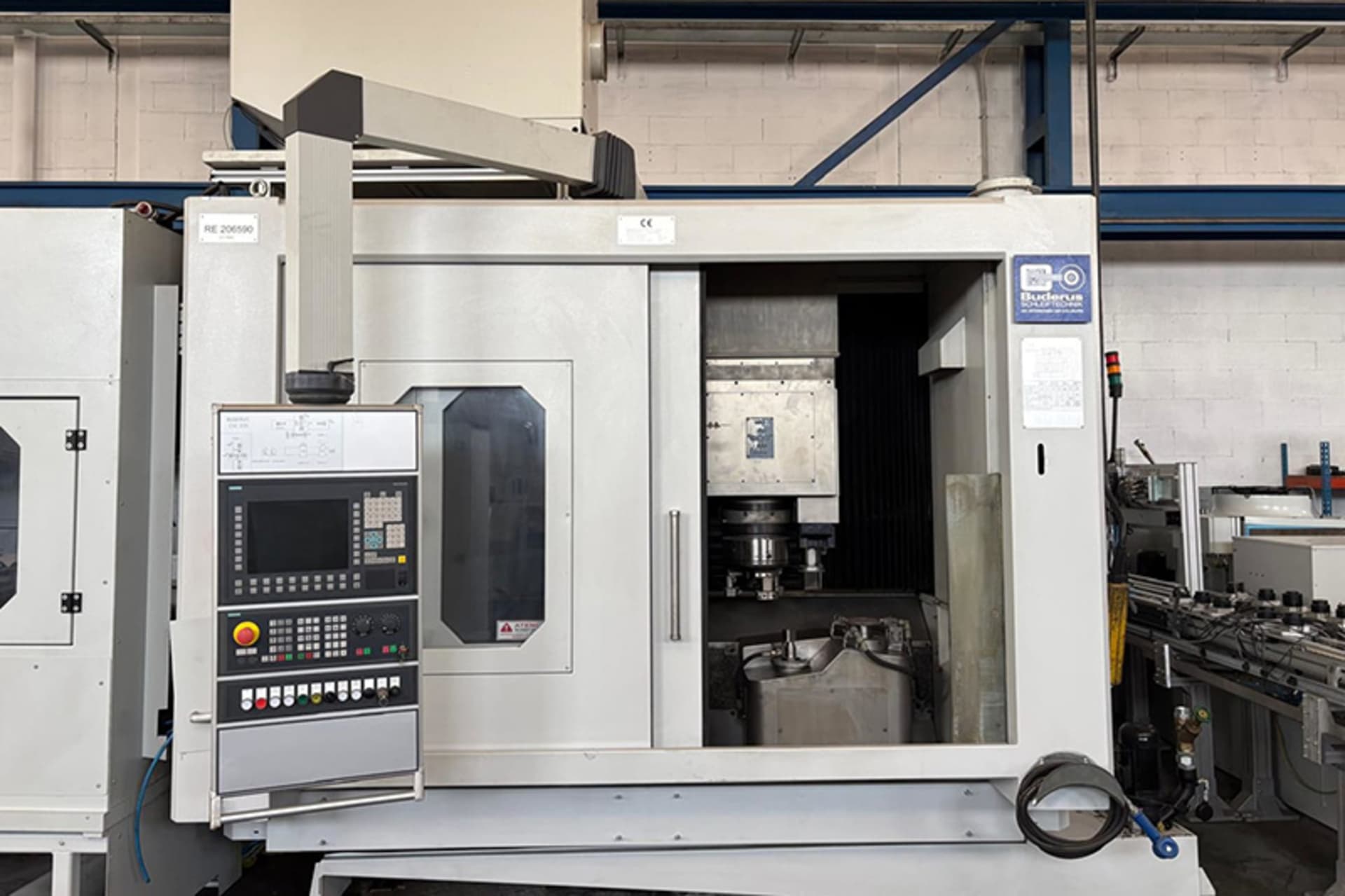
A cylindrical grinder machines external round surfaces, tapers, and profiles on shaft-type parts. The workpiece is clamped between two centers (as on a lathe) or held in a chuck, then rotated while the grinding wheel contacts and removes material. Center-type clamping mirrors a lathe setup, whereas a centerless grinder can machine a continuous profile without clamping the part at all. This is a centered (located) grinding method, entirely different from centerless grinding, which is covered separately below.
1. Advantages and Limitations of Used Cylindrical Grinding Machines
Advantages | Limitations |
|
|
2. Practical Applications of Used Cylindrical Grinding Machines
Used to machine engine components such as crankshafts and camshafts in the automotive industry.
Applied to finish-grinding machine shafts, drive shafts, and components in mechanical systems.
Suited to machining high-precision shaft-type parts for the aerospace industry.
Used in manufacturing components for hydraulic and pneumatic systems, along with precision mechanical parts.
Used Centerless Grinding Machines
A centerless grinder is a special type of cylindrical grinder that uses no centers or chuck to hold the workpiece. Instead, the part is held between two wheels, the grinding wheel and the regulating wheel, resting on a support blade. This method allows continuous machining of tubes or long shafts without clamping, significantly boosting throughput.
1. Advantages and Limitations of Used Centerless Grinding Machines
Advantages | Limitations |
|
|
2. Practical Applications of Used Centerless Grinding Machines
Used to machine high-precision steel tubing for the oil & gas and heavy industry sectors.
Applied to manufacturing steel balls, rollers, and other bearing industry components.
Suited to machining small shaft-type parts and precision components for the electronics industry.
Used to produce small mechanical components requiring high consistency for the medical, food, and specialty engineering sectors.
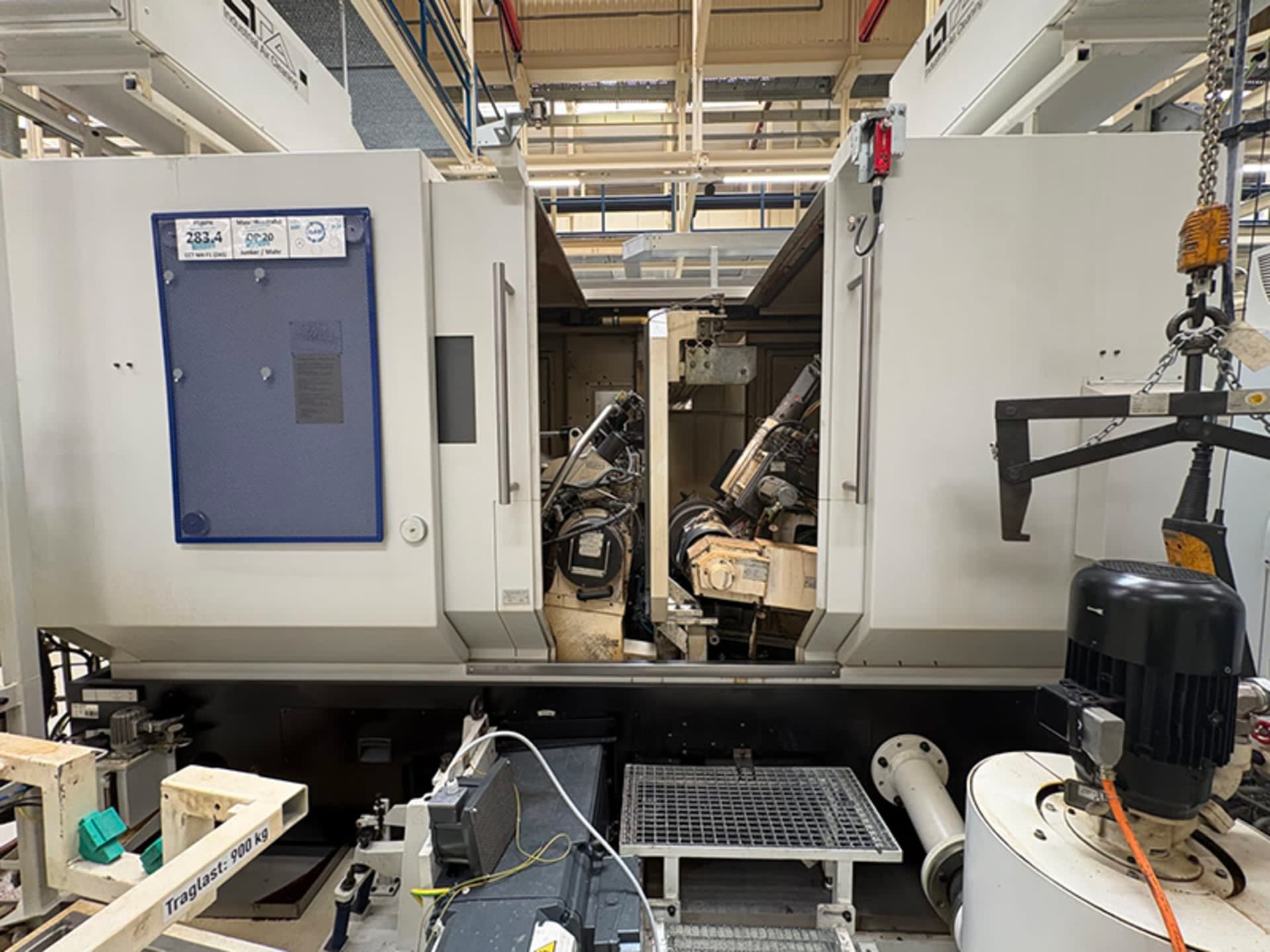
One example from ReMach's catalogue is the JUNKER JUPITER 500 Centreless Grinding Machine, built in 2016 and located in Berlin, Germany. It grinds workpieces from 2 to 220 mm in diameter and up to 500 mm long using the plunge-cut method, with a 37 kW grinding spindle drive.
>>> Browse all Used Centreless Grinding Machines available at ReMach.
Used Tool & Cutter Grinders
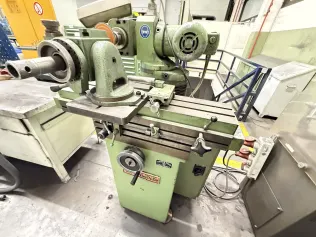
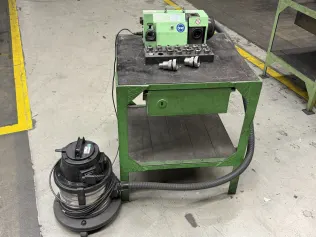
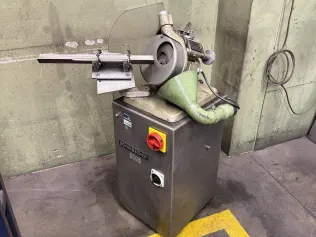
A tool & cutter grinder is a dedicated machine for sharpening, repairing, and reshaping cutting tools such as end mills, drills, taps, turning tools, and other cutters. It's an essential piece of equipment in mould shops and precision machine shops, extending cutting tool life and maintaining machining quality.
1. Advantages and Limitations of Used Tool & Cutter Grinders
Advantages | Limitations |
|
|
2. Practical Applications of Used Tool & Cutter Grinders
Used to re-sharpen end mills, face mills, and other cutting tools used in CNC machining.
Applied to restoring the sharpness of drills, taps, and thread-forming tools.
Suited to reworking turning tools, planer blades, and other cutters used on machine tools.
Used to manufacture and repair specialty cutting tools for the aerospace, medical, and precision engineering sectors.
>>> Browse all Used Tool Grinding Machines available at ReMach.
Used Profile Grinding Machines
Profile grinding is a machining method in which the grinding wheel is pre-shaped to match the required profile, then applied to the workpiece to reproduce that exact shape. Unlike surface grinding, which handles only flat surfaces, or cylindrical grinding, which handles only shaft-type parts, a profile grinder can produce complex geometries such as cam grooves, guide slots, and mould cavities to tolerances as tight as ±1-2 µm.
Working principle: the grinding wheel is dressed into the negative shape of the required profile using a CNC dresser, then fed into the workpiece to remove material along that exact profile. These machines typically combine a horizontal spindle with multi-axis CNC control and an automatic wheel-dressing system.
1. Advantages and Limitations of Used Profile Grinding Machines
Advantages | Limitations |
|
|
2. Practical Applications of Used Profile Grinding Machines
Machining injection mould and stamping die profiles with complex curved geometries and tight tolerances.
Precision grinding of cam grooves and guide slots in automotive drivetrains and machine tools.
Producing carbide inserts and special-profile cutting tools for precision engineering.
Machining aerospace parts with aerofoil profiles that demand high geometric accuracy.
Gear profile grinding for precision gearbox production.
Notable brands in this segment include BLOHM (Germany) with its PROFIMAT line, JUNG (Germany) with its CNC profile grinding models, and HAUSER (Switzerland), a specialist in jig grinding and high-precision profile work.
>>> Looking for a used profile grinding machine? Call our Hotline +49 2196 7050573 to ask about machines not yet listed.
|
4. Trusted Grinding Machine Brands
Today's high-quality Grinding Machines mostly come from brands with a long history in the machine tool industry. These manufacturers stand out for accuracy, durability, and advanced machining technology, meeting demanding requirements across many production sectors. Below are some of the trusted grinding machine brands chosen by businesses worldwide.
STUDER: Founded in 1912 in Switzerland, STUDER is a leading brand in universal cylindrical, external, internal, and non-round grinding. Notable for pioneering the first hydraulic cylindrical grinder (1936), the first CNC grinding machine (1977), and its proprietary Granitan® S103 machine bed.
BLOHM: A German brand founded in 1924, specializing in high-precision surface and profile grinding machines. BLOHM stands out for accuracy, superior productivity, and advanced grinding technologies such as roller-guided surface grinders.
JUNG: Founded in 1919 in Germany, JUNG has over 100 years of experience in surface and profile grinding. The brand is known for its proprietary spindle technology, hydraulic grinding machines, and CNC wheel-dressing systems.
EWAG: Founded in Switzerland in 1946, EWAG specializes in high-precision tool grinding machines. Its strength lies in integrating grinding, EDM, laser, measurement, and software technologies for the automotive, aerospace, and precision engineering industries.
KELLENBERGER: Founded in 1917 in Switzerland, KELLENBERGER specializes in high-precision cylindrical grinding. The brand is known for its universal cylindrical grinders, multi-axis technology, and modern measurement systems.
TSCHUDIN: Founded in 1947 in Grenchen, Switzerland, TSCHUDIN specializes in centerless grinding for mass production, integrating automation and in-line inspection systems.
JONES & SHIPMAN: Founded in 1898 in Leicester, England, Jones & Shipman is a long-established and respected grinding machine brand, well known for its high-precision surface and cylindrical grinders. Its machines are rated highly for durability, stability, and suitability for mould-making as well as precision engineering applications.
OKAMOTO: Founded in 1926 by Kakusaburo Okamoto, OKAMOTO is Asia's leading grinding machine manufacturer. It developed Japan's first surface grinder (model PSG-6) and the world's first CNC surface grinder. Its strengths are high-precision surface grinders and semiconductor manufacturing equipment.
OKUMA: Founded in 1898 in Japan, OKUMA is one of the world's oldest machine tool manufacturers. The brand stands out for its proprietary CNC control system, high accuracy, and consistent performance.
ABA: Founded in 1898 in Aschaffenburg, Germany, ABA began producing surface and precision profile grinding machines in 1933. Its machines are known for high accuracy, strong durability, and stable operation, well suited to precision engineering and mould-making applications.
5. Why Buy Used Grinding Machines at ReMach
ReMach buys and distributes used machine tools directly from factories across Europe (mainly Germany and Switzerland). We own our own warehouse in Germany and fully control the inspection, shipping, and technical warranty process, ensuring clear rights and responsibilities for our customers.
In-Stock Inventory for Fast Investment Turnaround: ReMach keeps a steady stock of industrial grinding machines in our German warehouse, making it easy for customers to select the right equipment and cutting wait times compared with ordering a new machine.
Technical Inspection Before Handover: Every machine undergoes a comprehensive check of mechanical condition, machining accuracy, CNC system, moving parts, and cooling and lubrication systems to ensure stable operation.
Optimized Investment Cost, Better Capital Efficiency: Used grinding machines at ReMach give businesses access to premium equipment at a more reasonable cost than new machines, while improving overall investment efficiency in production.
Trusted Brand Machines with European Quality: ReMach supplies machines from well-known brands such as STUDER, KELLENBERGER, BLOHM, JUNG, and OKAMOTO, meeting demanding requirements for accuracy, durability, and machining capability.
A Wide Range for Many Machining Applications: From surface grinders, cylindrical grinders, and centerless grinders to tool grinders, ReMach offers solutions suited to machine shops, manufacturing plants, and precision industries.
6. How to Buy Used Grinding Machines at ReMach
Choosing the right used grinding machine should be based on actual machining requirements, equipment condition, and production needs. ReMach supports customers at every step, from inspection through shipping and handover, making the investment process fast and efficient.
Step 1 - Define Your Production Needs
Before selecting a machine, a business should clearly define its machining requirements: part type, material, size, accuracy, production volume, and the right grinding method (cylindrical, surface, centerless, tool grinding, etc.). This is the basis for choosing the correct machine model.
Step 2 - Review Technical Specifications in the Machine Listing
Customers can browse the Used Grinding Machines listing at ReMach to compare key details such as brand, year of manufacture, machining travel, power, control system, machine condition, and included accessories.
Step 3 - Request an Operating Video or an On-Site Inspection
Before deciding to buy, customers can request a test-run video to assess the machine's actual operating condition. For a more thorough evaluation, ReMach helps customers visit our warehouse in person to inspect the machine and assess its fit for their production needs.
When Inspecting a Used Grinding Machine, Pay Close Attention To:
Spindle Bearings: This is the most failure-prone part. Run the machine through its speed range and listen for abnormal noise. Even slight vibration should be considered a reason for replacement.
Machine Cleanliness: A dirty machine is a sign of poor maintenance and warrants closer inspection.
Maintenance History and Spare Parts: Ask directly about repair history, spare parts availability, and technical support from the manufacturer.
Step 4 - Request a Quote, Shipping, and Installation
Once the right machine is selected, ReMach will advise on cost, shipping method, packaging, related procedures, and an installation plan to ensure the machine is put into operation smoothly.
Step 5 - Sign the Contract and Receive the Machine
Once both parties agree on terms, the contract is signed. The machine is then prepared, shipped to the customer's site, and handed over according to the agreed schedule.
7. FAQs
Can an Older CNC Grinding Machine Be Integrated into a Smart Factory System?
Yes. Used CNC grinding machines can be connected to smart factory systems via Ethernet, CANbus, OPC UA, MTConnect, or MES/ERP platforms. Many machines from brands such as STUDER, OKUMA, and OKAMOTO still meet today's industrial connectivity standards well.
Is It Worth Buying a Used Grinding Machine?
Yes, provided you choose the right supplier and the machine has been fully technically inspected. A used grinder helps businesses save on cost, access premium brands, and quickly add production capacity without waiting for a new machine to be built.
Where Can I Buy a Reliable Used Industrial Grinding Machine?
ReMach supplies Used Grinding Machines from our German warehouse across a wide range of trusted brands, backed by a clear inspection process. Customers get support for viewing machines, test runs, technical advice, and shipping and installation throughout the buying process.
How Are Heavy Grinding Machines (10-20 Tonnes) Shipped and Installed?
ReMach manages the entire shipping and installation process using specialized equipment to ensure safety during transport. The machine is secured to international shipping standards, then checked for balance, accuracy, and operating condition after installation.
How Can I Check the Accuracy of a Used Grinding Machine?
Every machine at ReMach is assessed before handover through mechanical inspection, accuracy measurement, and an actual test run. Customers can review the inspection report, an operating video, or request an on-site check at our warehouse before purchase.
How Much Do Used Grinding Machines Cost?
Used grinding machine prices range from around 5,000 to 120,000+ EUR depending on machine type, brand, and condition. Standard surface grinders typically run 5,000-25,000 EUR; premium CNC cylindrical grinders from STUDER or KELLENBERGER can reach 40,000-100,000 EUR. Budget an additional 15-25% for shipping and installation on top of the machine price.
How Long Does Delivery of a Used Grinder from the EU Take?
Typically 30-60 days after signing the contract. Smaller machines (under 5 tonnes) can go by road or air freight, cutting this to 2-3 weeks. Larger machines (10-20 tonnes) require sea freight of 25-45 days plus 5-10 days for customs clearance.
Used Grinding Machines are an effective solution for businesses that want precise, durable grinding equipment at an optimized investment cost. By choosing the right machine from a trusted supplier, a business can access leading brands, shorten production ramp-up time, and improve operating efficiency.
With extensive experience in used machine tools across Europe, ReMach offers a wide range of grinding machines from trusted brands. Every machine is technically inspected before handover, backed by shipping, installation support, and expert advice on choosing the right machine. Contact ReMach today via Hotline +49 2196 7050573 to find the Used Grinding Machines that fit your production needs.
8. Glossary
Term | Explanation |
Surface Grinding Machine | Surface grinding machine, used to finish flat surfaces with high accuracy and a fine surface finish. |
Cylindrical Grinding Machine | Cylindrical grinding machine, used to machine external, internal, or tapered surfaces of shaft-type parts. |
Centerless Grinding Machine | Centerless grinding machine, machines shaft-type parts without clamping via centers or a chuck. |
Tool & Cutter Grinder | Tool & cutter grinder, used to sharpen, restore, and reshape cutting tools such as end mills, drills, turning tools, and taps. |
CNC (Computer Numerical Control) | Computer-based numerical control system, enabling the grinding machine to operate automatically with high accuracy and repeatability. |
Spindle | The grinding machine's spindle, the component that rotates the grinding wheel at high speed to perform machining. |
Grinding Wheel | An abrasive cutting tool made of bonded abrasive grains, used to remove material from a workpiece surface. |
Magnetic Chuck | A worktable that uses magnetic force to hold metal parts securely during surface grinding. |
Profile Grinding | Profile grinding, a machining method that produces complex profiles or geometries according to a drawing. |
Center Distance | The distance between the two centers on a cylindrical grinder, which determines the maximum length of part that can be machined. |
Tolerance | Machining tolerance, the permissible dimensional deviation of a part after machining. |
Surface Roughness (Ra) | Surface roughness, a measure of surface smoothness after grinding; the lower the Ra value, the smoother the surface. |
Spark-out | The final fine-grinding stage, where the wheel continues to rotate but removes almost no more material, improving accuracy and surface finish. |
Hydraulic Grinding Machine | A grinding machine that uses a hydraulic system to control the movement of the table or axes. |
Granitan® Machine Bed | A machine bed built from mineral composite material (Granitan®), which reduces vibration and improves thermal stability during machining. |
Retrofitting | Upgrading an older machine by replacing the control system, sensors, or components to improve performance and extend service life. |
Preventive Maintenance | Scheduled inspection and servicing performed regularly to reduce the risk of failure and maintain machine accuracy. |