
1. Forging Machines: How They Work and What They Do
A forging machine shapes metal by applying compressive forces, typically through a hammer or die. These machines operate using one of three methods: cold forging, warm forging, or hot forging. Heat-assisted methods involve pre-heating the metal workpiece before pressure is applied, while cold forging requires greater force and is not suitable for all metal types.
During the forging process, the workpiece is placed between two moulds and pressure is applied to alter its shape. A wide variety of forms can be produced relatively quickly, and because the process is highly demanding on the material, the finished workpiece is often significantly stronger than before it was forged.
Key characteristics of forging machines include efficient use of raw material, a strength-enhancing effect on the workpiece, and suitability for shaping intermediate or unfinished products where surface irregularities need to be addressed.
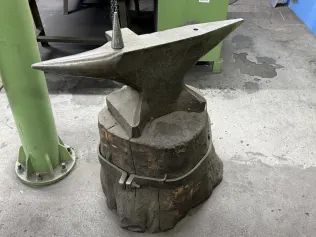
In most production environments, forging machinery handles just one stage of the manufacturing process, with workpieces moving along the line to subsequent equipment once forging is complete. An exception is ornamental blacksmithing, where forging machines are often the primary tool used to craft decorative metalwork from steel tubes and rods.
2. Industries & Applications That Rely on Forged Products
A wide range of manufacturing processes depend on forged components for critical part production. Common examples include connecting rods, shafts, camshafts, and tooling – all widely used across the aeronautical, automotive, and marine engineering industries. In recent years, advances in machine forging precision have enabled the production of increasingly intricate components, such as gear teeth. Depending on specific production requirements, some manufacturers opt for presses rather than forging machines, as both operate on closely related mechanical principles.
3. Forging Machines: Hydraulic & Mechanical Types Explained
Forging machines fall into two main categories: hydraulic and mechanical. Within these categories you'll find upset forging machines, precision forging machines and drop forging machines, each suited to different applications. Drop forging machines are typically used to produce irregularly shaped components such as crankshafts and connecting rods, while the upset forging method – which employs four separate tools for greater dimensional accuracy – is well suited to producing metal bars and tubes.
Smaller and medium-sized operations often rely on manual feeding and loading, while larger production environments tend to use automated systems to maintain throughput. Modern machines can be equipped with a range of supplementary tools, including pneumatically operated hammers, eccentric presses and toggles. For businesses looking to manage capital expenditure, used forging machinery with a demonstrated track record of reliability and efficiency offers a cost-effective alternative to new equipment.
4. Forging Types and Processes Explained
Forging machinery is built for heavy-duty performance, designed to handle substantial loads with speed and precision. These powerful machines operate on principles similar to presses: a metal workpiece is positioned between two dies – heated to extreme temperatures in hot forging applications – while a hammer or die applies intense pressure through a series of controlled impacts. The process is both loud and inherently hazardous. Depending on the method used, equipment may involve high-temperature dies and workpieces, numerous moving components, and significant mechanical force. For these reasons, forging machinery must only be operated by trained specialists holding the appropriate certification.
5. Forging Machine Manufacturers: FRECH, BÜHLER & More
The forging machinery market is served by several highly respected manufacturers, including FRECH, BÜHLER, KOMATSU, and HASENCLEVER. Each brings decades of engineering expertise to the production of robust, high-performance forging equipment. Whether you are looking for hot or cold forging machines, die forging presses, or specialist metalforming equipment, understanding the key manufacturers can help you make a more informed purchasing decision.