

1. What Is Woodworking Machinery?
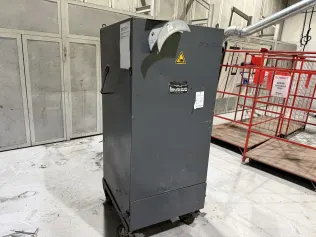
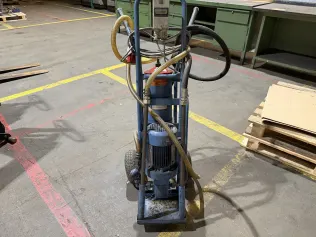
Woodworking Machinery is a group of machine tools specifically designed to cut, mill, drill, carve, polish, and shape products from solid wood and engineered panels (MDF, HDF, plywood). These machines are typically driven by electric motors and form the backbone of furniture, interior fit-out, and construction wood manufacturing plants.
According to VDMA (the German Mechanical Engineering Industry Association), Germany's woodworking machinery exports reached EUR 2.7 billion in 2023, up 10% year-on-year, leading the world with a 57.4% share of global woodworking machinery exports. This is why brands such as HOMAG, BIESSE, and SCM remain the quality benchmark that wood manufacturing plants prioritize investing in.
2. Benefits of Investing in Used Woodworking Machinery
Thanks to the growth of the used machine tool market and increasingly professional inspection processes, used Woodworking Machinery not only meets production requirements but also helps businesses access European production technology at a reasonable cost with a long equipment lifespan.
Lower initial investment: Used machines typically cost only 30-50% of a comparable new model, giving businesses easier access to premium German, Italian, and Austrian brands that carry a high price tag when bought new.
Value retention: Industrial woodworking machines from reputable European brands such as HOMAG, BIESSE, SCM, and WEINIG typically have very high service life and durability, retaining good value on the used market as a liquid asset.
Convenient maintenance and repair at reasonable cost: Used machines from popular brands typically have readily available spare parts and are familiar to many technicians. This shortens maintenance time, reduces repair costs, and lets businesses handle basic faults themselves.
Stronger competitive edge: Owning high-tech European machinery at a reasonable cost helps businesses optimize production, improve product quality, and build a competitive advantage in the market.

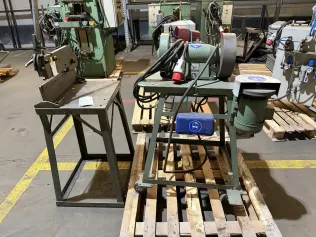
Woodworking machinery supports the processing of solid wood and wood-based materials for furniture and interior fit-outs
3. Types of Woodworking Machinery
Below are the common groups of woodworking machines and the main function of each type in the production process.
Used Woodworking CNC Machining / CNC Milling Machines
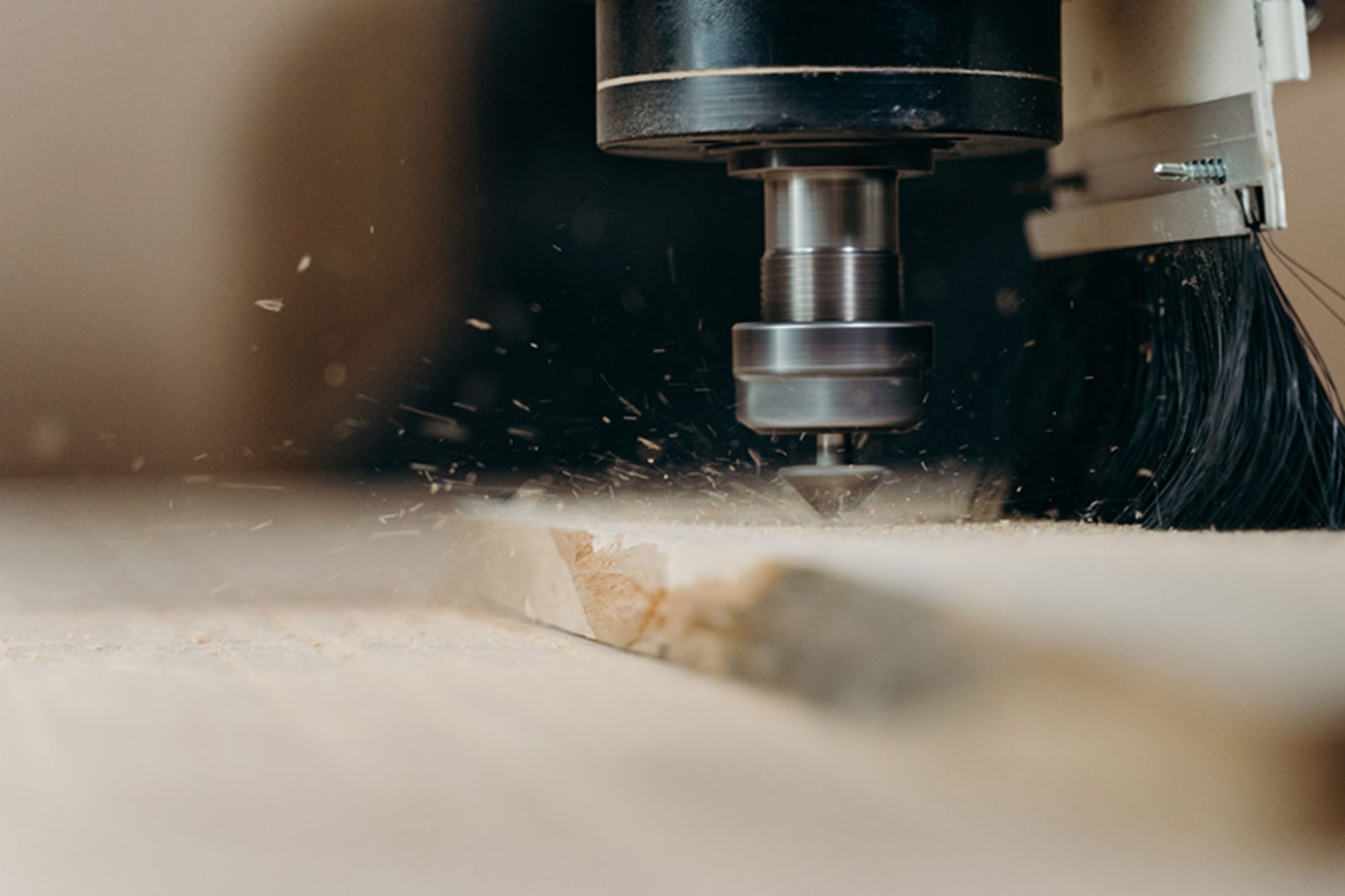
A CNC wood milling machine / machining center is automated equipment that uses a high-speed rotating cutter to cut, drill, and carve wood according to a digitized program. The spindle of an industrial CNC wood milling machine typically operates in the 18,000-24,000 RPM range (depending on model and brand). Some high-speed carving routers can reach 30,000-36,000 RPM, but the most common range in furniture production remains 18,000-24,000 RPM.
CNC equipment in the wood industry is typically classified and evaluated according to international technical standards, in which the European Committee for Standardization (CEN) plays a key role in establishing safety standards for woodworking machinery.
1. Advantages and Limitations of Used Woodworking CNC Machining / CNC Milling Machines
Advantages | Limitations |
|
|
2. Typical Practical Applications of Used Woodworking CNC Machining / CNC Milling Machines
Machining complex furniture components: computer desktops, ergonomic chairs, staircase handrails.
Carving raised lettering and decorative patterns onto wood surfaces.
Automated hole drilling, groove milling, and profile cutting of panels according to CAD/CAM drawings.
Used Woodworking Edgebanders
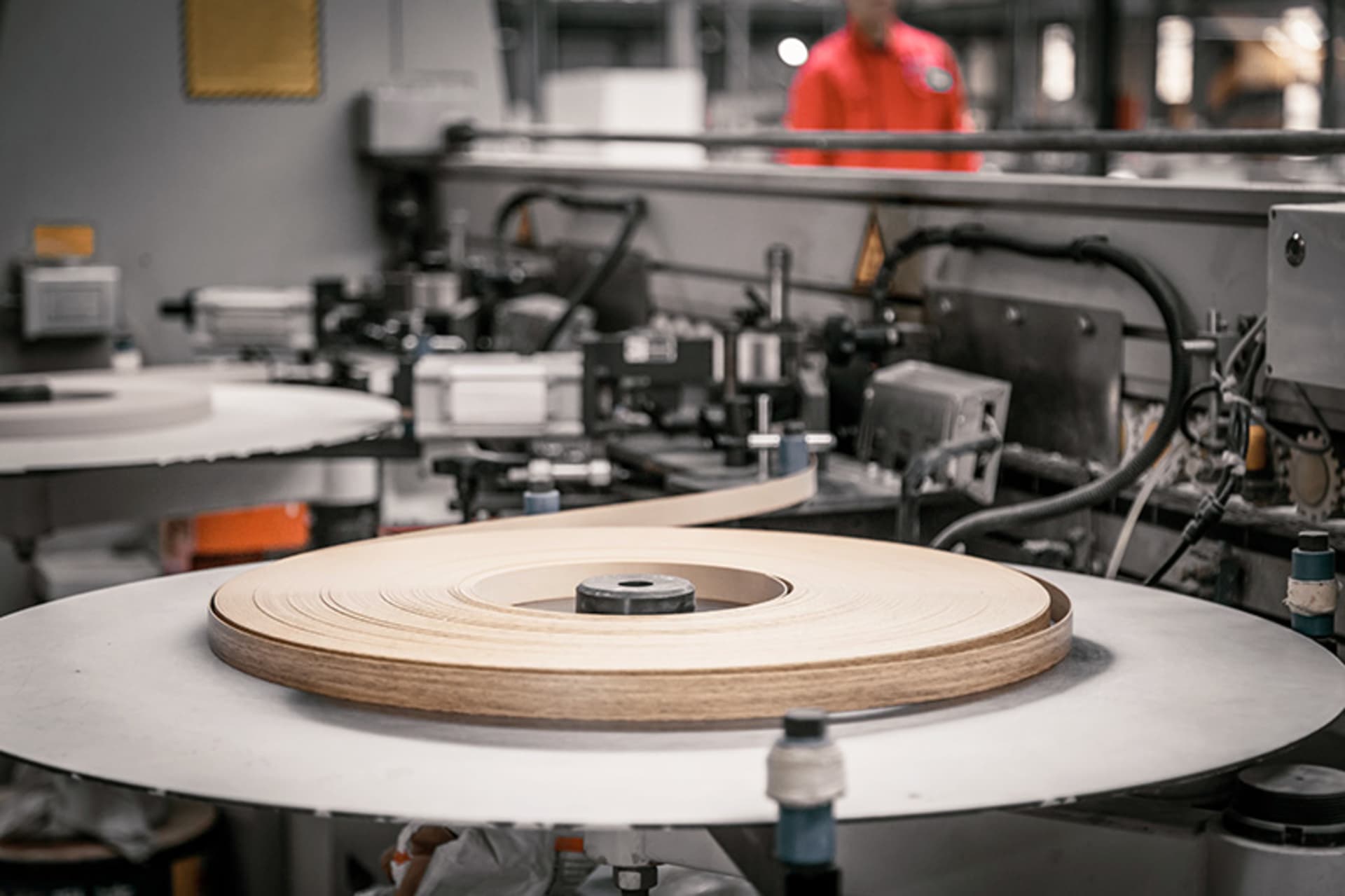
An edgebander is a machine used to apply a finishing material (veneer, PVC, ABS, etc.) to the edges of engineered wood panels such as MDF, particleboard, or plywood. This step covers the raw edge, improves aesthetics, and increases moisture resistance, impact resistance, and product lifespan.
Today's industrial edgebanders offer a high degree of automation, handling the entire process from edge cleaning, glue application, and edge pressing to trimming, buffing, and final profile finishing.
1. Advantages and Limitations of Used Woodworking Edgebanders
Advantages | Limitations |
|
|
2. Typical Practical Applications of Used Woodworking Edgebanders
Kitchen and wardrobe cabinet manufacturing: Finishing cabinet door and carcass edges and other furniture components.
Office furniture manufacturing: Edge banding desktops, partitions, and other panel components.
Engineered wood door manufacturing: Improving door durability and surface finish.
Interior fit-out: Used in the production of shelving, counters, decorative items, and other engineered
Used Woodworking Saws (Panel Saws, Rip Saws)
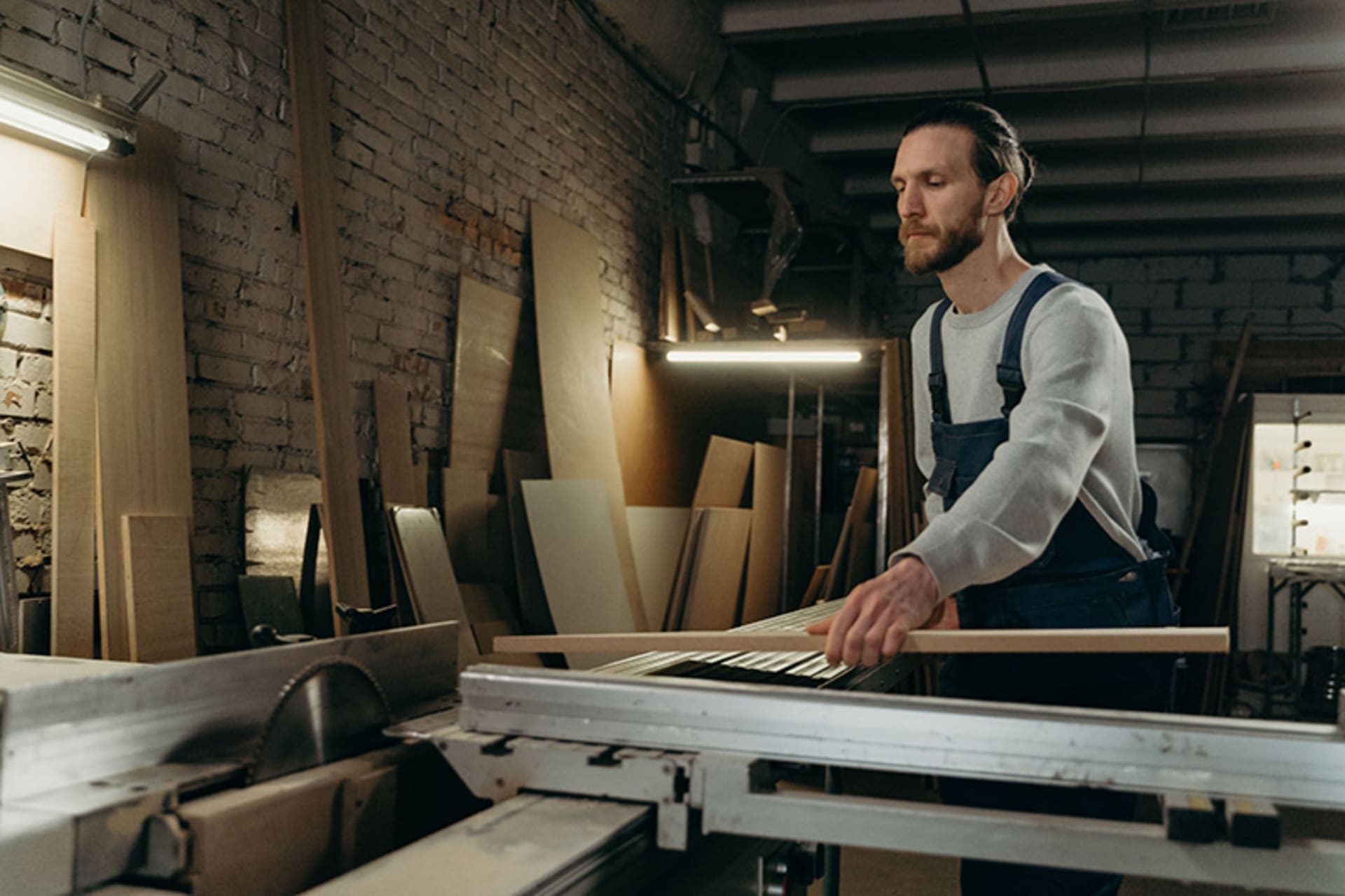
A saw is essential equipment at the start of the wood production process, cutting large material sheets into precise dimensions before they move on to subsequent machining steps.
In industrial production, the Panel Saw is the most common type, purpose-built to cut MDF, HDF, plywood, and other engineered panels with high precision, stable speed, and high-volume throughput.
1. Advantages and Limitations of Used Woodworking Saws
Advantages | Limitations |
|
|
2. Typical Practical Applications of Used Woodworking Saws
Cutting engineered wood blanks: Preparing material for CNC machines and edgebanders.
Furniture manufacturing: Machining MDF, HDF, and plywood panels for cabinets, tables, and shelving.
Wood packaging and pallet manufacturing: Cutting wood panels and beams to required dimensions.
Used Woodworking Sanders
A sander is surface-finishing equipment that flattens, corrects defects, and creates an even smooth finish before painting, coating, or final finishing. In the engineered wood industry, the Wide Belt Sander is widely used for its fast, precise surface processing suited to mass production.
1. Advantages and Limitations of Used Woodworking Sanders
Advantages | Limitations |
|
|
2. Typical Practical Applications of Used Woodworking Sanders
Post-machining surface treatment: Removing tool marks and scratches left by sawing or CNC machining.
Thickness calibration: Ensuring uniform thickness across wood panels.
Pre-coating preparation: Creating a suitable surface for better coating adhesion.
Premium product finishing: Achieving a fine, high-quality surface.
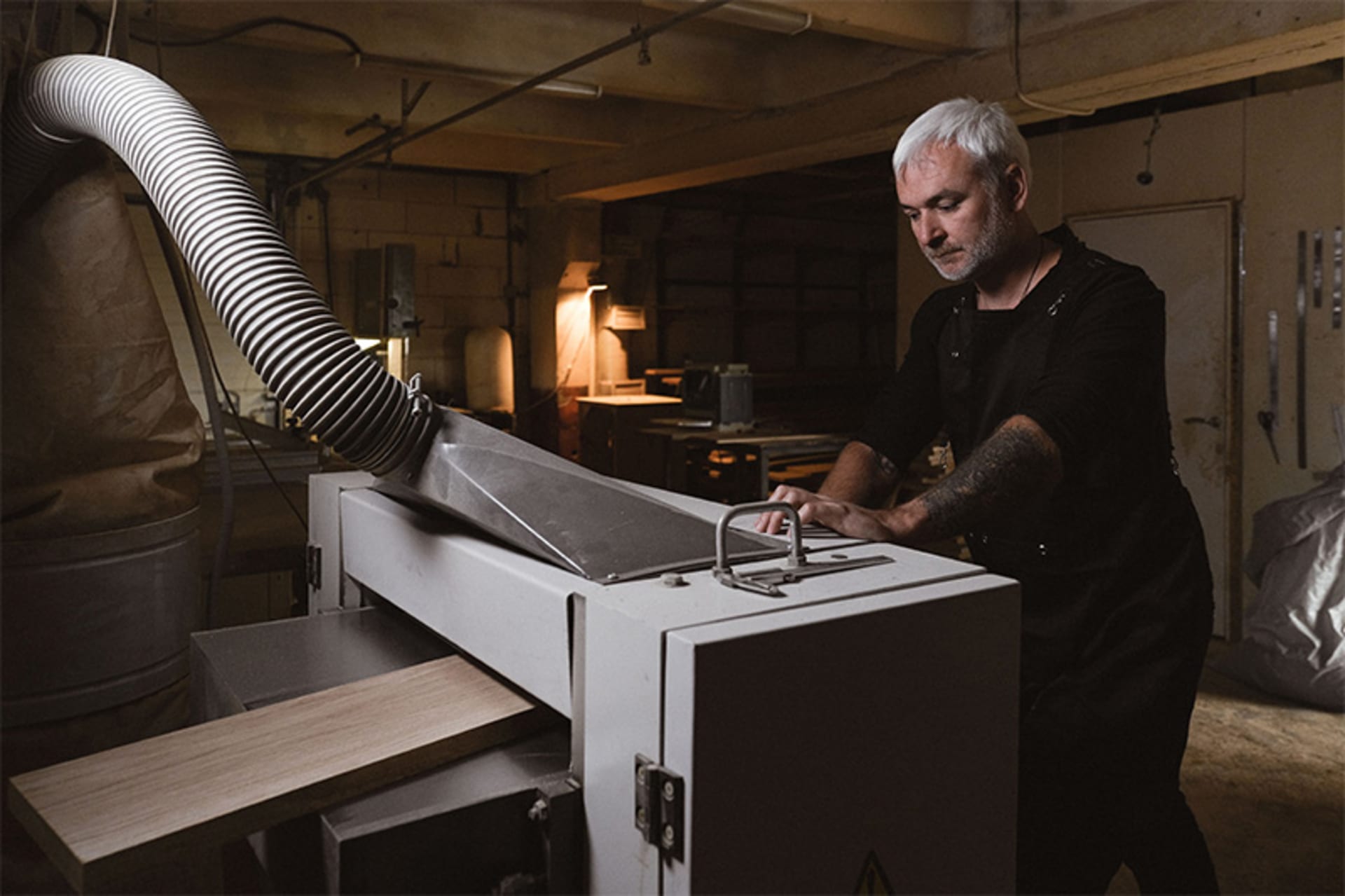
Stationary sanding machines smooth wood surfaces and prepare workpieces for subsequent coating
4. Trusted Woodworking Machinery Brands
The global industrial woodworking machinery market is dominated by major European players, the birthplace of the most advanced technologies:
HOMAG (Germany): Founded in 1960, now the world's leading manufacturer of industrial woodworking machinery. HOMAG is particularly strong in complete furniture-industry solutions, from edgebanders, panel saws, and CNC drilling machines to fully automated production systems.
BIESSE (Italy): Founded in 1969 in Pesaro, Italy. Biesse is one of the world's three leading groups in wood, glass, stone, and metal processing technology. Biesse's strength lies in its CNC machining centers (Rover series) and drilling machines, known for high precision and easy integration into modern production processes.
SCM Group (Italy): SCM's history began in 1952 in Rimini, Italy, with its first woodworking machine, named “L'Invincibile.” SCM is known for the world's broadest product range, including saws, planers, CNC milling machines, sanders, and edgebanders.
WEINIG (Germany): Founded in 1905, headquartered in Tauberbischofsheim, Germany. WEINIG is the world's leading manufacturer of machinery and systems for the solid wood industry. The brand is strong in moulding, optimizing crosscut saws, and finger-jointing technology, serving the production of glued laminated panels, doors, and staircases.
Felder Group (Austria): Starting in 1956 in a small workshop in Absam, Tyrol (Austria), Felder has grown into a global group. Felder is known for its highly versatile combination machines for small and mid-sized workshops, offering space-saving solutions that integrate multiple functions (planing, sawing, milling) on a single platform.
IMA Schelling (Austria - Germany): Schelling was founded in 1917 in Schwarzach, Austria, as a small repair shop. IMA was founded in 1951 in Gütersloh, Germany. The two companies merged in 2016 to form IMA Schelling Group.
5. Real-World Risks When Buying Used Woodworking Machinery
Spindle runout and tool wear: Wood CNC spindles typically wear faster than metal CNC spindles due to continuous high-speed operation (18,000-36,000 RPM). Measure runout with a dial indicator before purchase - under 0.01 mm is acceptable.
Edgebander glue system: The heating and glue-spraying assembly wears fastest. Ask about the most recent glue pot replacement and current temperature stability.
Older control boards: Machines over 15 years old often run Siemens S5 or Bosch CC100 controls - parts are no longer manufactured new, only salvaged units are available. Prioritize machines running Siemens S7 or Beckhoff or newer.
6. Why Buy Used Woodworking Machinery from ReMach
ReMach provides a transparent, professional way to access used woodworking machinery from Europe. With years of experience in the international machine tool sector, ReMach connects directly with high-quality machine sources from factories, businesses, and large industrial groups, helping customers find the equipment that fits their production needs.
ReMach supports the entire investment journey - from equipment selection and condition inspection to shipping arrangements and import support. Each machine is processed to clear standards that ensure transparency, cost optimization, and reduced risk for the business.
Machines available in stock: ReMach holds machines directly in stock in Germany, rather than relying on an order-based sourcing model. Each machine is managed end-to-end, from inspection and dismantling to packing and export, shortening delivery time and letting customers inspect the machine before purchase.
Transparent inspection: Before being offered for sale, every machine undergoes a comprehensive assessment of its structural condition, operating systems, accuracy, and actual functional performance. This lets businesses plan maintenance and operating costs proactively and limit unexpected risks.
Direct machine sourcing - optimized cost: ReMach connects directly with factories and international industrial groups to acquire equipment during liquidation, restructuring, or line upgrades. By cutting out intermediaries, customers can access high-quality European machinery at more reasonable prices.
Full-service import solution: From dismantling and crating to international shipping and customs clearance, ReMach supports the entire process of moving a machine from Germany to your facility. Customers can focus on production without having to manage complex logistics themselves.
7. How to Buy Used Woodworking Machinery at ReMach
Below is the step-by-step process to help businesses select and acquire the right used woodworking machine from ReMach:
Step 1 - Define production needs: Businesses need to clearly identify their main product type, production scale, investment budget, and required technical specifications (for example, whether the machine needs to handle large or small workpiece sizes, whether a 4th axis is needed, etc.).
Step 2 - Check technical specifications in the listings: Visit the ReMach website to view the list of Used Woodworking Machinery currently available. Study specifications such as axis travel, spindle speed, control system, year of manufacture, and operating hours carefully.
Step 3 - Request a test-run video or inspect in person: Once a suitable machine has been identified, ReMach provides a video of the machine running with sample workpieces. If possible, customers should arrange to visit the warehouse in Germany to inspect and operate the machine directly.
Step 4 - Request a quote, shipping & installation: Contact the hotline +49 2196 7050573 and the ReMach team will provide a detailed quote covering international shipping, import/export procedures, and basic installation support at the operating site. Delivery time depends on the shipping method, destination, and each project's logistics requirements.
Step 5 - Sign the contract & hand over the machine: Once terms are agreed, both parties sign the contract and confirm payment. ReMach handles dismantling, packing, export, and provides complete documentation, with installation and commissioning support as agreed before the machine goes into production.
8. FAQs
Can a Used Woodworking CNC Machine Be Integrated into a Smart Factory System?
A used CNC machine under 10 years old can be fully integrated into a Smart Factory through a Retrofitting solution, provided the controller still supports an open interface. For machines over 15 years old, a more practical approach is to use an intermediary computer and independent data-collection modules (an IoT gateway), without necessarily replacing the entire controller.
How Are 6-10 Ton Machines Shipped and Installed from Germany to Other Countries?
Shipping heavy industrial machinery requires a professional process, from dismantling and packing to rust protection and international transport. The machine is secured with a purpose-built frame to ensure safety throughout transit. ReMach supports the entire logistics process, ensuring the machine arrives at its operating site in its original condition.
How Can You Tell If a Used CNC Machine Is Still Accurate?
To determine whether a used CNC machine is still accurate, its actual operating condition needs to be checked directly, not just its outward appearance. The machine should be test-run, with axis errors measured and spindle runout, ball screw backlash, and guide rail play inspected. For higher accuracy requirements, specialized equipment such as a Ballbar can be used to assess the machine's overall accuracy.
How Much Does Used Woodworking Machinery Cost?
Prices for used industrial woodworking machinery (the type used in factories) typically range from around EUR 8,000 to 80,000, depending on machine type, configuration, and condition. Specifically:
Used panel saws (HOMAG, SCM): approximately EUR 5,000-25,000
Used edgebanders (HOMAG, BIESSE, IMA): approximately EUR 12,000-60,000
Used 3-axis CNC machines (BIESSE Rover, HOMAG BAZ): approximately EUR 15,000-80,000
How Long Does Delivery of Used Woodworking Machinery Take?
Delivery typically takes 45-75 days for machines imported from Europe by sea. This period covers machine preparation, dismantling, packing, international shipping, customs clearance, and delivery to the factory. For machines already in stock near the destination, delivery can be faster, typically around 7-14 days after the purchase process is completed.
Where Can You Buy Used Woodworking Machinery from a Reliable Source?
ReMach supplies used woodworking machinery from Europe with clear machine provenance, transparent condition inspection, and full support throughout the process, from selection and shipping to handover. It is a suitable choice for businesses that need high-quality machines at an optimized investment cost.
Investing in Used Woodworking Machinery is an effective way for businesses to reduce upfront costs, boost production capacity, and capture the long-term value of European equipment. However, choosing the right machine source and a reliable supplier is what determines the success of the investment.
With clear machine sourcing, a transparent inspection process, and full-service support, ReMach makes it easy for businesses to access high-quality used woodworking machinery. Contact ReMach via Hotline +49 2196 7050573 to find the right equipment for your production needs.
9. Glossary
Term | Explanation |
CNC (Computer Numerical Control) | Computer-controlled numerical technology that lets a machine read CAD/CAM programs and automatically carry out the machining process. |
Edgebander | A machine used to apply materials such as PVC, ABS, veneer, or laminate to the edges of wood panels to increase durability, improve moisture resistance, and enhance appearance. |
Panel Saw | A saw purpose-built to cut large-format engineered panels such as MDF, HDF, and plywood. |
Table Saw | A versatile bench saw typically used to cut wood beams or smaller panels; unlike a panel saw, it is not designed to handle large engineered panels. |
Sander | A machine used to smooth and prepare wood surfaces before finishing steps such as painting, coating, or laminating. |
PLC (Programmable Logic Controller) | A programmable logic controller that acts as the control brain in automated machine systems such as CNC machines and edgebanders. |
Spindle | The main shaft of a CNC machine that rotates the cutting tool or drill bit at high speed to perform machining. |
Retrofitting | The process of upgrading an older machine by replacing or adding a controller, motors, or sensors to improve performance and connectivity. |
IoT (Internet of Things) | Technology that connects devices via the internet, enabling data collection, operational monitoring, and production optimization. |
Ballbar | A device used to test CNC machine accuracy, detecting motion errors, geometric deviation, and machining stability. |
Backlash | Mechanical play in a drive system (such as a ball screw and nut) that can cause errors when the machine reverses direction. |
Runout | The wobble of a spindle as it rotates; excessive runout can reduce machining accuracy and shorten tool life. |
Smart Factory | A factory that applies IoT, data, and automation to monitor, coordinate, and optimize production processes in real time. |