

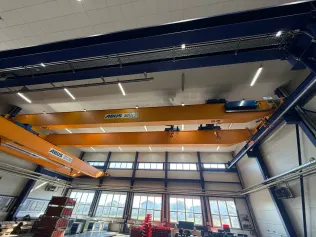
 This item is sold
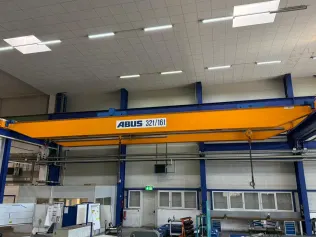 This item is sold
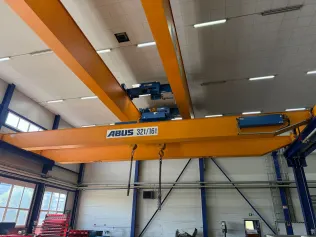 This item is sold
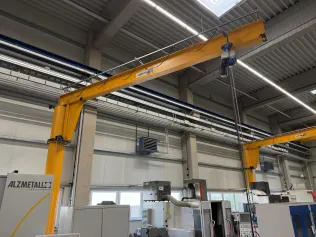 This item is sold
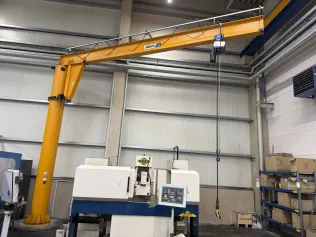 This item is sold
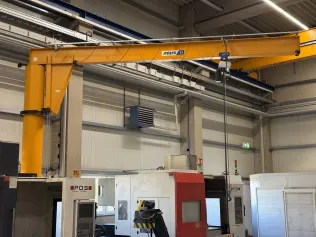 This item is sold
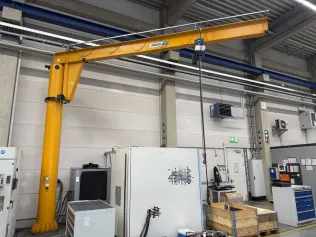 This item is sold
1. Industrial Cranes: Essential Equipment for Heavy Lifting
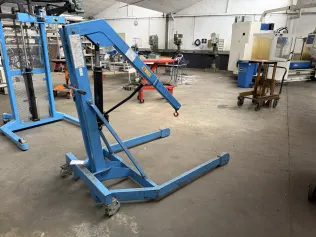
Industrial cranes are indispensable across manufacturing, warehousing, and logistics, providing the lifting capacity needed to move raw materials, finished goods, and heavy machinery safely and efficiently. Whether managing bulky stock in a warehouse or switching out large-scale production equipment on a factory floor, a crane is often the only practical solution for transporting heavy, oversized, or hazardous loads within a facility.
The fundamental engineering principle behind every crane dates back thousands of years to the rope and pulley system. The earliest versions of these machines are believed to have been used in the construction of the Egyptian pyramids. Greek and Roman engineers refined the design further, developing rotor-driven cranes capable of supporting major advances in architecture, infrastructure, and shipbuilding. Structures such as aqueducts, multi-storey buildings, domed monuments, and large cargo vessels would not have been possible without the continuous evolution of crane technology.
Today, modern industrial cranes build on this long heritage of mechanical innovation, offering precision, power, and reliability for the most demanding lifting applications across every sector of industry.
2. Two Categories of Industrial Cranes Explained
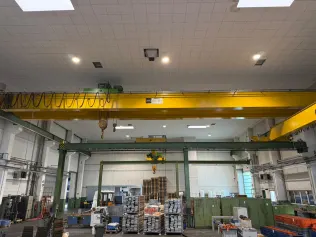
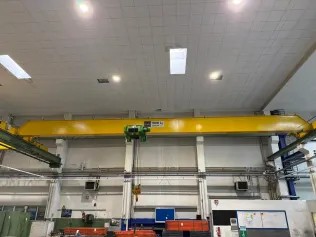
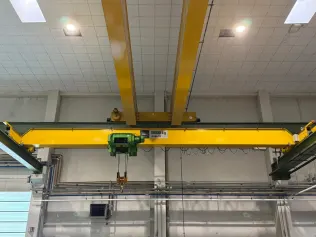
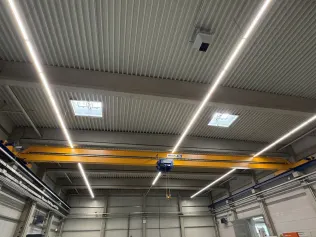
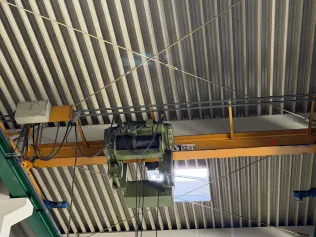
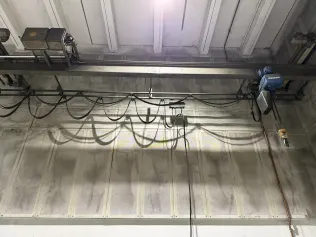
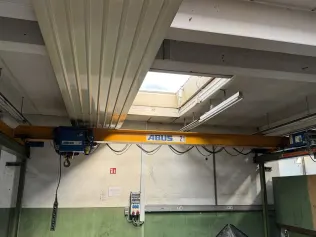
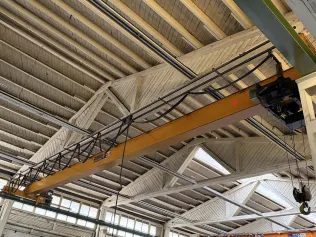
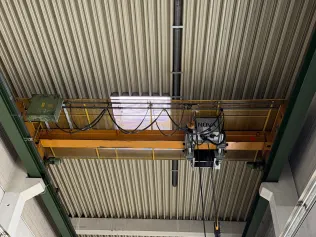
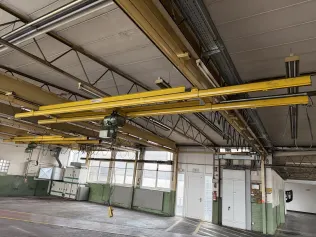
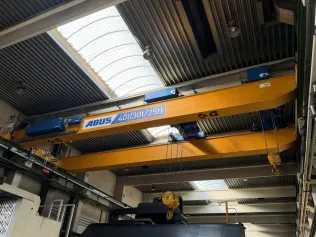
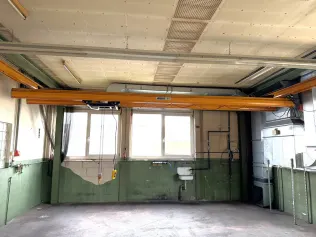
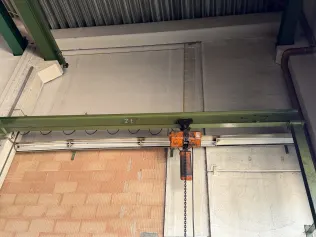
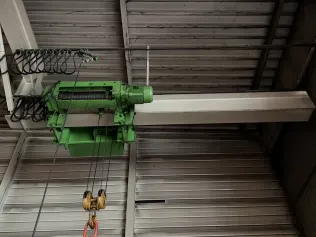
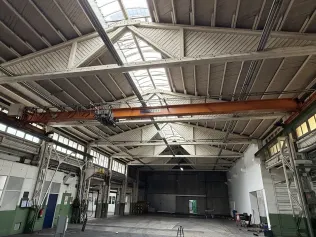
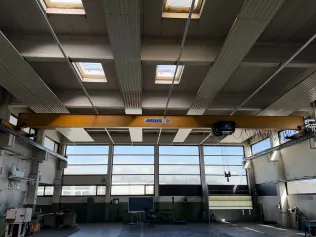
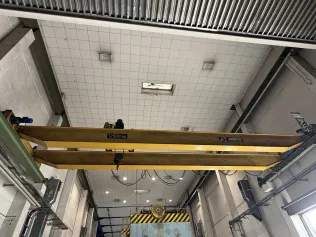
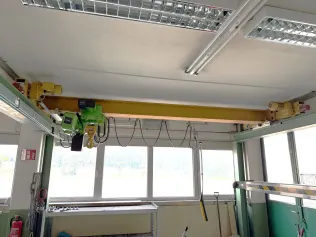
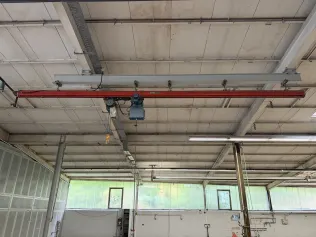
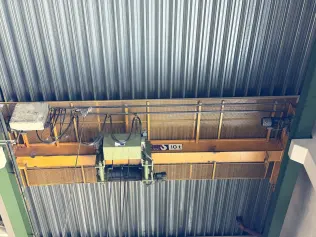
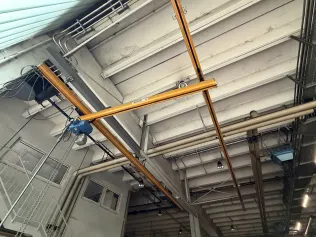
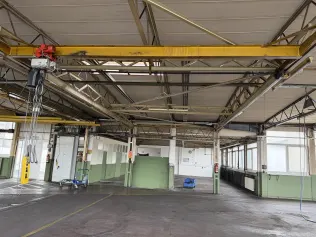
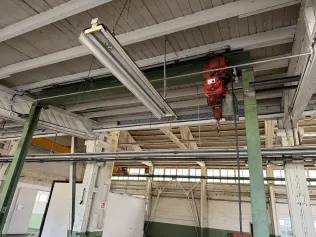
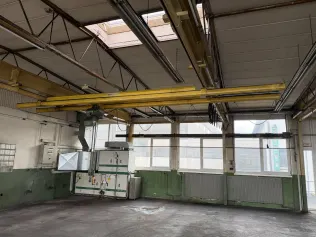
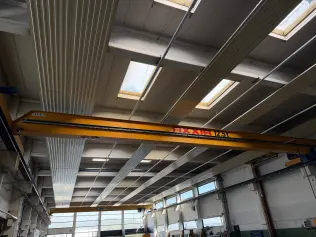
In industrial settings, cranes are broadly divided into two categories. The first is the overhead crane, which travels along a runway mounted at ceiling level, allowing a trolley to reach any point within a facility. Overhead cranes are designed to transport heavy loads across an entire hall or warehouse. In some installations, two or even three units run in parallel – though this arrangement introduces real operational challenges, as cranes can obstruct one another's path. Moving a load from one side of the hall to the other requires the remaining cranes to be cleared first. A collision between units risks serious damage or, in the worst case, a crane toppling over.
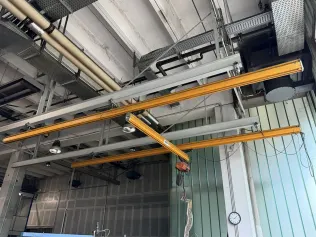
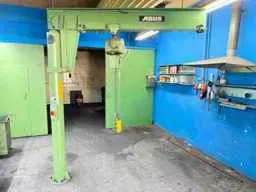
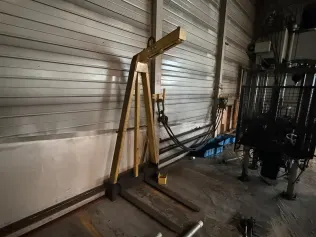
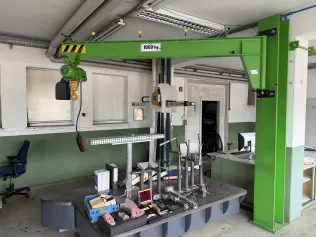
The second category is the jib crane. Here, the lifting unit is mounted on an arm that rotates within a defined radius. The working area of a jib crane is considerably smaller than that of an overhead crane, which makes it well-suited to a single dedicated workstation. Jib cranes are also typically rated for lower load capacities, which is an important factor when selecting the right equipment.
Overhead cranes are controlled either from an operator's cab attached to the trolley or via radio remote control – most modern models support both options. Jib cranes are generally operated through a fixed control panel. Before operating a jib crane, basic instruction from a certified safety officer is required. Overhead crane operation requires a formal crane-operating licence, which involves a multi-day programme of theoretical and practical training.
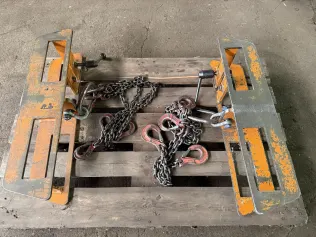
Industrial cranes are used across an ever-wider range of applications, and manufacturers frequently complement their crane ranges with a broad selection of accessories and attachments to meet specific operational needs.
3. Industrial Crane Manufacturers: Leading Brands Guide
When sourcing industrial cranes, choosing the right manufacturer is essential. The most recognised name in the industry is DEMAG, widely regarded for engineering quality and reliability. Other leading manufacturers include ABUS, BAVARIALIFT, ALLEWELD, ATLAS, and BIEDENBACH, each offering a range of crane solutions for different industrial applications.
The used industrial crane market offers a practical and cost-effective alternative to new equipment. A broad selection of quality cranes from these established manufacturers is regularly available, making it straightforward to find the right crane for your operational requirements.