
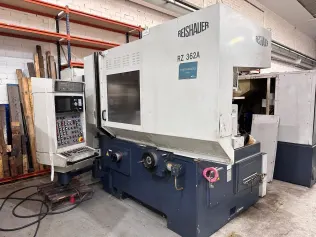
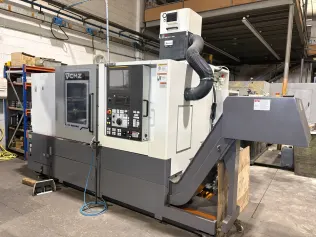
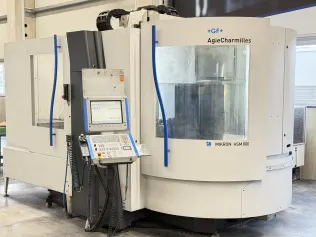
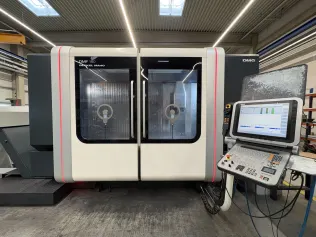
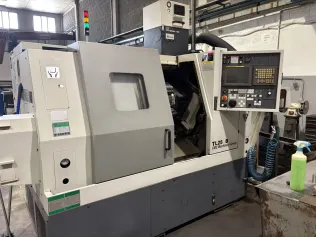
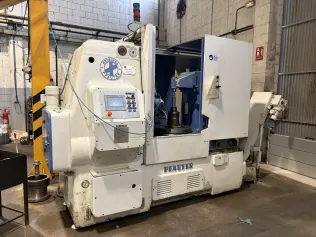
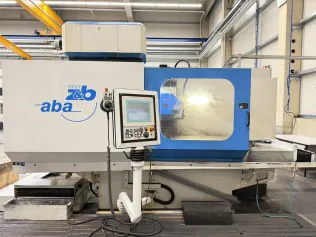
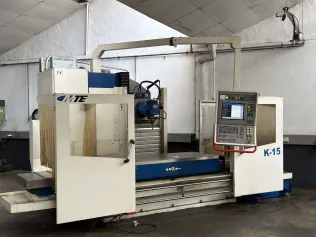
 This item is sold
 This item is sold
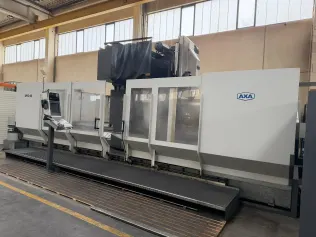 This item is sold
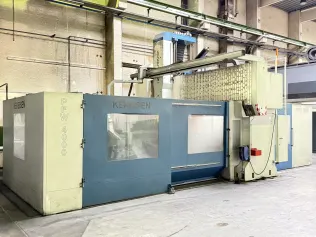 This item is sold
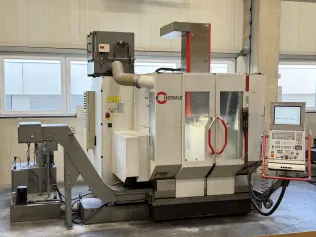 This item is sold
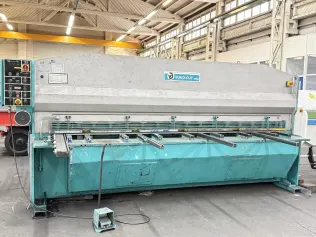 This item is sold
 This item is sold
 This item is sold
1. What Are Metalworking Machines?
Metalworking machines are machine tools used to cut, shape, drill, grind, mill, turn, or form metal parts. They are the backbone of every mechanical manufacturing sector, from automotive and aerospace to energy, tooling, and medical devices.
2. Benefits of Investing in Used Metalworking Machines
For companies seeking access to advanced machining technology without heavy capital outlay, used metalworking machines offer a calculated cost advantage. These machines are typically maintained on a regular schedule, come with documented maintenance records, and many still perform at 80-90% of original capacity.
Save 30-70% on capital investment, freeing up cash flow for tooling, staffing, and operations.
Faster time to production - in-stock machines can be installed and running within a few weeks.
Long service life - machines from leading brands can run reliably for 20-30 years with proper maintenance.
Support sustainable manufacturing by extending equipment lifecycle and reducing industrial waste.
According to VDW (German Machine Tool Builders' Association, part of VDMA), German machine tool production reached EUR 15.4 billion in 2023, with metalworking machines (CNC, turning, milling, boring, pressing) accounting for EUR 10.6 billion of that total. Germany remains Europe's largest machine tool producer, which is why brands like KUKA, DMG MORI, SCHULER, and HEYLIGENSTAEDT continue to set the global quality benchmark.
3. Types of Metalworking Machines
Metalworking machines are classified by function and forming technology, each serving a specific role in the manufacturing chain.
Machine Type | Investment Cost (vs. new) | Maintenance Cost | Capability | Best Suited For |
Boring Machines | 30-50% | Medium | Boring, milling, drilling, tapping in one setup | Energy, shipbuilding, mining, aerospace |
CNC Machining Centers | 30-50% | Medium-High | Milling, drilling, tapping, boring, 3-5 axis | Automotive, aerospace, medical, tooling |
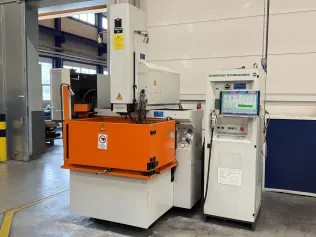
EDM Machines | 40-60% | High | Spark erosion, ultra-hard materials | Tooling, aerospace, medical, semiconductor |
CNC Lathes | 40-60% | Medium | Turning, milling, drilling (with live tooling) | Automotive, power transmission, oil & gas, maintenance |
Milling Machines | 30-50% | Medium | 3-5 axis milling, from roughing to finishing | Tooling, automotive, aerospace, precision engineering |
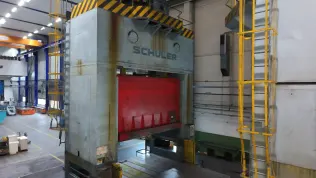
Presses | 40-60% | Medium | Stamping, punching, bending, drawing, forming | Automotive, electronics, appliances, mass production |
Welding Equipment | 30-50% | High | Fixed-process welding | Steel structures, automotive, machine building |
Used Boring Machines
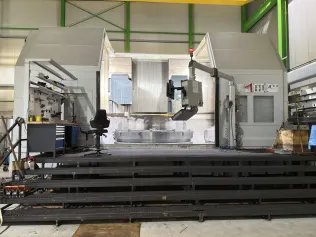
Boring machines are heavy-duty machine tools used to machine and enlarge holes in metal with high precision. Unlike drilling machines, which create new holes, boring machines are designed specifically to enlarge and align existing holes, ensuring concentricity and minimizing deviation.
Boring machines can handle large, bulky workpieces that are difficult to machine with conventional methods. Machines feature horizontal or vertical spindle configurations combined with fixed or moving tables. Modern CNC boring machines automate the entire process with automatic tool changers and adjustable clamping tables.
1. Advantages and Limitations of Used Boring Machines
Advantages | Limitations |
|
|
2. Applications of Used Boring Machines:
Energy & Power: Machining wind turbine housings, generator casings, pressure valves, and large drivetrain components.
Shipbuilding & Marine: Machining ship engine housings, propulsion systems, and oversized structural components.
Aerospace & Defense: Machining aircraft structural parts, landing gear components, and high-precision technical assemblies.
Tooling & Die: Manufacturing large plastic injection molds and automotive stamping dies.
Heavy Engineering & Mining: Machining gearboxes and load-bearing structures for excavators, cranes, and large industrial equipment.
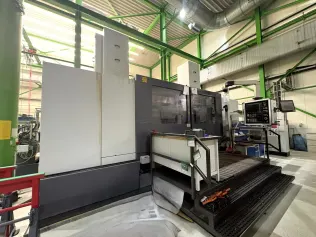
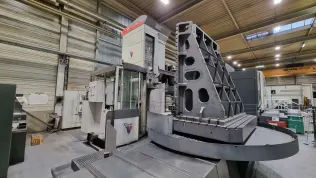
Available used boring machines at ReMach include Fermat WFT 13 CNC - a heavy-duty CNC boring/milling machine from FPT Industrie (Italy), built in 1999, in 80-90% condition, equipped with a 40-position ATC and a 360° CNC rotary table.
>>> View the full range of Used Boring Machines available at ReMach
Used CNC Machining Centers
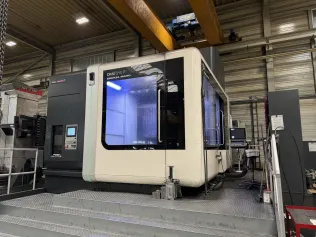
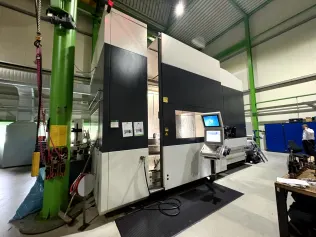
CNC machining centers are highly automated machine tools developed from conventional CNC milling machines but built with substantially more capability. Unlike a standard milling machine that performs a single operation, a machining center is equipped with an automatic tool changer (ATC), CNC rotary tables, high-pressure center coolant delivery, and the ability to perform multiple operations (milling, drilling, tapping, boring, 3-5 axis machining) in a single setup
1. Advantages and Limitations of Used CNC Machining Centers
Advantages | Limitations |
|
|
2. Applications of Used CNC Machining Centers
Automotive & Motorcycle: Machining engine blocks, gearbox housings, connecting rods, camshafts, crankshafts, brake and suspension components.
Aerospace: Machining turbine blades, propeller blades, and aircraft fuselage structures from aluminum, titanium, and stainless steel alloys. Complex propeller geometries require 5-axis machining.
Medical & Implants: Manufacturing artificial joints (hip, knee), bone screws, surgical instruments, and X-ray equipment components.
Tooling & Die: Manufacturing plastic injection molds, automotive stamping dies, aluminum extrusion dies, and die-casting molds with high precision and surface finish.
Energy: Machining wind turbine housings, gearboxes, high-pressure pumps, and industrial valves.
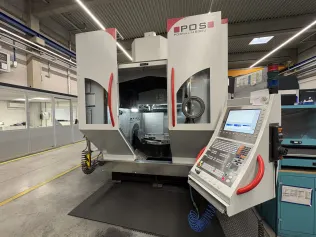
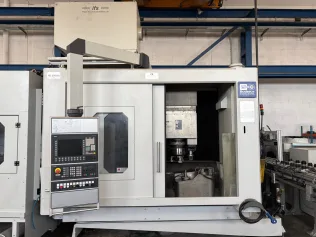
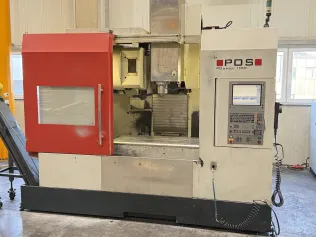
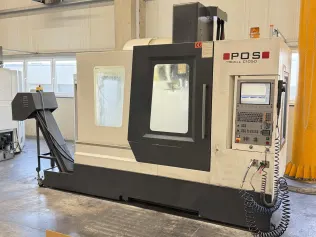
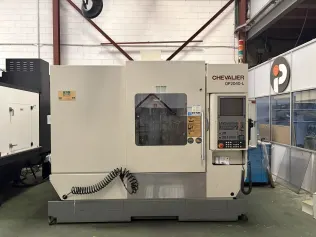
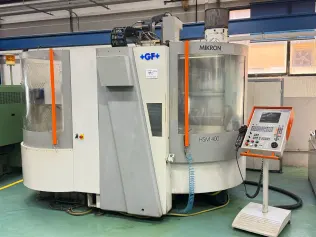
Popular used CNC machining centers include MIKRON HSM 800. All used CNC machining centers at ReMach undergo rigorous inspection, with particular attention to the control system, guideway condition, and optical scales.
>>> For the latest listings, contact ReMach or browse the Used CNC Machining Centres category directly.
Used EDM Machines
EDM (Electrical Discharge Machining) machines are a specialized class of machine tools that use thermal energy from electrical sparks to melt or vaporize metal, rather than mechanical cutting force used in conventional machining. EDM can process any electrically conductive material, from hardened steel to ultra-durable alloys like Inconel or tungsten carbide, regardless of hardness.
Depending on configuration, EDM machines are classified as:
Wire EDM (WEDM): Uses an ultra-thin electrode wire (typically brass or tungsten) that travels continuously through the workpiece, ideal for cutting complex, high-precision geometries.
Sinker EDM (Ram EDM / Die-sinking EDM): Uses an electrode machined into the desired 3D shape (typically copper or graphite), which is then “sunk” into the material to form a corresponding cavity.
1. Advantages and Limitations of Used EDM Machines
Advantages | Limitations |
|
|
2. Applications of Used EDM Machines
Tooling & Die: Machining plastic injection mold cavities, automotive stamping dies, die-casting molds, and rubber molds requiring sharp corners, deep grooves, and high precision.
Automotive & Motorcycle: Manufacturing body stamping dies, engine casting molds, and hardened metal components in brake and drivetrain systems.
Aerospace & Defense: Machining turbine blades from super alloys (Inconel, titanium), and jet engine components with complex geometries and extremely tight tolerances.
Medical & Implants: Manufacturing surgical instruments, artificial joints, and implant components requiring micron-level precision and undistorted surfaces.
Semiconductor & Electronics: Machining lead frames, micro-electronic components, and chip molds with extreme precision and miniature dimensions.
Energy & Oil and Gas: Machining high-pressure valve components, drilling system parts, and pressure-rated drivetrain components.
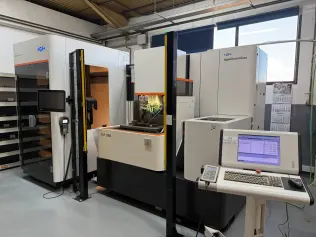
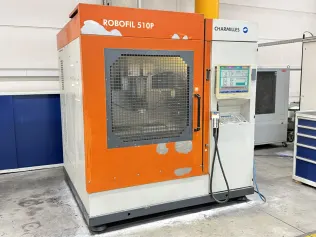
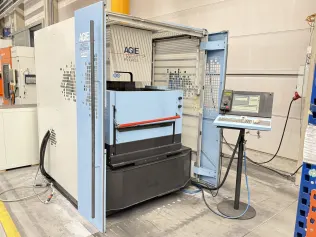
Popular used EDM machines currently available include AGIE CHARMILLES CUT 2000, CHARMILLES TECHNOLOGIES ROBOFIL 510, AGIE AGIECUT PROGRESS 2 and CHARMILLES TECHNOLOGIES Roboform 50 Sinker. All used EDM machines at ReMach are checked for power supply integrity, wire guide accuracy, and dielectric tank condition.
>>>> For the latest listings, contact ReMach or browse Used EDM Machines.
Used CNC Lathes
A CNC lathe (CNC Lathe / CNC Turning Center) is a machine tool dedicated to machining rotationally symmetric parts: shafts, bushings, nuts, ball screws, pulleys, flanges, pipe connectors, and other mechanical components. Unlike a milling machine, where the cutting tool rotates and the workpiece moves, a lathe works the opposite way: the metal workpiece is clamped in a chuck and rotates, while the cutting tool is guided to turn, drill, tap, or bore along the surface of the workpiece.
Depending on configuration, CNC lathes are classified as:
2-axis CNC lathes (standard X + Z): Basic machining of rotationally symmetric parts on a single cutting plane.
Multi-axis CNC lathes with live tooling (X, Z, C axes plus sub-spindle): Add milling, drilling, and tapping capability on round parts without re-fixturing, streamlining production.
5-axis CNC lathes (with added Y axis): Capable of machining complex and off-center surfaces.
Twin-spindle CNC lathes: Machine both ends of a workpiece simultaneously, significantly increasing throughput for high-volume production.
1. Advantages and Limitations of Used CNC Lathes
Advantages | Limitations |
|
|
2. Applications of Used CNC Lathes
Automotive & Motorcycle: Machining crankshafts, camshafts, various shafts, bearing bushings, pulleys, brake discs, wheel rims, threaded rods, suspension and drivetrain components.
Aerospace & Defense: Manufacturing shaft components for turbine engines, landing gear parts, and airframe structures from aluminum, titanium, and stainless steel alloys.
Power Transmission: Producing drive shafts, gears, bearings, bushings, precision threaded bolts, and ball screw nuts.
Tooling & Die: Machining mold components, guide pillars, guide bushings, clamping system parts, and casting mold components.
Energy & Oil and Gas: Producing wind turbine shafts, generator shafts, industrial valves, high-pressure pipe connectors, and pump components.
Industrial Repair & Maintenance: Producing single-unit or small-batch replacement parts and components for existing machinery.
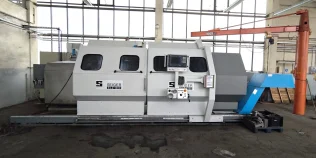
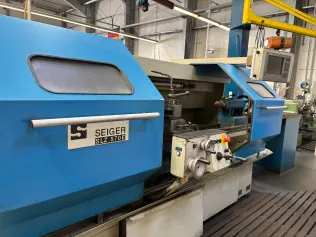
Popular used CNC lathes include Heavy-duty lathe Seiger SLZ 1200 x 3000 with Siemens cycle control, Seiger SLZ-570 E x 1500 Cycle-Heidenhain Controlled Lathe. All used CNC lathes at ReMach are thoroughly inspected for spindle concentricity, guideway condition, and gearbox integrity.
>>> For the latest listings, contact ReMach or view details at Used CNC Lathes.
Used Milling Machines
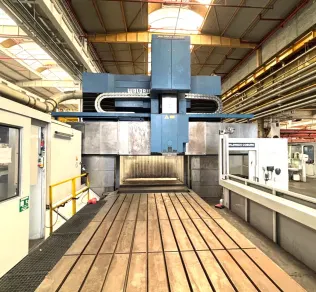
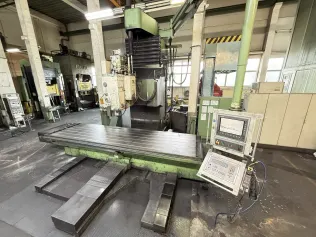
A milling machine is a versatile machine tool used to machine flat surfaces, slots, contoured surfaces, gears, splines, and complex 3D features on metal parts. In metalworking, milling machines are an essential counterpart to lathes. Unlike a lathe, where the workpiece rotates, a milling machine operates on the principle of a rotating cutting tool removing material while the table carrying the workpiece moves along coordinate axes to shape the part.
1. Advantages and Limitations of Used Milling Machines
Advantages | Limitations |
|
|
2. Applications of Used Milling Machines
Tooling & Die: Machining plastic injection molds, automotive stamping dies, aluminum extrusion dies, and die-casting molds; common applications for 5-axis machining centers and high-speed milling machines.
Automotive & Motorcycle: Manufacturing engine blocks, gearbox housings, connecting rods, camshafts, crankshafts, suspension systems, and chassis structures.
Aerospace & Defense: Machining turbine blades, aircraft fuselage panels, and flight control components from aluminum, titanium, and composite materials.
Precision Engineering & Electronics: Manufacturing equipment housings, heat sinks, optical components, and measurement instrument parts requiring high precision.
Industrial Repair & Maintenance: Machining replacement parts, single-unit components, and complex geometric surfaces for existing equipment.
Heavy Machining & Large-Scale Engineering: Gantry milling machines for oversized parts such as press frames, ship hulls, wind turbine structures, and generator housings.
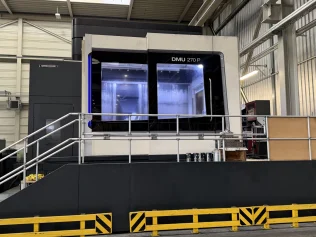
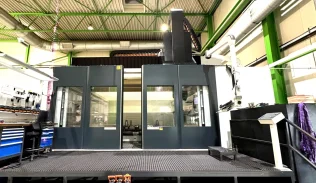
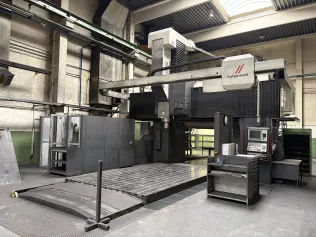
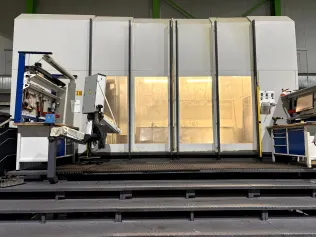
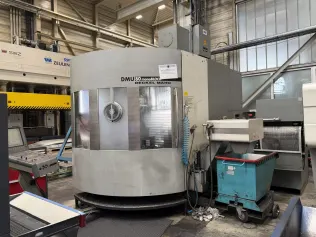
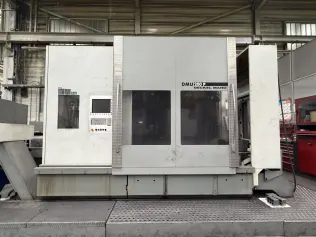
Popular used milling machines available include DMG 210 P - 5 axis universal machining center, DMG 160 P - 5-axis universal machining center, HEYLIGENSTAEDT Heynumill 3200-P CNC Portal Milling Machine and more. All used milling machines at ReMach undergo full inspection of structural rigidity, ball screw condition, and lubrication systems.
>>> For the latest listings, contact ReMach or browse Used Milling Machines.
Used Presses
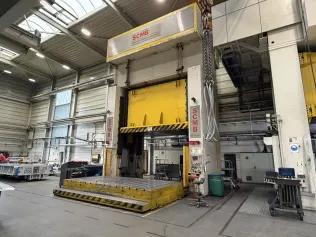
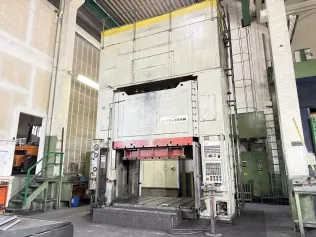
A press is an industrial machine used to form sheet metal through compressive force - including stamping, punching, bending, drawing, and die-forming operations. In sheet metal fabrication, presses are the backbone process, turning flat steel coil into finished products such as car bodies, electronic components, household appliances, beverage cans, and thousands of other metal parts. Modern stamping technology can reach speeds of up to 1,500 SPM (strokes per minute), delivering outstanding output for mass production.
Depending on the drive mechanism, presses are classified as:
Mechanical presses: A flywheel stores energy, transmitted through a clutch and crankshaft to drive the ram. High speed, high force at the end of the stroke, suited to mass production.
Hydraulic presses: Hydraulic oil drives a piston based on Pascal's principle. Constant force throughout the stroke, easy to control speed and pressure, suited to deep drawing and complex forming.
1. Advantages and Limitations of Used Presses
Advantages | Limitations |
|
|
2. Applications of Used Presses
Automotive: Stamping body panels, chassis frames, hoods, doors, and structural safety components; common in high-tonnage stamping lines.
Household Appliances: Manufacturing refrigerator, washing machine, air conditioner, microwave, and kettle housings and other sheet metal components.
Electronics: Stamping heat sink frames, component housings, connectors, and precision metal parts.
Coinage & Small Metal Goods: Manufacturing coins, medals, bottle caps, cans, battery casings, and other small mass-produced parts.
Precision Engineering & Aerospace: Stamping lightweight structural components, machining aluminum and titanium sheet for aerospace and medical applications.
Energy: Stamping heat sink panels, generator housings, and components for renewable energy systems.
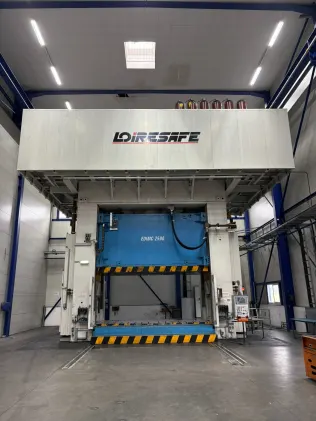
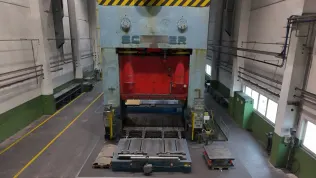
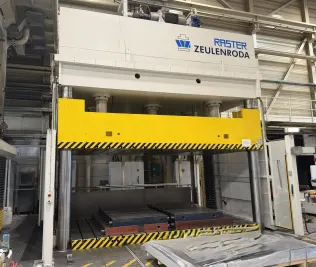
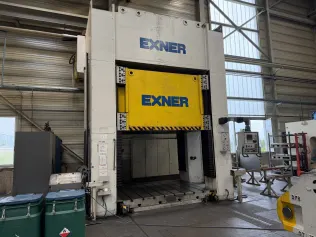
Popular used presses include LOIRE SAFE EDIMC 2500-600-200/50-25/22-17 Hydraulic Press, SCHULER P4 E2 SQ 1200 Mechanical Press (unit 1), SCHULER P4 E2 SQ 1200 Mechanical Press (unit 2) and more. All used presses at ReMach are thoroughly inspected for press force, control systems, and safety equipment.
>>> For the latest listings, contact ReMach or browse Used Presses.
Used Welding Equipment
Welding equipment covers machines and tools used to join metal components together into a single structure. Welding is the most widely used metal-joining method in manufacturing and fabrication, from small repair shops to large-scale production plants. Depending on technology, welding equipment includes:
Arc welding: Uses arc heat to melt material, including stick (SMAW), MIG/MAG (GMAW), TIG (GTAW), FCAW; the most common in industry.
Welding robots: Automated systems using programmable robotic arms for precise, highly repeatable welds, typically integrated into complete welding cells.
Resistance welding: Uses electrical current and applied force to generate heat at the contact point; common in spot and seam welding, especially in the automotive industry.
Submerged arc welding (SAW): Welds beneath a protective flux layer, producing deep, high-quality welds for thick steel structures and large components.
Laser and plasma welding: High-precision welding technology with a small heat-affected zone, used in aerospace, electronics, and medical applications.
1. Advantages and Limitations of Used Welding Equipment
Advantages | Limitations |
|
|
2. Applications of Used Welding Equipment
Steel Structure Fabrication: Welding beams, columns, trusses, factory frames, bridges, ship structures, wind towers, and drilling rigs.
Automotive & Motorcycle: Spot welding chassis, body panels, body shells, frames, and exhaust systems.
Machine Building: Welding machine housings, machine bases, structural components, tanks, and pressure vessels.
Industrial Repair & Maintenance: Restoration welding, wear-resistant overlay welding, structural repair, and parts fabrication.
Truck Bodies & Containers: Welding truck beds, containers, tanker trucks, and dump trucks.
Pressure Pipes & Piping: Welding oil and gas pipelines, water supply and drainage systems, steam systems, and pressure vessels.
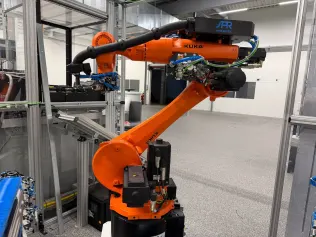
Popular used welding equipment includes KUKA KR 22 R1610-2 /SEL Handling robot, spot welding machines, and MIG/MAG, TIG, or stick welding equipment. All used welding equipment at ReMach is checked for power supply integrity, control circuits, and safety components.
>>> For the latest listings, contact ReMach or browse Used Welding Equipment.
4. Trusted Metalworking Machine Brands
Choosing the right brand is critical when investing in used metalworking machines. The brands below are recognized for build quality, stability, and precision machining performance across industries.
DMG MORI (Germany / Japan): Formed from Gildemeister (Germany, 1870) and Mori Seiki (Japan, 1948); the two companies signed a cooperation agreement in 2009 and completed a full brand merger in 2015. Known for 5-axis machining centers, Turn & Mill combined turning-milling technology, and duoBLOCK construction for higher rigidity.
KUKA (Germany): KUKA was founded in 1898 in Augsburg, Germany. Specializes in 6-axis industrial robots for welding, handling, and automation, known for flexible integration into production lines, particularly in automotive.
MIKRON (Switzerland): Mikron was founded in 1908 in Biel, Switzerland, now part of GF Machining Solutions. Known for high-speed milling (HSM), specializing in micron-precision mold making and high-quality surface finishing.
FPT Industrie (Italy): FPT Industrie was founded in 1969 in Italy. Manufactures large milling and boring machines with monobloc construction and hydrostatic guideways, suited to machining large components requiring high stability.
HEYLIGENSTAEDT (Germany): HEYLIGENSTAEDT was founded in 1876 in Gießen, Germany. Known for gantry milling machines and large-travel machining, using DualDRIVE technology to reduce backlash and increase accuracy.
AGIE CHARMILLES (Switzerland): AGIE CHARMILLES originates from AGIE and CHARMILLES, now part of GF Machining Solutions. A leader in EDM technology, including wire cutting, sinker EDM, and small-hole EDM for high-precision machining.
SCHULER (Germany): SCHULER was founded in 1839 in Germany. One of the leading manufacturers of presses and automated stamping lines, particularly for automotive and sheet metal production.
MANNESMANN DEMAG (Germany): MANNESMANN DEMAG is a brand formed in 1973 from DEMAG (1910) and Mannesmann (1890), specializing in high-capacity hydraulic presses for forging, deep drawing, and forming heavy components.
SEIGER (Germany): SEIGER traces its roots to the late 19th century, with Willi Seiger GmbH formally established in 1984. Known for hybrid lathes with rigid construction, suited to machining long shafts and heavy-load components.
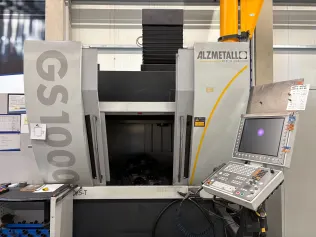
ALZMETALL (Germany): ALZMETALL was founded in 1945 in Bavaria, Germany. Known for industrial drilling machines and high-speed 5-axis machining centers with high precision.
KEKEISEN (Germany): KEKEISEN is a German engineering company with over 180 years of history (since 1842). Specializes in gantry milling machines and large boring machines for long and oversized components.
5. Why Buy Used Metalworking Machines from ReMach
ReMach is a Germany-based supplier of used metalworking machines, specializing in milling machines, lathes, presses, and machining centers from trusted brands. With machines sourced directly from Europe and a professional inspection, dismantling, transport, and export process, ReMach helps businesses worldwide access high-quality equipment through a transparent, efficient investment model.
In-stock machines, inspect before you buy: Warehouses located in the Laichingen (Germany) machining hub and other locations display a wide range of milling, turning, and pressing machines from leading brands. Customers can inspect machine condition in person before purchase, no reliance on photos or descriptions alone.
Transparent technical inspection: Every machine comes with inspection, evaluation, and refurbishment records following a standardized process, giving buyers a clear picture of actual condition before deciding.
Competitive pricing, optimized investment: Machines purchased through ReMach typically cost 40-75% of the price of an equivalent new machine, depending on condition, age, and brand. Average savings of 25-60% significantly reduce upfront investment, shorten payback periods, and improve production efficiency compared to buying new.
Experience handling heavy machinery: ReMach has extensive experience handling heavy machining equipment and is ready to manage dismantling, packing, and transport for plant-scale asset recovery projects, with machines sourced directly from workshops and factories across Germany. Services are delivered by a team experienced in heavy equipment logistics and global export.
Worldwide shipping support: ReMach supports dismantling, packing, international transport, customs, and export documentation, ensuring equipment arrives safely and on schedule.
6. How to Buy Used Metalworking Machines from ReMach
Follow these steps to purchase used metalworking machines from ReMach:
Step 1 - Define production requirements: Determine the required machining process (turning, milling, boring, stamping, welding, EDM), material, workpiece size, output volume, tolerance requirements, budget, and timeline.
Step 2 - Browse the ReMach catalog: Visit the Metalworking Machines catalog on ReMach to review available equipment. Based on production needs, businesses can filter by machine type, brand, specifications, year of manufacture, and condition to find the right fit.
Step 3 - Request an inspection or test-run video: Ask ReMach for an operating video or sample cutting test to assess machine condition. If needed, arrange an in-person inspection at ReMach's warehouse in Laichingen (Germany) or other locations to verify mechanical and electrical condition.
Step 4 - Receive a quote and shipping plan: Contact ReMach by email or Hotline +49 2196 7050573 for a quote covering machine price (FOB), dismantling, packing, transport, and installation (if required).
Step 5 - Sign the contract and take delivery: After agreement, both parties sign the contract and confirm payment. ReMach handles dismantling, packing, export, and full documentation, and supports installation and commissioning as agreed before the machine goes into production.
7. FAQs
Can older CNC machines be integrated into a smart factory system?
Yes, if the machine has a connectivity port (RS-232, Ethernet) and is fitted with a protocol such as OPC-UA or MTConnect via a converter. When integrated correctly, the machine can transmit data to MES/ERP systems and participate in smart manufacturing. Very old machines usually require an intermediate IoT device or a controller upgrade.
How are metalworking machines weighing 20-30 tons transported and installed?
Transporting and installing metalworking machines weighing 20-30 tons requires a professional process: site survey, dismantling, packing, transport with specialized equipment, and reinstallation at the destination workshop. Machines are typically secured on steel frames or flat racks and moved using cranes and heavy-duty forklifts. After installation, the equipment must be leveled and test-run to verify accuracy before production begins.
How can you tell if a used CNC machine is still accurate?
Assessment requires several steps: mechanical checks such as axis backlash and spindle condition; geometric checks such as squareness and parallelism of the axes; and test runs to measure machining stability. For machines requiring high precision, additional ballbar testing, laser measurement, or sample machining with dedicated measuring equipment is recommended.
Is it worth buying used metalworking machines?
Yes, if the goal is to control costs and shorten investment timelines. Used machines can save 30-70% on cost and reach production much faster than new equipment. However, it's important to choose a reputable supplier and inspect thoroughly to avoid hidden wear-related risks.
How much do used metalworking machines cost?
Used equipment typically costs 30-70% of new equipment, depending on machine type, brand, year of manufacture, wear level, and actual technical condition. For example, a used CNC lathe can range from EUR 20,000-48,000, while a vertical machining center (VMC) typically ranges from EUR 28,000-80,000. These are reference figures only; actual pricing should be based on specifications, operating history, and the condition of each specific machine.
How long does delivery take for used metalworking machines?
Delivery typically takes 4-8 weeks depending on warehouse location, destination, and shipping method. The process includes dismantling, inspection, packing, international transport, customs clearance, and delivery to the workshop. For Europe-Asia routes, sea freight is the most common option, while rail can shorten delivery time on select routes.
Where can I buy used metalworking machines from a reliable supplier?
ReMach specializes in supplying used metalworking machines sourced from Europe, with clear equipment history, transparent technical documentation, and in-person inspection support before purchase. Beyond equipment supply, ReMach also handles international shipping, customs procedures, and related services, helping businesses invest in used machinery safely, conveniently, and efficiently.
Investing in used metalworking machines is a sound option for businesses looking to expand production capacity at a reasonable cost, particularly when sourcing the right equipment from a reliable supplier. Quality used machines from German manufacturers can reduce capital investment to 30-70% of new equipment cost, while still achieving tolerances of ±0.01mm and running stably for 15-20 years with proper maintenance.
With warehouses across Europe, a transparent inspection process, and support from inspection through dismantling to international transport, ReMach helps businesses access used metalworking machines safely, efficiently, and with confidence. Contact ReMach at Hotline +49 2196 7050573 or browse the machine catalog at re-mach.com.
8. Glossary
Term | Explanation |
Backlash (deviation / accumulated error) | The gap between mating drive components (e.g., screw and nut) that causes a small delay in motion when direction is reversed. Results in machining error. |
Ballbar test | A method of checking a CNC machine's geometric accuracy by running the machine through a circular path and measuring deviation. The gold-standard test for assessing machine condition. |
CMM (Coordinate Measuring Machine) | A three-dimensional measuring machine used to verify the dimensions and geometry of machined parts with high precision. |
CNC (Computer Numerical Control) | Computer-based numerical control - an automation technology for machine tools driven by digital programs. |
Tolerance | The permitted deviation in dimension or shape from the design specification. Tighter tolerances require higher precision. |
EDM (Electrical Discharge Machining) | Spark erosion machining - uses electrical discharge to erode metal without mechanical cutting force. Capable of machining ultra-hard materials. |
Live tooling | Tooling with its own motor mounted on a lathe, enabling milling, drilling, and tapping operations without removing the workpiece. |
MES/ERP | Manufacturing execution and enterprise resource planning systems, used to run smart factory operations. |
MTConnect / OPC-UA | Industrial communication protocols that allow older CNC machines to connect to centralized management systems. |
OPC-UA | See MTConnect. |
Runout (spindle deviation) | The wobble of a rotating spindle, preventing the tool tip from rotating perfectly true - affects surface finish and hole accuracy. |
Sinker EDM (Ram EDM / Die-sinking EDM) | A form of EDM using a 3D-shaped electrode to “imprint” a reverse cavity into the workpiece. |
SPM (Strokes Per Minute) | The number of strokes per minute of a mechanical press - indicates production speed. |
Turret (automatic tool holder) | An automatic tool-holding assembly on a CNC lathe that rotates for rapid tool changes. |
Ballscrew | A precision drive mechanism that converts a motor's rotary motion into linear table motion, using ball bearings to reduce friction. |
WEDM (Wire EDM) | A wire-cutting EDM machine that uses a thin metal wire as the electrode to cut complex shapes from conductive materials. |
Rigidity | A machine's resistance to deformation under cutting force. Higher rigidity means less vibration and more precise, smoother cutting. |
Backlash | See Backlash. |
Spindle bearing | The bearing supporting a machine's spindle, enabling high-speed, precise rotation. Worn spindle bearings cause runout. |