
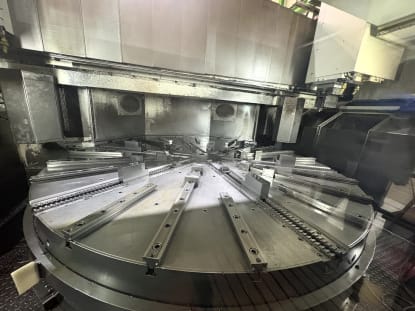
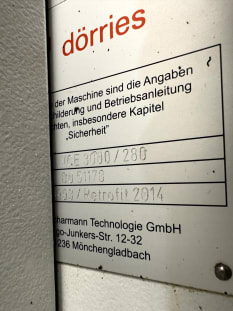
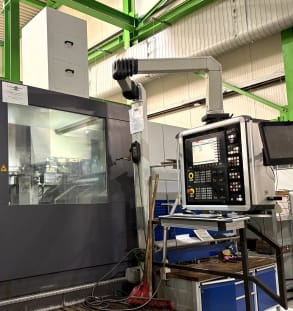
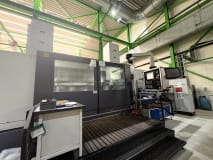
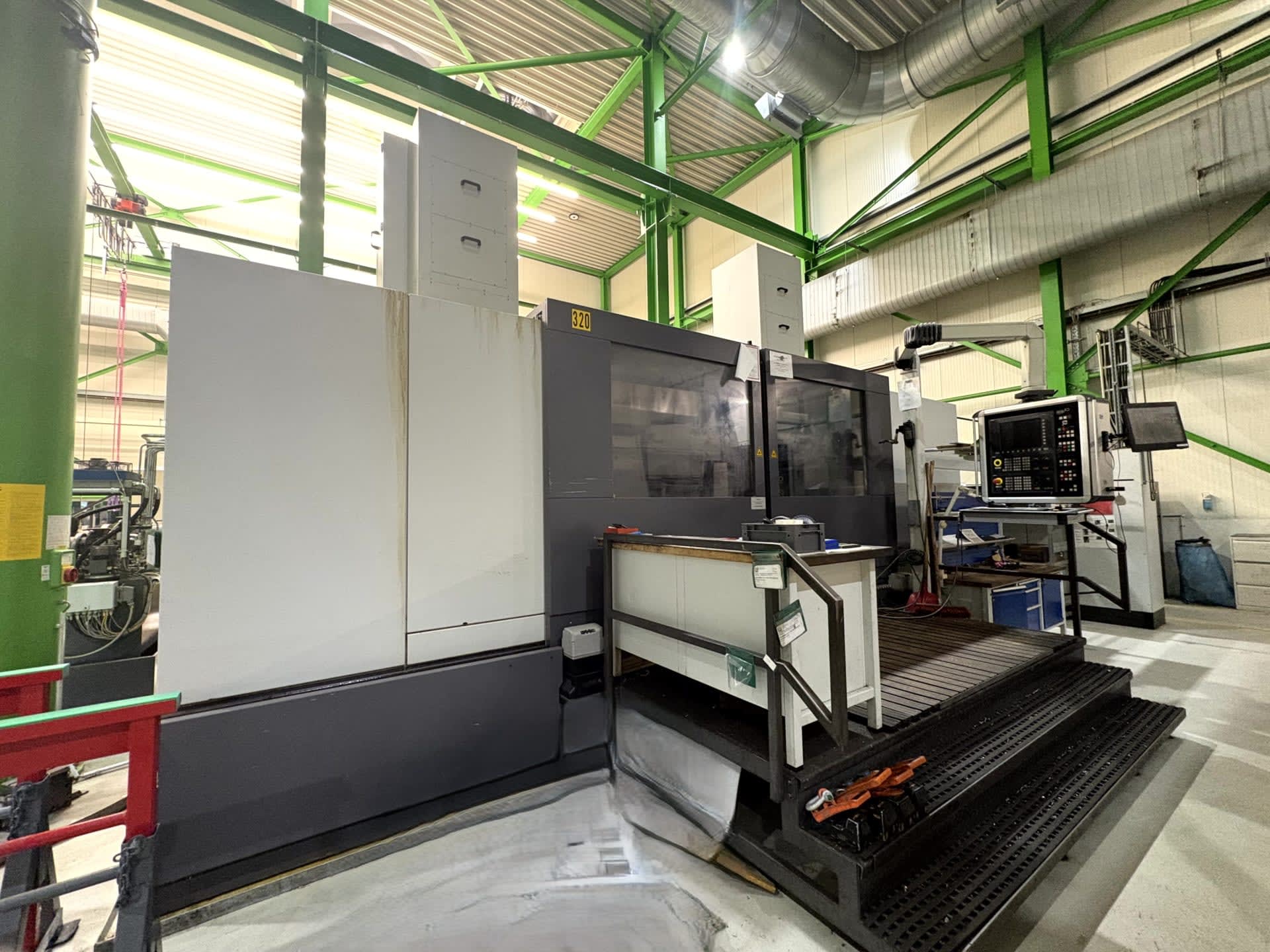
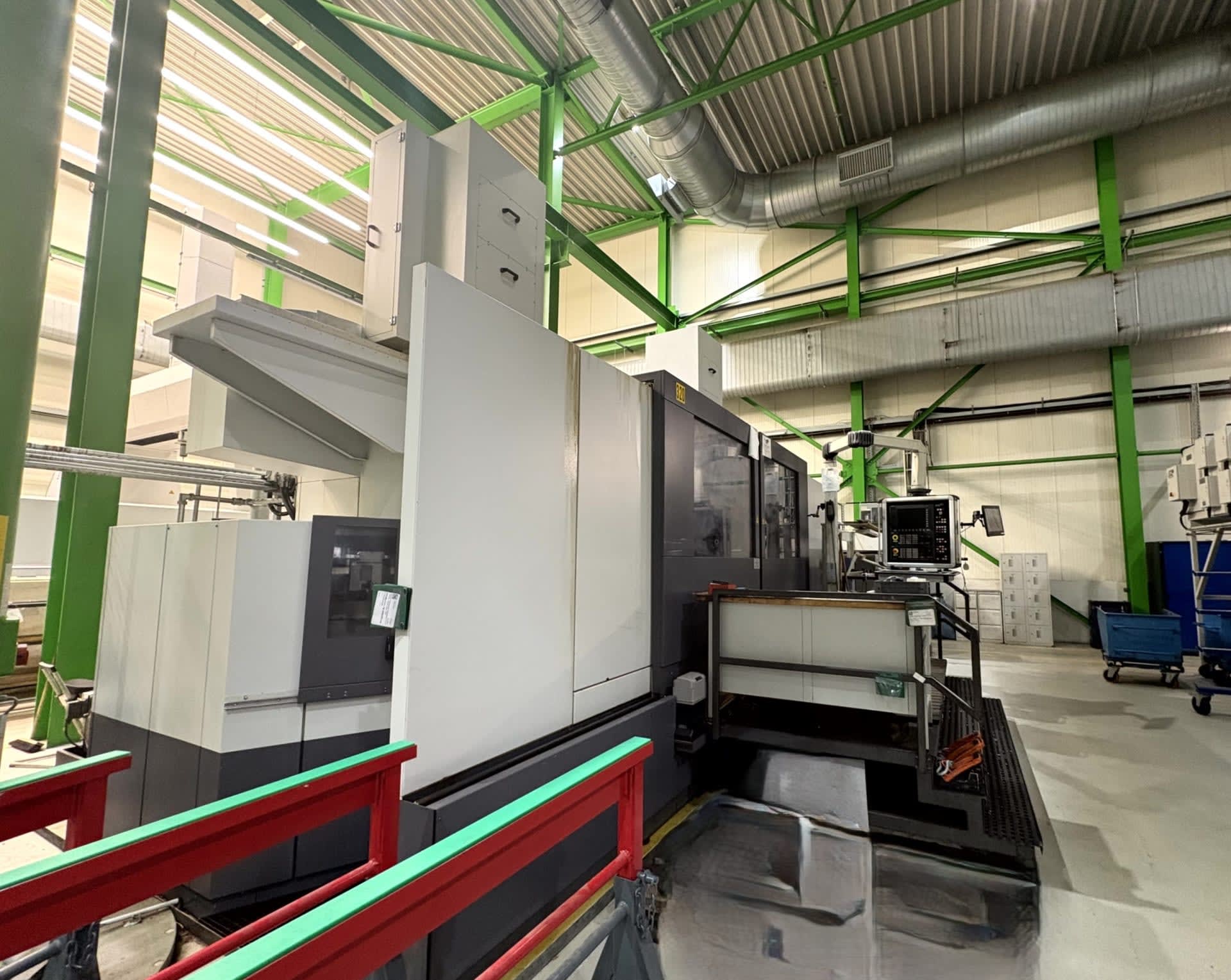
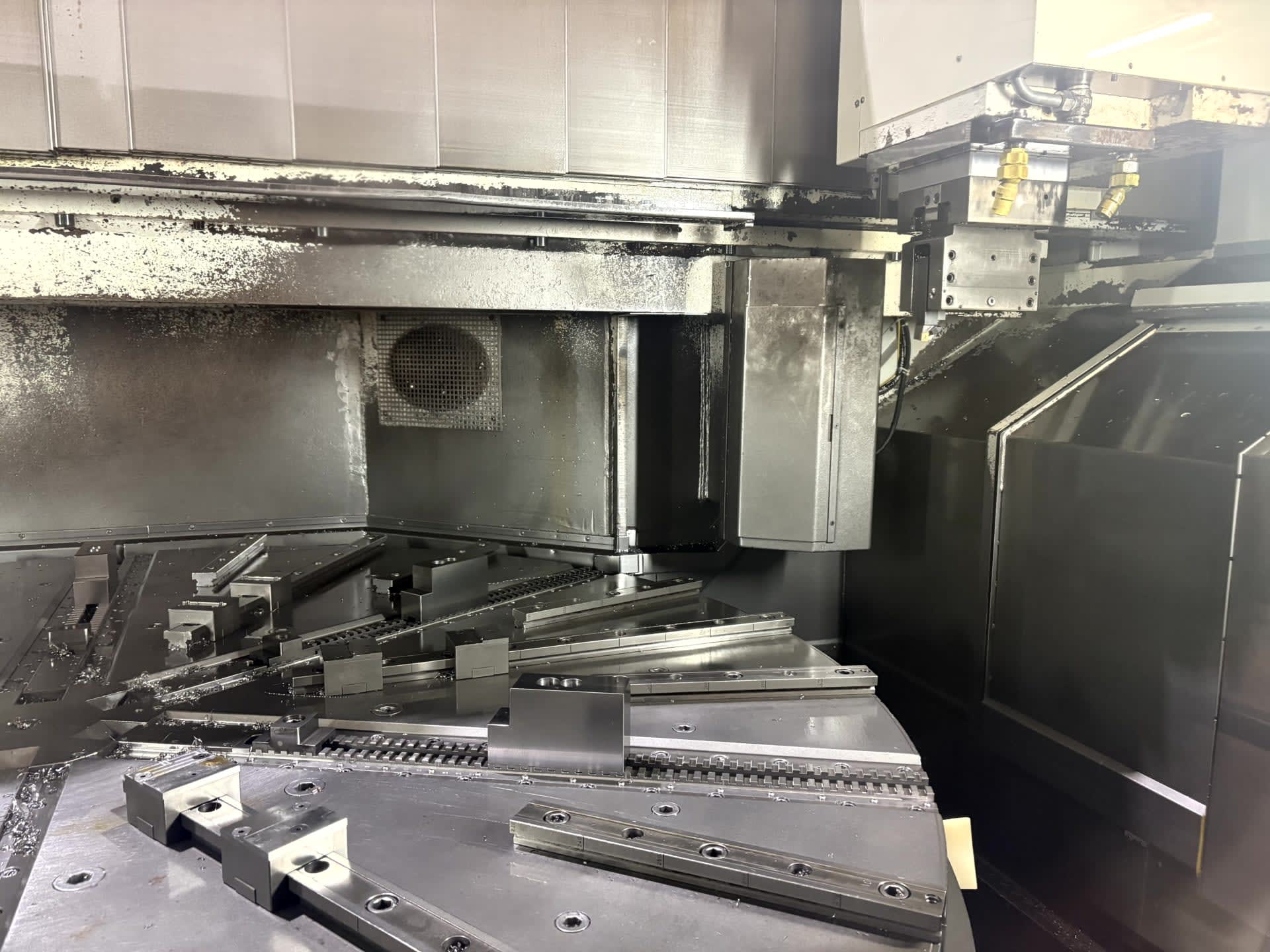
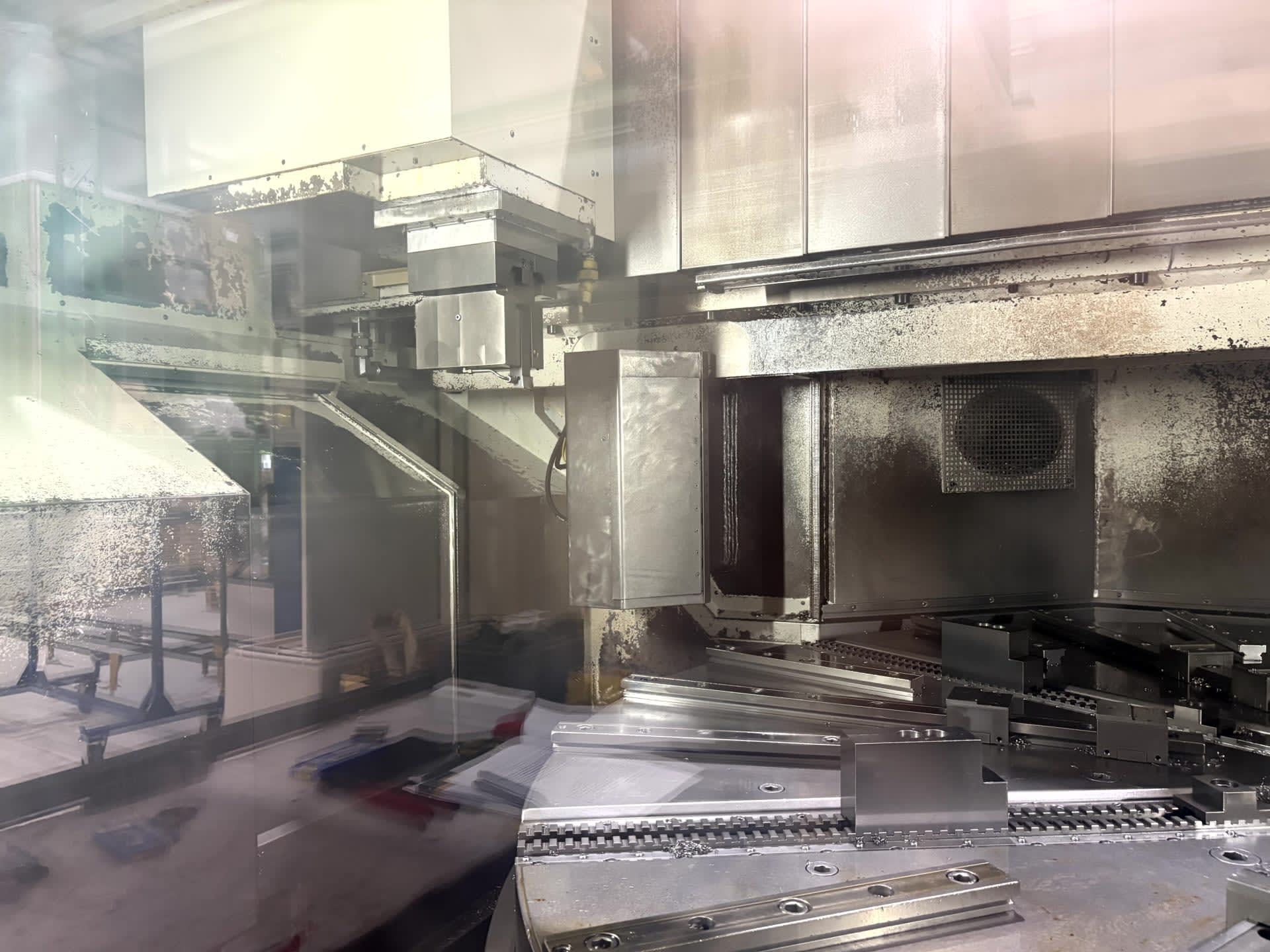
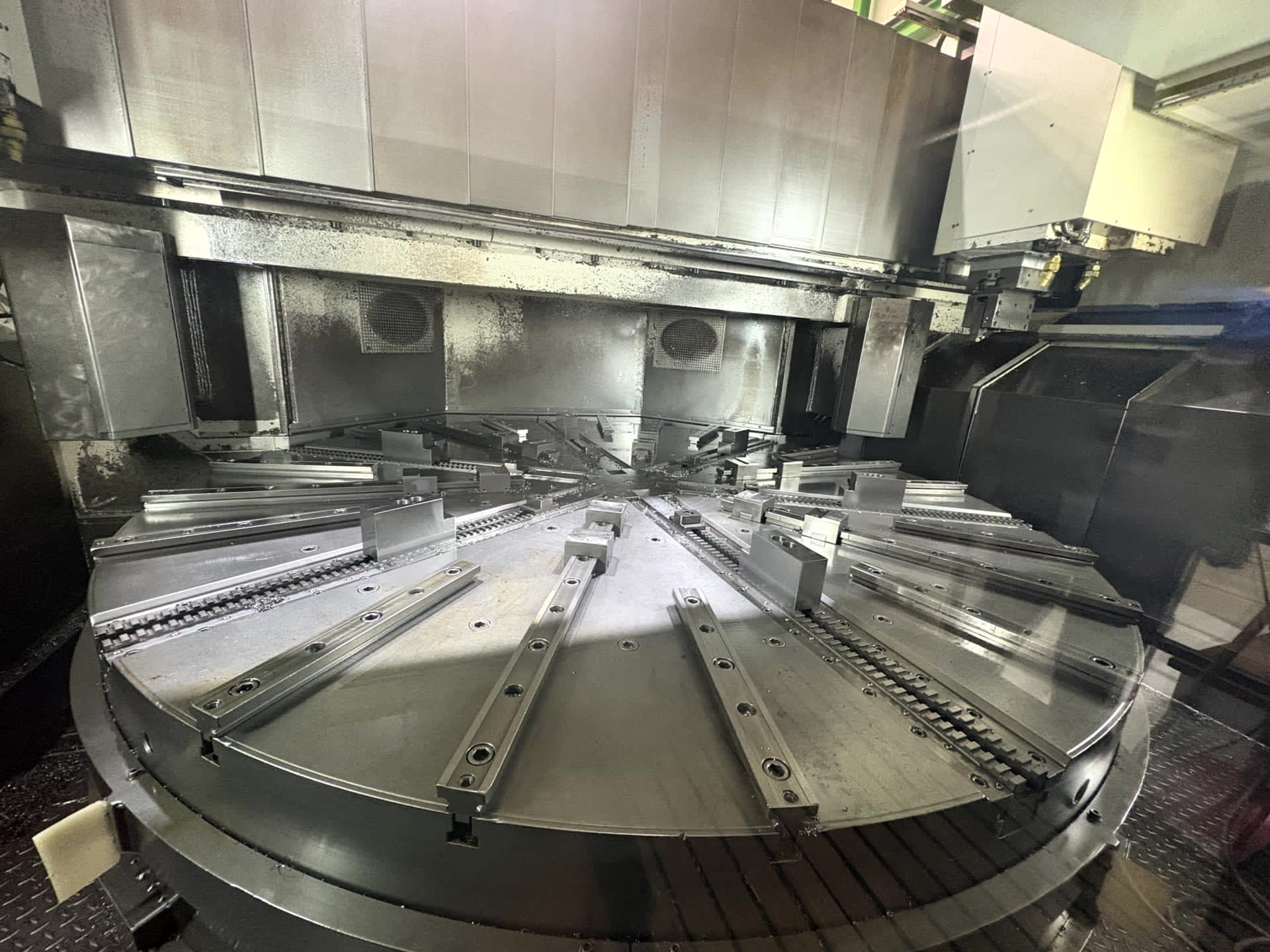
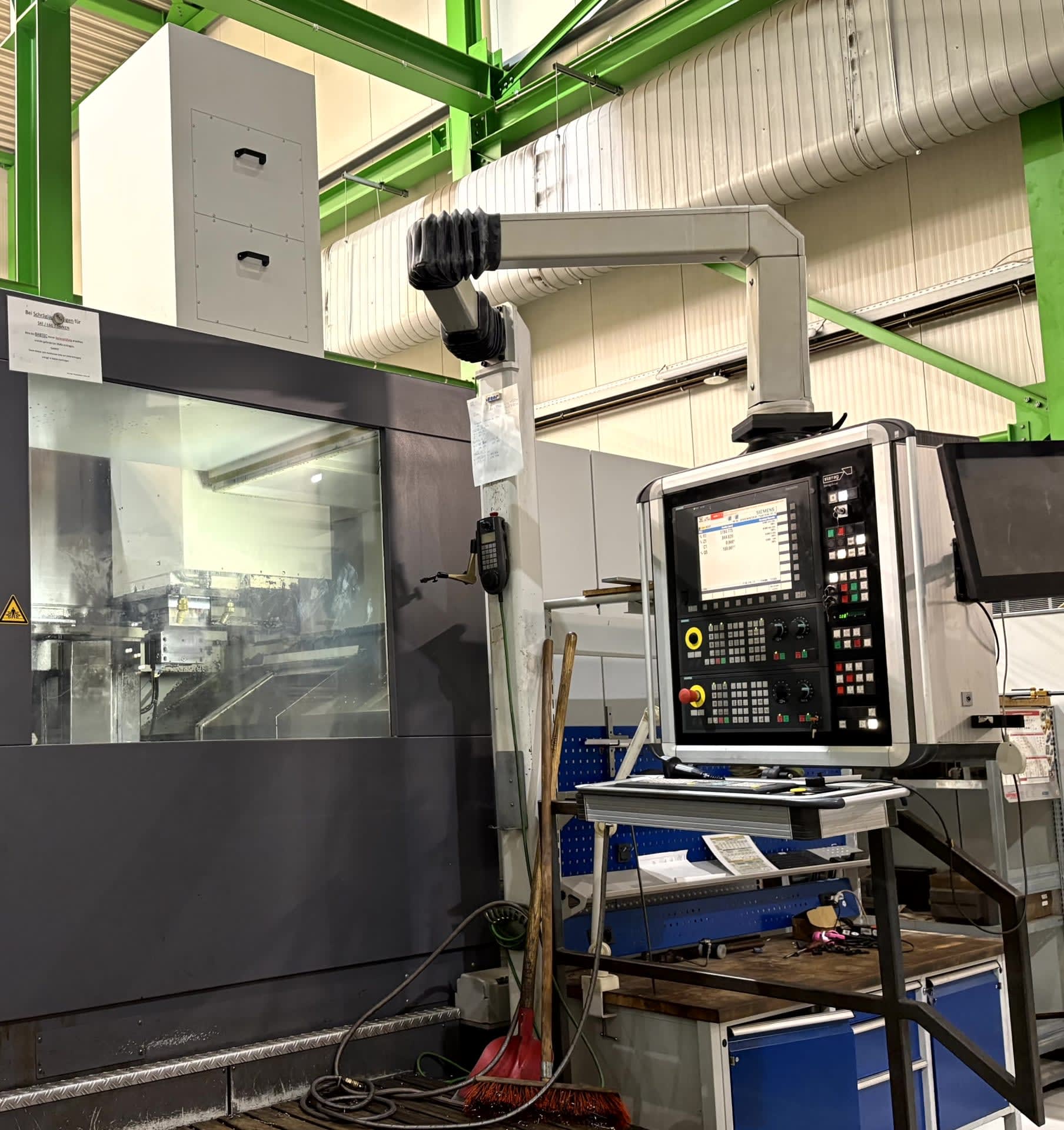
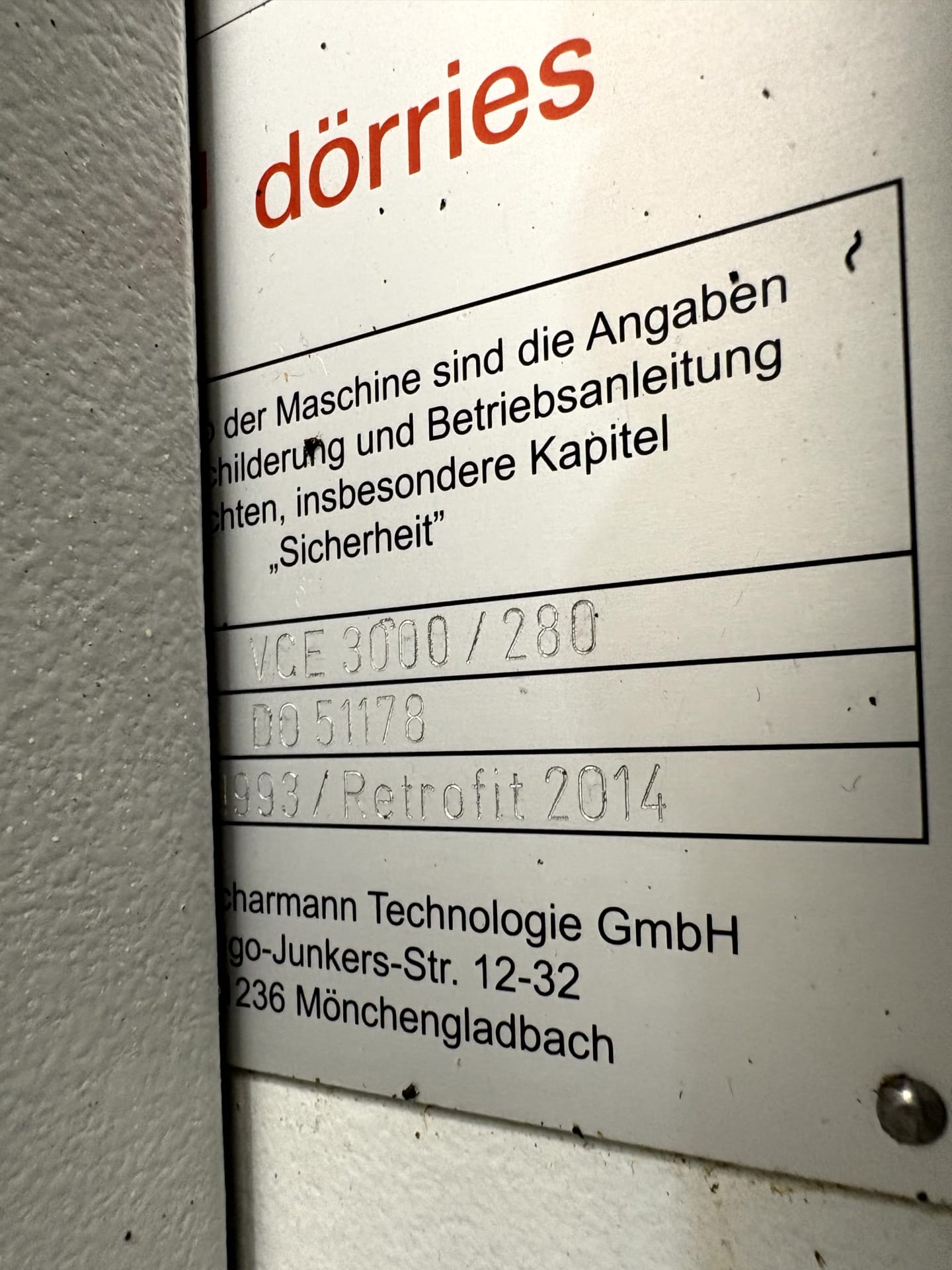
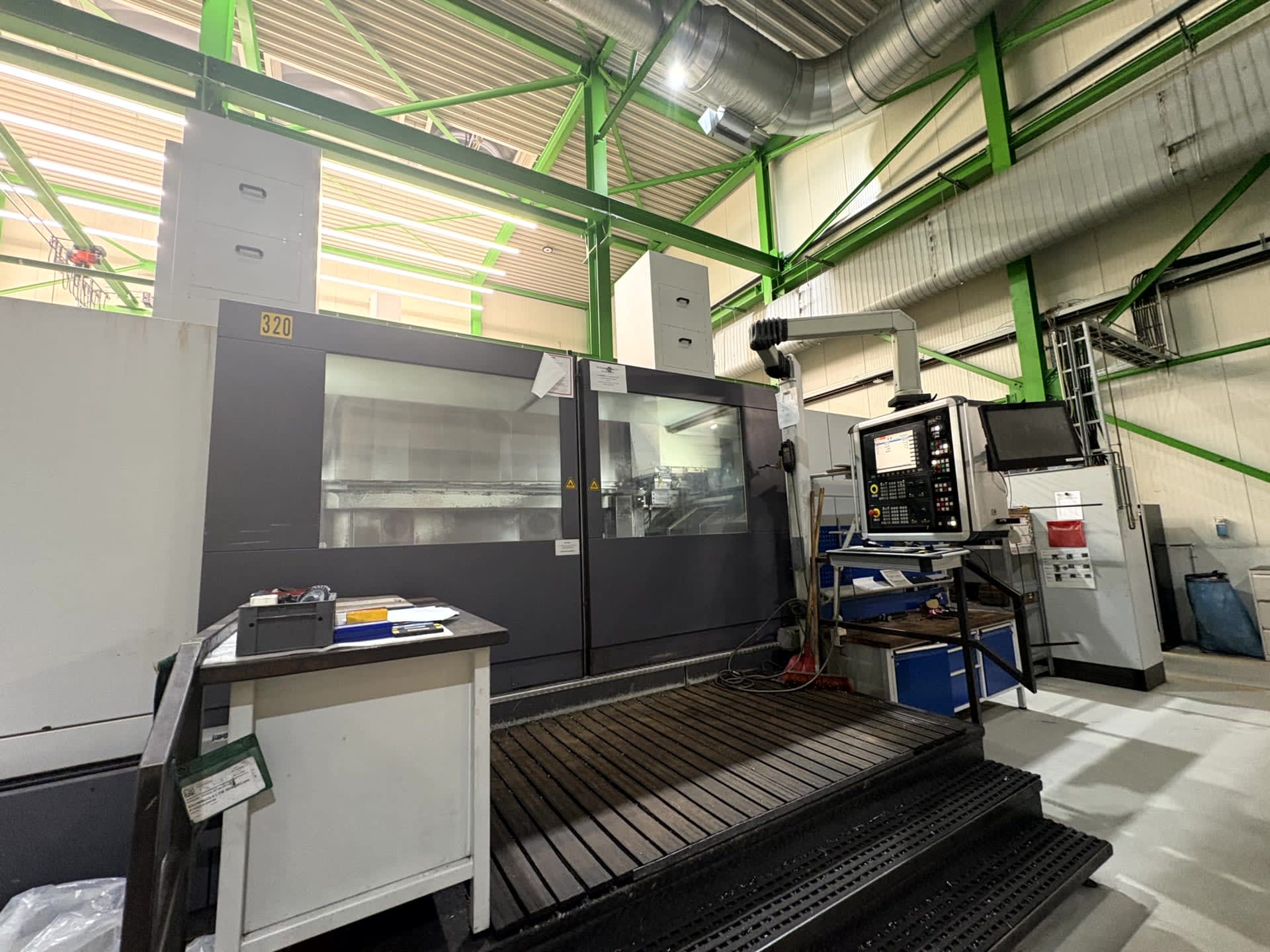
DÖRRIES SCHARMANN VCE 3000 / 280 CNC Vertical Lathe
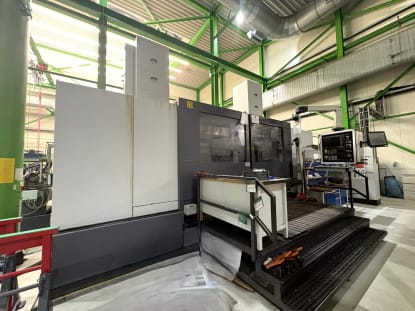
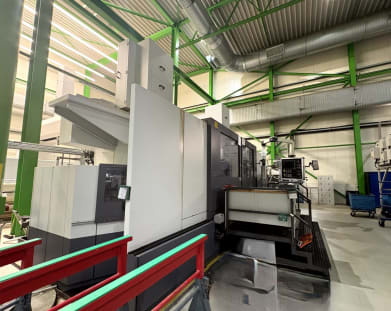
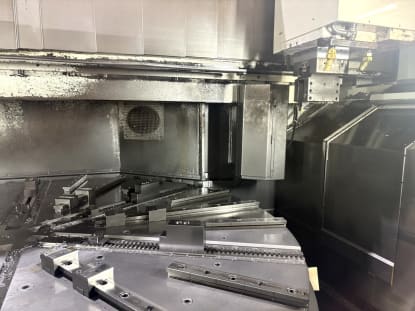
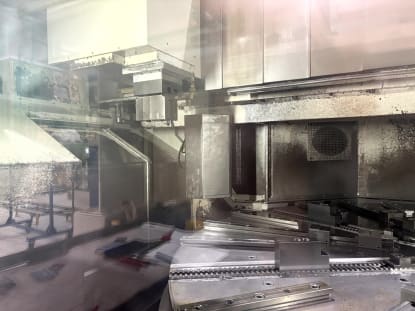
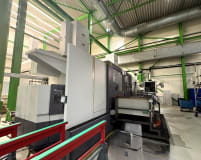
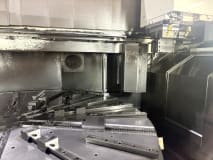
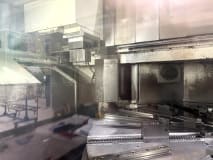
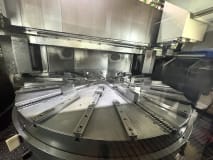
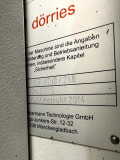
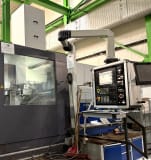
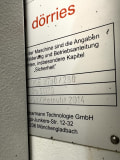
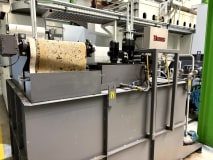
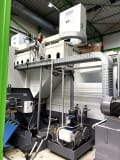
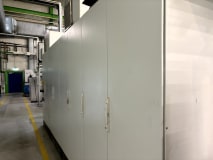
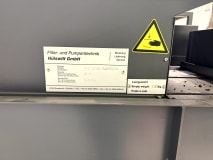
- Storage Number
- 26019-873
- Machine type
- Vertical Lathes
- Manufacturer
- DÖRRIES SCHARMANN
- Type
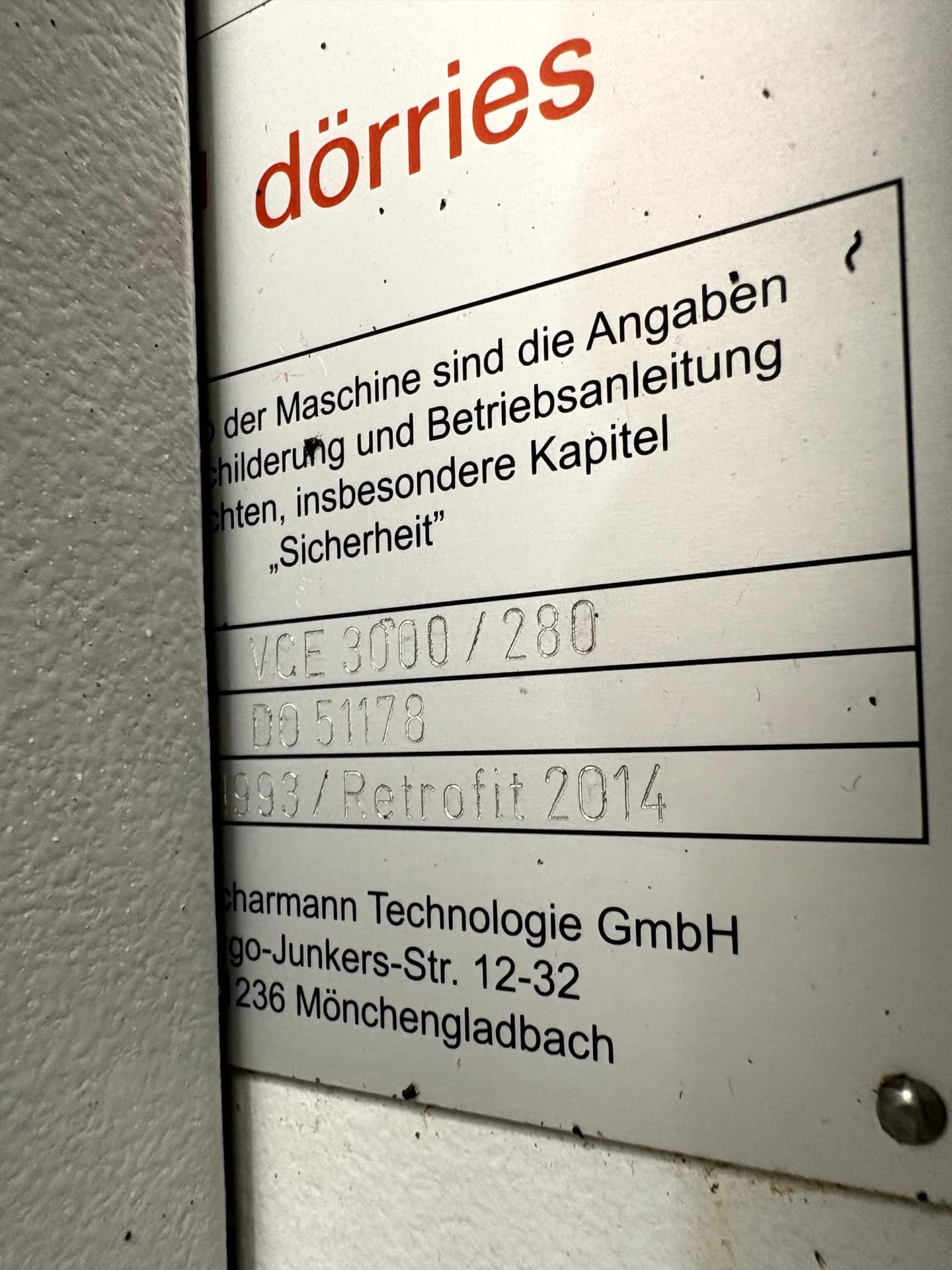
- VCE 3000 / 280
- Year of construction
- 2014
- Location
- Langenfeld, Germany
- Availability
- by arrangement
- Documents
- Price
- On Request
- Component weight max.
- 25,000 kg
- Control
- Siemens SINUMERIK 840D SL
- Dimensions (LxWxH) approx.
- 10000 x 10000 x 6000 mm
- Rotation height max.
- 2,100 mm
- Swing
- 3,000 mm
- Table diameter
- 2,800 mm
- Weight approx.
- 60,000 kg
DÖRRIES SCHARMANN VCE 3000 / 280 CNC Vertikaldrehmaschine
Modernisierung: im Rahmen des Retrofits im Jahr 2014 auf Siemens SINUMERIK 840D SLArbeitsbereich
Tischdurchmesser: 2.800 mm
Max. Umlaufdurchmesser / Drehdurchmesser: 3.000 mm
Max. Tischbelastung: 25.000 kg
Max. Drehhöhe: ca. 2.100 mm
Verfahrweg X-Achse: ±1.550 mm
Verfahrweg Z-Achse / RAM-Hub: 1.500 mmHauptantrieb und Spindeln
Hauptantrieb: Siemens-Hauptmotor
Antriebsleistung: 130 kW
Max. Spindeldrehzahl: 4.500 min⁻¹
Betriebsart: S6, 40 %Ausstattung: 2 vertikale Spindeln
Werkzeugwechsler und Peripherie
o 2 automatische Werkzeugwechsler
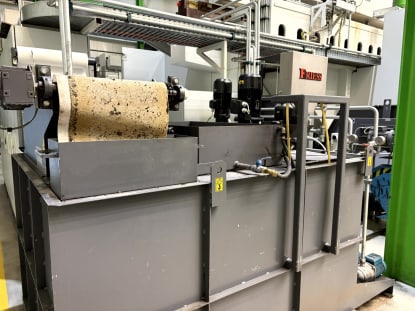
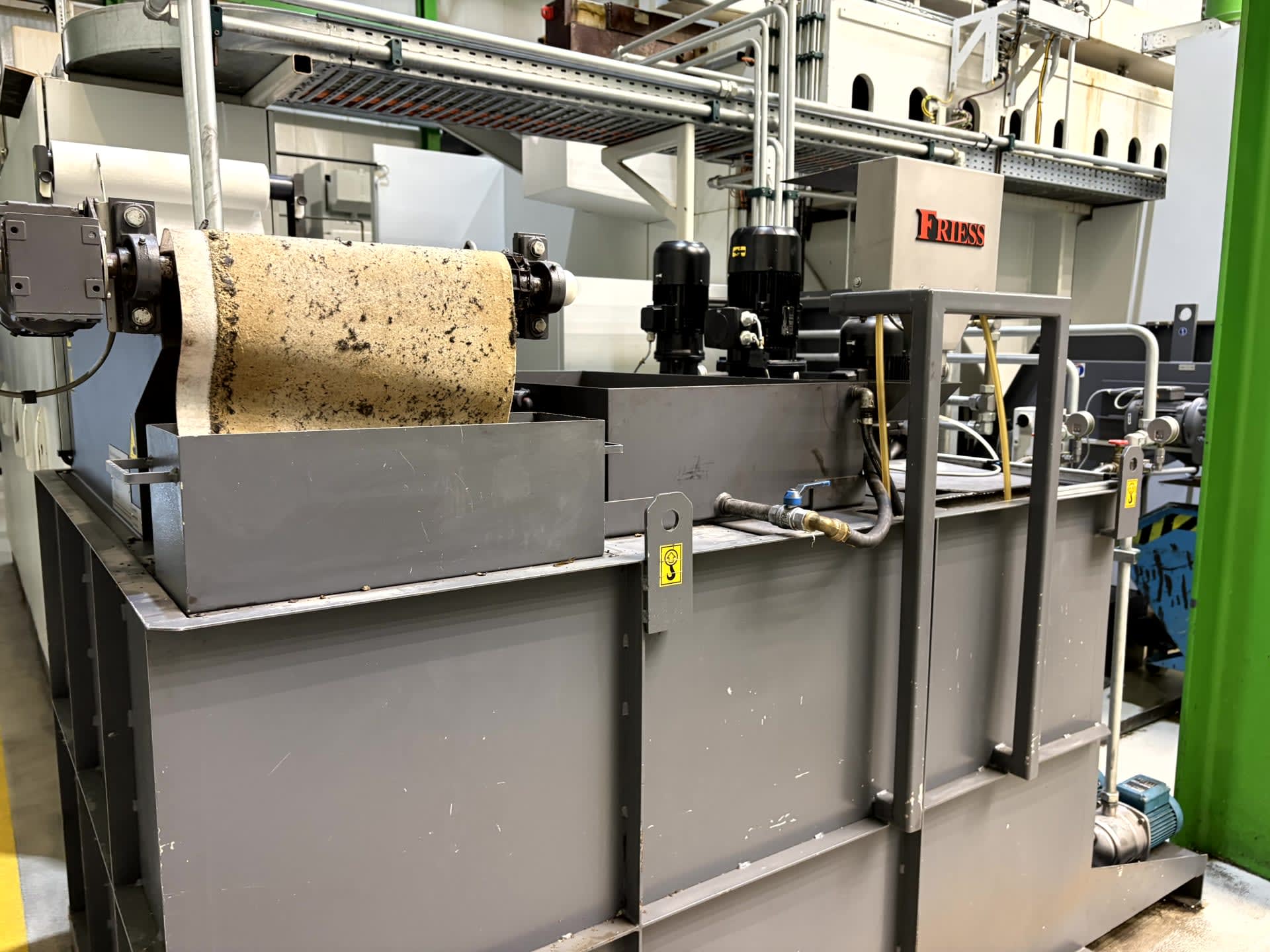
o Kühlschmierstoffanlage
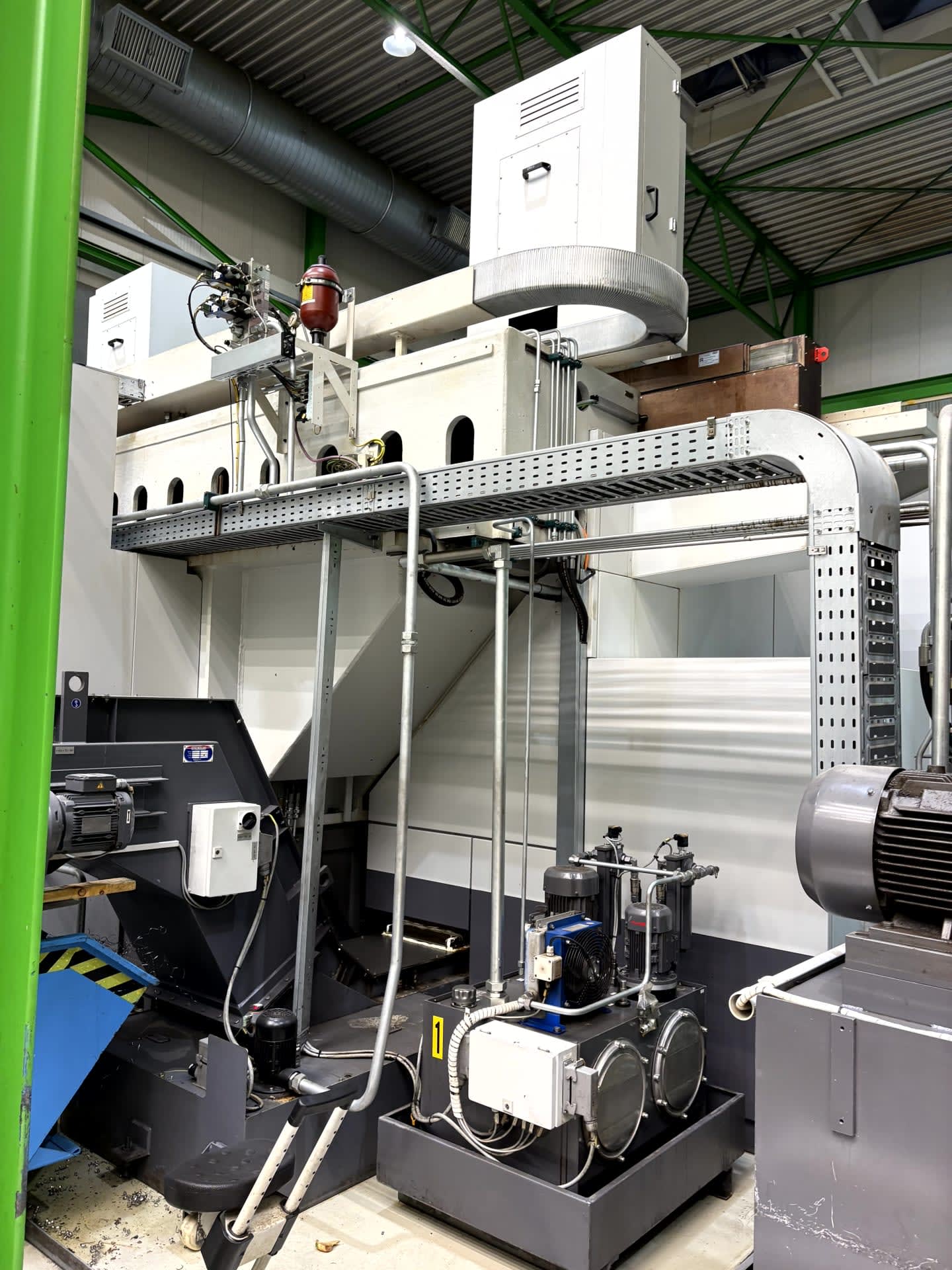
o Späneförderer
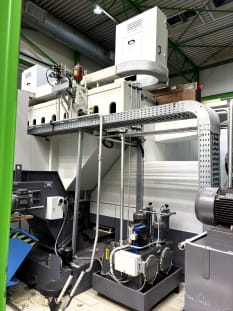
o Ölnebelabsaugung
o 2 separate Hydraulikaggregate
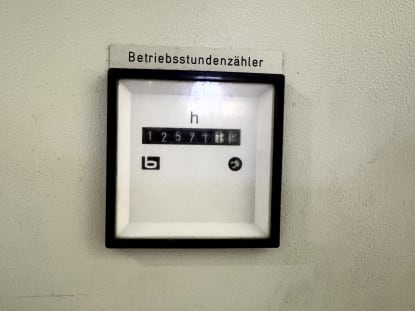
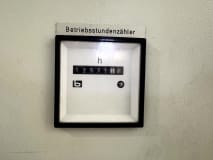
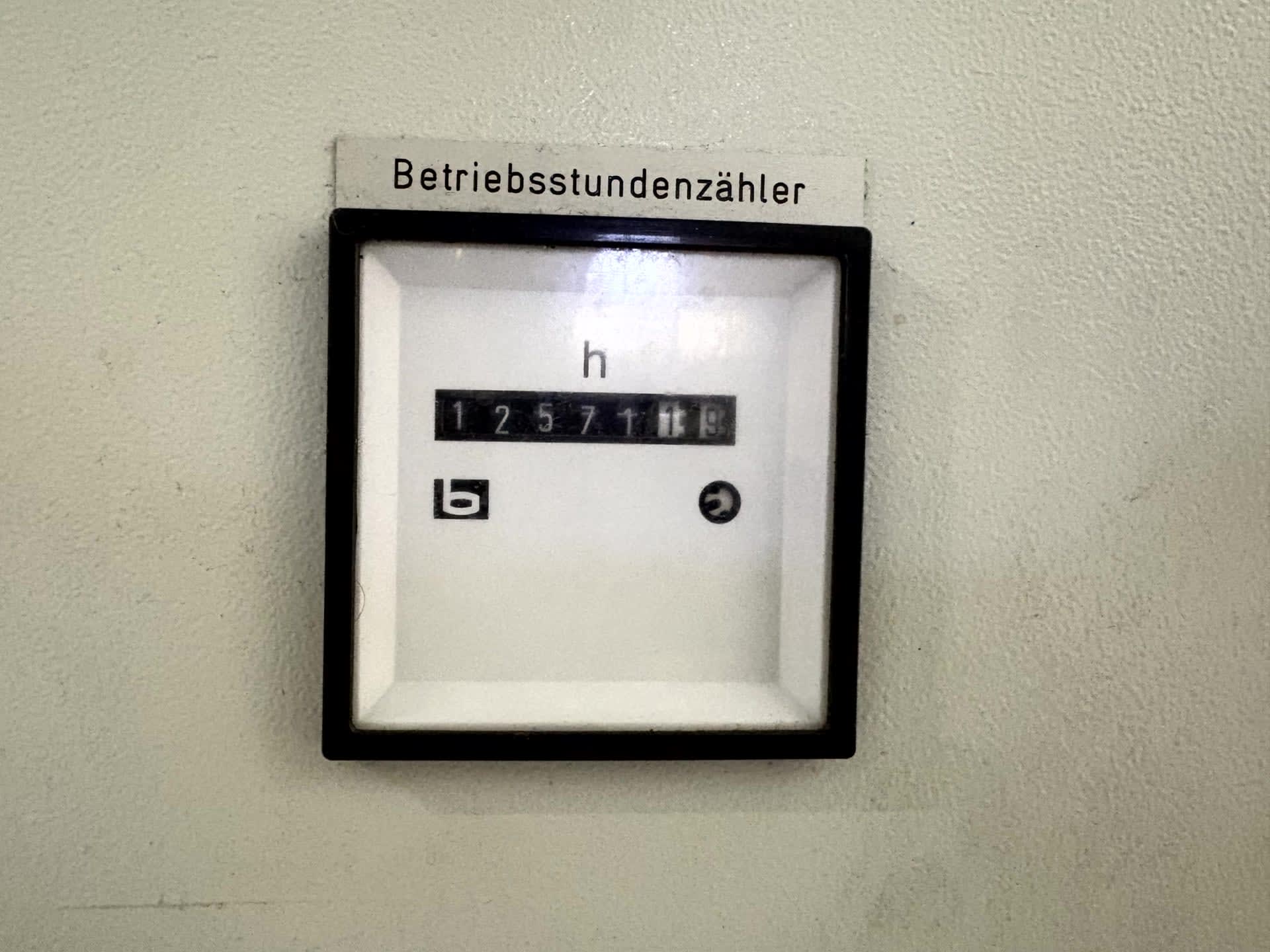
Betriebsstunden: ca. 12.571 Stunden laut mechanischem Betriebsstundenzähler
- Transportation costs
- not included
- Terms of delivery
- EXW EX Works
- Terms of payment
- 100% prepayment before pick-up
The price of a used lathe depends on the machine type, swing diameter and distance between centres, control, year of manufacture, operating hours, included accessories such as chucks, steady rests or a bar feeder, and its condition. Transportation costs are not included in the machine price; terms of delivery and payment are stated under "Additional information" in each listing. You should also budget for installation and commissioning at the new site. In most cases, the buyer is responsible for organizing the transport; upon request, ReMach can check whether transport can be arranged or supported. ReMach also helps with dismantling, loading and export paperwork.
Three dimensions decide first: the largest workpiece diameter must be smaller than the swing diameter, the workpiece length must fit within the distance between centres, and for bar work the bar capacity stated in the listing must be at least the bar diameter. For hard materials and heavy cuts, the spindle also needs sufficient power and torque.
Yes, a turn-mill centre can mill, drill and cut slots in the same set-up as turning. Driven tools do the milling, the C-axis positions the workpiece, and a Y-axis allows machining off the centre line. A lathe without driven tools can only mill with an add-on attachment, with limited rigidity and output.
The difference lies in how the machine is controlled and which parts it suits. A cycle-controlled lathe is operated manually with stored cycles and teach-in, ideal for single parts and small batches, while a CNC lathe runs fully under program control for series production. A turn-mill centre adds driven tools and a C-axis, often a Y-axis, so turning, milling and drilling happen in one set-up. A vertical lathe holds the workpiece on a rotating table and suits heavy, large-diameter, low-height parts such as rings, flanges and discs.
A lathe is a machine tool for rotationally symmetrical parts: the workpiece rotates while the cutting tool moves along or across its axis. It is used for external and internal turning, facing, thread cutting, and drilling or boring on the axis. Typical parts are shafts, bushes, flanges, rings and threaded components.

Our Services
- Inspection & report
- Disassembly & installation
- Global logistics
- Customs & paperwork
- Sourcing & valuation
- Personal consultation
Related items
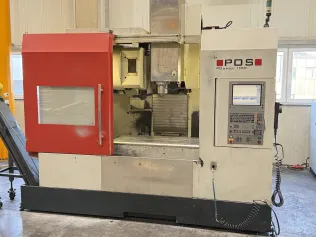
1. Used Vertical Lathes and Vertical Turret Lathes (VTL)
A vertical lathe, or vertical turret lathe (VTL), clamps the workpiece on a horizontal rotating table with a vertical spindle axis. The weight of the part rests on the table instead of hanging from a chuck, so large and heavy workpieces stay stable under heavy cuts. This makes the vertical lathe the standard machine for large-diameter, low-height parts:
Large rings, flanges and slewing rings
Gear blanks, wheels and discs
Large pump, valve and housing components
ReMach lists second hand vertical lathes from German industry, with technical data, photos and available documents on every machine page.
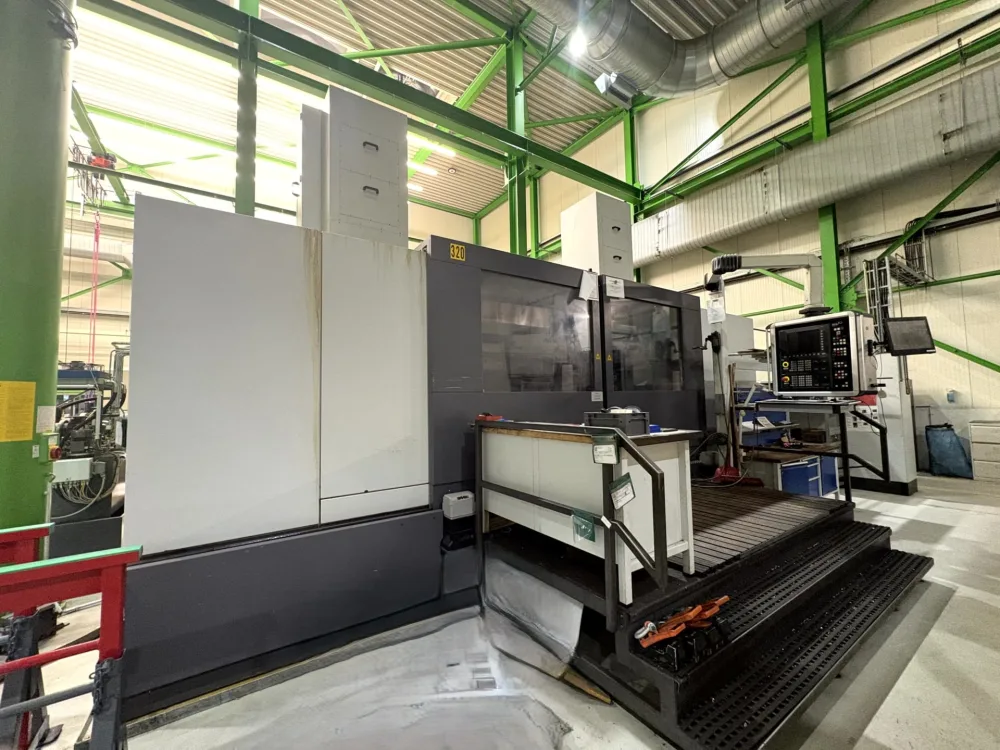
>>> Browse the vertical lathes below or send us an enquiry for the machine you need.
2. Single Column, Double Column and CNC Vertical Turning Centres
The three designs differ in how the cross rail carrying the tool heads is supported and in what they can machine. Choose by workpiece diameter and weight, and by whether milling and drilling should happen on the same machine.
Single Column Vertical Lathes
Cross rail mounted on one column, one side of the machine open
Easy crane loading and a smaller footprint
Suited to small and medium table diameters
Double Column Vertical Lathes (Portal Design)
Cross rail supported on two columns for high rigidity
Suited to very large diameters and heavy table loads
Often equipped with two tool heads
CNC Vertical Turning Centres
Vertical lathes with driven tools, C-axis and automatic tool changer
Turning, drilling, milling and grooving in one set-up
Example: Pittler WMZ PV 4000, portal design, swivelling B-axis head with driven tools, 94 tool positions
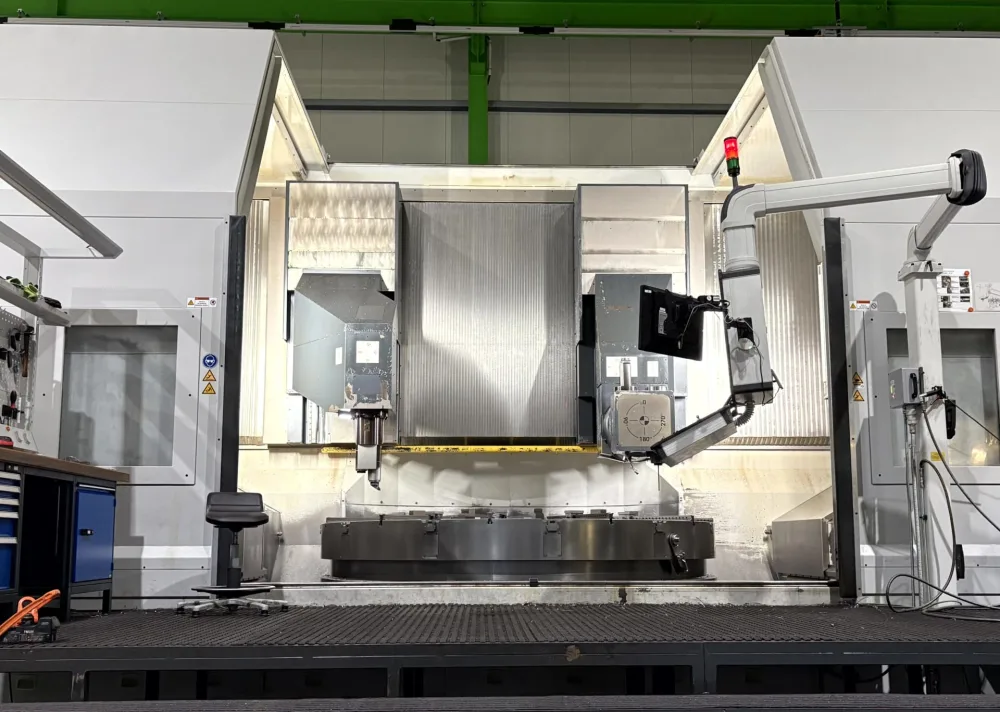
3. Key Specifications When Buying a Used Vertical Lathe
A few specifications decide whether a vertical lathe can machine your part. All of them are listed on ReMach machine pages.
Working Range
Table diameter and maximum swing: the swing is equal to or larger than the table and defines the largest part that can rotate on the machine
Maximum turning height: the tallest part that fits under the cross rail
Maximum table load: the heaviest part the table carries, including fixtures
Control and Equipment
CNC control: for example Siemens SINUMERIK 840D sl; on retrofitted machines, check the retrofit year
Tool heads, tool magazine, driven tools and C-axis: they decide whether the machine only turns or also mills
Operating hours: a clearer indicator of wear than the year of manufacture
Two machines currently listed:
Specification | ||
Table diameter | 2,800 mm | 3,800 mm |
Maximum swing | 3,000 mm | 3,800 mm |
Maximum turning height | 2,100 mm | 2,100 mm |
Maximum table load | 25,000 kg | 35,000 kg |
Control | SINUMERIK 840D sl (retrofit 2014) | SINUMERIK 840D sl |
4. Installing and Transporting a Large Vertical Lathe
Large vertical lathes weigh tens of tonnes (the VCE 3000/280 approx. 60 t, the PV 4000 approx. 155 t). Plan ahead before buying:
Foundation and hall: large machines need a dedicated concrete foundation to the manufacturer's drawing; check the layout drawing in the listing against floor space, hall height and crane capacity
Dismantling and transport: the machine is dismantled into assemblies and moved by heavy haulage. In most cases, the buyer is responsible for organizing the transport; upon request, ReMach can check whether transport can be arranged or supported
Paperwork: ReMach helps with dismantling and loading, export and customs checks, and export documents
See all other lathe types in our Lathes category.
>>> Contact ReMach about a vertical lathe
5. FAQ: Used Vertical Lathes
What does VTL mean?
VTL stands for vertical turret lathe. Today the term is used for most vertical lathes. In German, the machine is called Vertikaldrehmaschine or Karusselldrehmaschine.
When is a vertical lathe better than a horizontal lathe?
When parts are large in diameter, low in height and heavy. The part rests on the table, so it is easy to load by crane and does not sag under its own weight. Long parts such as shafts still belong on a horizontal lathe.
Single or double column vertical lathe?
A single column machine suits small and medium diameters, with easy loading and a smaller footprint. A double column machine is more rigid, suits very large and heavy parts and often has two tool heads.
Does a large vertical lathe need its own foundation?
Yes. Large machines usually need a dedicated concrete foundation built to the manufacturer's drawing. Check the layout drawing in the listing against your hall before buying.
How is a large vertical lathe transported?
The machine is dismantled into assemblies and moved by heavy haulage. In most cases, the buyer is responsible for organizing the transport; upon request, ReMach can check whether transport can be arranged or supported.