
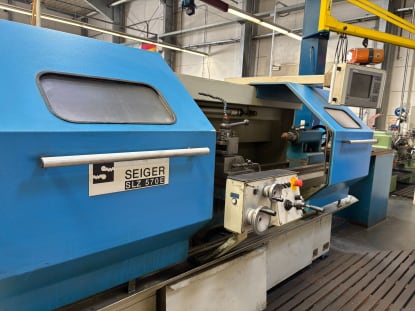
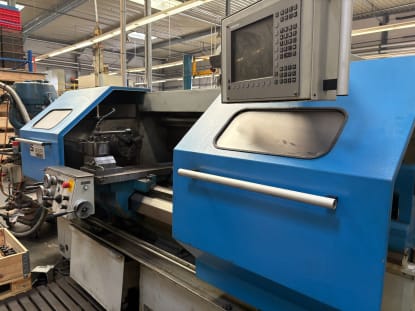
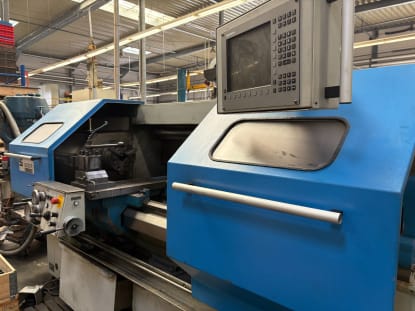
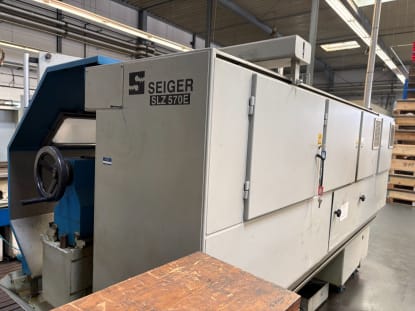
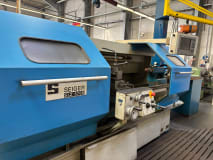
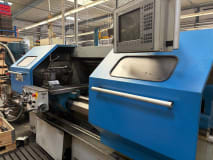
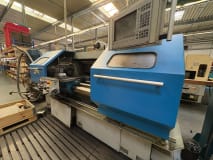
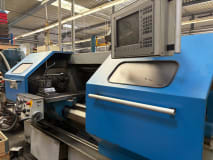
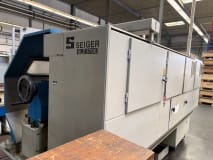
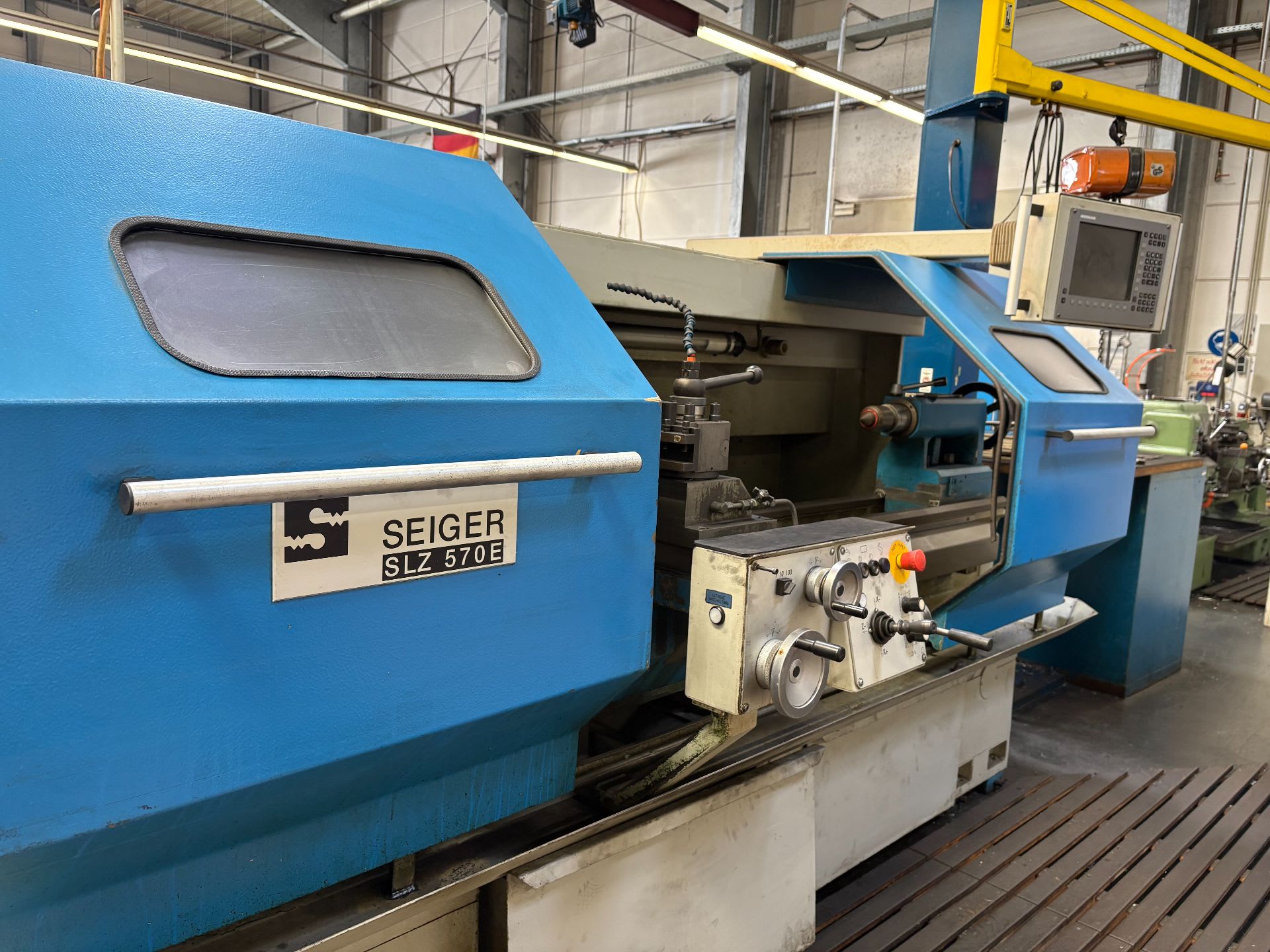
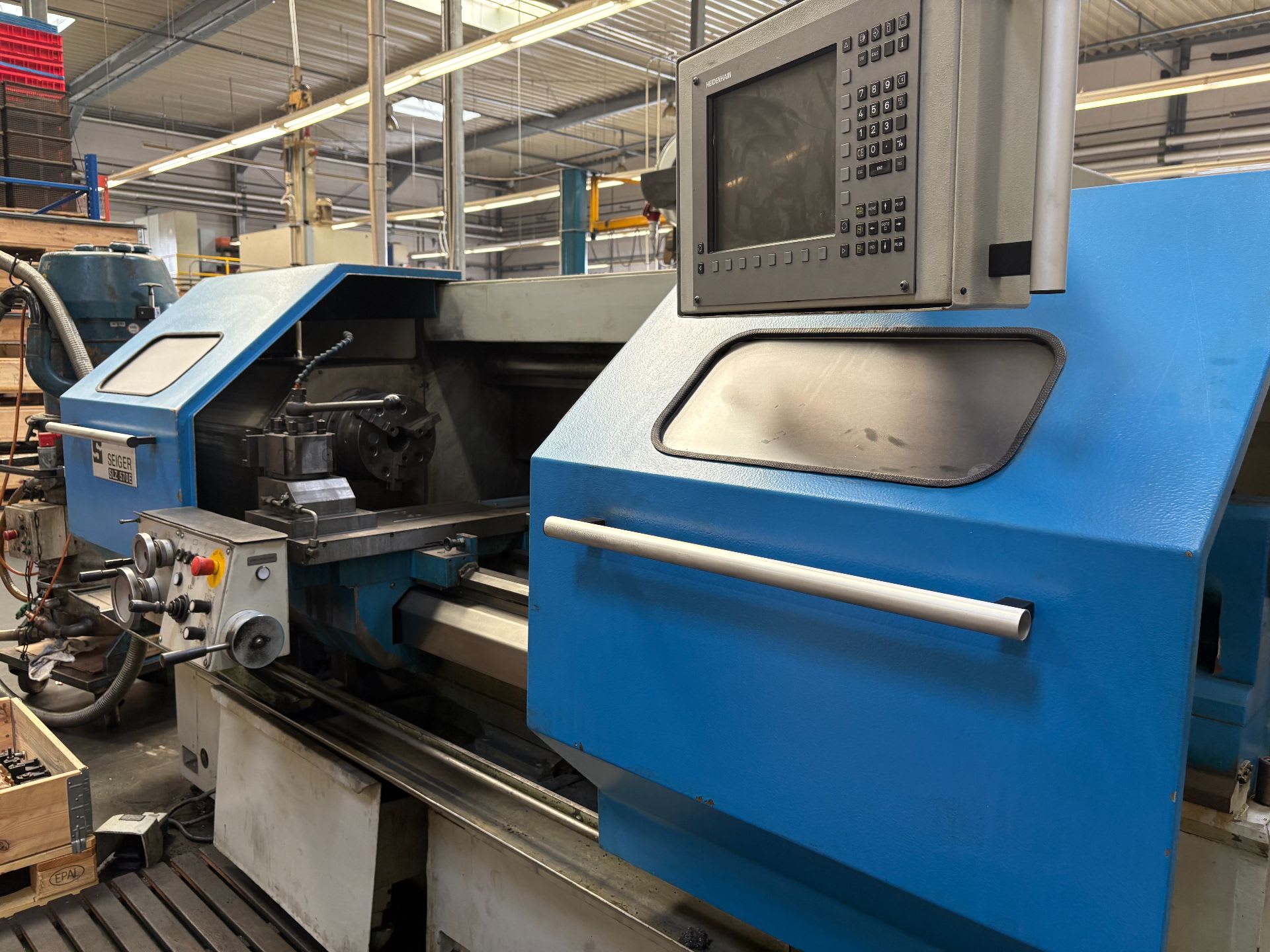
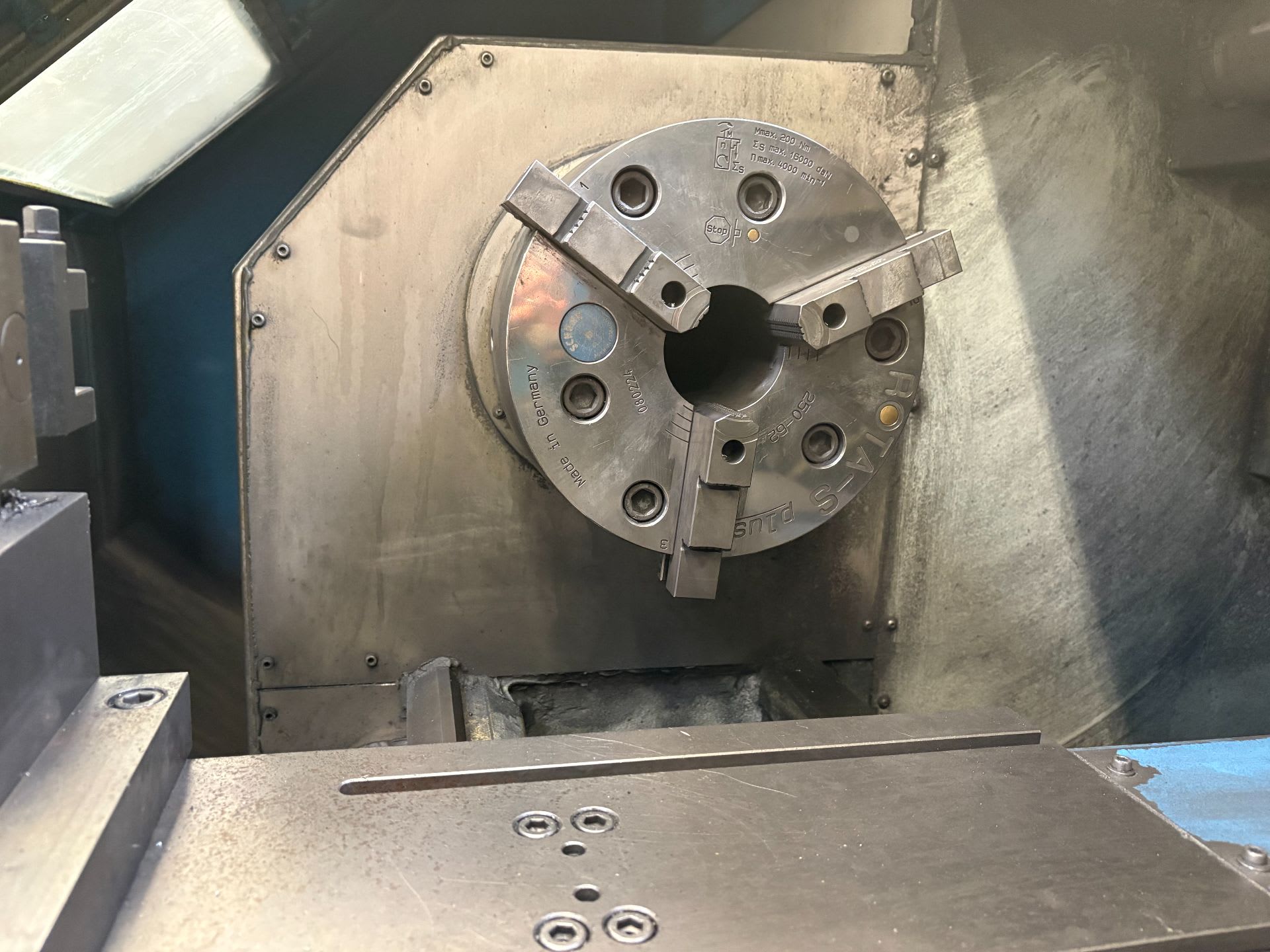
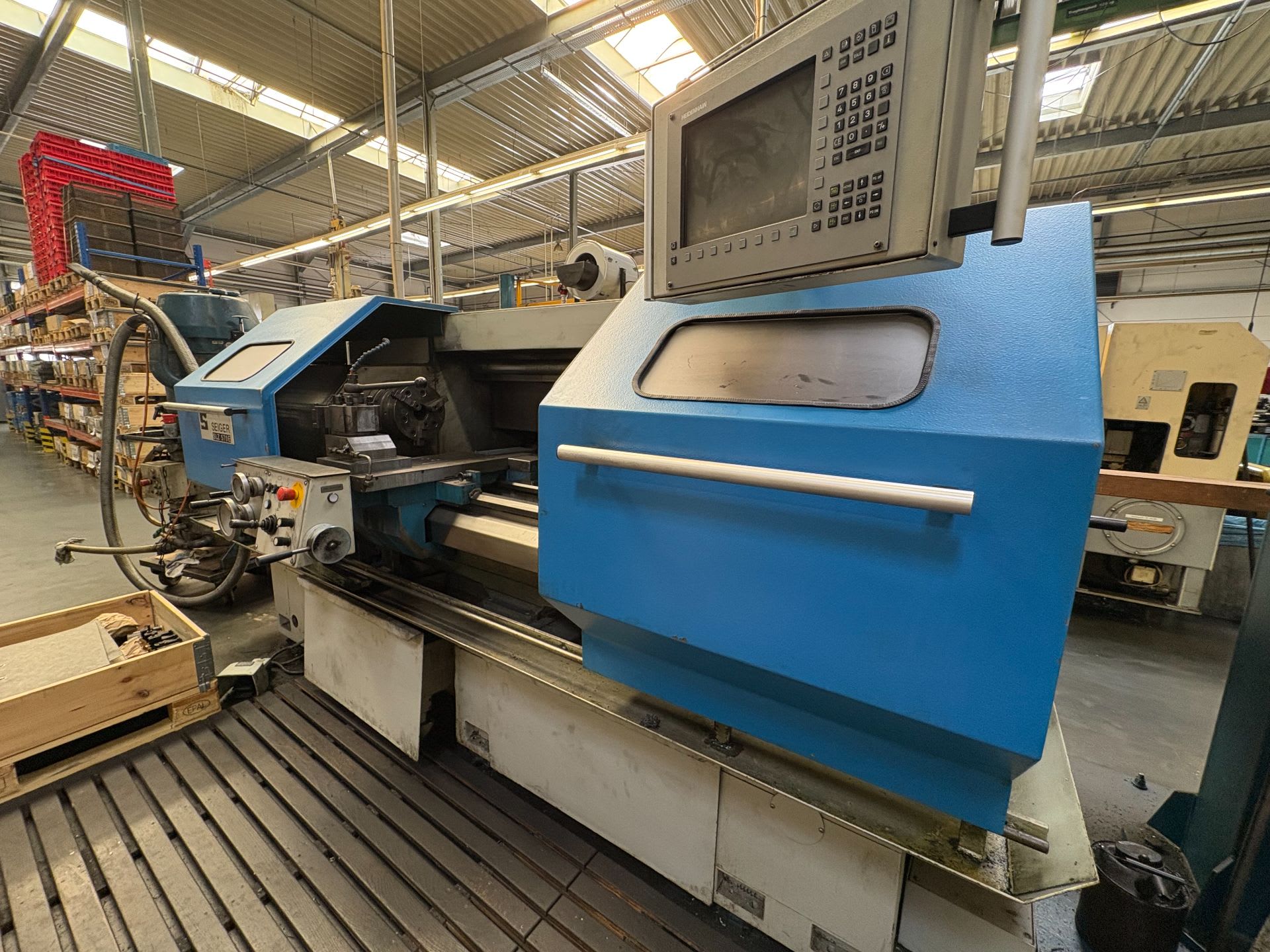
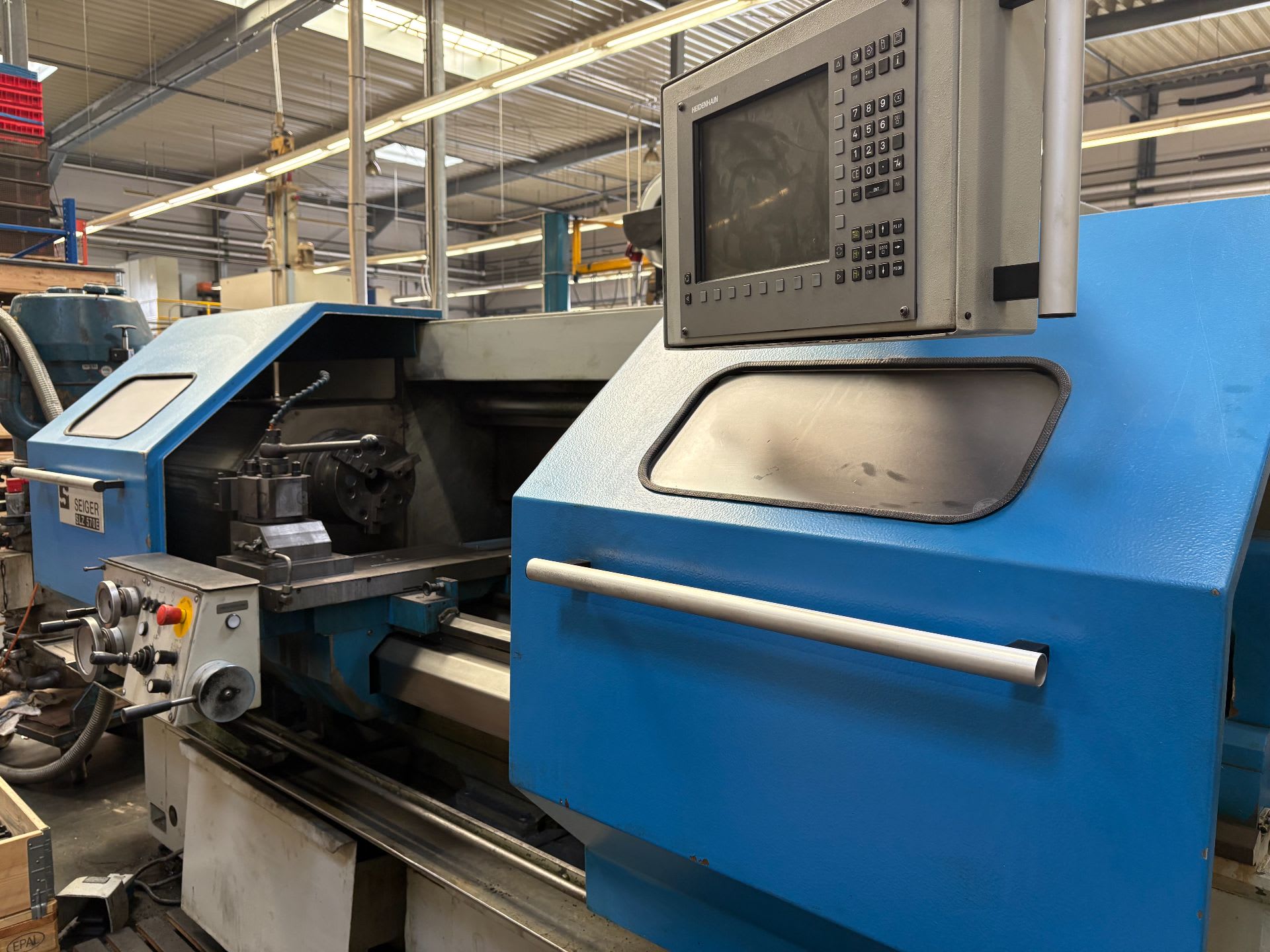
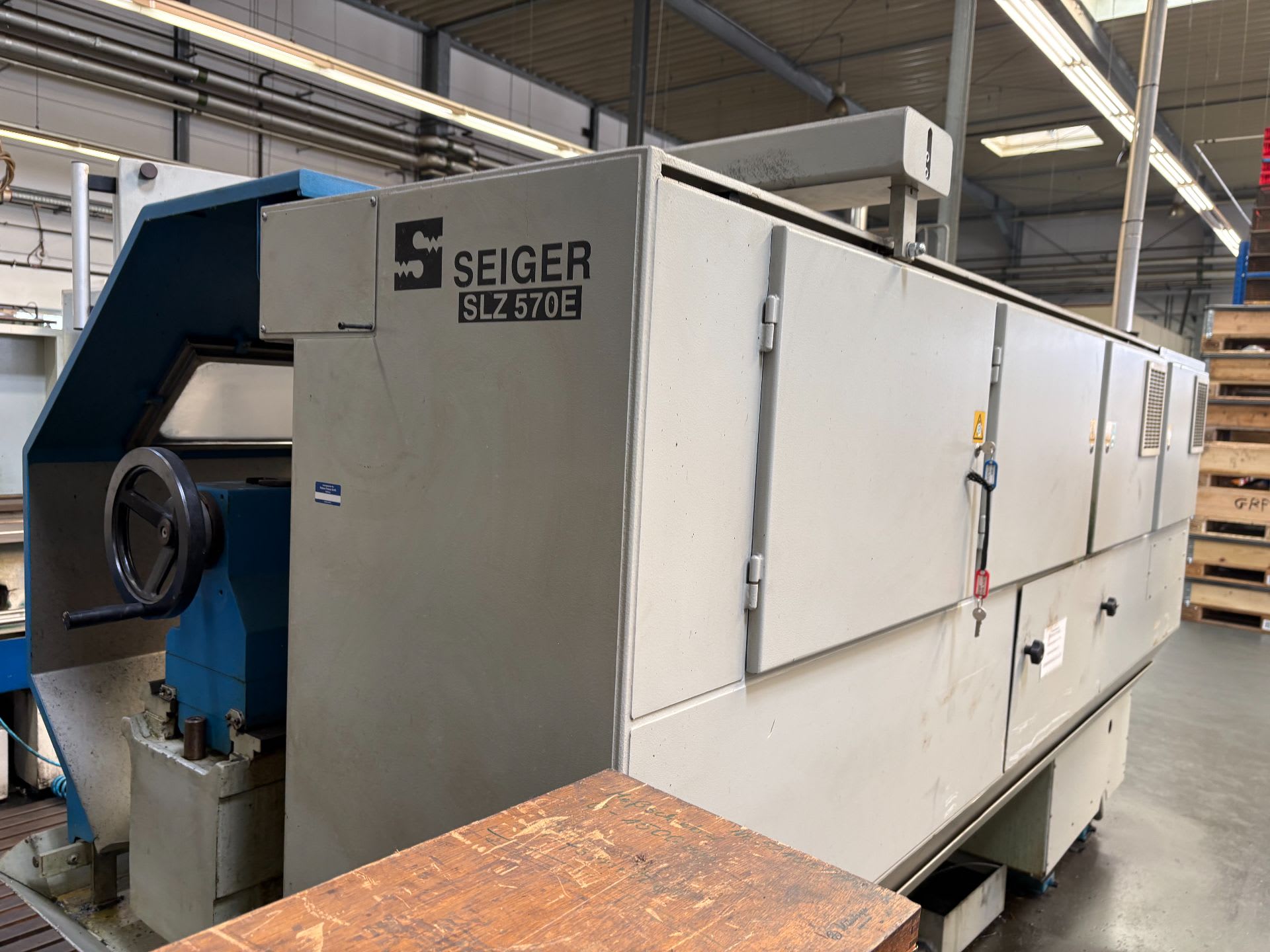
Seiger SLZ-570 E x 1500 Cycle-Heidenhain Controlled Lathe

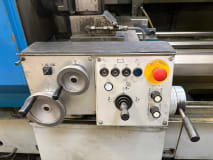
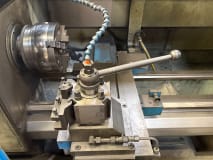
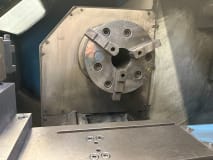
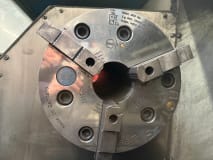
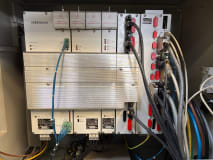
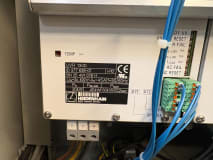
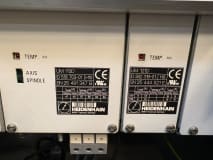
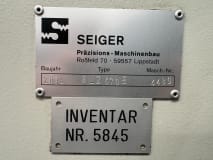
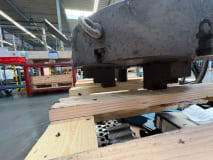
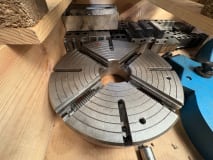
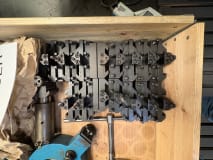
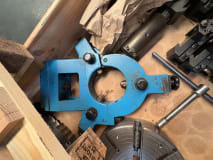
- Storage Number
- 26006-20
- Machine type
- Cycle-Controlled Lathes
- Manufacturer
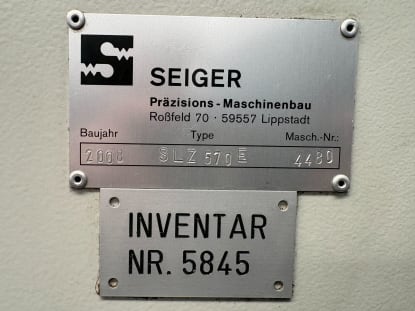
- Seiger
- Type
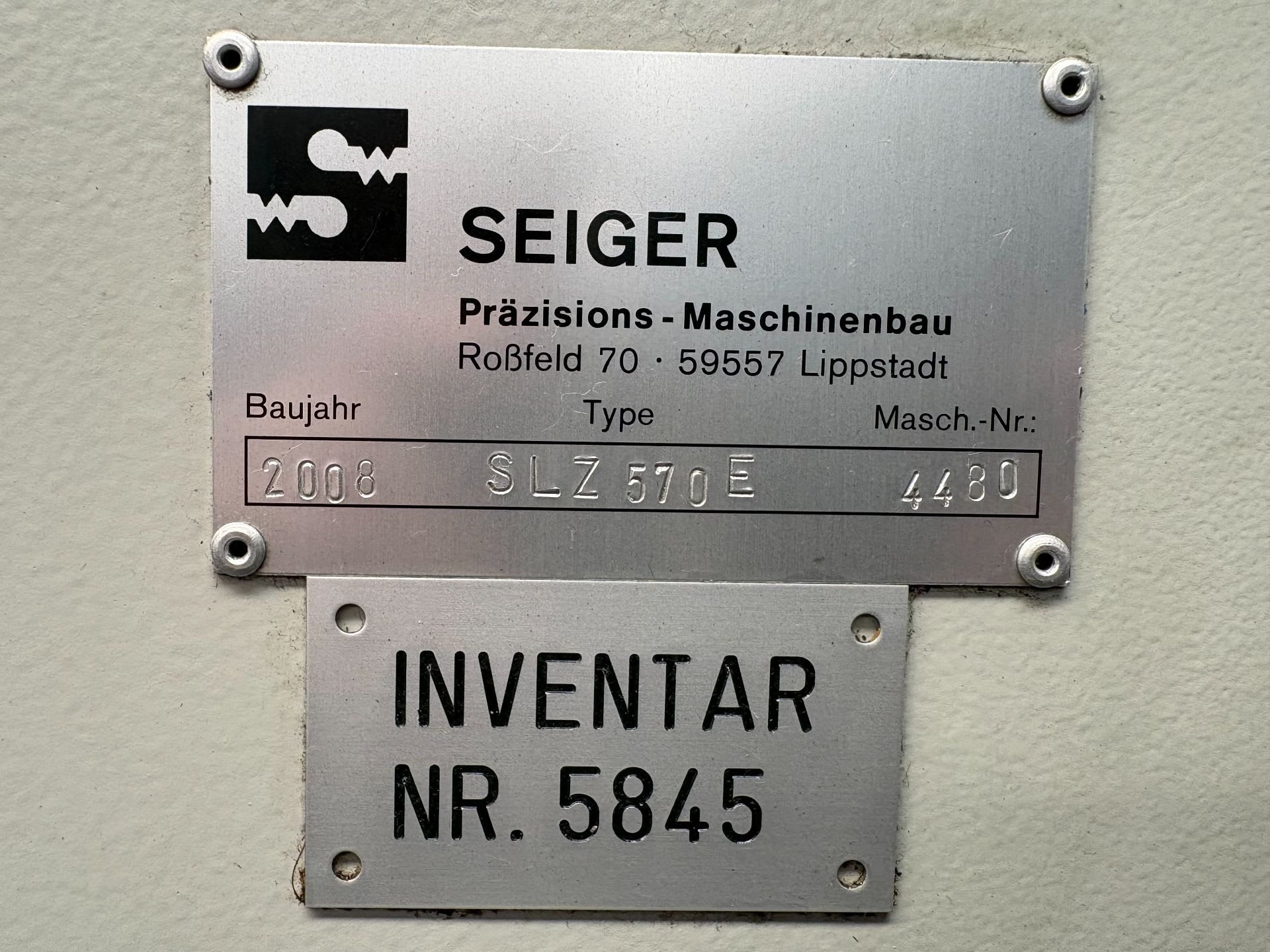
- SLZ-570 E x 1500
- Year of construction
- 2008
- Location
- Hilden, Germany
- Availability
- immediately
- Price
- This item is sold
- Control
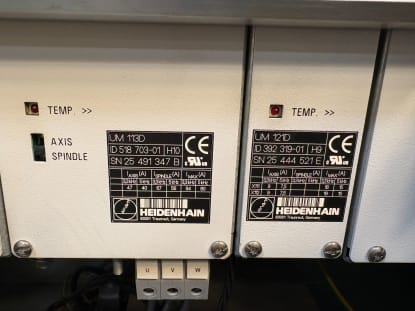
- Heidenhain Manual Plus
- Dimensions (LxWxH) approx.
- 3300 x 1800 x 1900 mm
- Turning diameter over bed
- 570 mm
- Turning diameter via support
- 340 mm
- Turning length max.
- 1,500 mm
- Weight approx.
- 6,000 kg
Working range
Center distance: 1,500 mm
Travel over bed: 570 mm
Travel over cross slide: 340 mm
Cross slide travel: 290 mm
Bed width: 350 mm
Spindle
Spindle head DIN 55027 size 8
Spindle bore: 93 mm
Speed range: 1–3,000 rpm
Main drive: 20 kW AC motor
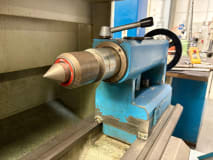
Tailstock
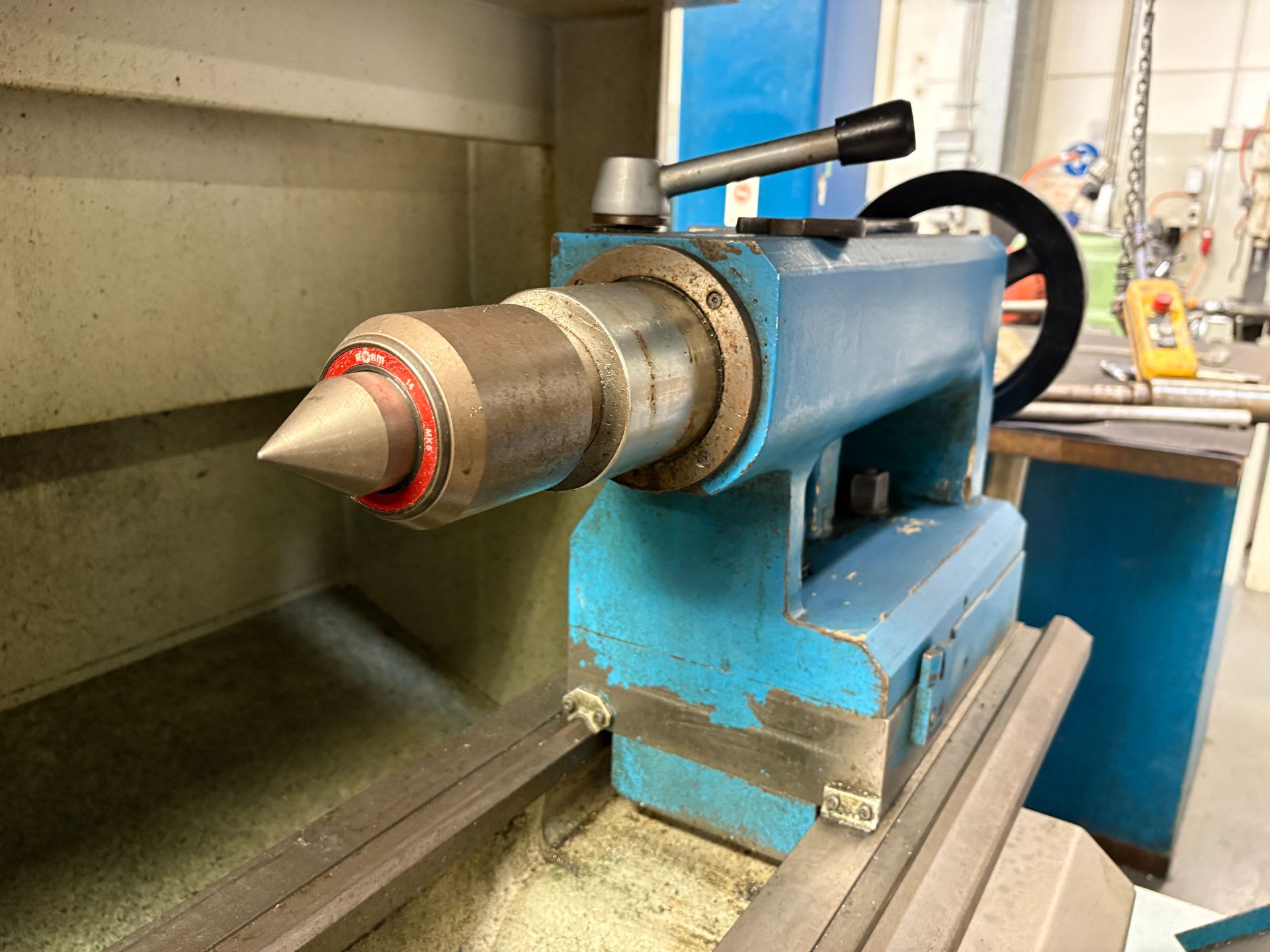
Quill diameter: 90 mm
Quill stroke: 180 mm
Mounting: MK 6
Feed
Feed force X: 7,000 N
Feed force Z: 10,000 N
Rapid traverse X: 7 m/min
Rapid traverse Z: 10 m/min
Machine
Weight: approx. 3.6–3.9 t
Dimensions: approx. 3,300 × 1,800 × 1,900 mm
Equipment
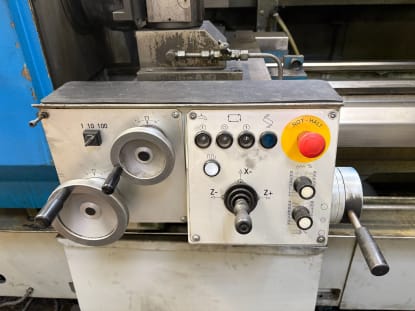
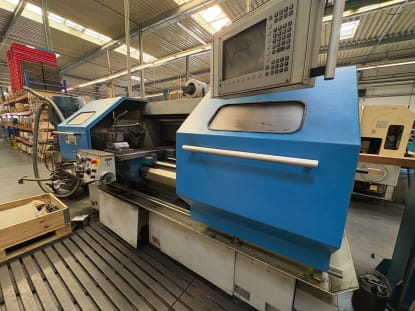
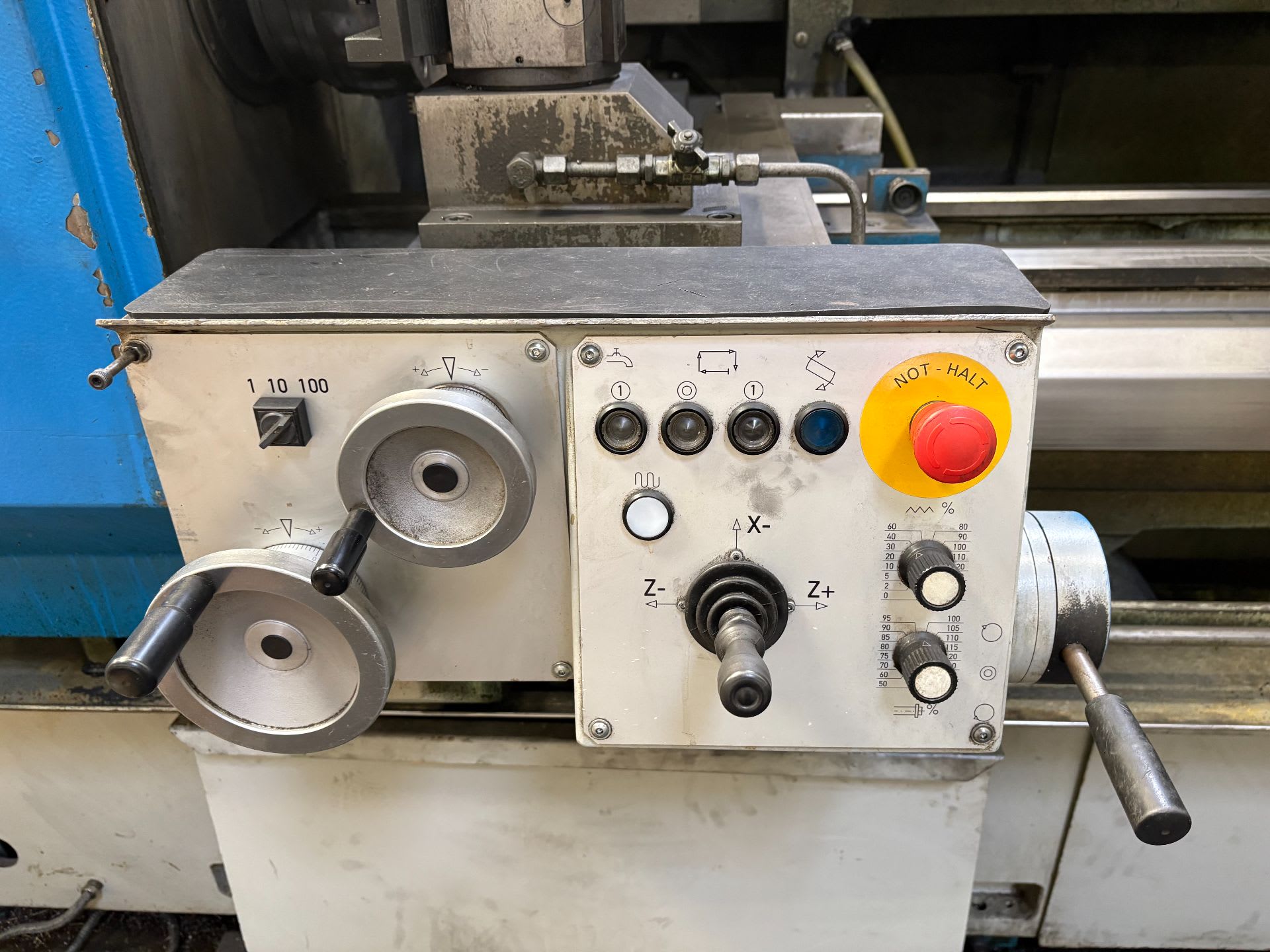
Heidenhain Manual Plus cycle control
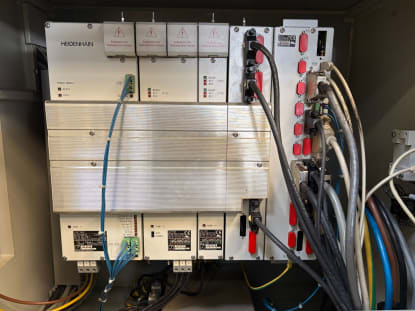
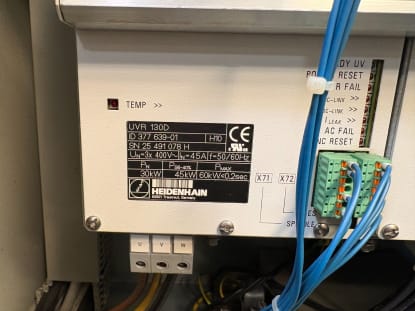
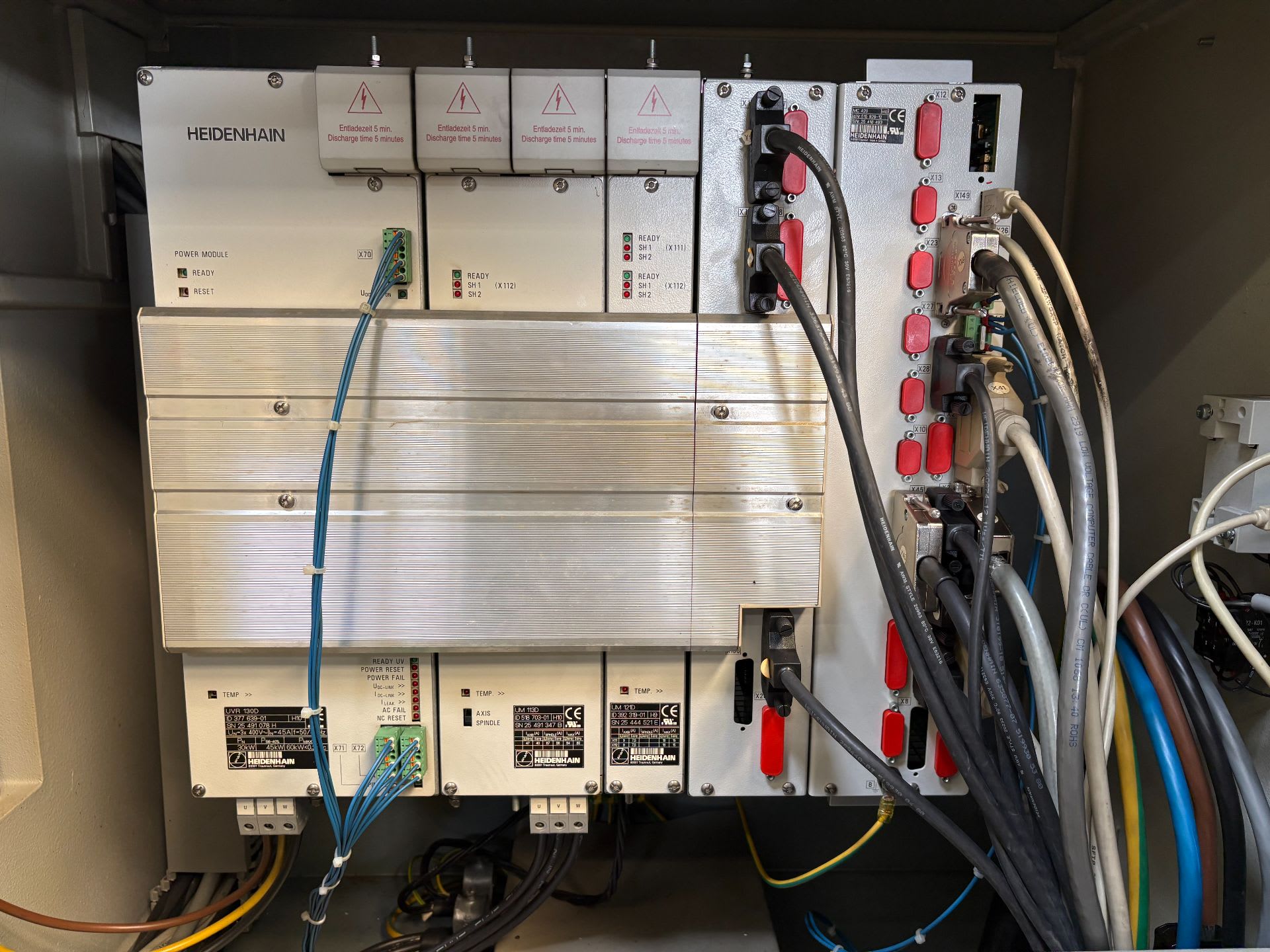
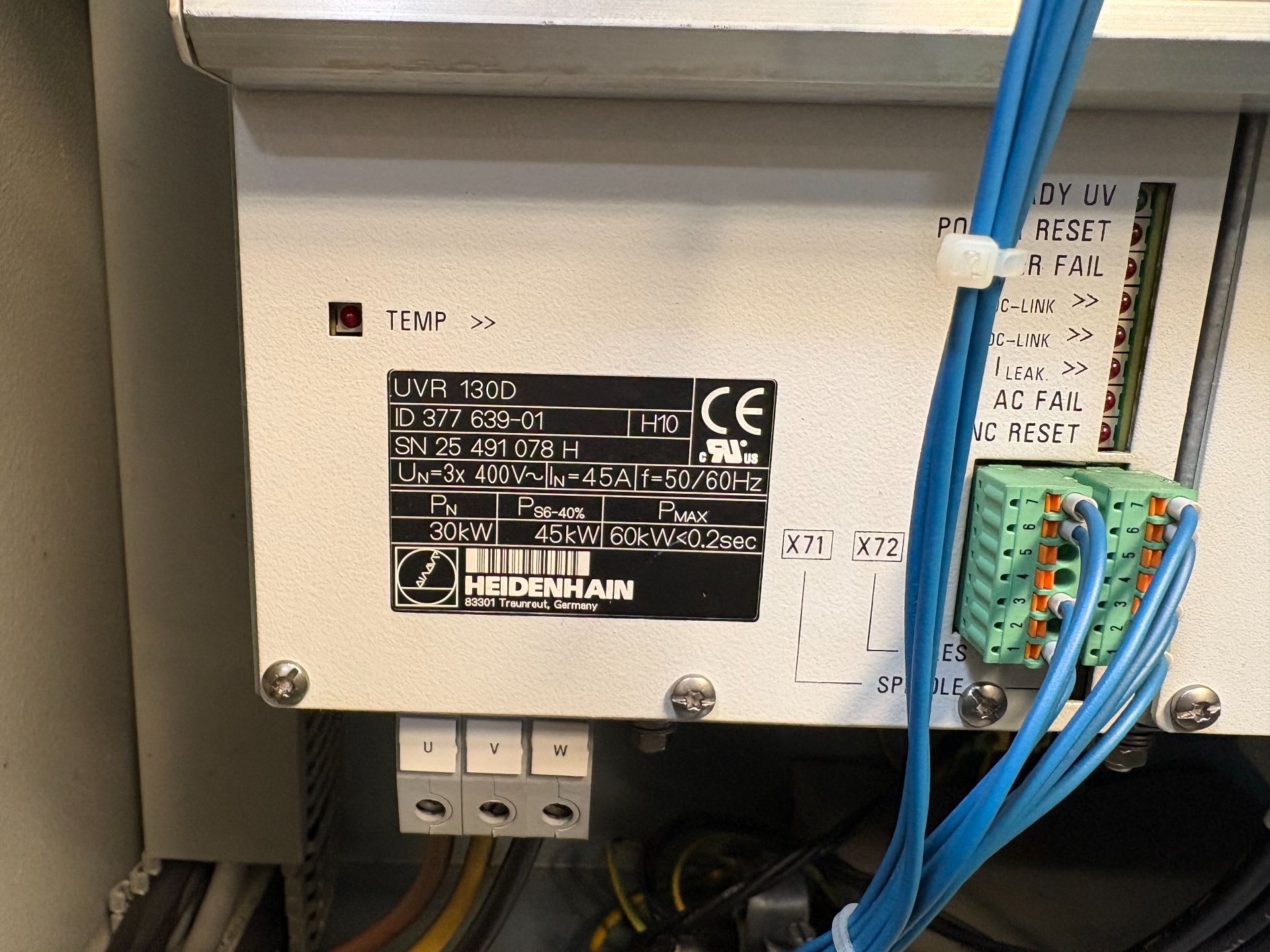
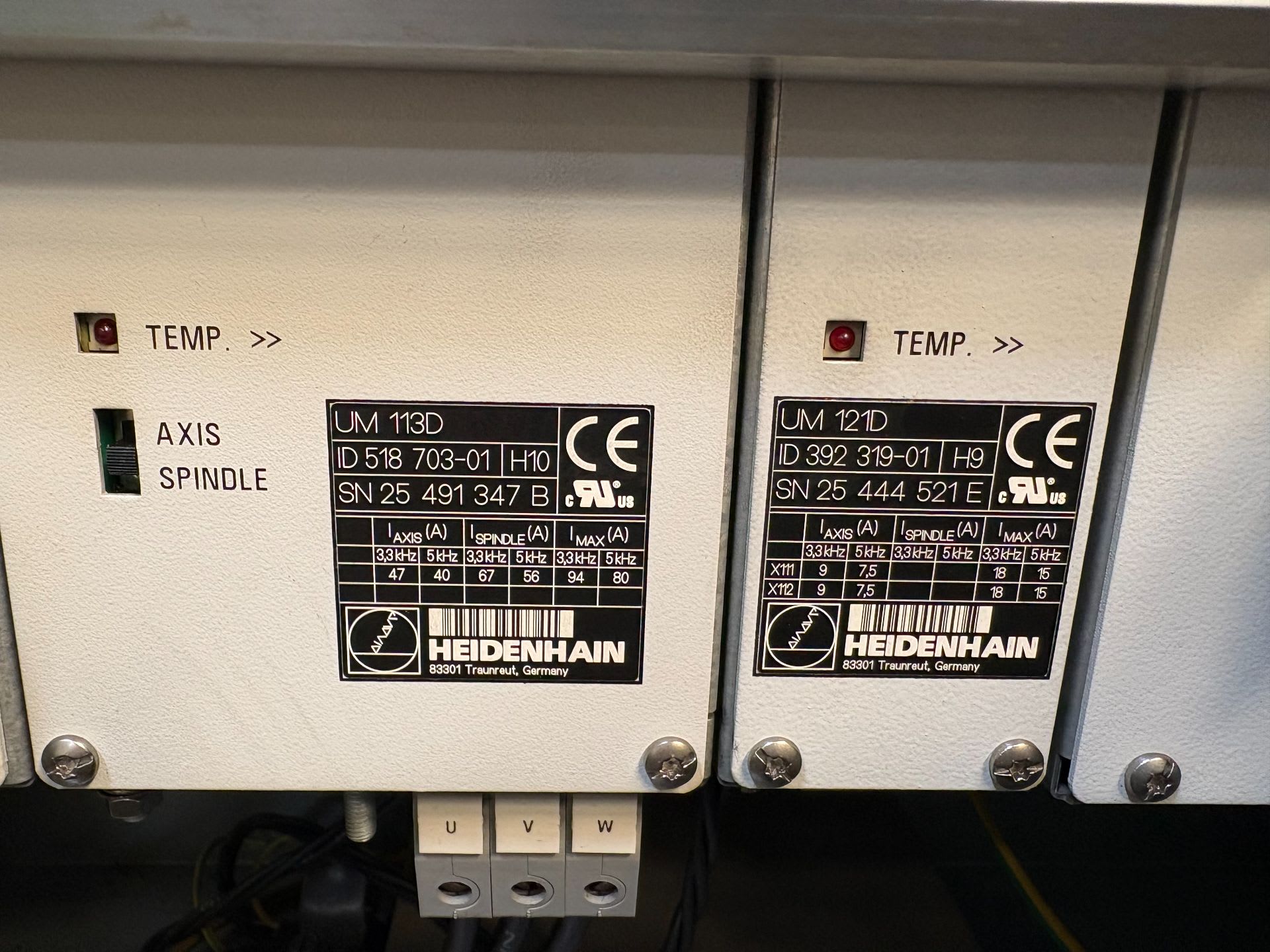
Heidenhain AC servo drives
ZF two-speed gearbox (electrically switched)
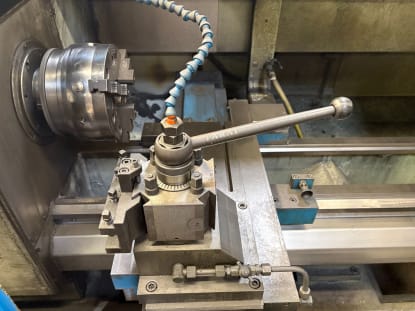
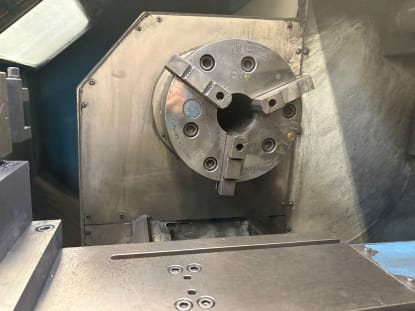
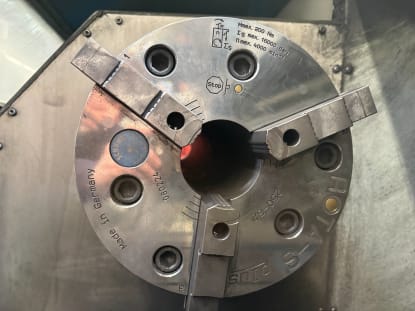
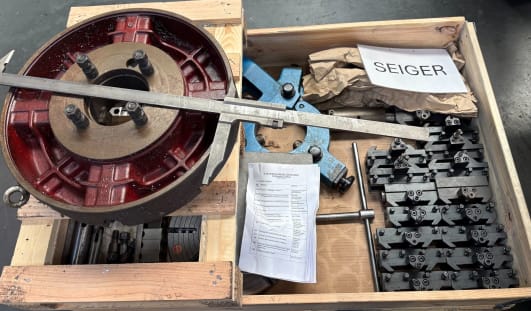
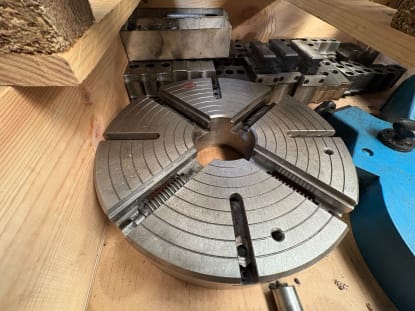
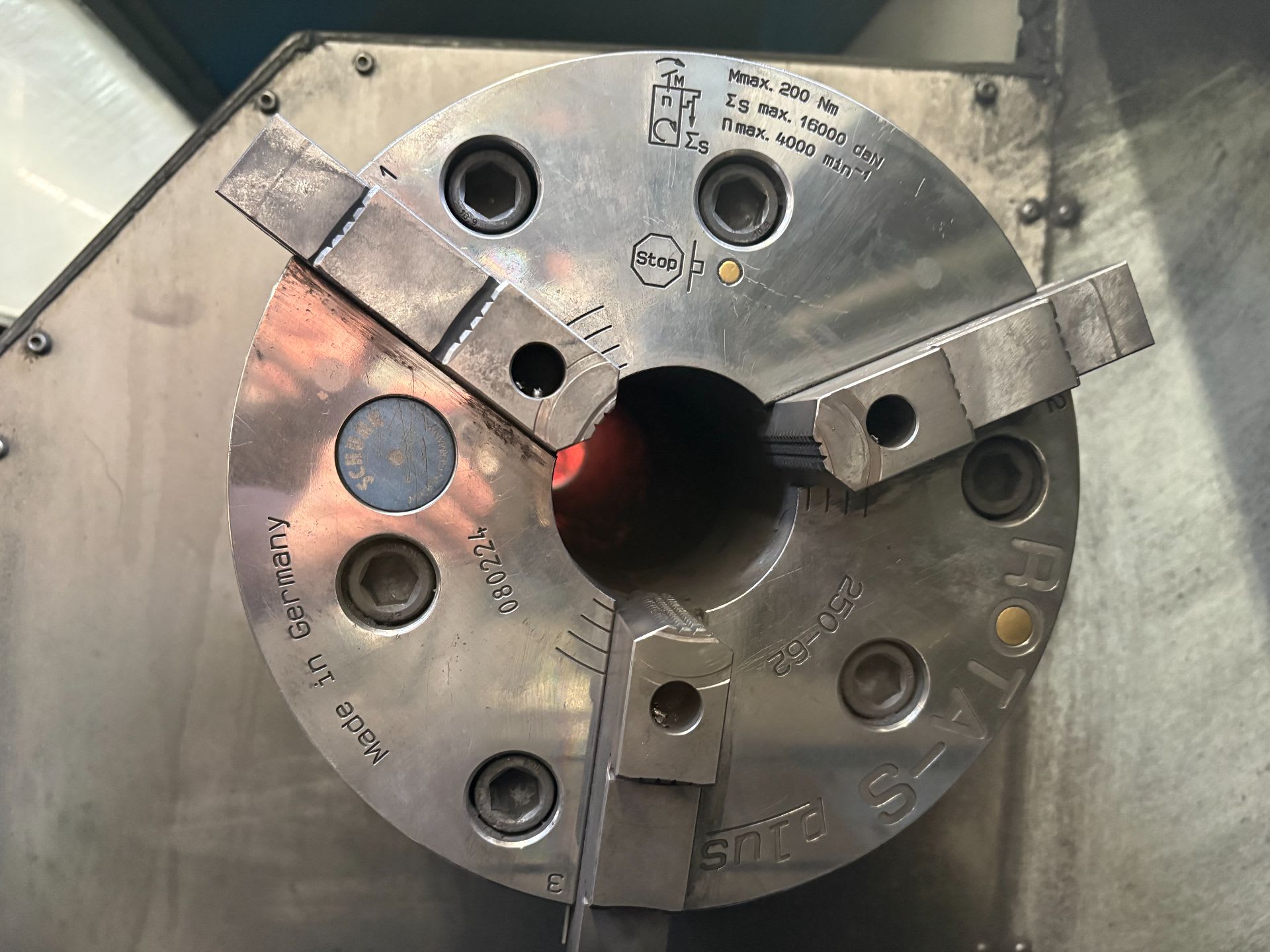
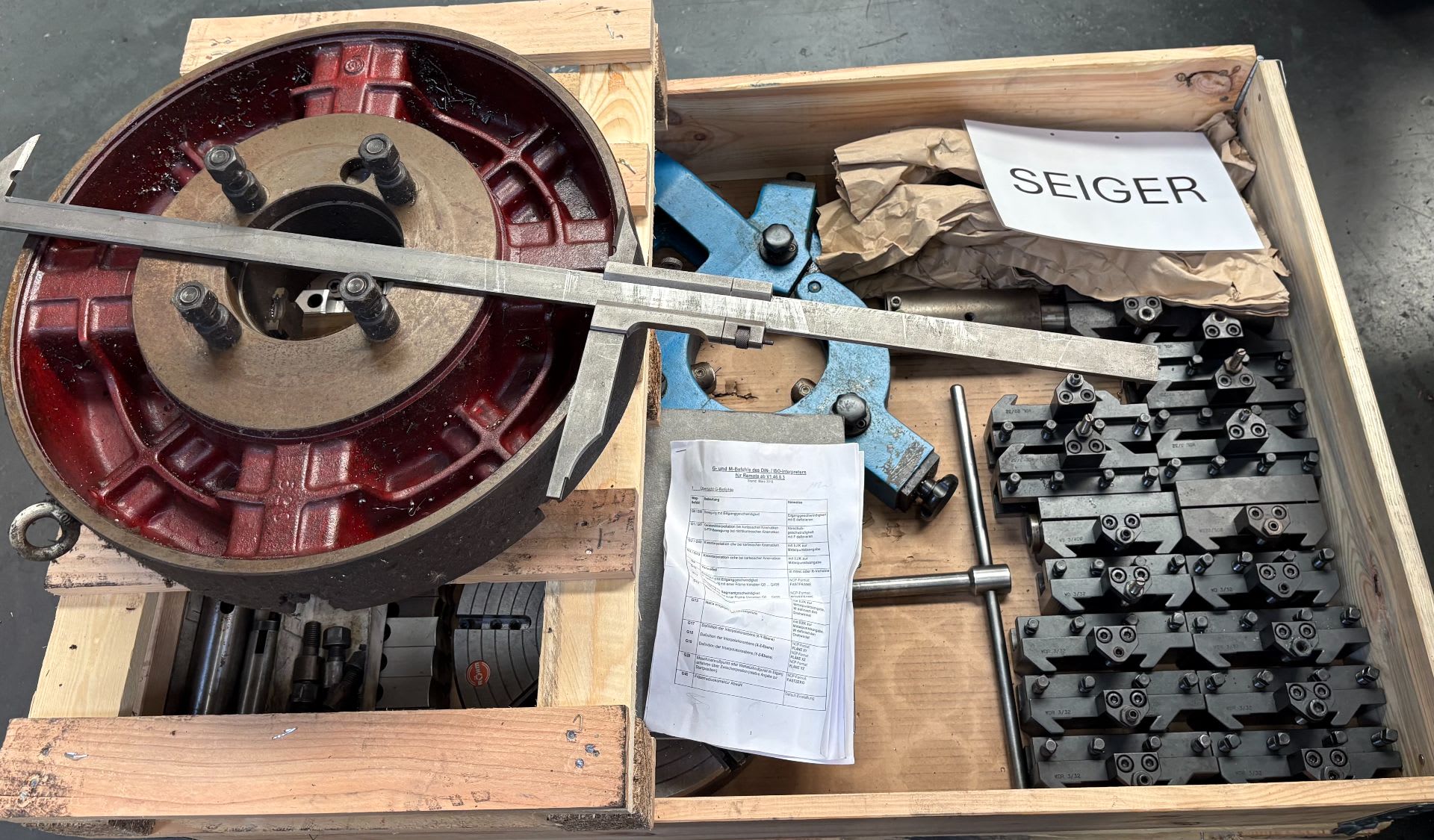
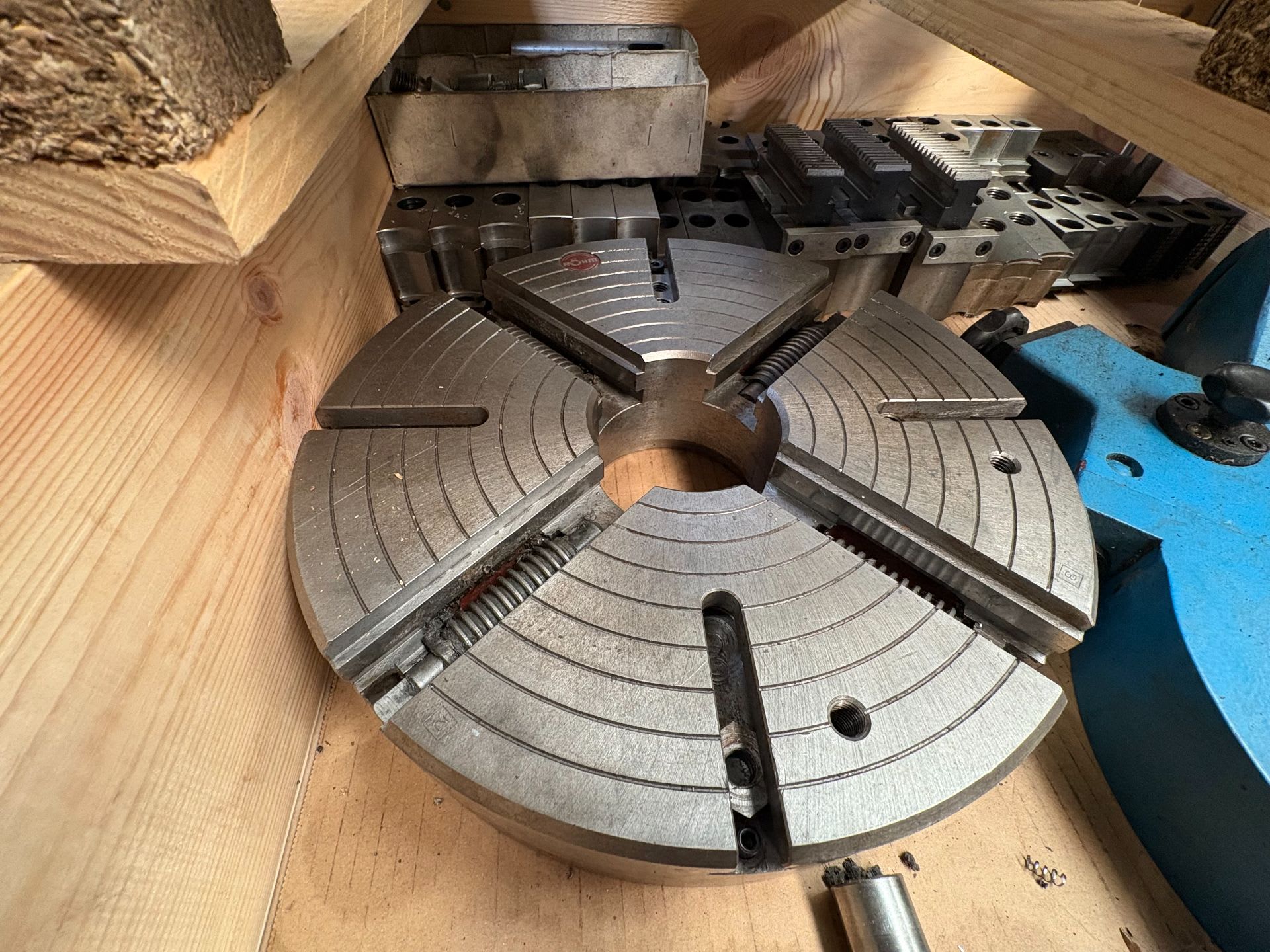
3-jaw wedge bar chuck Ø250 mm
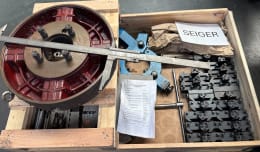
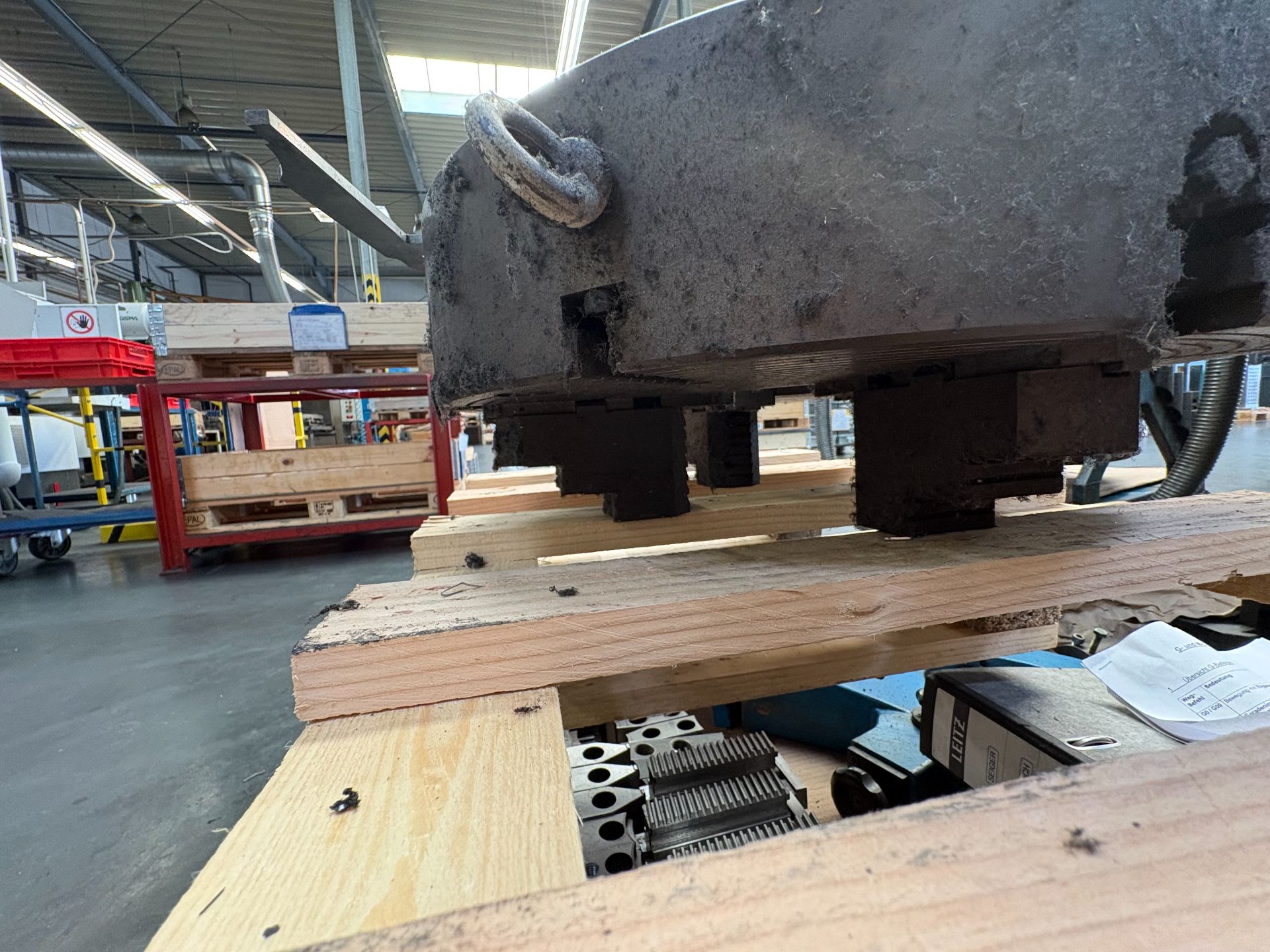
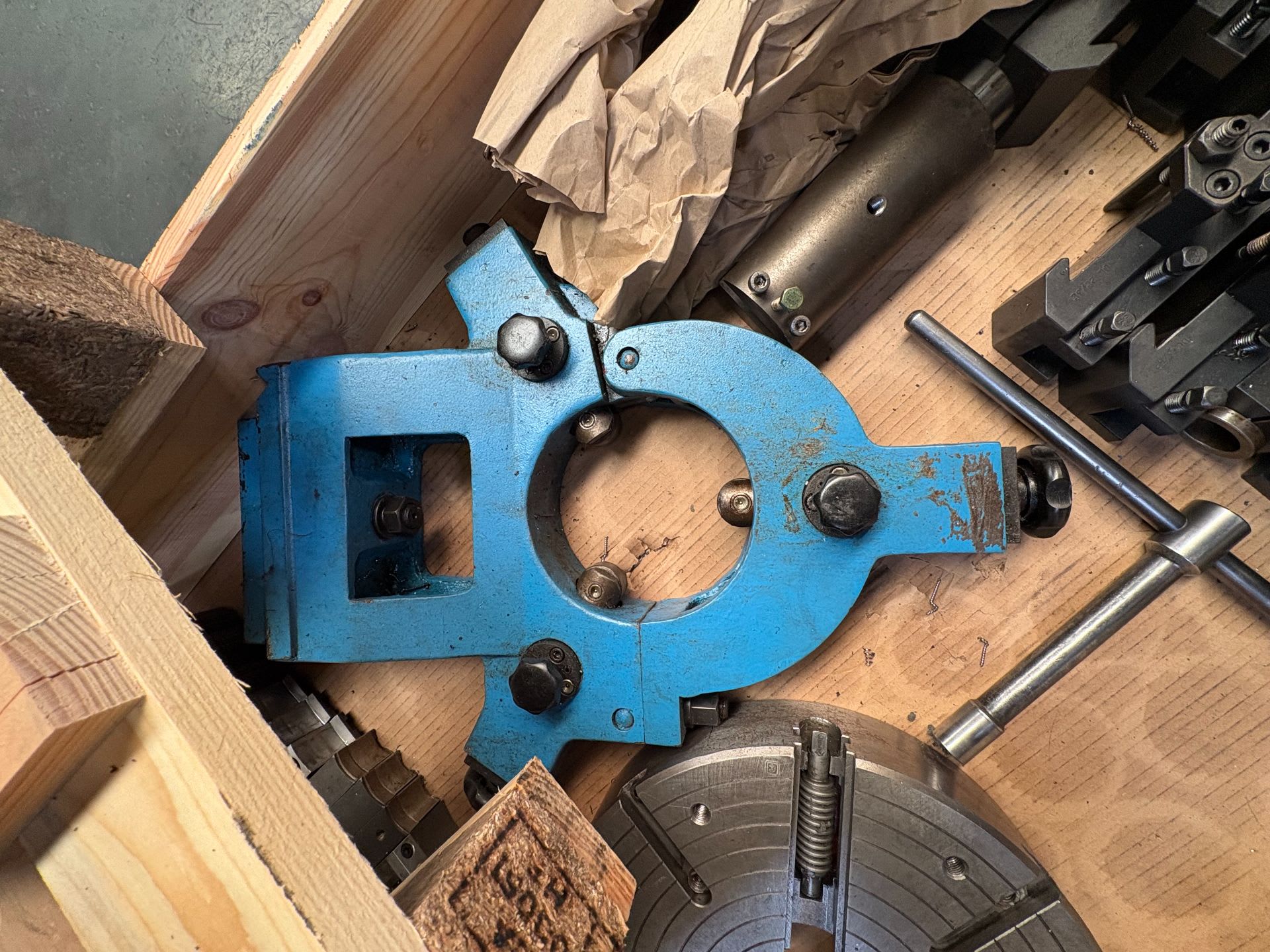
Face plate Ø500 mm
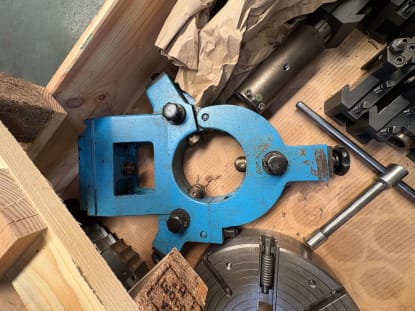
Fixed steady rest
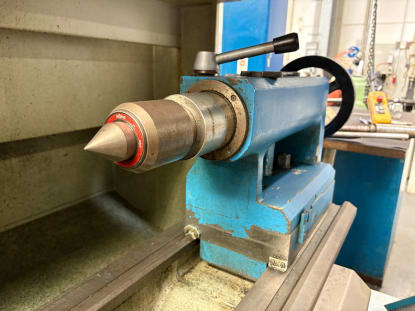
Tailstock with live center
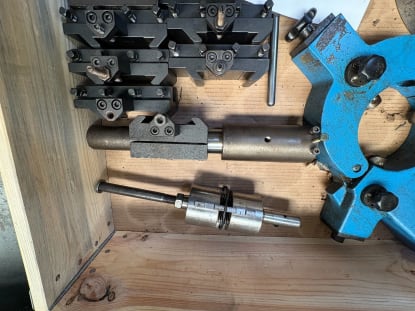
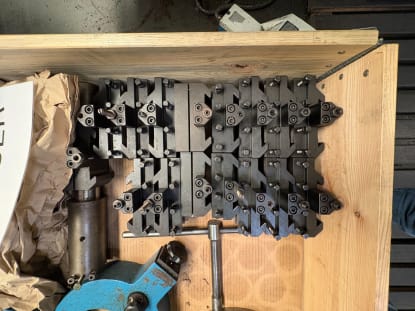
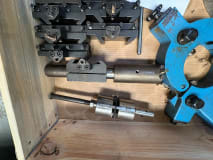
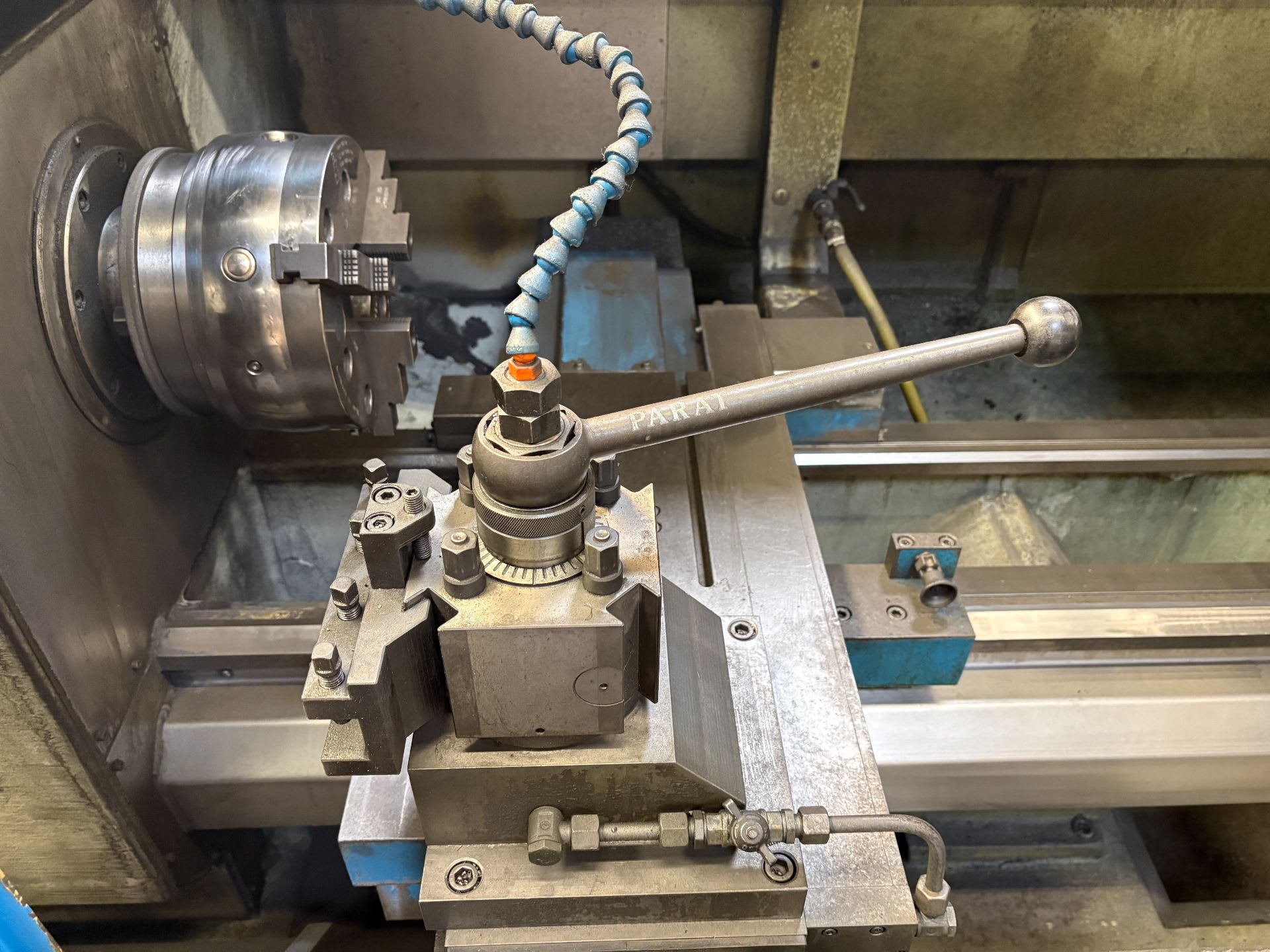
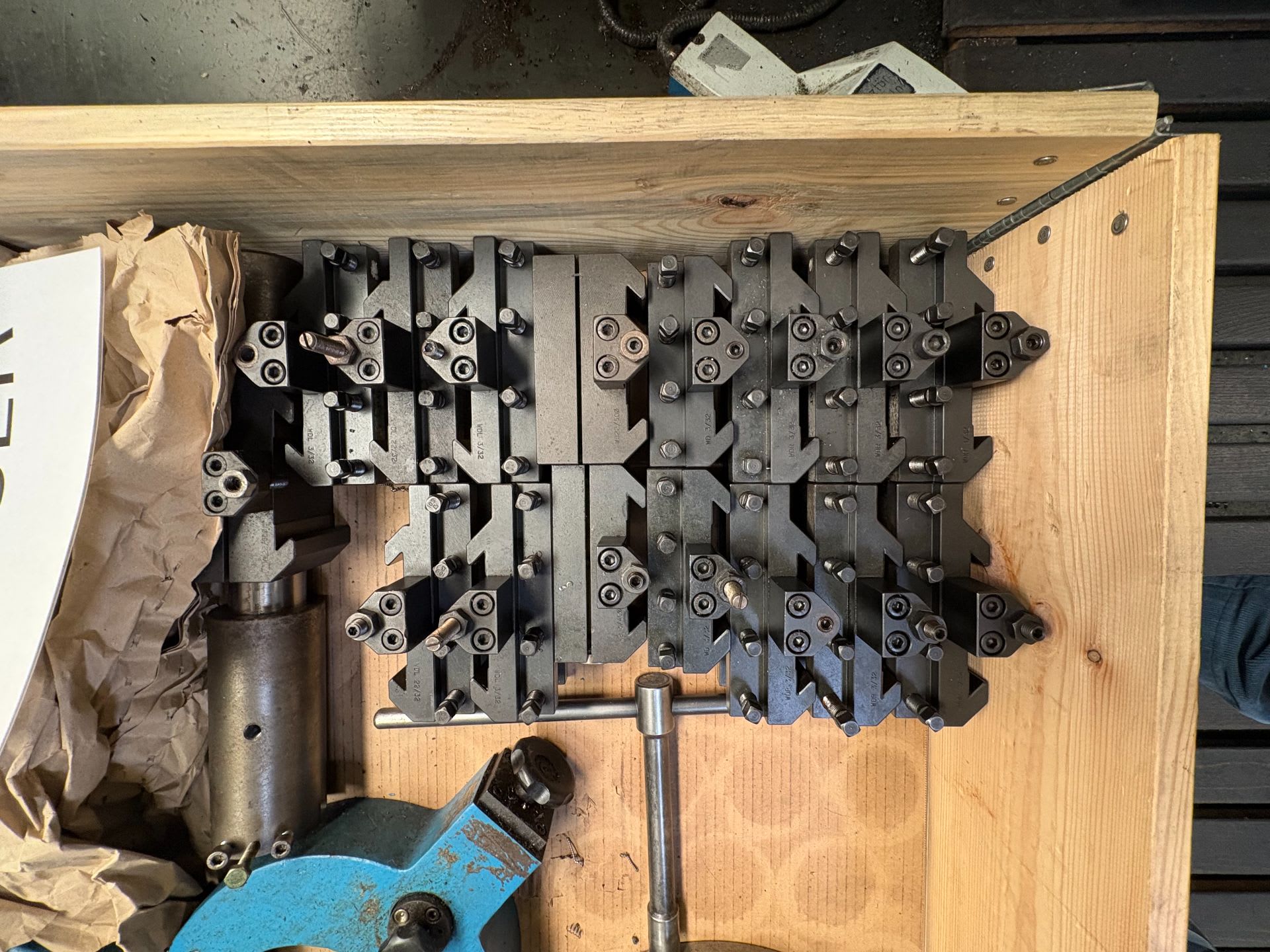
Multifix tool holder
Parat 4-station turret
Reinforced coolant pump
Machine feet
Accessories
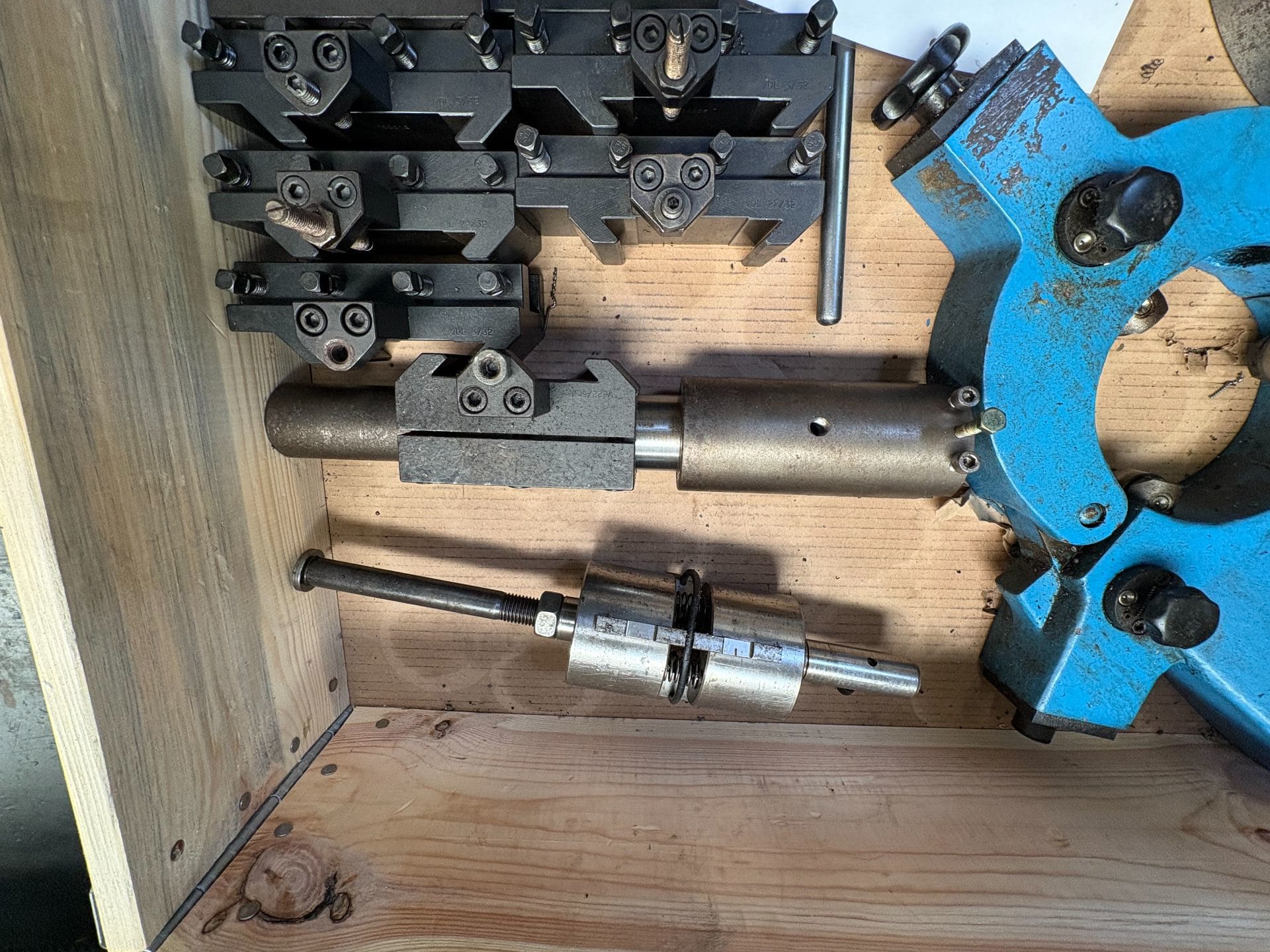
Multifix tool holder package
Various turning holders
Measuring equipment / setting tools
Steering ring
Face plate
Additional mountings and accessories
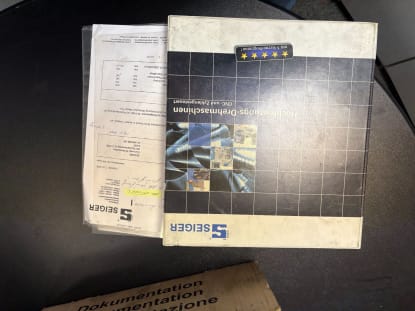
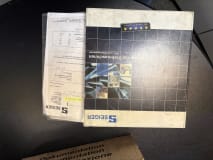
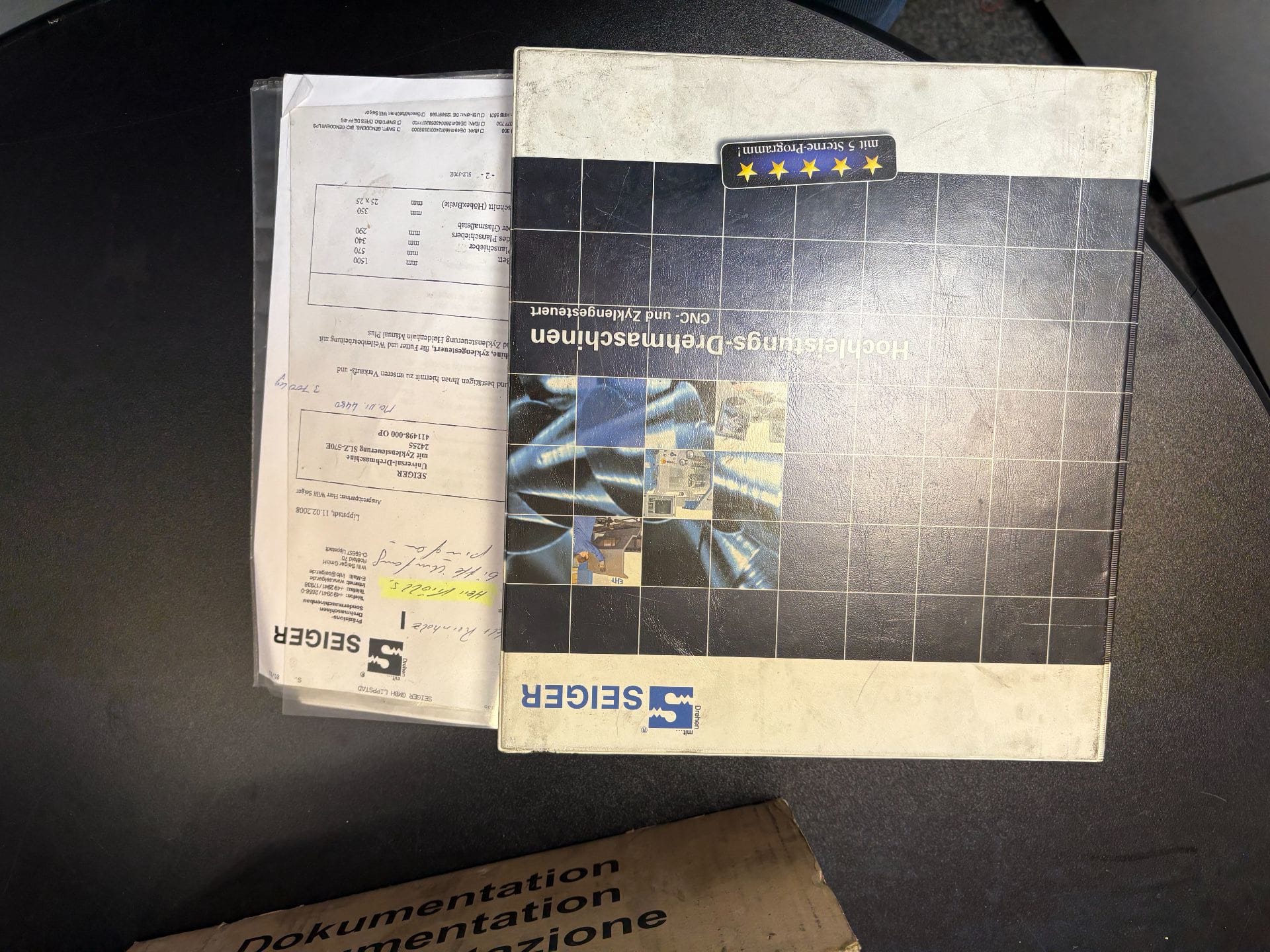
Documentation available
Typical dimensions (1,500 mm center distance version)
Space requirement / dimensions approx.:
Length: approx. 3,900 mm
Width: approx. 2,000 mm
Height: approx. 2,000 mm
- Transportation costs
- not included
- Terms of delivery
- Free loading on truck
- Terms of payment
- 100% prepayment before pick-up
The price of a used lathe depends on the machine type, swing diameter and distance between centres, control, year of manufacture, operating hours, included accessories such as chucks, steady rests or a bar feeder, and its condition. Transportation costs are not included in the machine price; terms of delivery and payment are stated under "Additional information" in each listing. You should also budget for installation and commissioning at the new site. In most cases, the buyer is responsible for organizing the transport; upon request, ReMach can check whether transport can be arranged or supported. ReMach also helps with dismantling, loading and export paperwork.
Three dimensions decide first: the largest workpiece diameter must be smaller than the swing diameter, the workpiece length must fit within the distance between centres, and for bar work the bar capacity stated in the listing must be at least the bar diameter. For hard materials and heavy cuts, the spindle also needs sufficient power and torque.
Yes, a turn-mill centre can mill, drill and cut slots in the same set-up as turning. Driven tools do the milling, the C-axis positions the workpiece, and a Y-axis allows machining off the centre line. A lathe without driven tools can only mill with an add-on attachment, with limited rigidity and output.
The difference lies in how the machine is controlled and which parts it suits. A cycle-controlled lathe is operated manually with stored cycles and teach-in, ideal for single parts and small batches, while a CNC lathe runs fully under program control for series production. A turn-mill centre adds driven tools and a C-axis, often a Y-axis, so turning, milling and drilling happen in one set-up. A vertical lathe holds the workpiece on a rotating table and suits heavy, large-diameter, low-height parts such as rings, flanges and discs.
A lathe is a machine tool for rotationally symmetrical parts: the workpiece rotates while the cutting tool moves along or across its axis. It is used for external and internal turning, facing, thread cutting, and drilling or boring on the axis. Typical parts are shafts, bushes, flanges, rings and threaded components.
This item is sold

Our Services
- Inspection & report
- Disassembly & installation
- Global logistics
- Customs & paperwork
- Sourcing & valuation
- Personal consultation
Related items
1. What Is a Lathe? Types, Function & Applications
A lathe is a precision machine tool used to shape metal workpieces into rotationally symmetrical components. Alongside milling machines, lathes are central to metalworking operations and represent the evolution of traditional hand-operated turning equipment. This development has significantly raised the quality and consistency of machined parts, reducing dependence on individual operator skill.
A powerful electric motor drives the workpiece in continuous rotation, often at several thousand revolutions per minute. Cutting tools are mounted on a turret and delivered to the rotating workpiece via a tool slide, with precisely adjustable guides controlling the material removal process. This combination of speed, accuracy, and repeatability makes lathes indispensable in modern manufacturing.
Metal lathes are available across a wide range of sizes – from compact bench-top mini lathes suited to small workshops, to large heavy-duty turning machines several metres in length capable of handling industrial-scale components.
2. Metal Lathes: Construction and How to Use Them
A lathe consists of three main component groups: the frame, the drive system, and the tool guidance system. The frame bears the weight of all mechanical components and is built with exceptional rigidity to withstand strong forces while maintaining precision. Both welded constructions and monolithic cast metal frames are common, each contributing to long machine lifespan and structural integrity. Depending on the size of the metal lathe, the base may need adjustment to handle pressure and oscillating forces effectively.
The second component group comprises an electric motor and a gear unit. Options range from a single-stage spur gear through to a high-performance torque converter designed for exceptionally smooth rotational movement. The spindle and tailstock are also part of this assembly and serve to clamp the workpiece securely in position. When evaluating a second-hand lathe, pay close attention to these areas: precise concentricity and a play-free tailstock are essential for accurate results. Used turning machines may exhibit slightly higher tolerances than newer models, though many still offer a considerable degree of reliability and stability.
Turning Machines in Operation
The third component – the tool guidance system – consists in its simplest form of a rail along which tools are fed via a turning spindle. On used metalworking lathes, these parts warrant careful inspection. Many come with a test log documenting concentricity and spindle play measured at regular intervals, and key components may have undergone a full overhaul. Depending on the machine's design, various automated elements may also be present, guiding cutting tools toward the rotating workpiece according to a preconfigured programme. Modern lathes often include options for automatic tool and workpiece changes as well.
Beyond the core components, lathes require a range of accessories and ancillary equipment. A protective housing shields the surrounding area from metal chips and shavings, while a cooling lubricant system ensures consistent chip removal from the workpiece. High-performance lighting allows each machining step to be monitored closely. On second-hand machines, some accessories or attachments may be absent or listed as optional extras. While manufacturers are not always obliged to stock accessories for older machinery, most aim to provide at least a basic range of services and spare parts for used equipment.
3. Metal Lathe Applications: What Can Be Produced?
A metal lathe can produce any component requiring a rotationally symmetrical or near-symmetrical cross-section. This includes all types of shafts and linear axes, as well as gear racks, toothed wheels, and more complex forms such as crankshafts and camshafts. While conventional centre lathes remain widely used, CNC turning machines are increasingly the preferred choice for producing individual parts – automatically executing the turning process according to a pre-configured programme.
4. Who Can Operate a Metal Lathe? Skills & Safety
Operating a metal lathe requires qualified specialists with several years of formal training and a solid grounding in both theory and practice. Operators must understand material properties, machining regulations, and all safety-critical aspects of working with a turning machine. Modern metalworking lathes demand far less manual intervention than conventional models thanks to extensive automation, yet the working environment remains demanding – spinning chips, high rotational speeds, and elevated temperatures all present real hazards. Appropriate protective clothing alone is not sufficient, making certified safety training mandatory for anyone working with a lathe.
5. Used Lathes & Turning Machines: Buy Quality Second-Hand
The used lathe market offers a broad selection of turning machines to suit virtually every application and budget. Available options range from small bench lathes and conventional manually-operated turning machines to fully automated and CNC-controlled models. Whether you need a second-hand lathe for training purposes or a high-performance CNC lathe to expand production capacity, the second-hand market provides reliable, cost-effective solutions.
A large proportion of used lathes originate from the German, Austrian, and Swiss second-hand market, reflecting the region's strong manufacturing heritage. An increasing number of machines from other European countries are also available, broadening the choice of makes, models, and specifications. The location of any individual machine is typically listed on its product information page, making it straightforward to factor in logistics and transport costs.
Selling used lathes and turning machines is equally well-supported. Whether you have a compact table lathe or a large industrial turning machine to sell, experienced professionals can help you achieve a strong market price and manage the process efficiently from valuation through to final sale.
6. Top Metal Lathe & Turning Machine Manufacturers
Used lathes and turning machines remain precision tools capable of producing exceptionally high-quality results – provided the original equipment was built to a high standard. That's why sourcing a second-hand turning machine from a reputable manufacturer makes all the difference.
Leading turning machine manufacturers renowned for their precision and reliability include BERNARDO, BOEHRINGER, BOLEY, COLCHESTER, EMCO, GILDEMEISTER, MATRA, OKUMA, OPTIMUM, QUANTUM, TORNOS, WEILER and WABECO.