
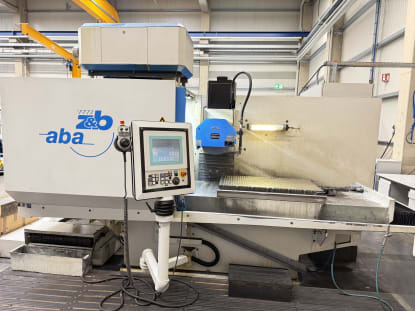
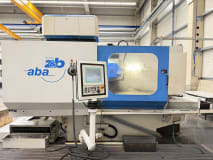
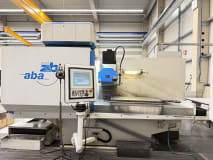
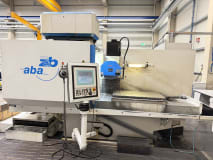
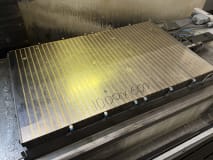
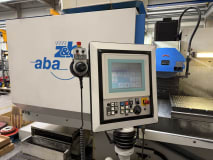
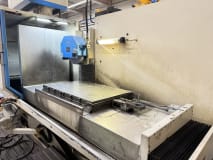
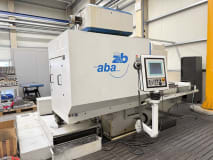
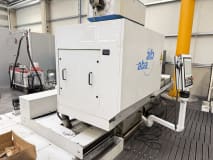
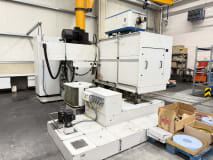
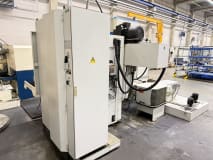
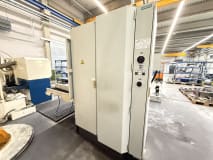
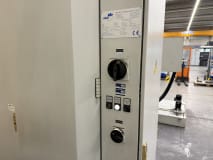
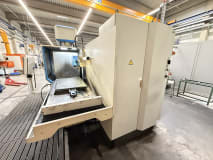
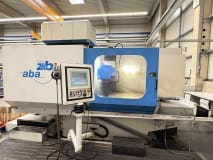
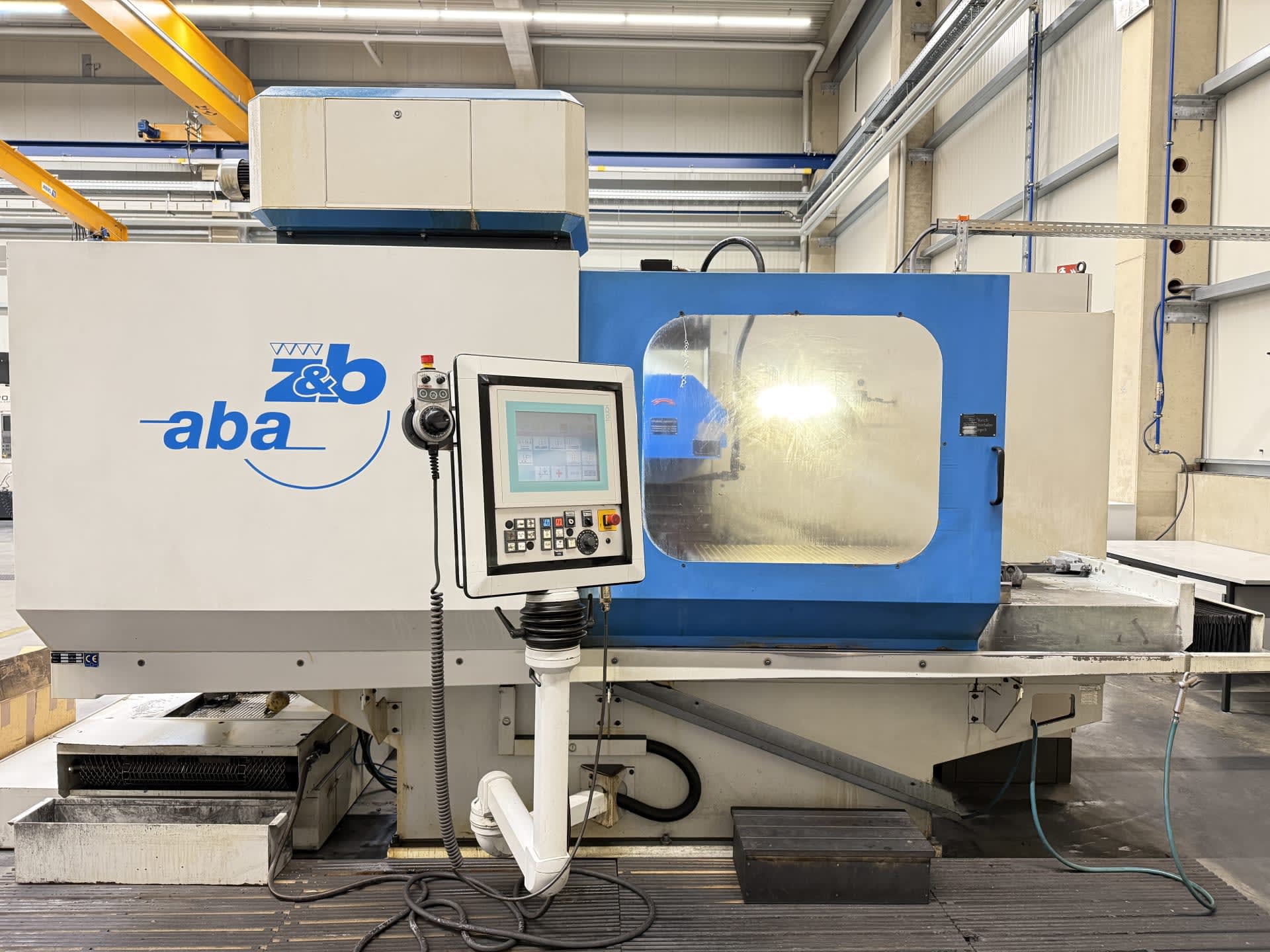
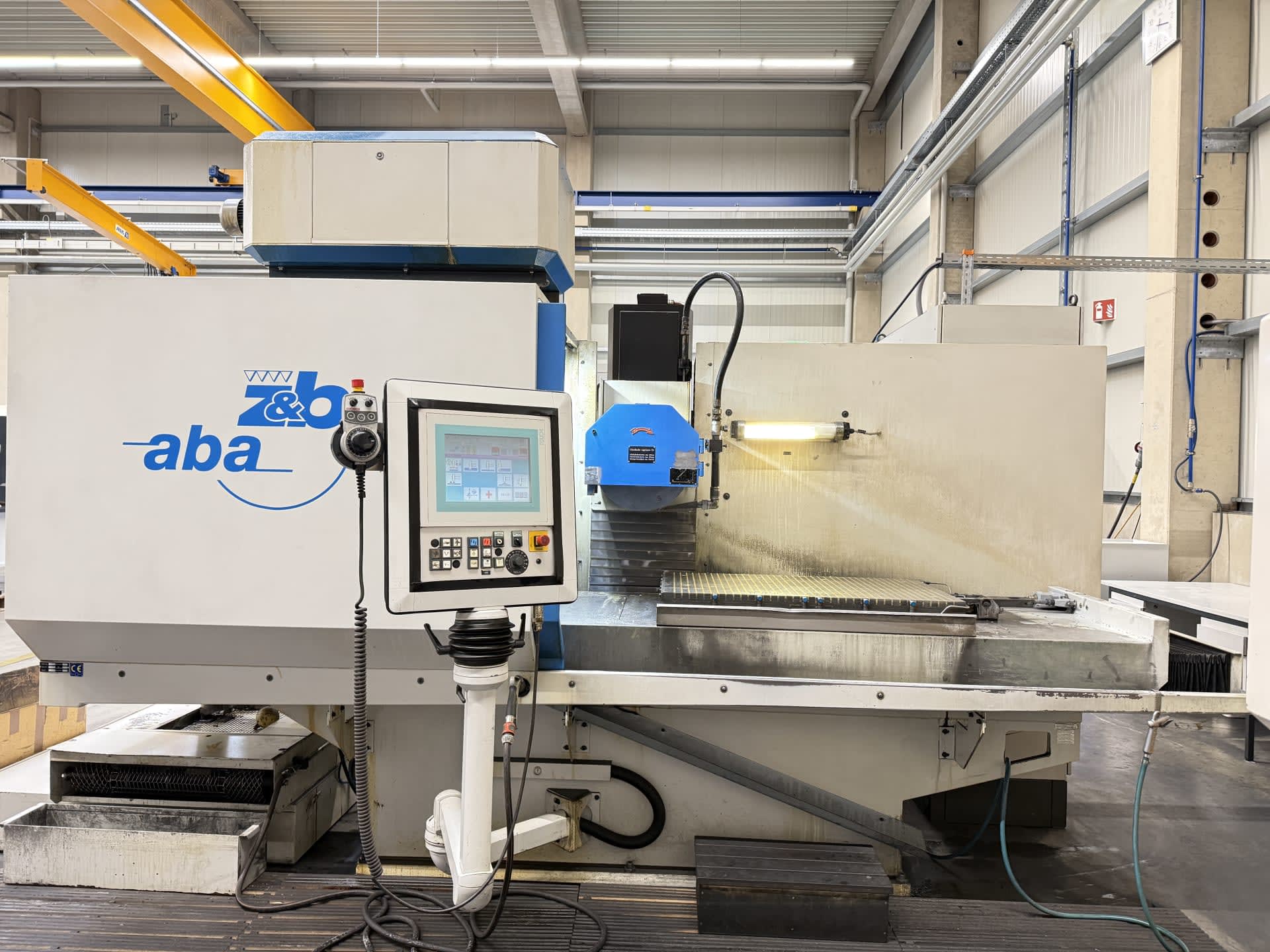
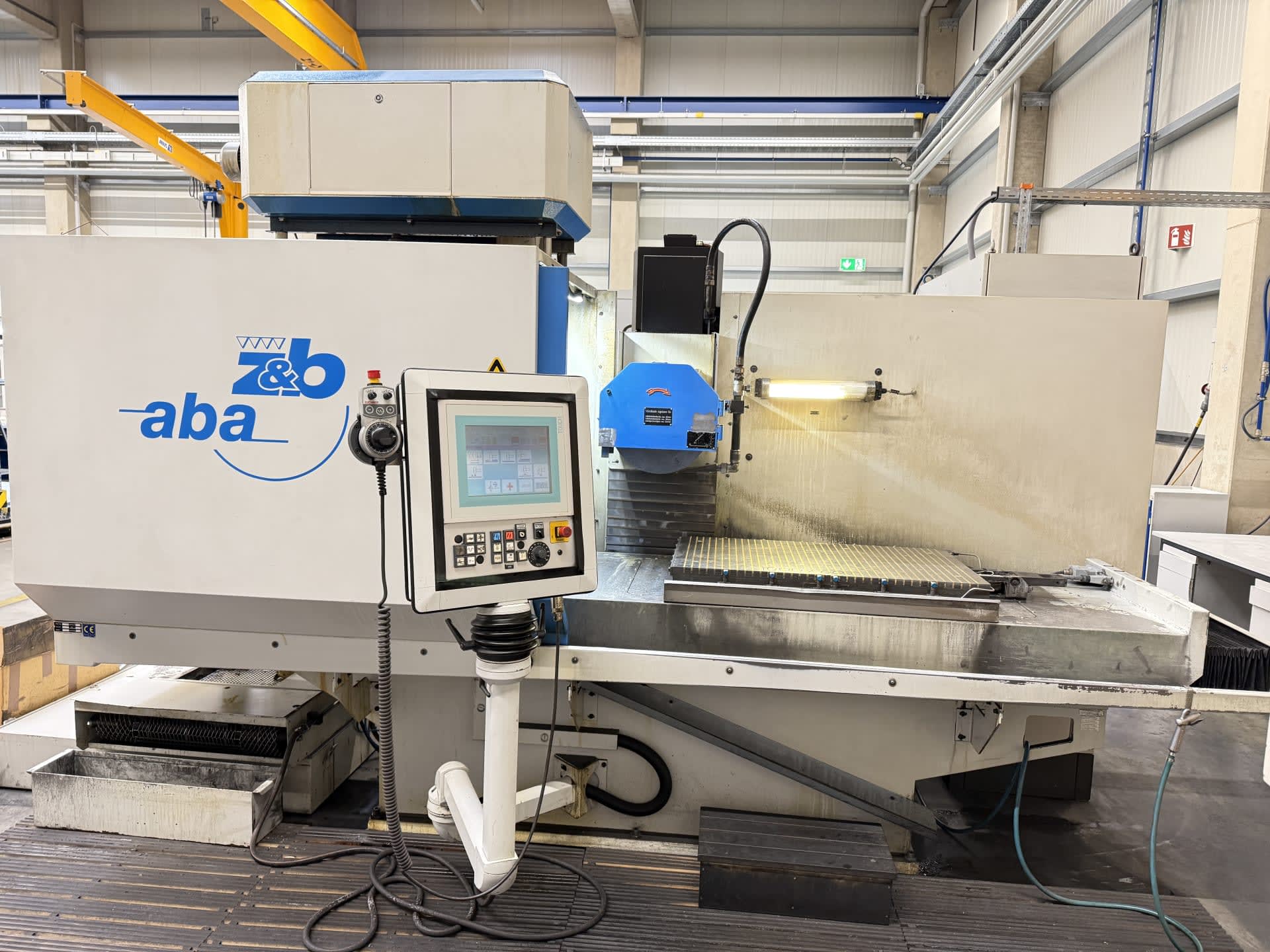
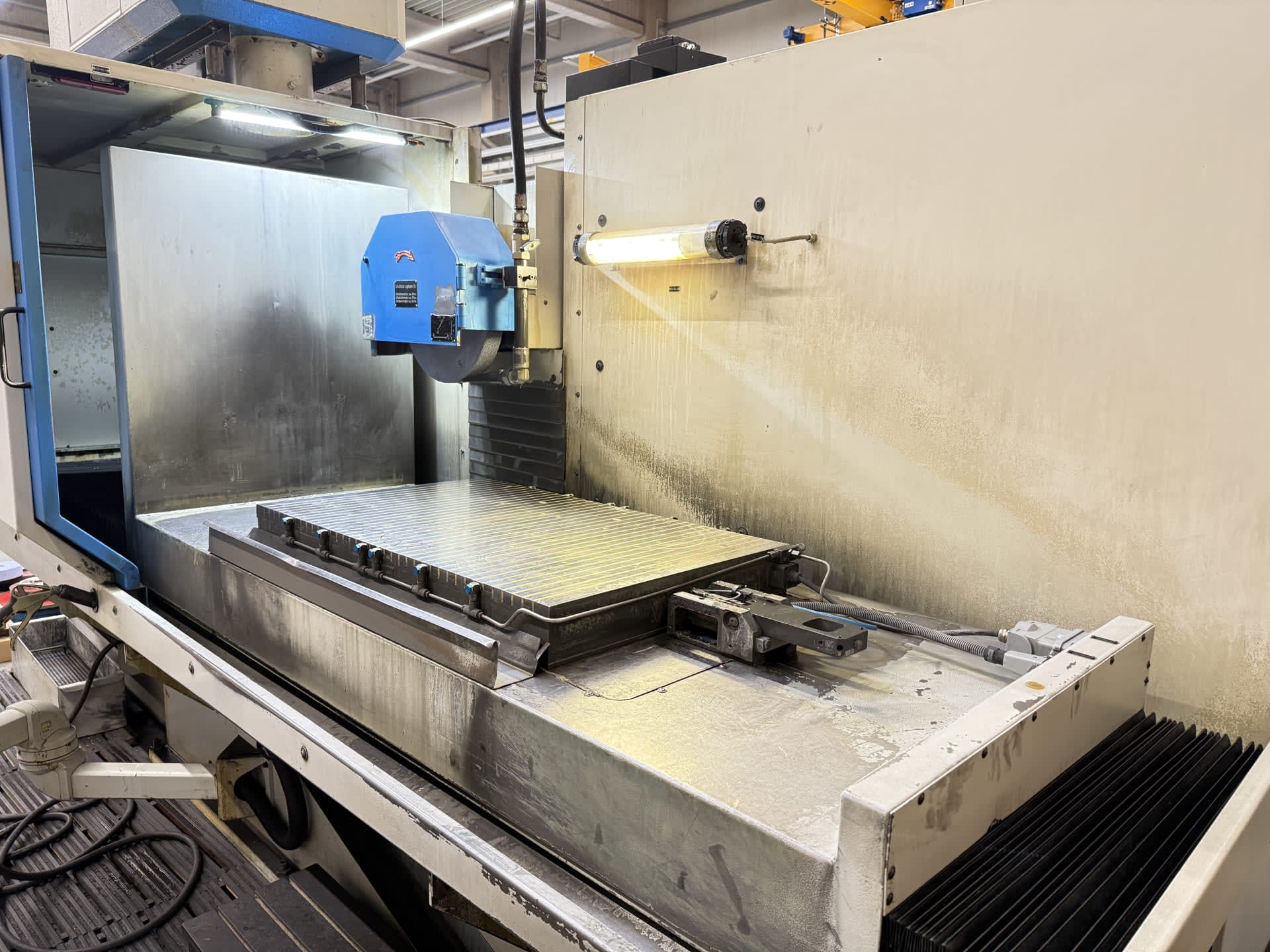
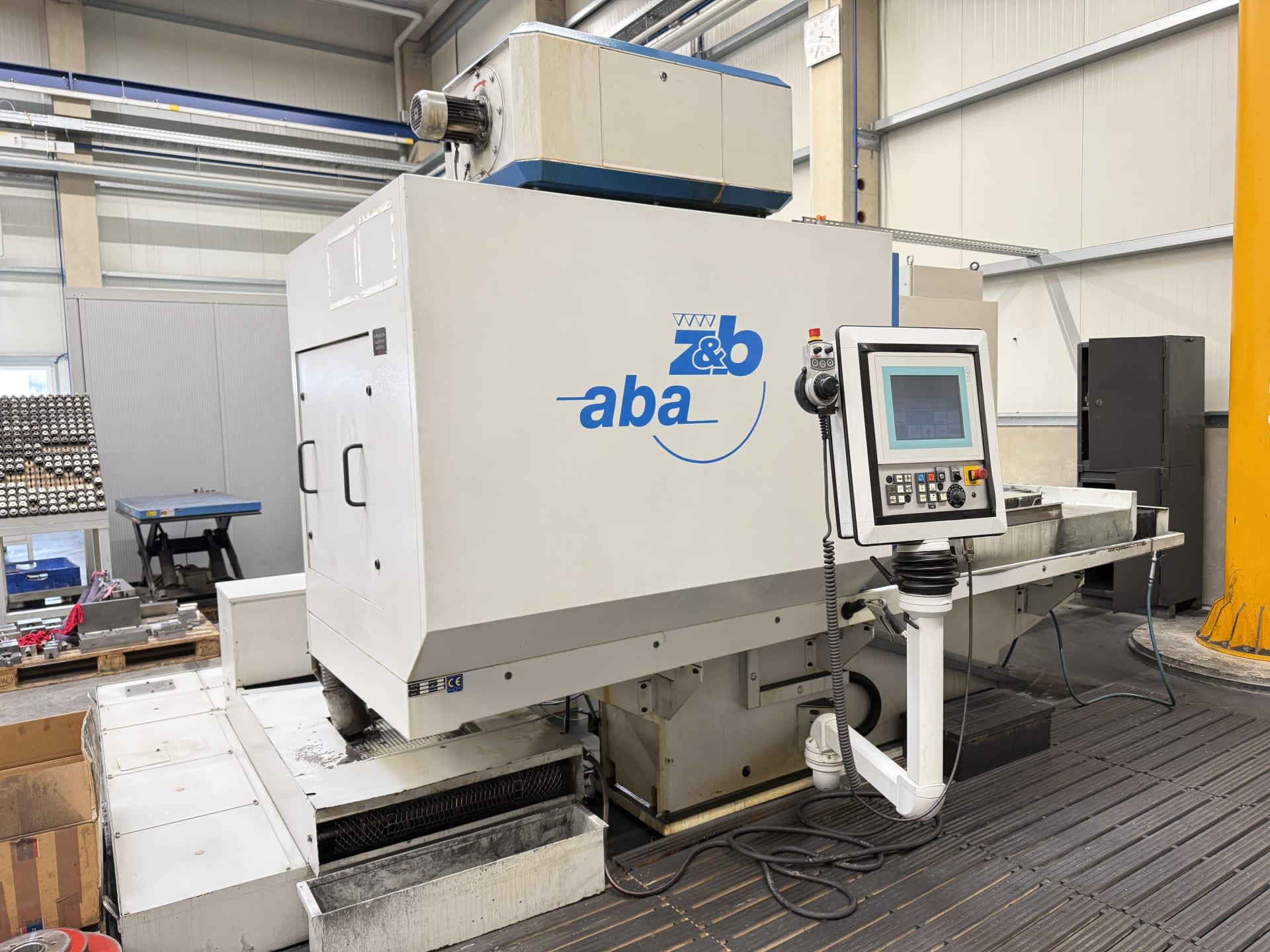
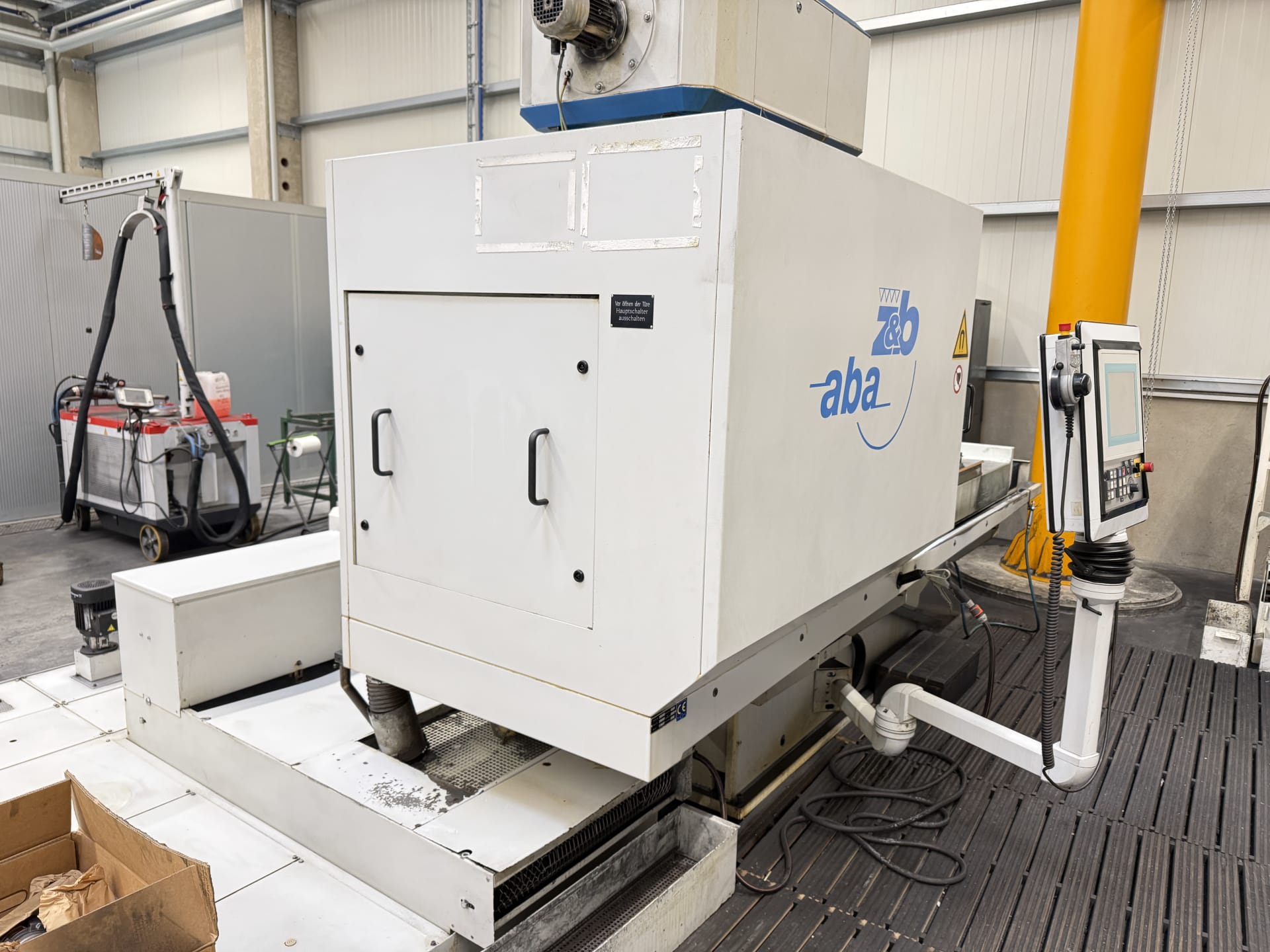
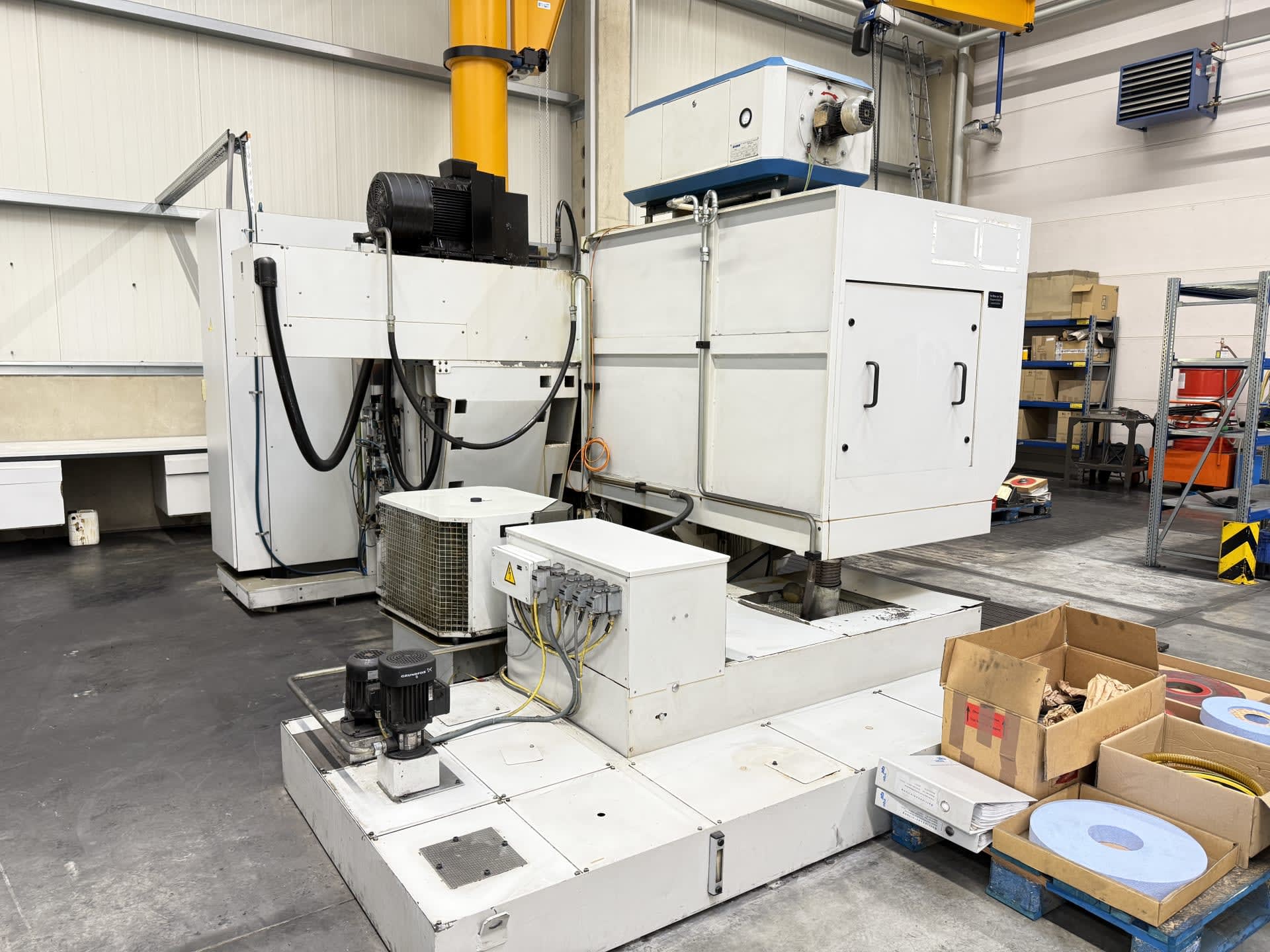
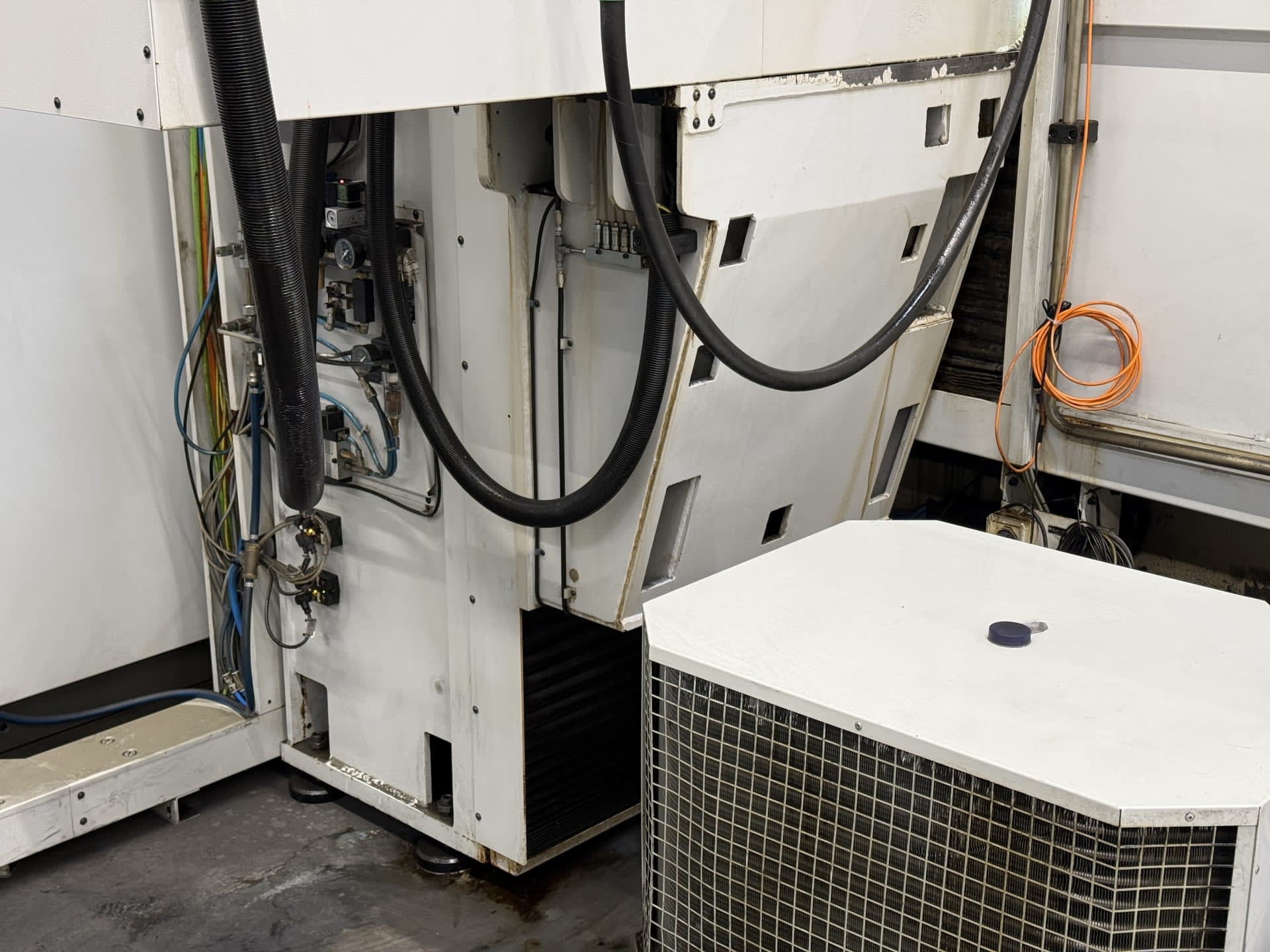
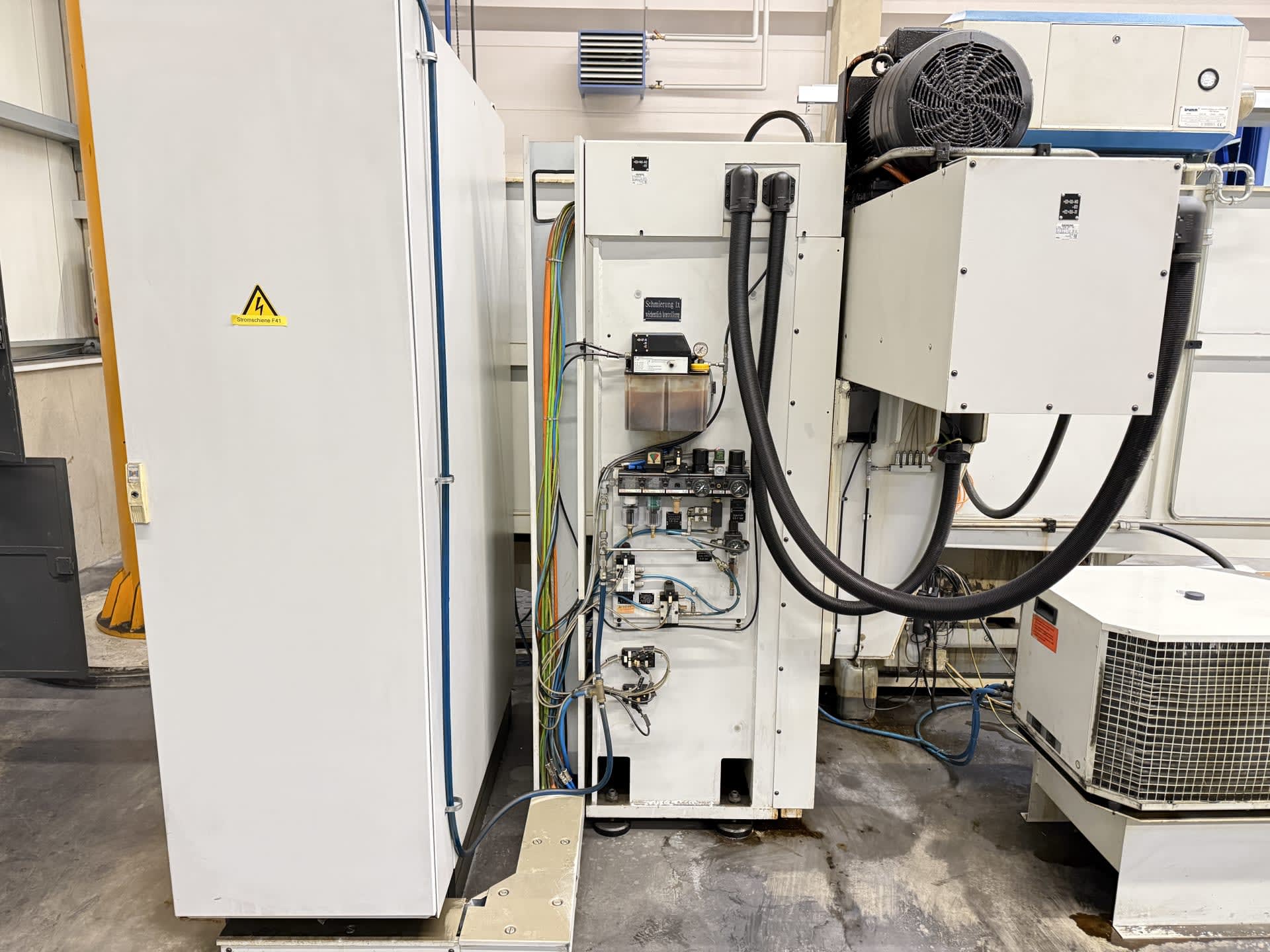
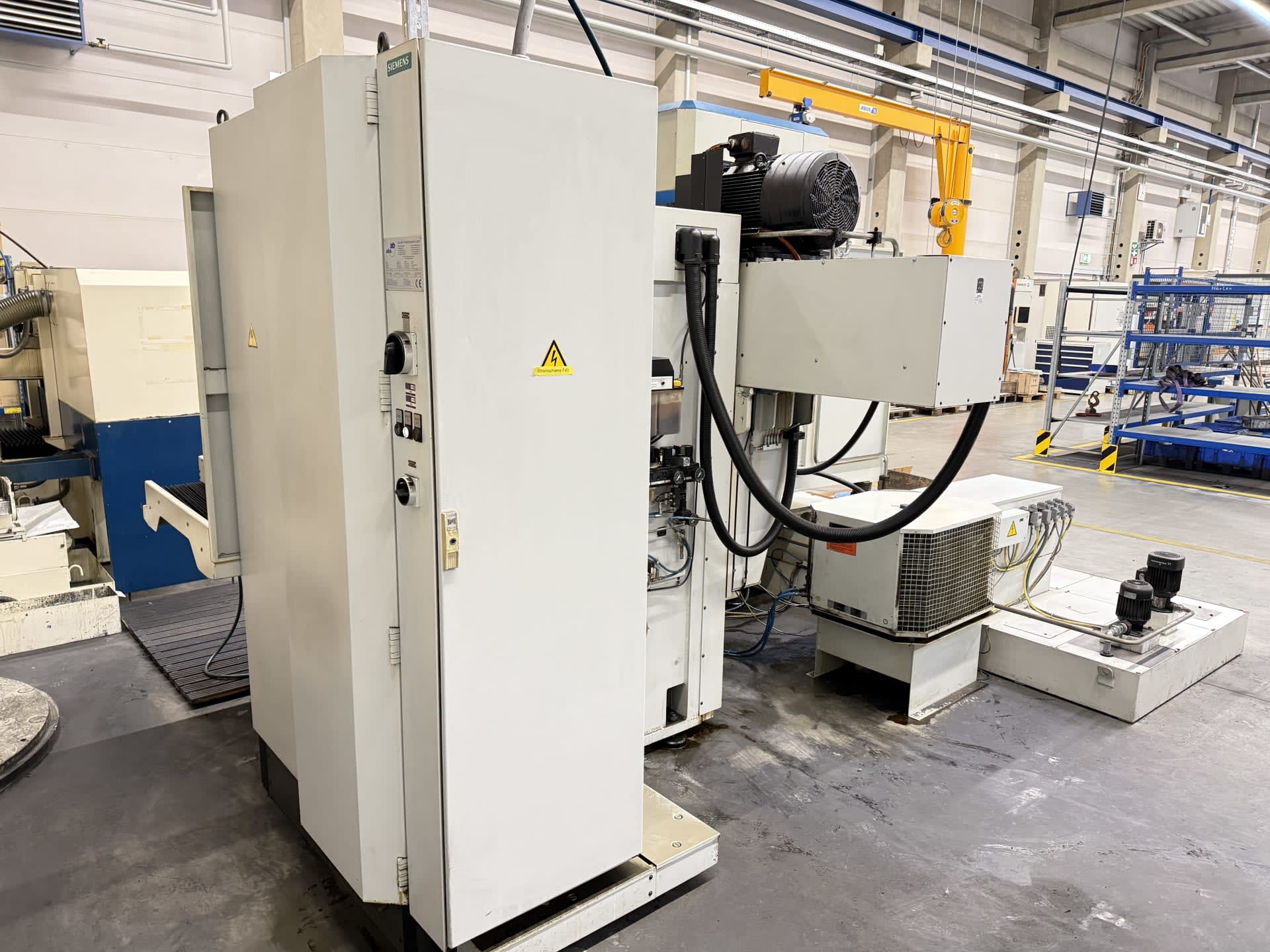
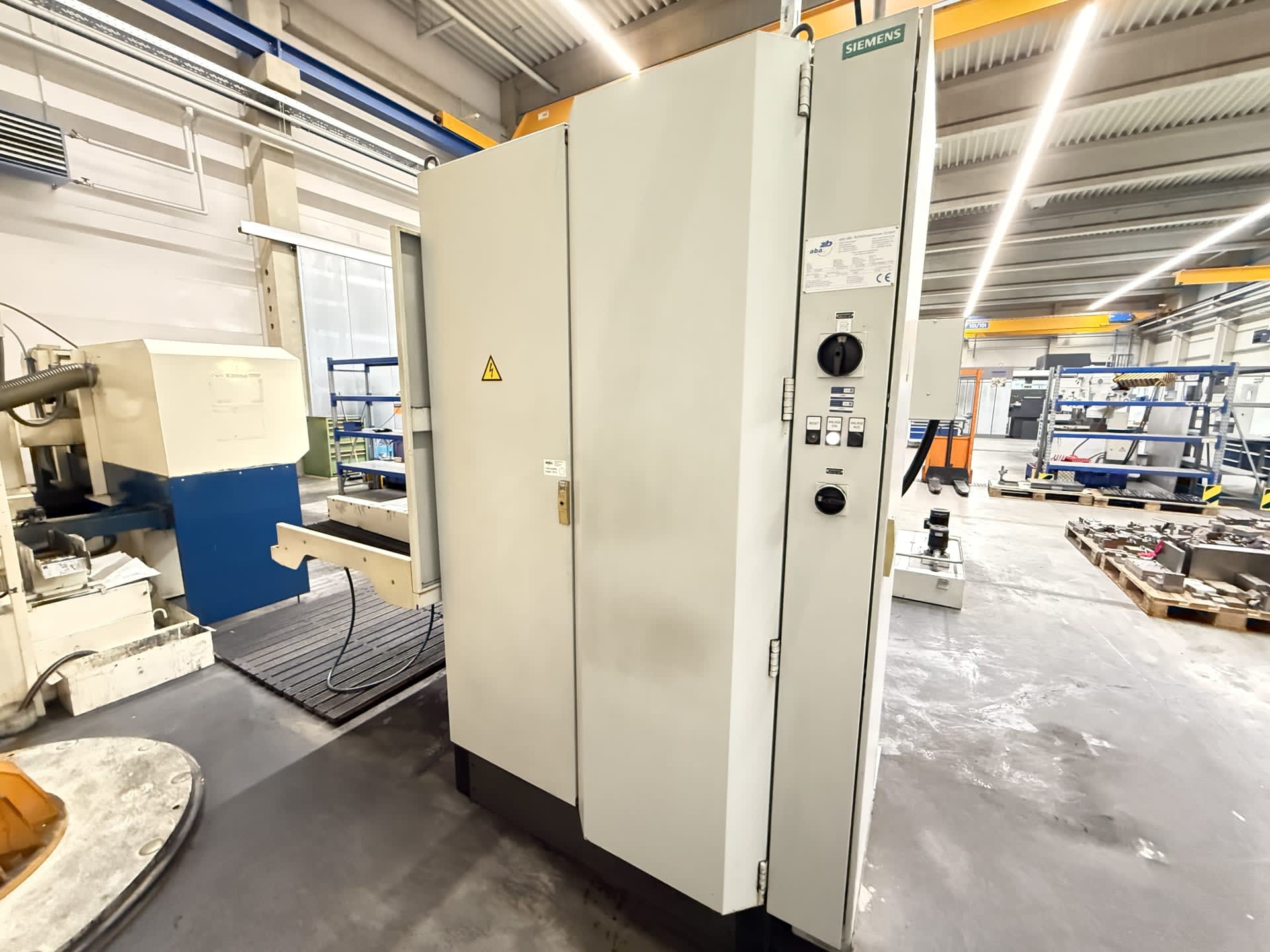
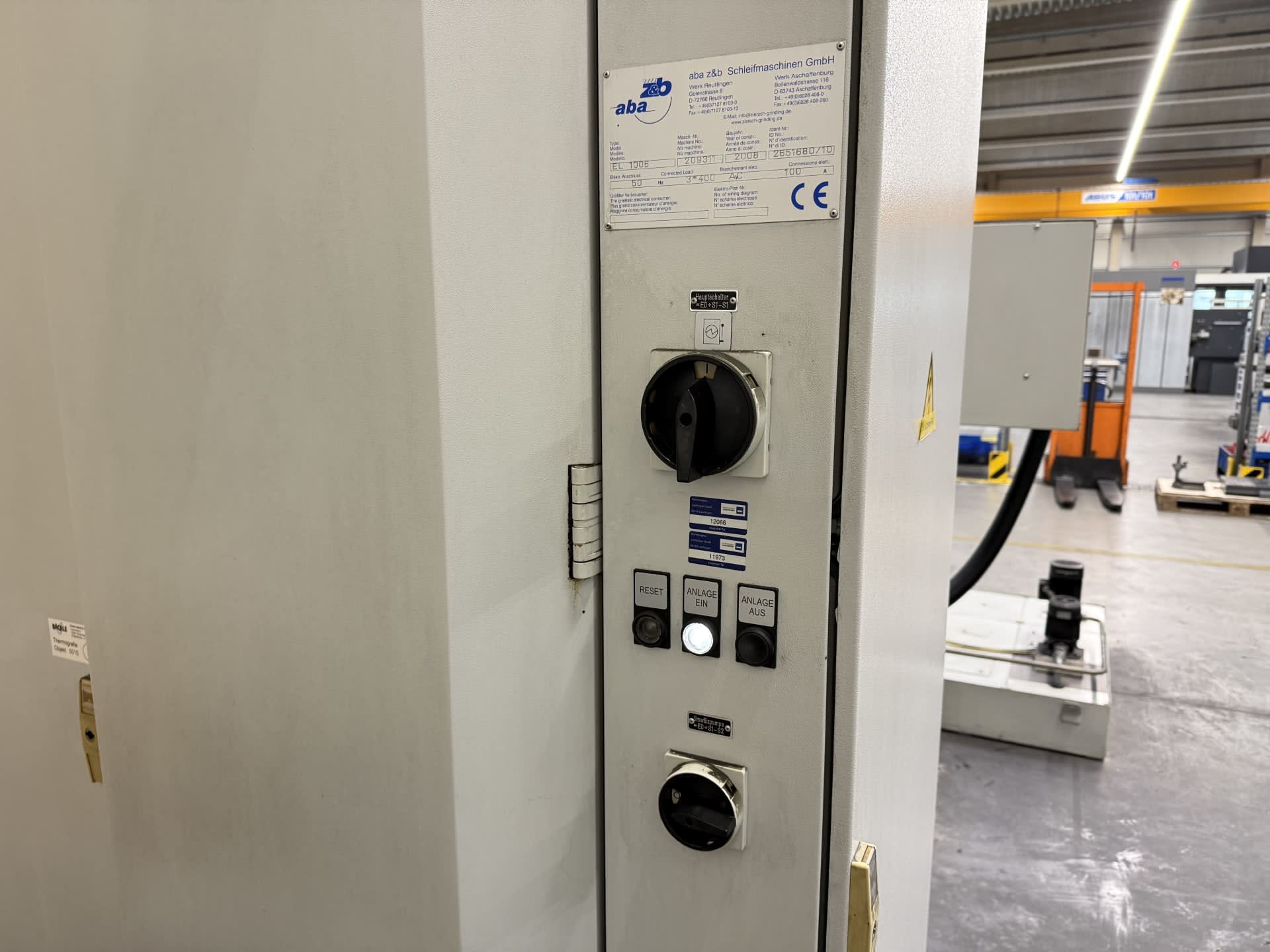
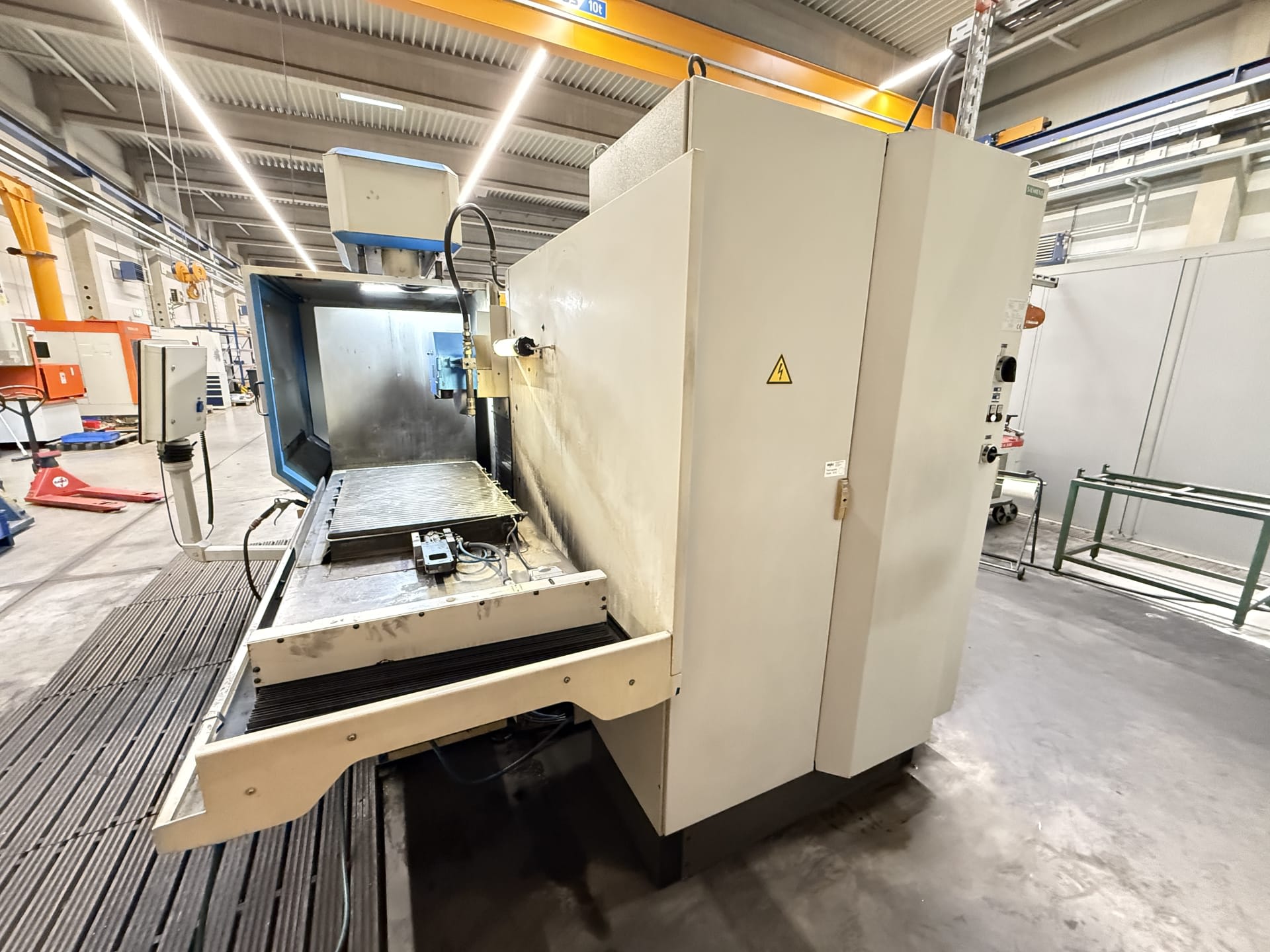
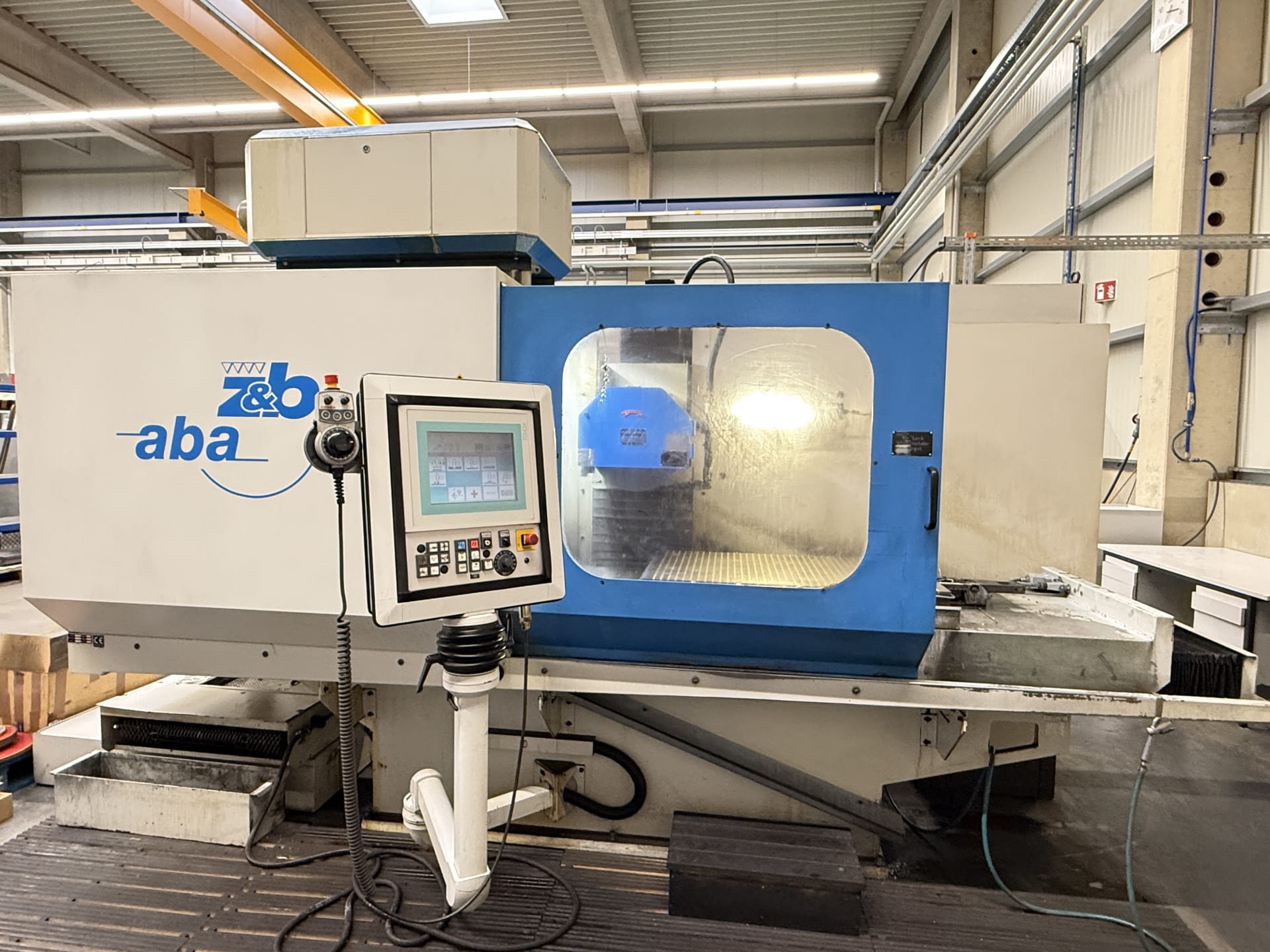
ABA EcoLine 1006A Surface Grinding Machine
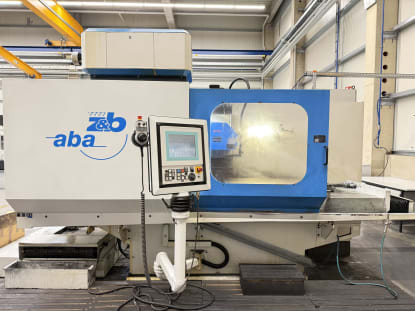
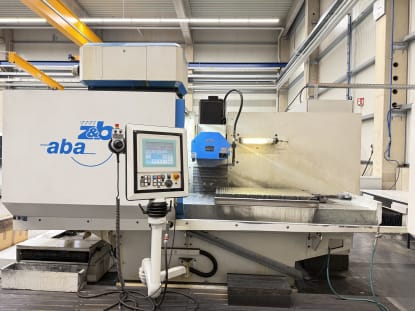
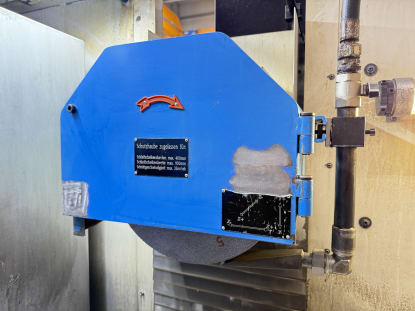
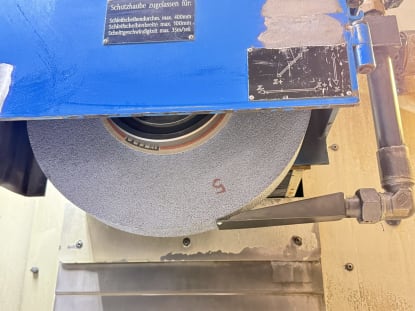
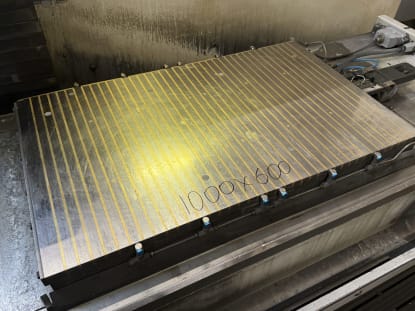
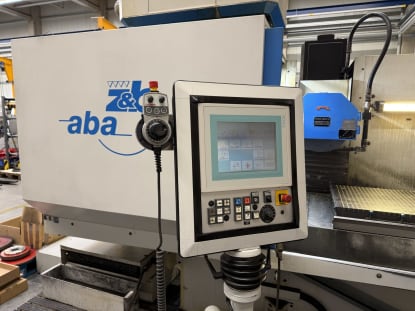
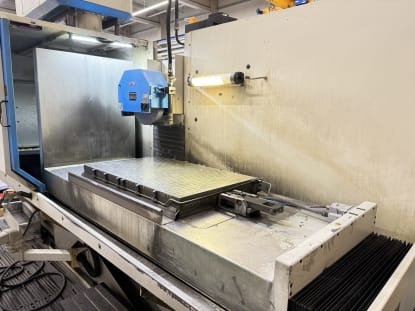
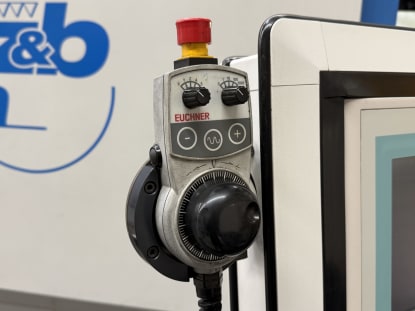
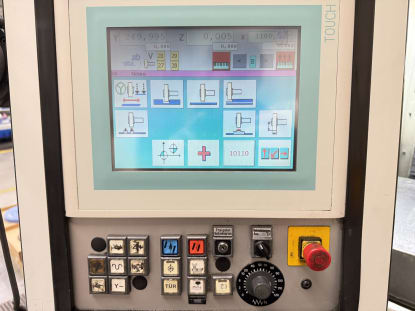
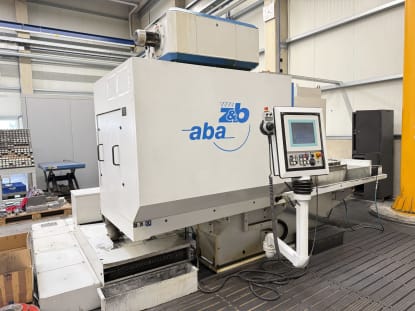
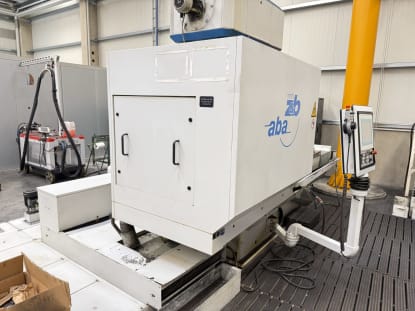
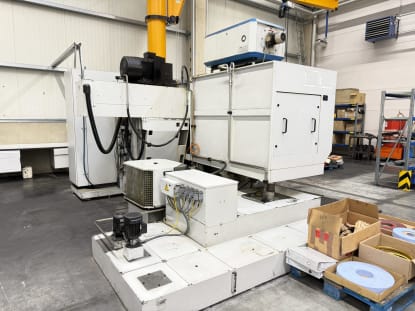
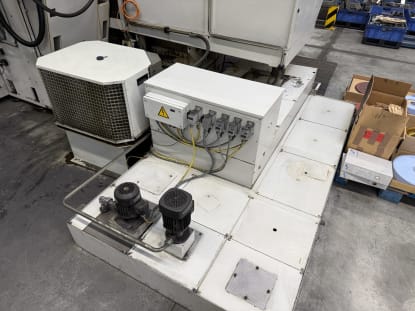
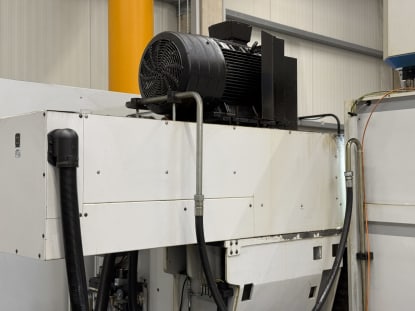
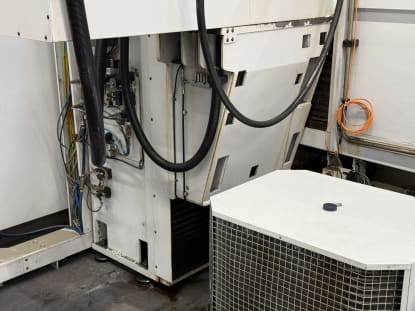
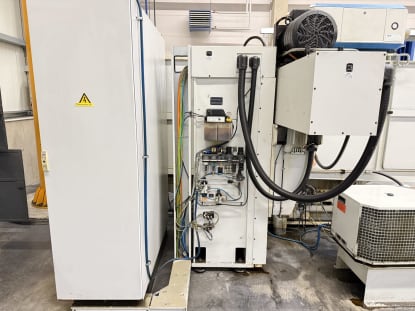
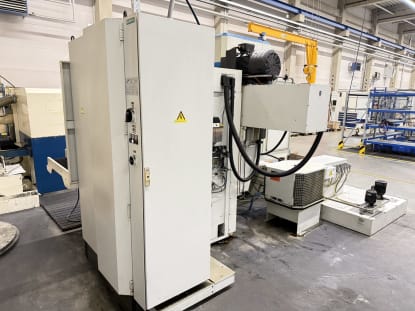
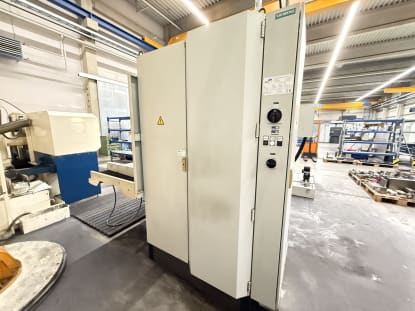
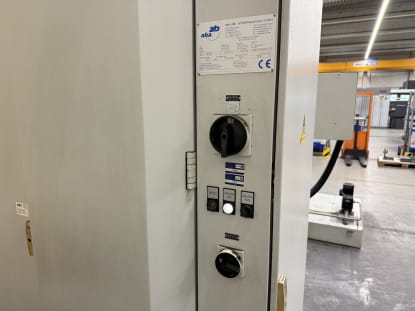
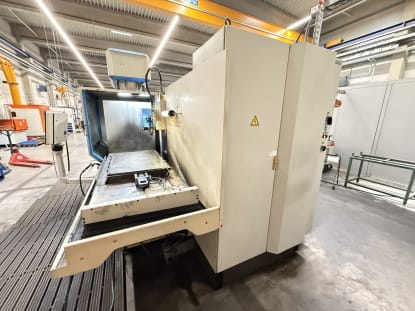
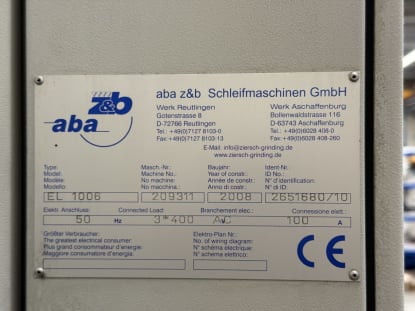
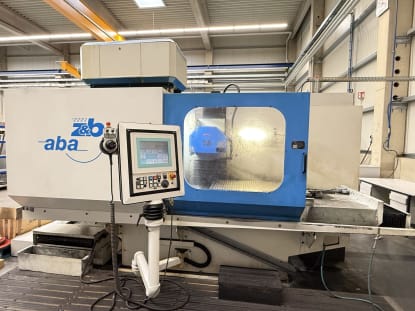
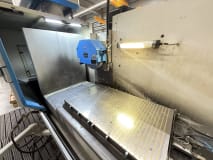
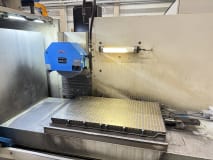
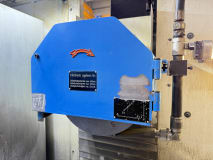
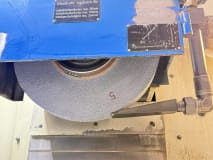
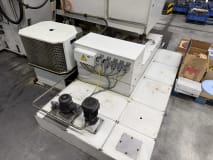
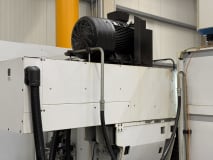
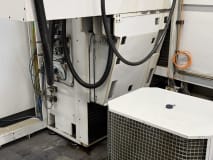
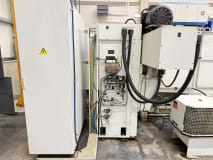
- Storage Number
- 26007-34
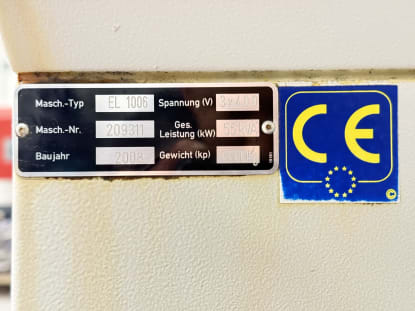
- Machine type
- Surface Grinding Machines
- Manufacturer
- ABA
- Type
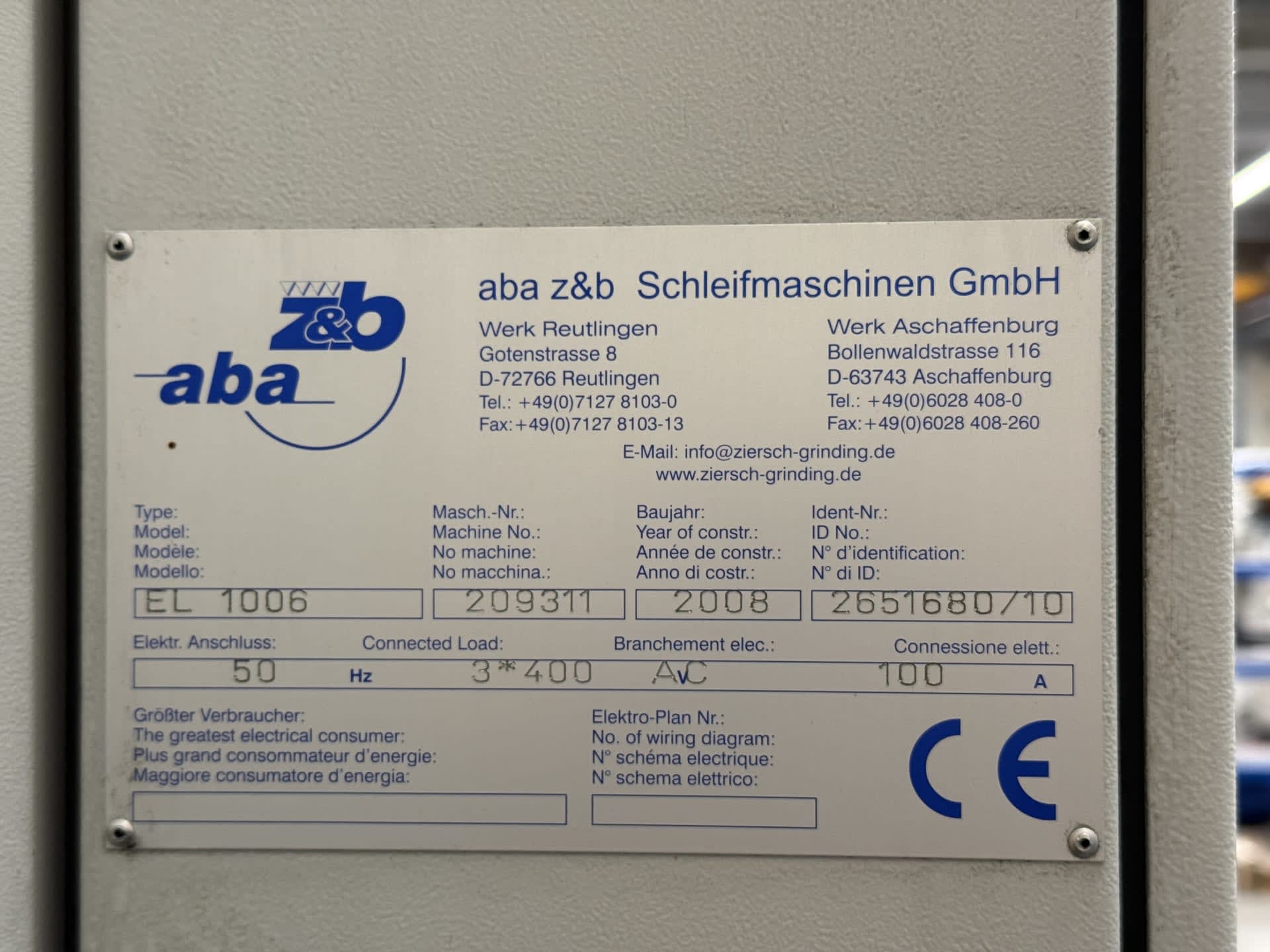
- EcoLine 1006A
- Year of construction
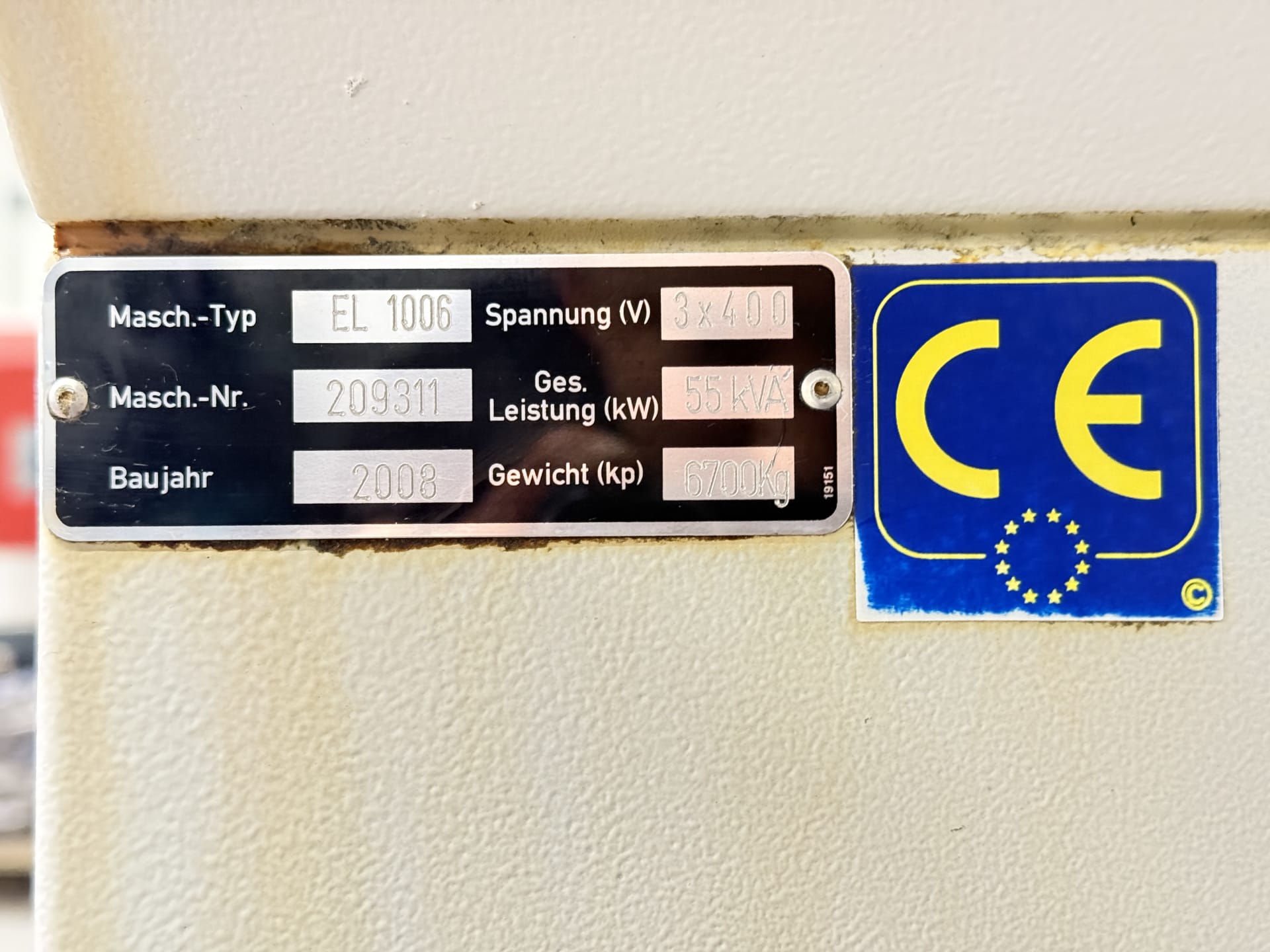
- 2008
- Location
- Laichingen, Germany
- Price
- This item is sold
- Dimensions (LxWxH) approx.
- 3900 x 2300 x 2800 mm
- Weight approx.
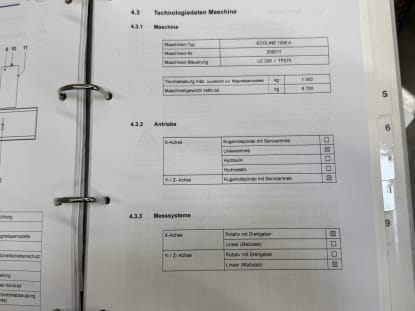
- 6,700 kg
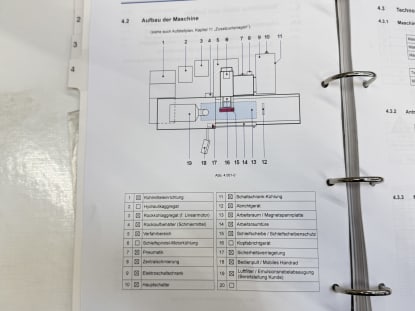
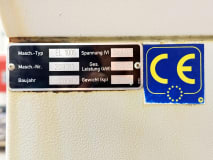
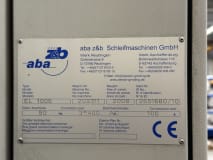
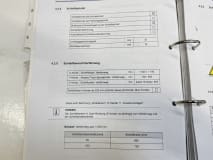
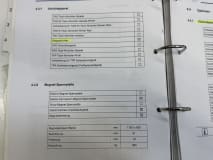
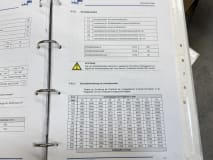
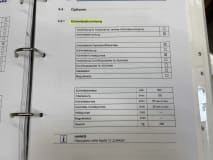
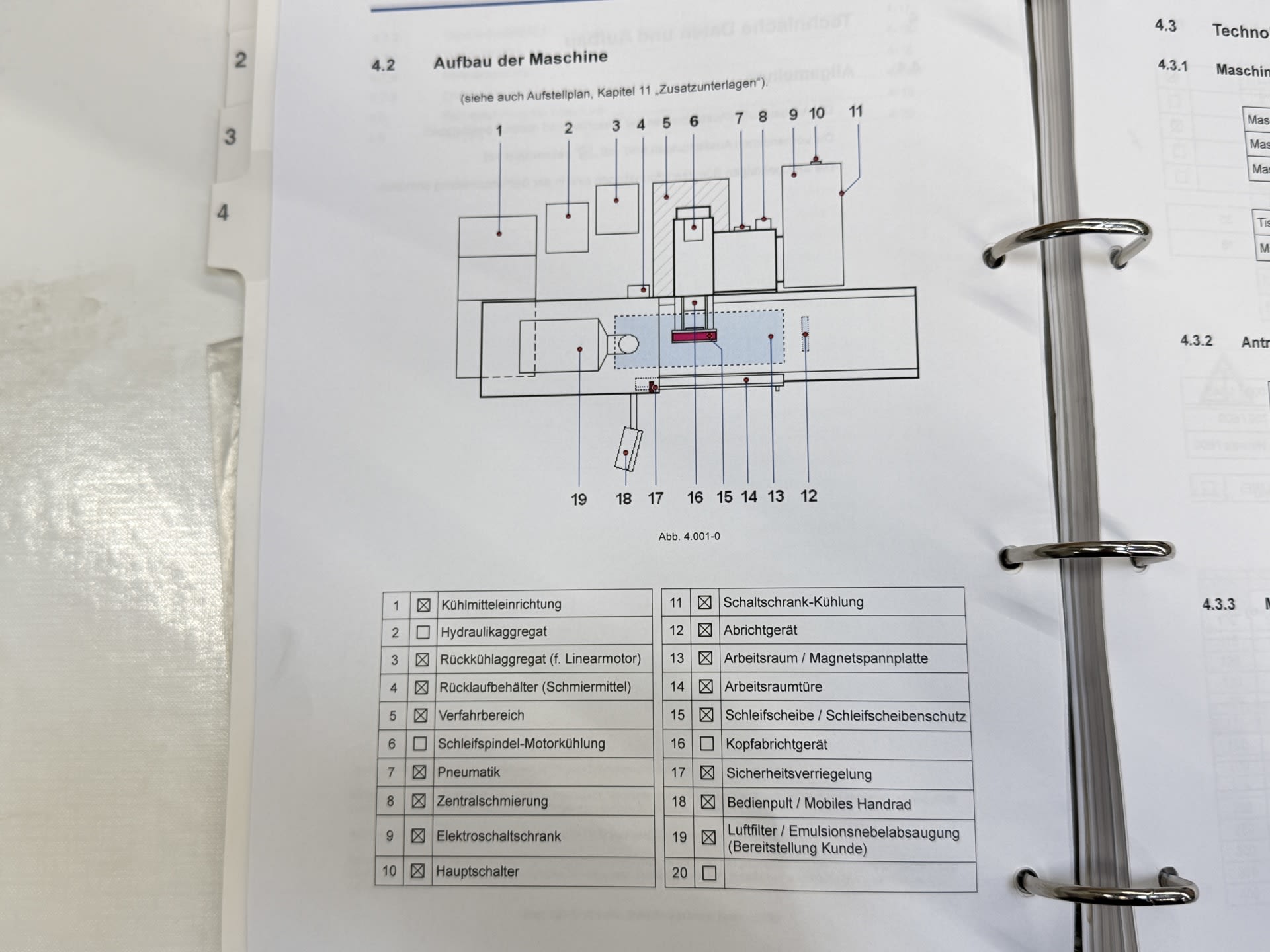
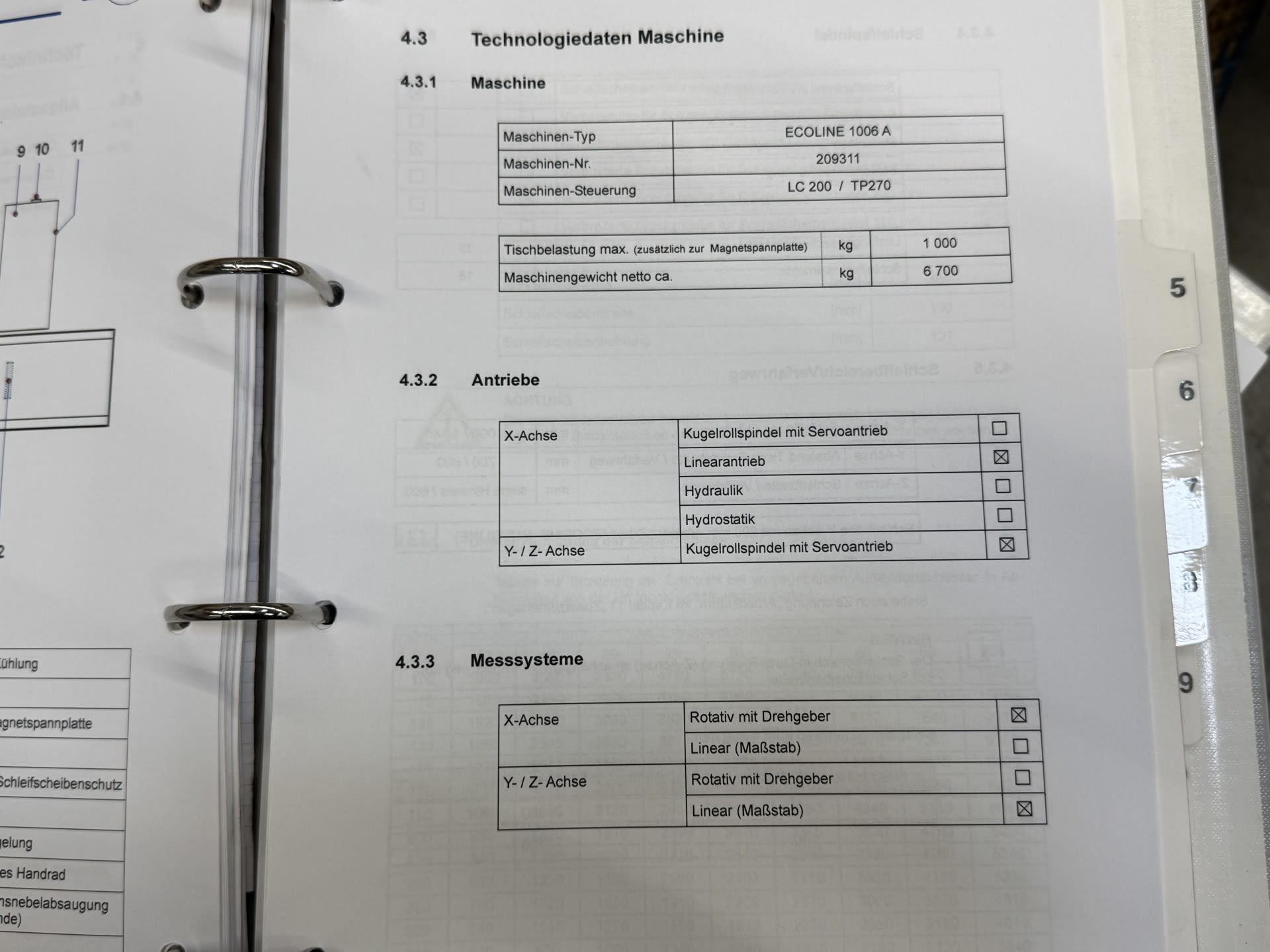
Machine Number: 209311
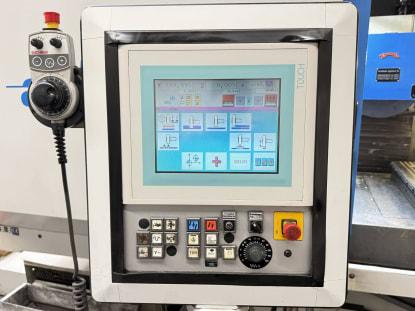
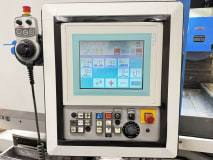
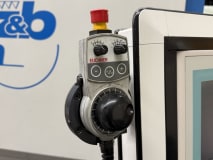
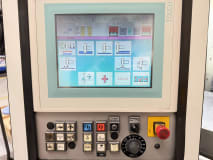
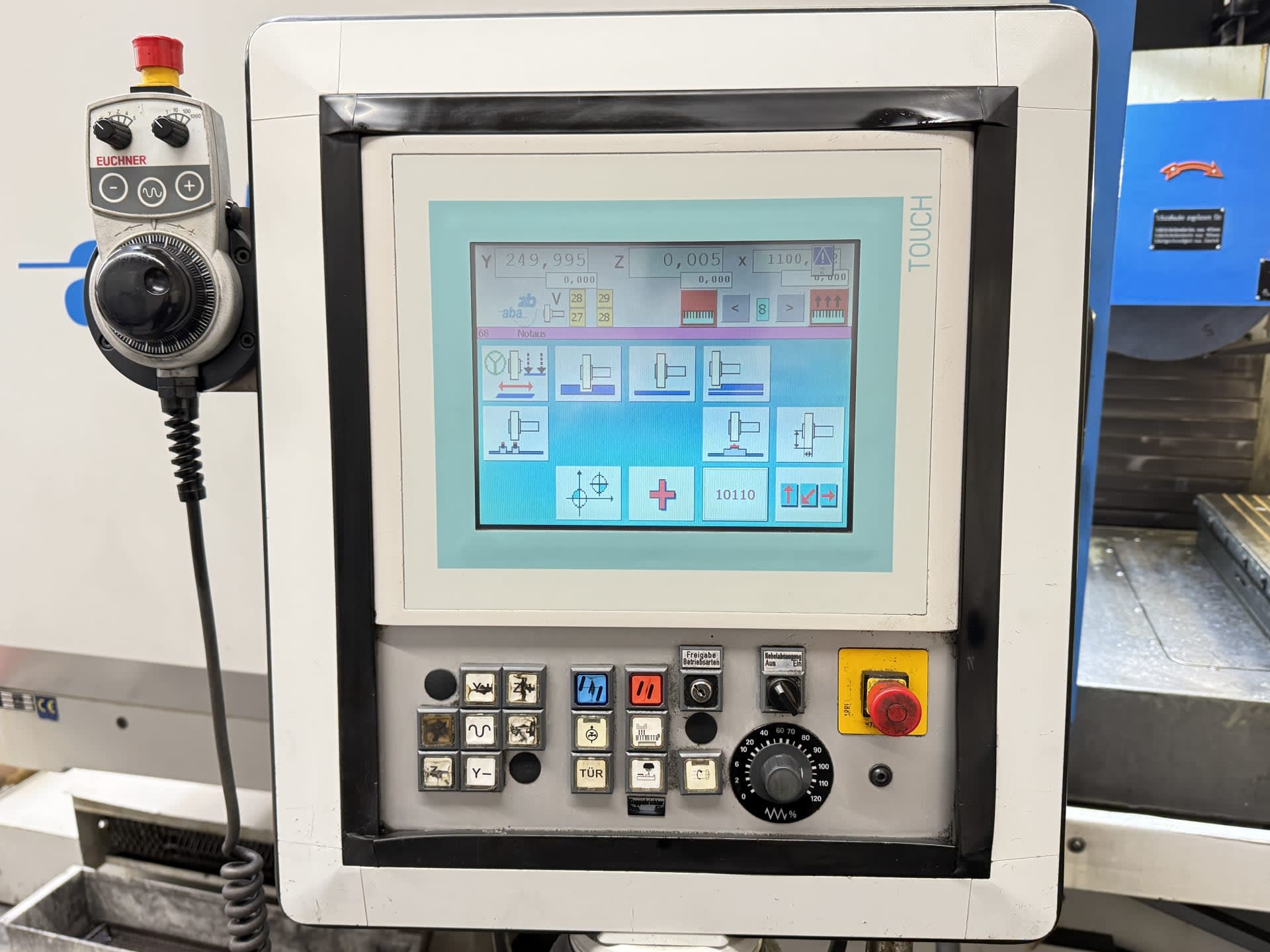
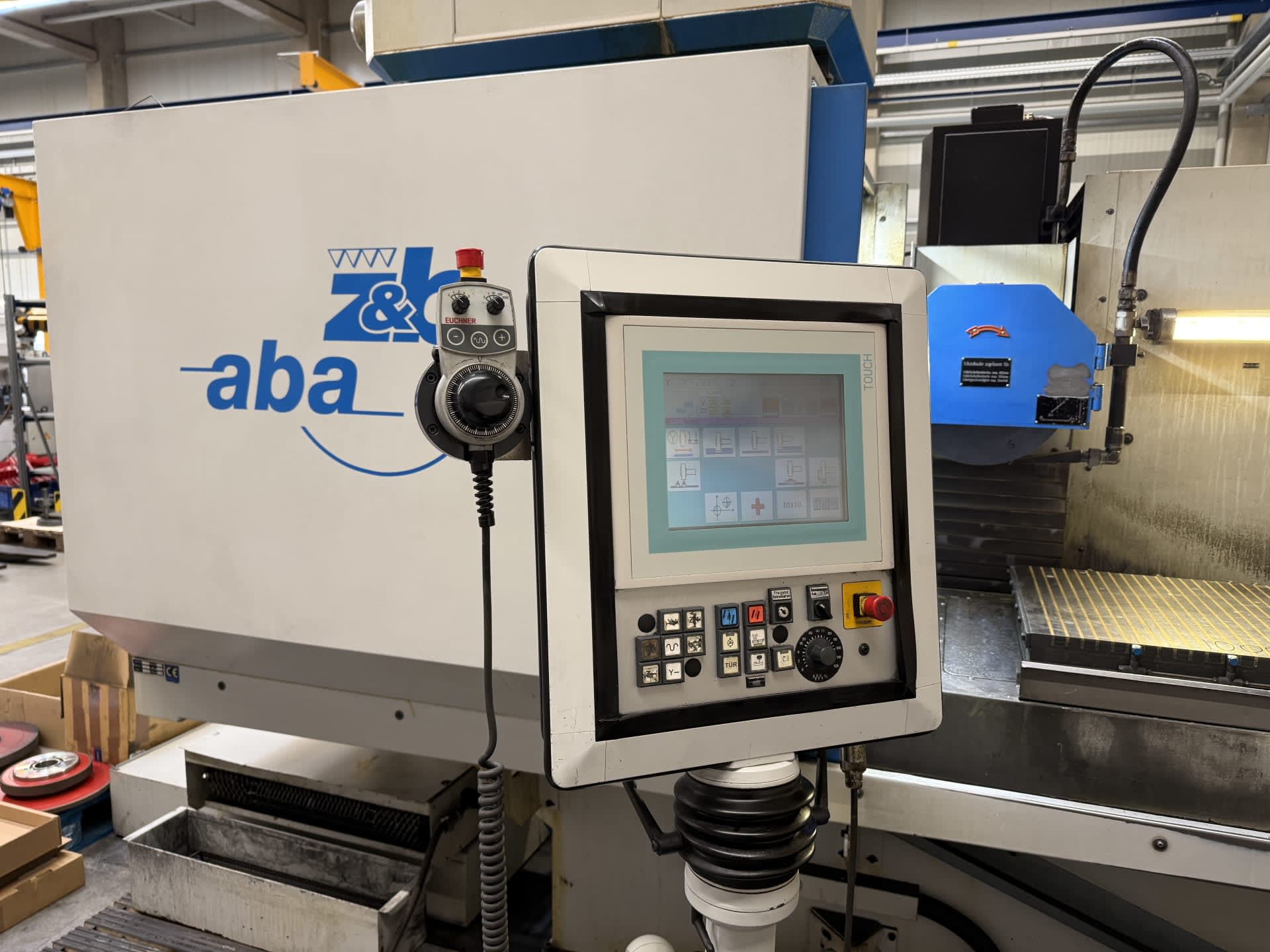
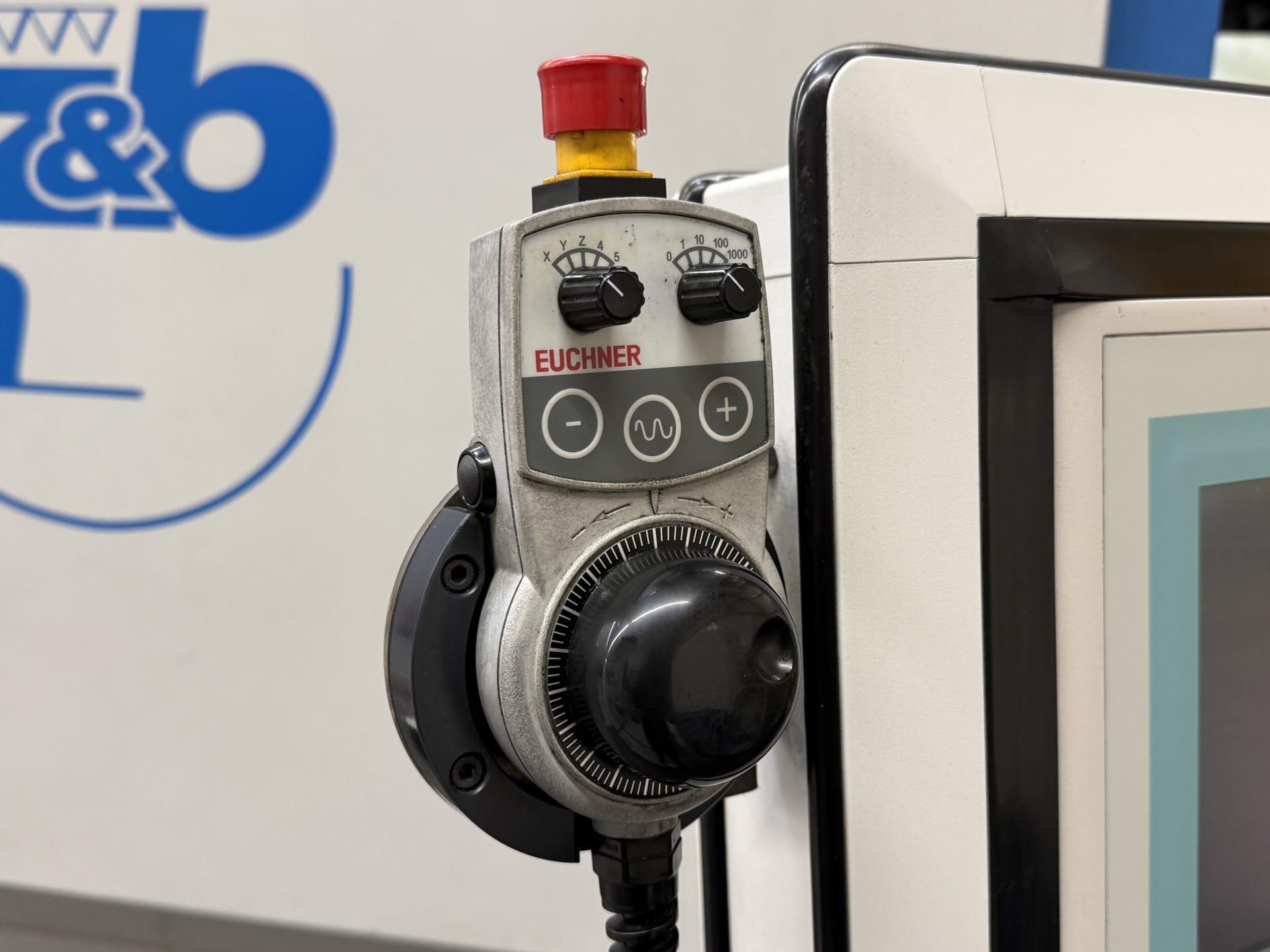
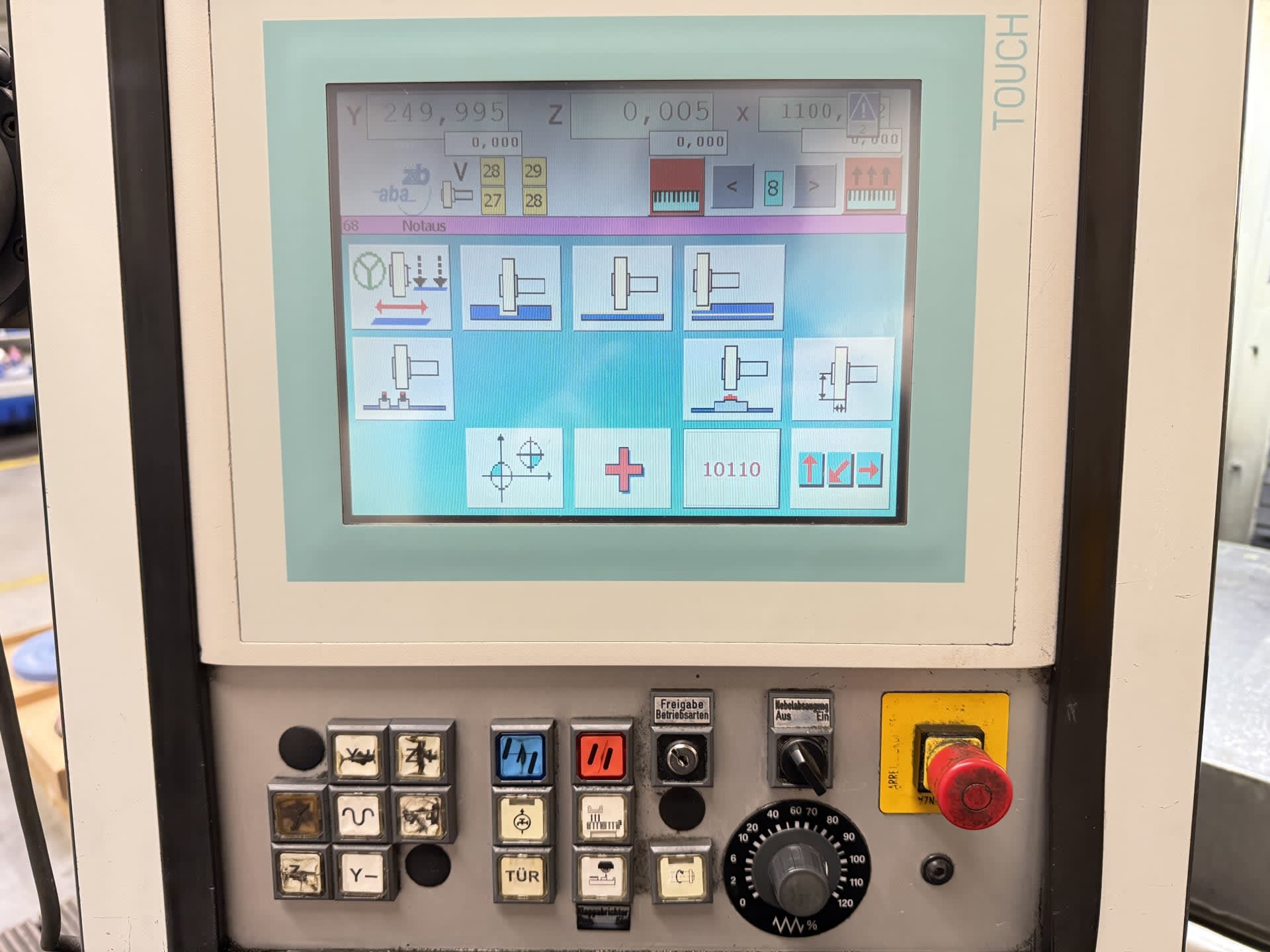
Control System: LC Control with Touch Panel
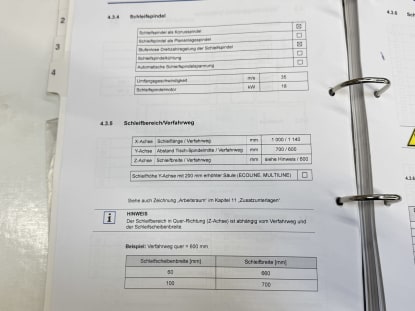
Travel Paths:
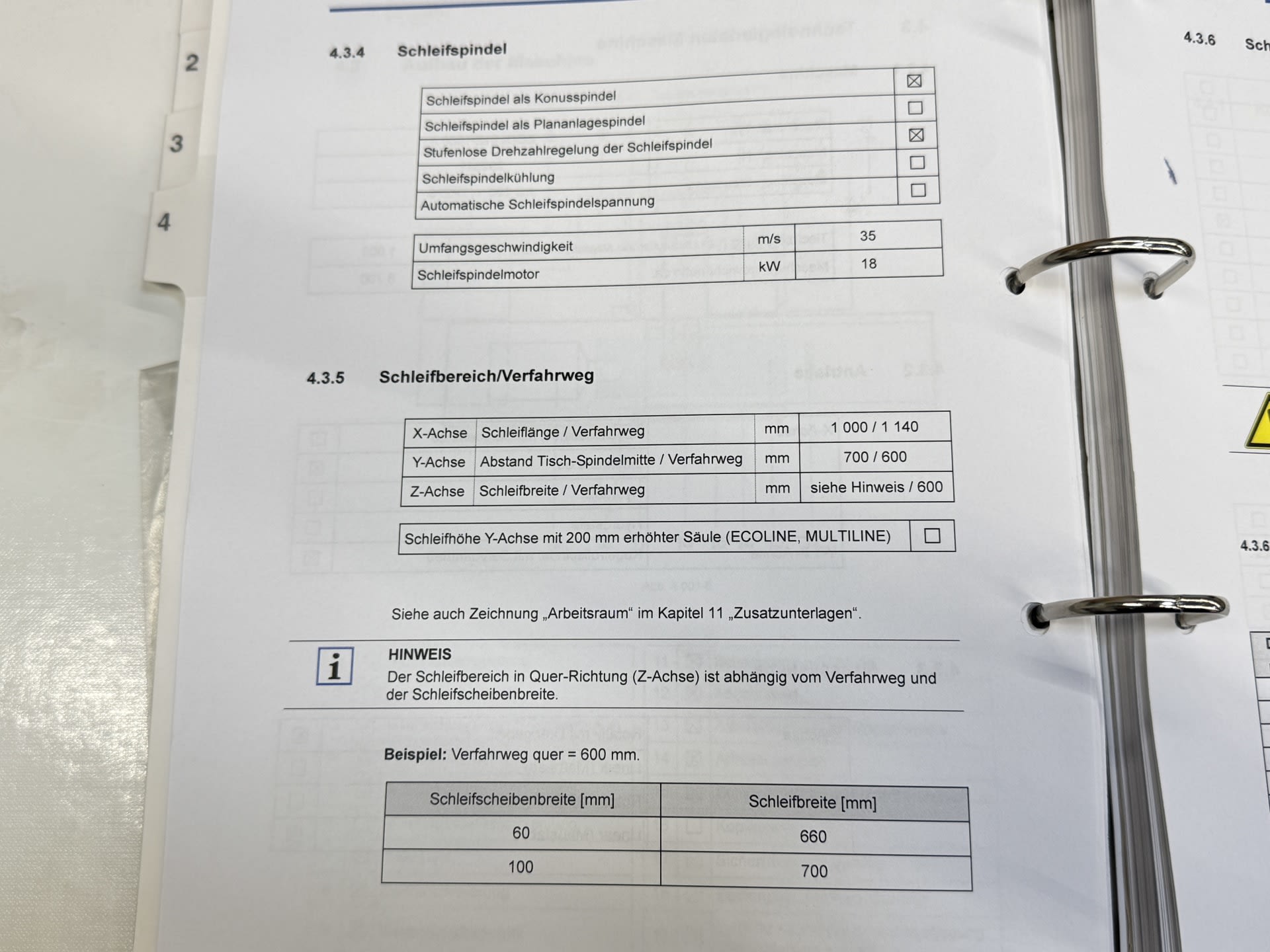
X: 1000 mm
Y: 600 mm
Z: approx. 700 mm distance table–spindle center
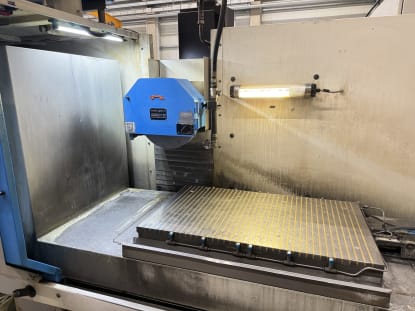
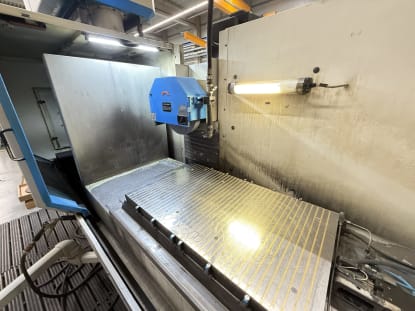
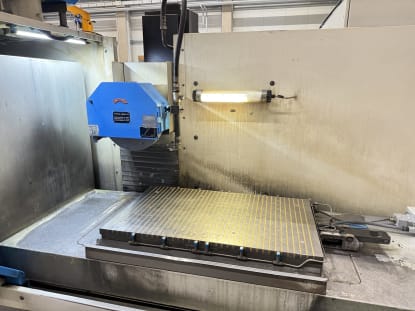
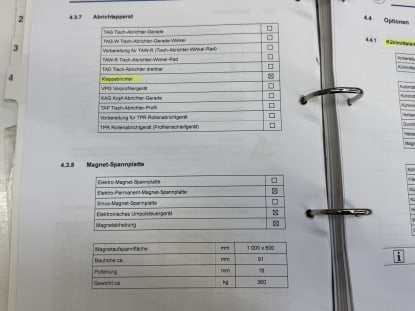
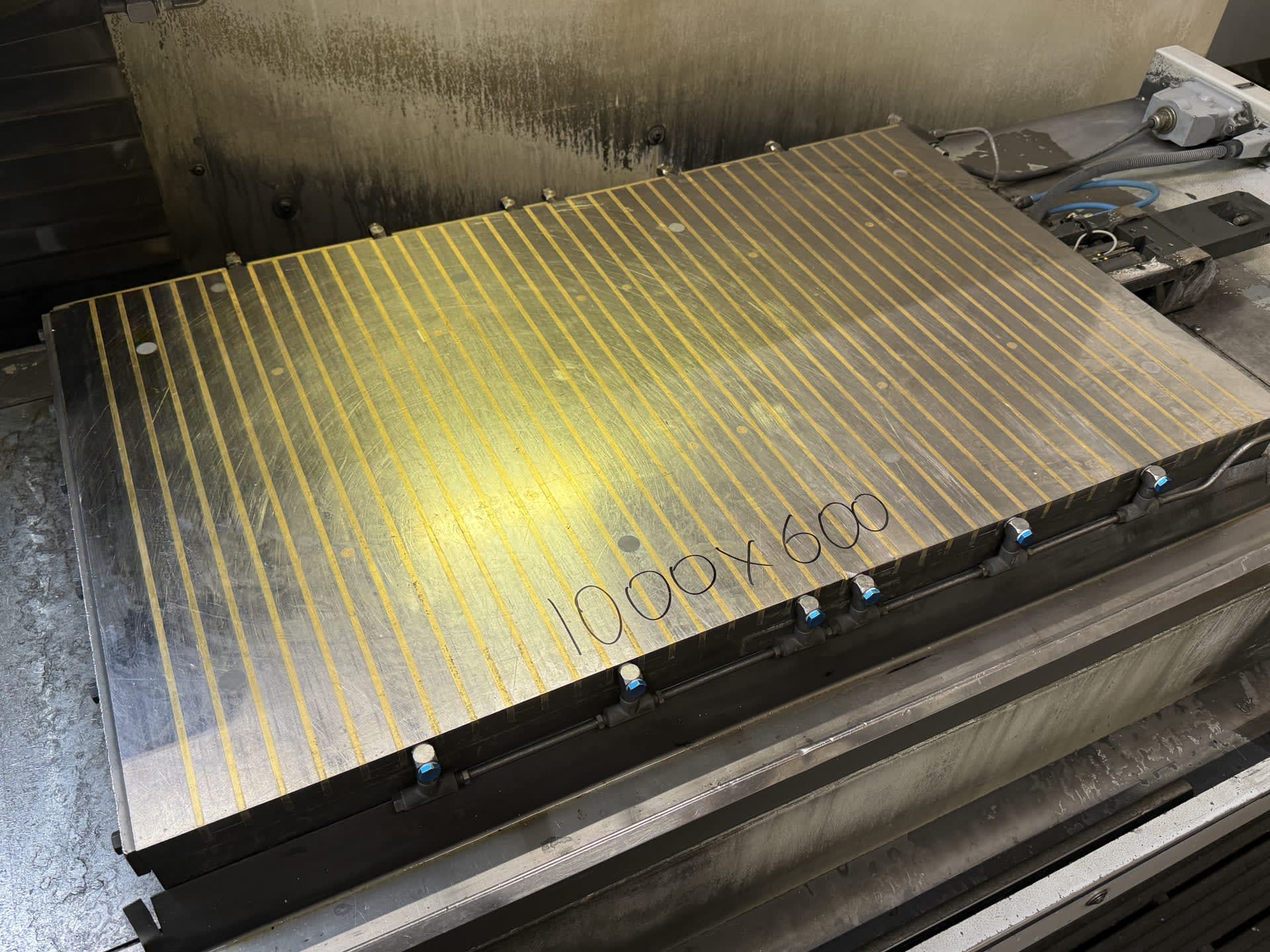
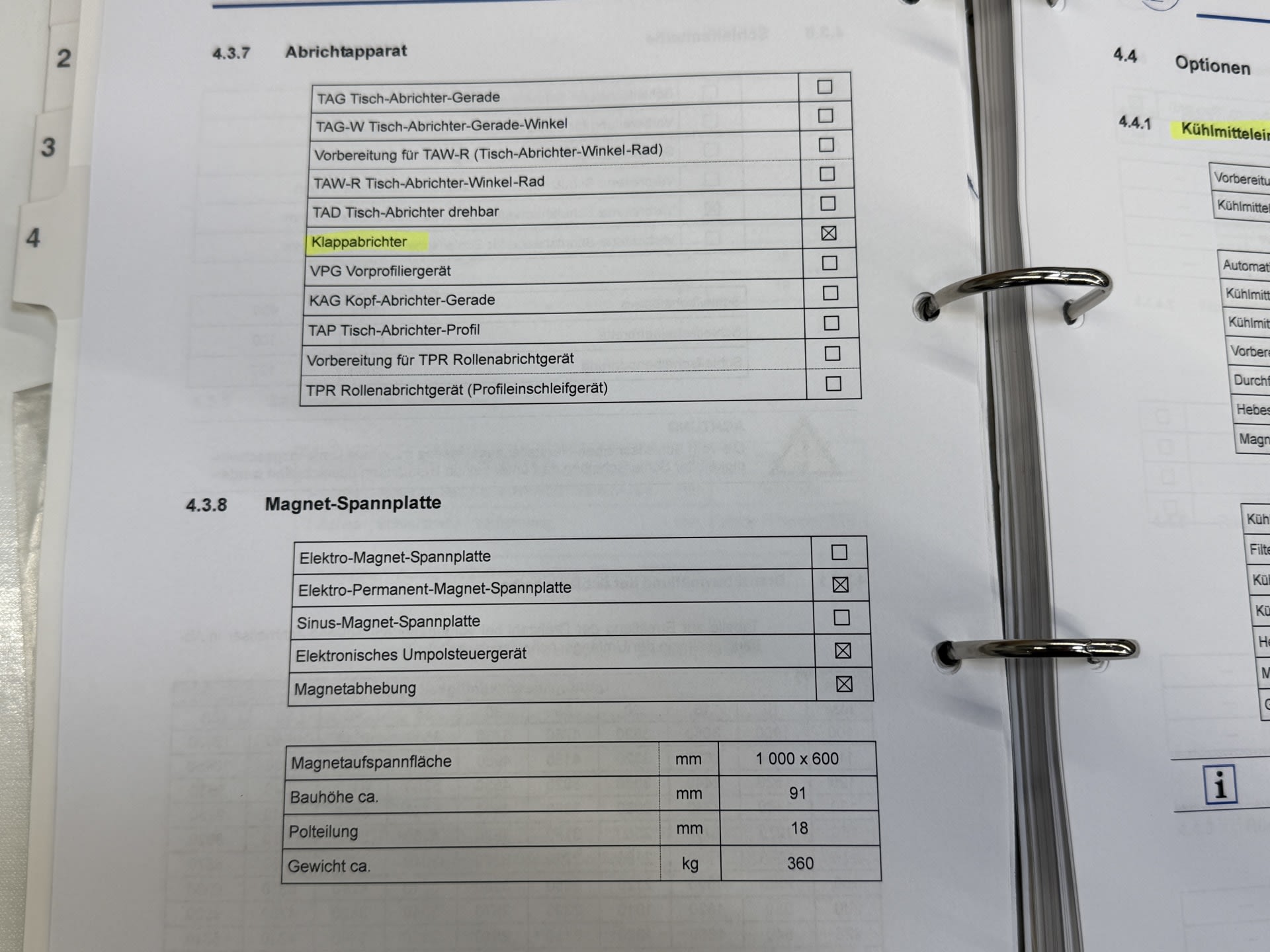
Magnetic Clamping Plate:
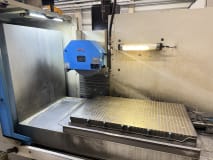
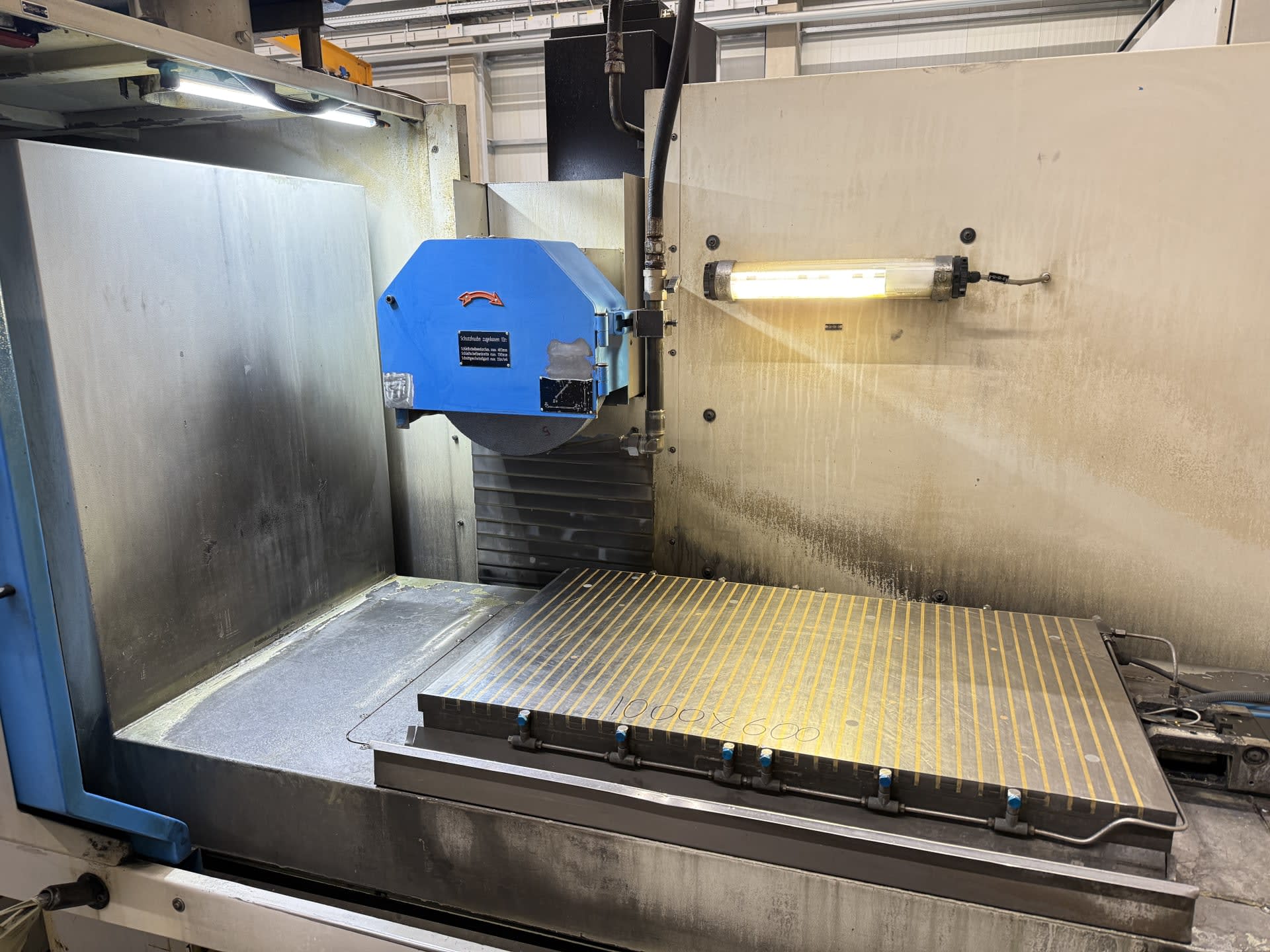
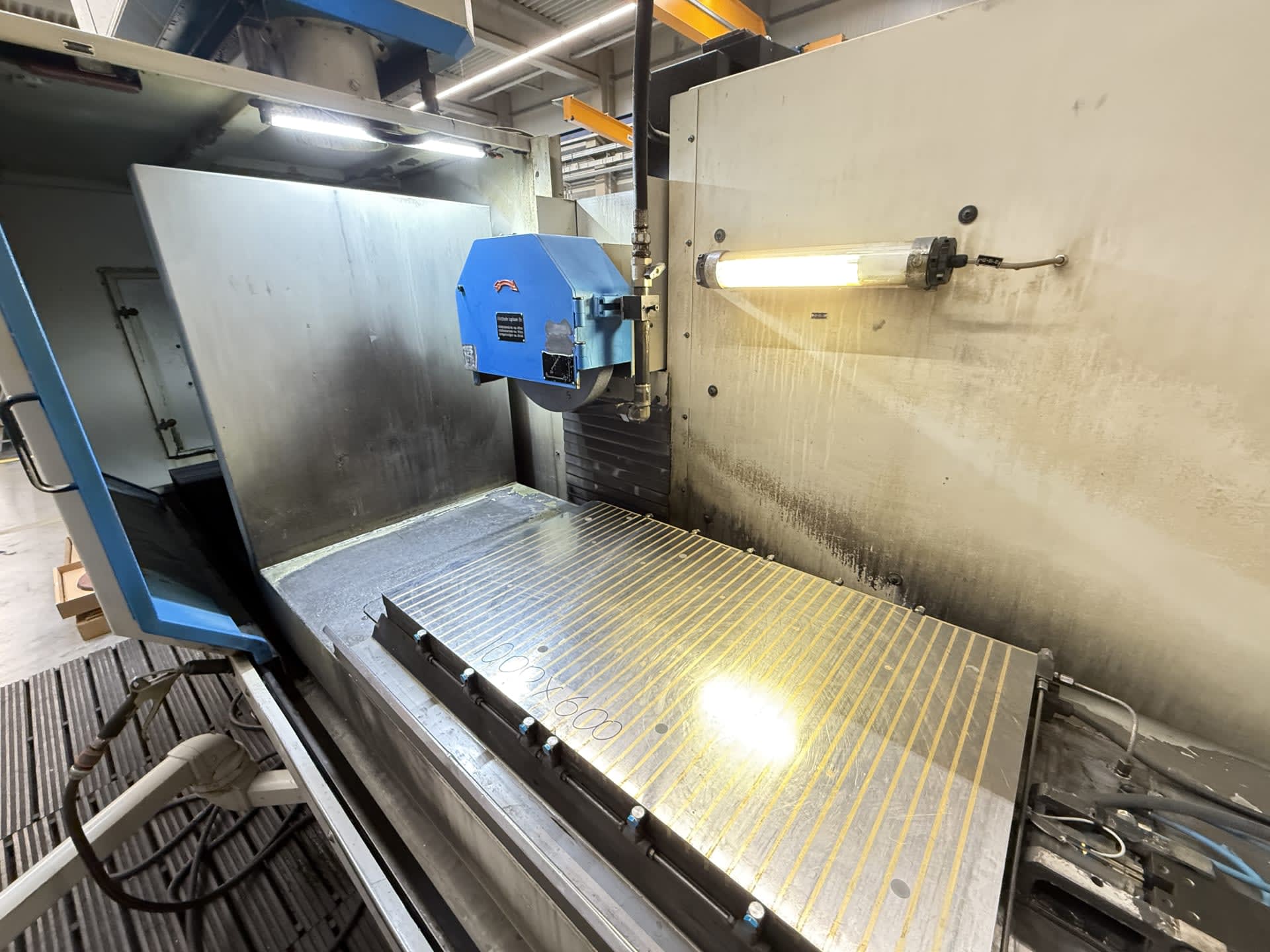
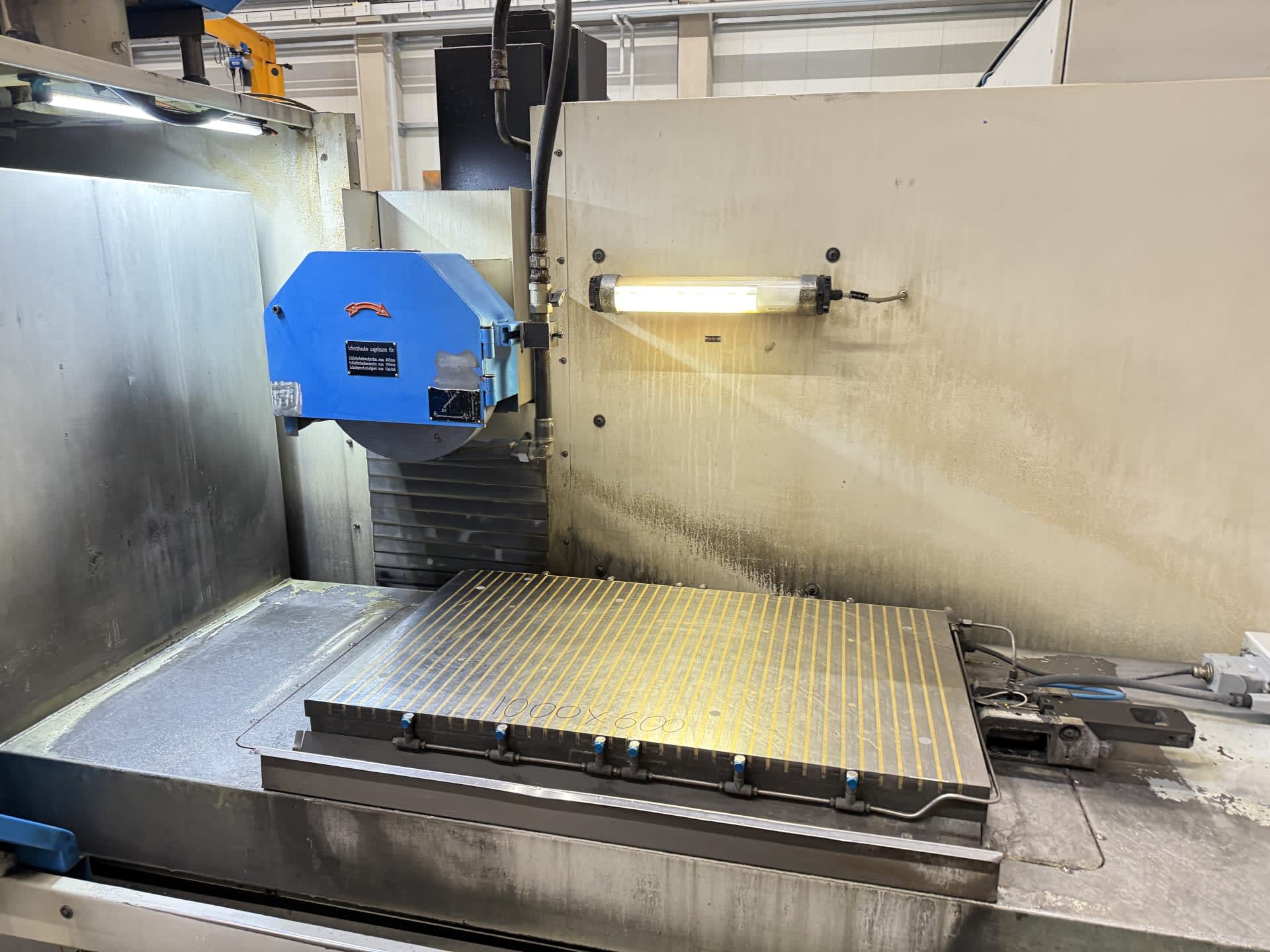
1000 x 500 mm - Electro-Permanent
Table Load Capacity: approx. 1000 kg
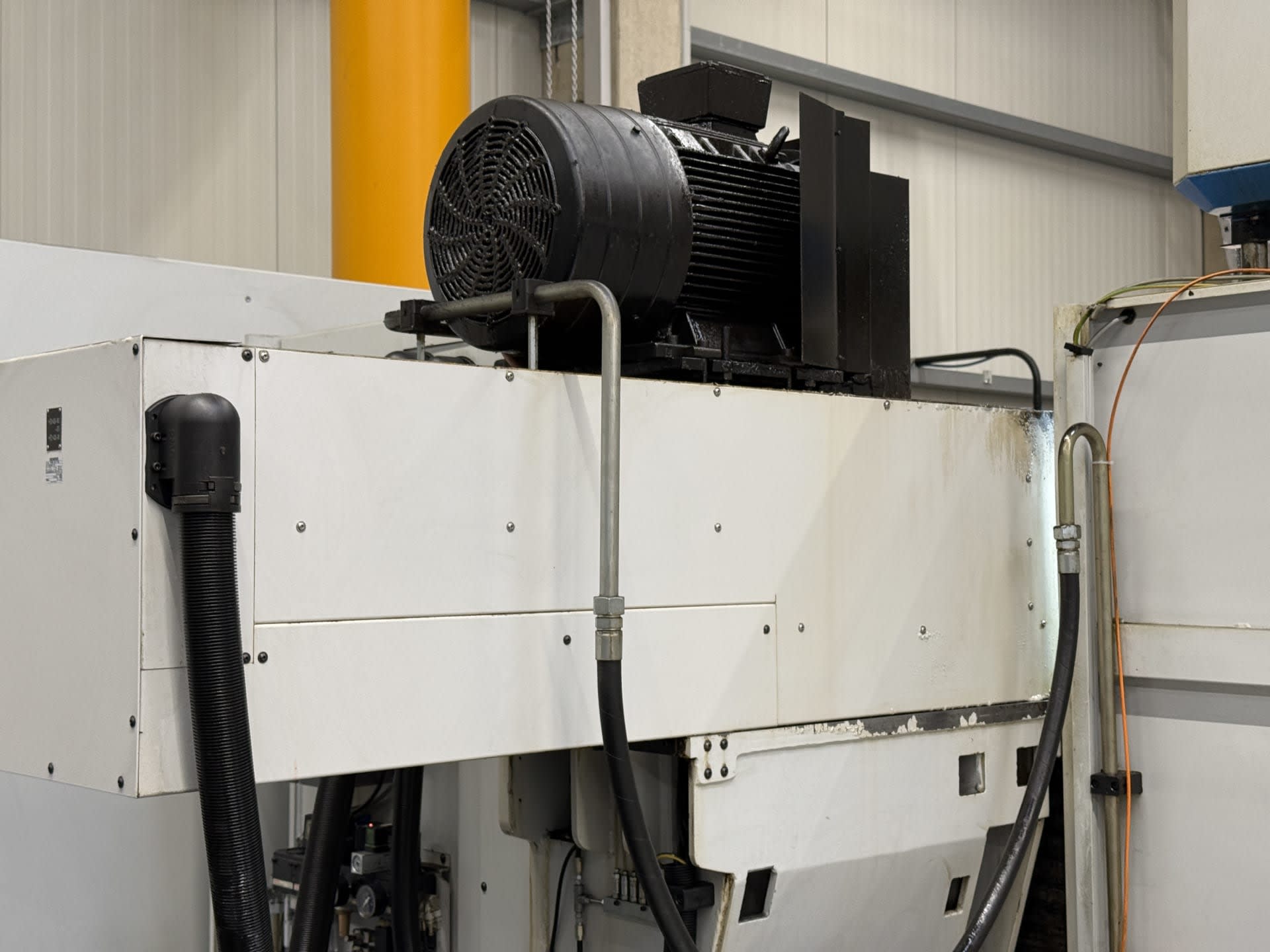
Spindle: Power: 7.5 kW (optional 18 kW) - Speed Control
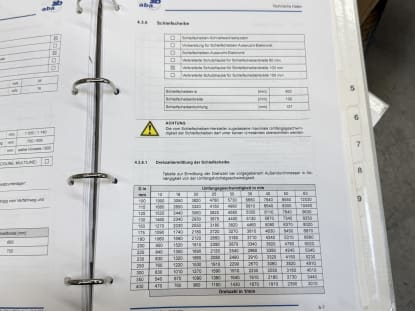
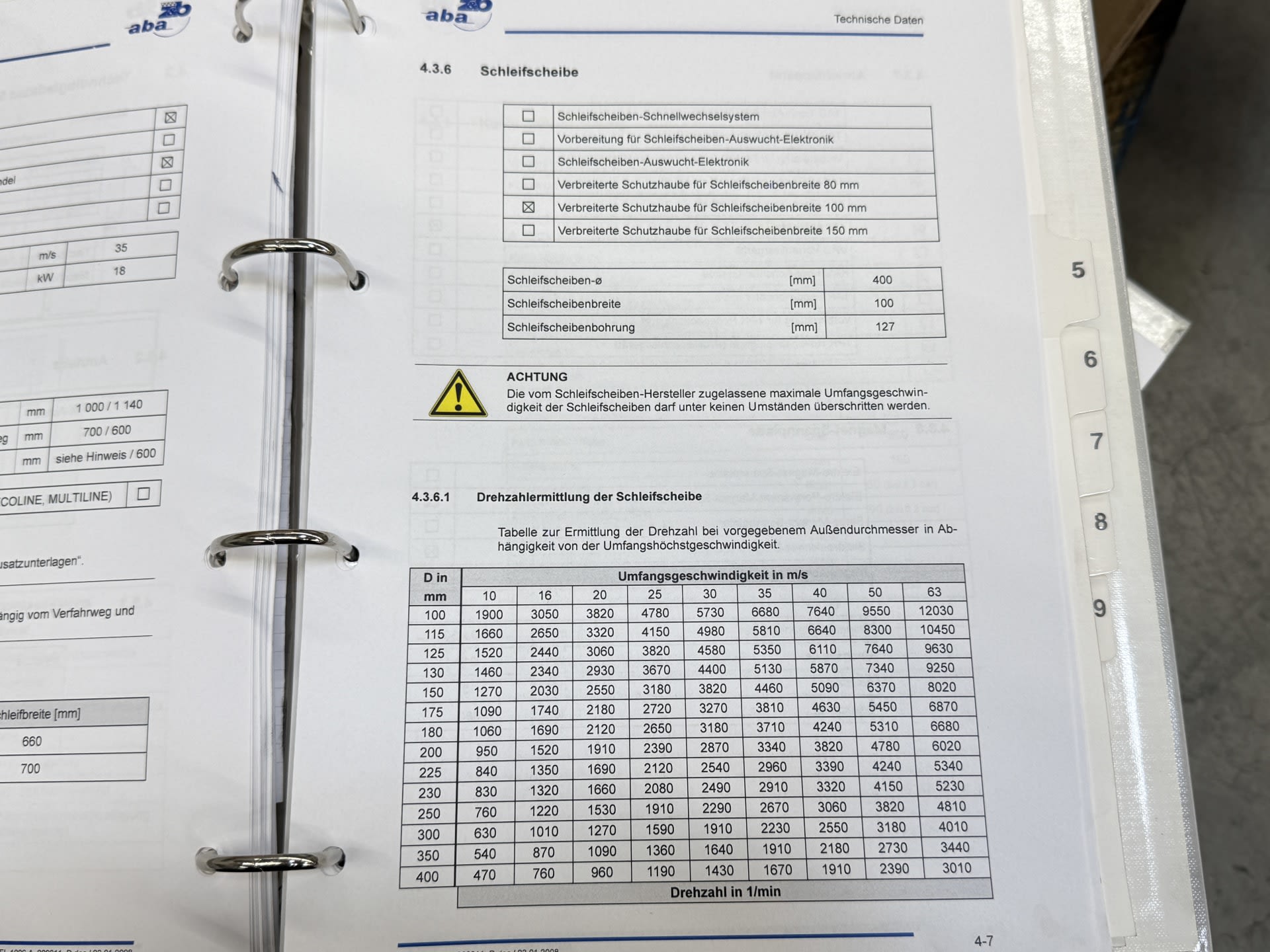
Grinding Wheel:
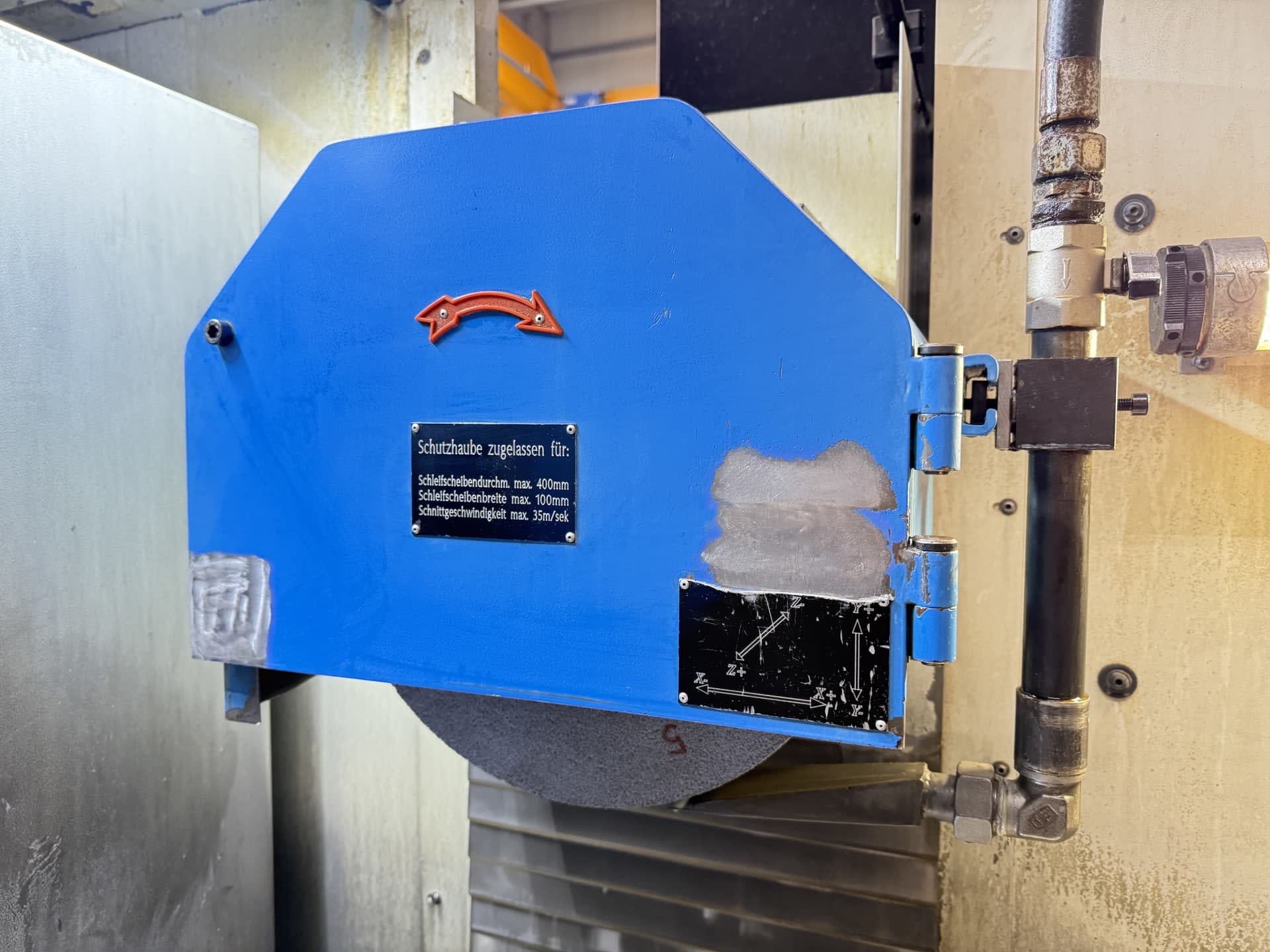
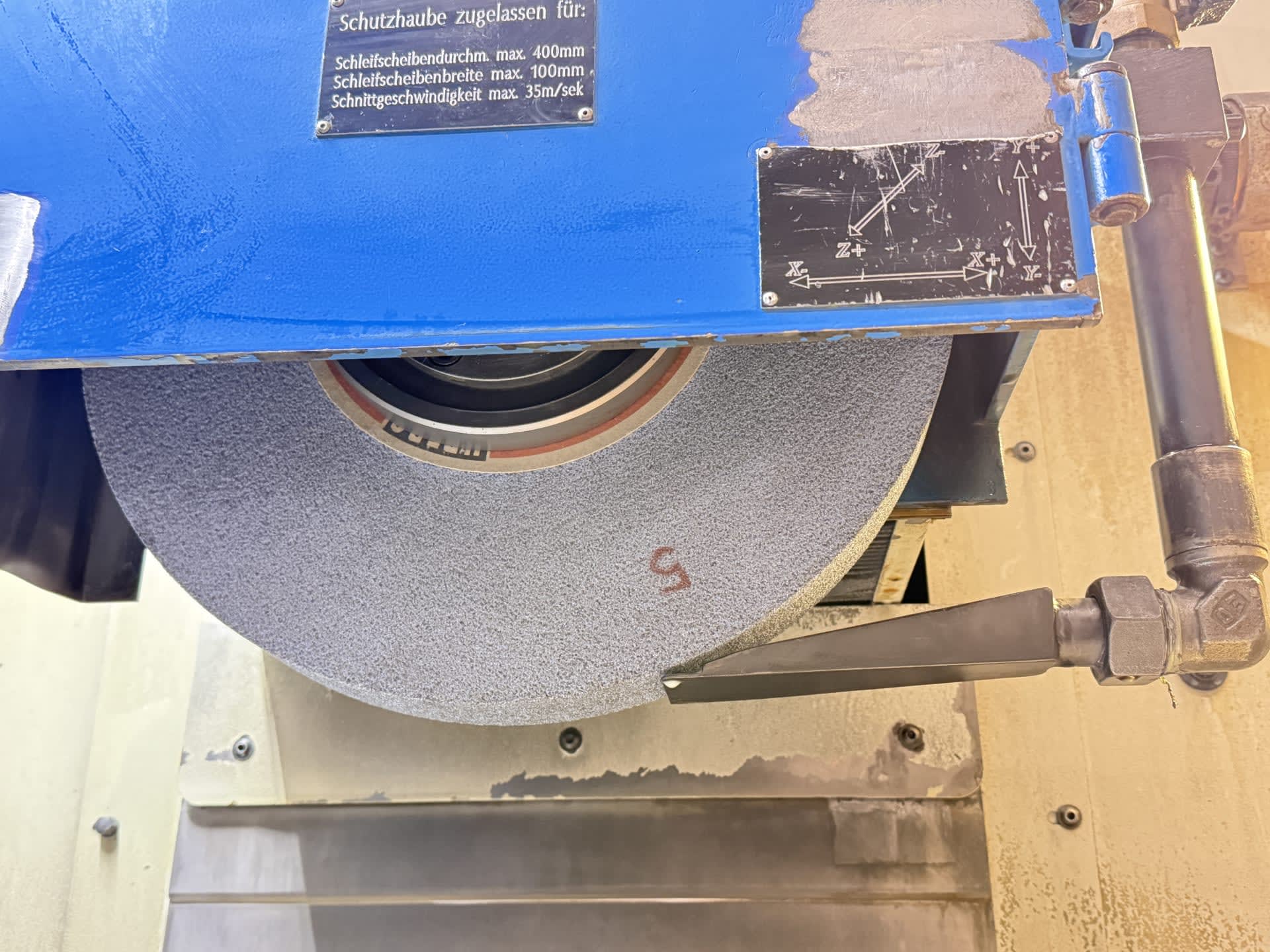
400 x 60 (100) x 127 mm
Table Speed: 2 – 60 m/min
Cross Feed: 2 – 60 mm/pulse - continuous up to 5 m/min
Equipment:
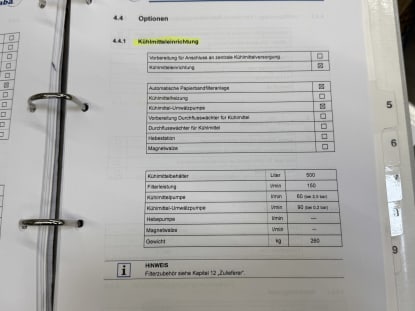
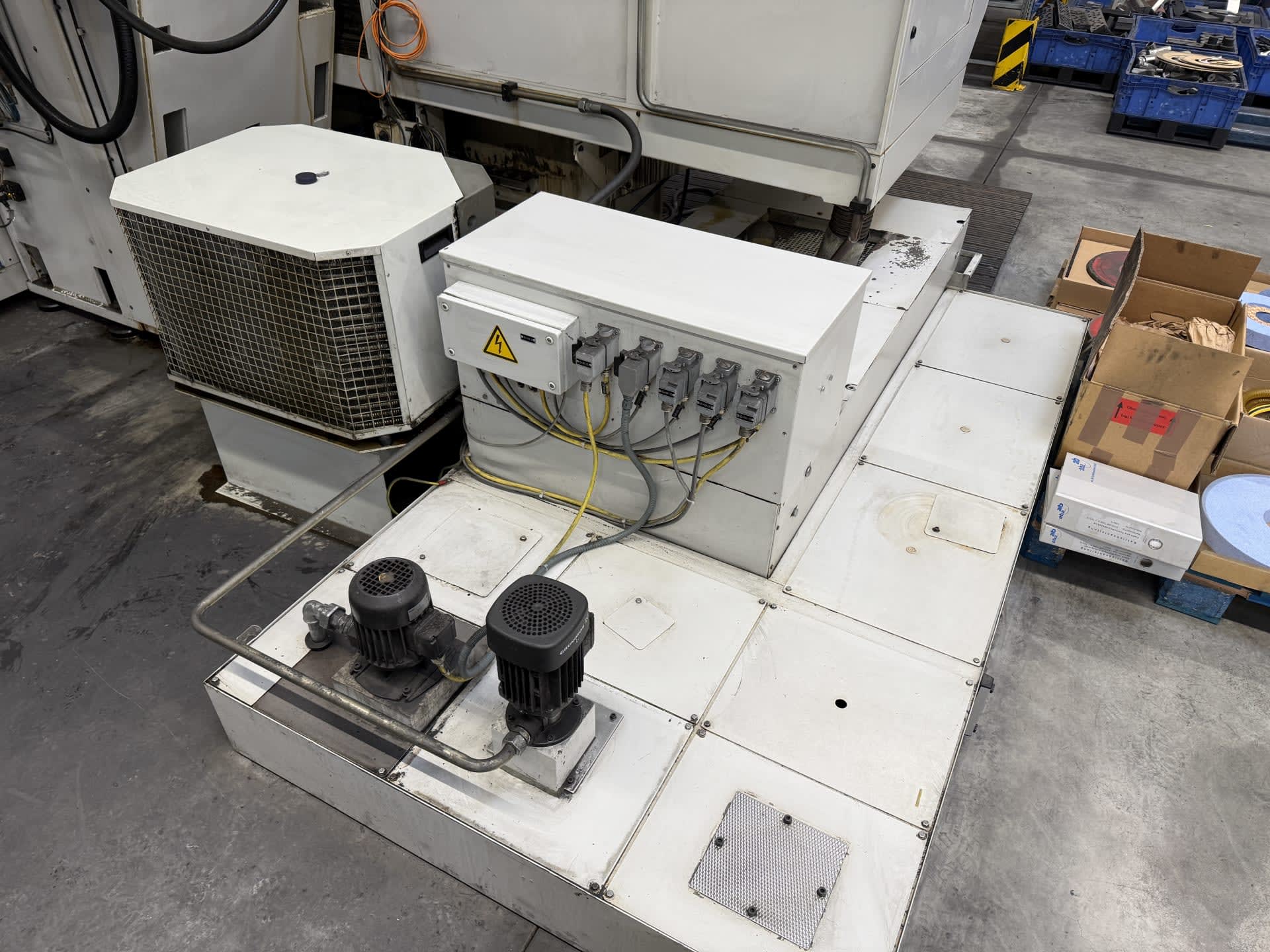
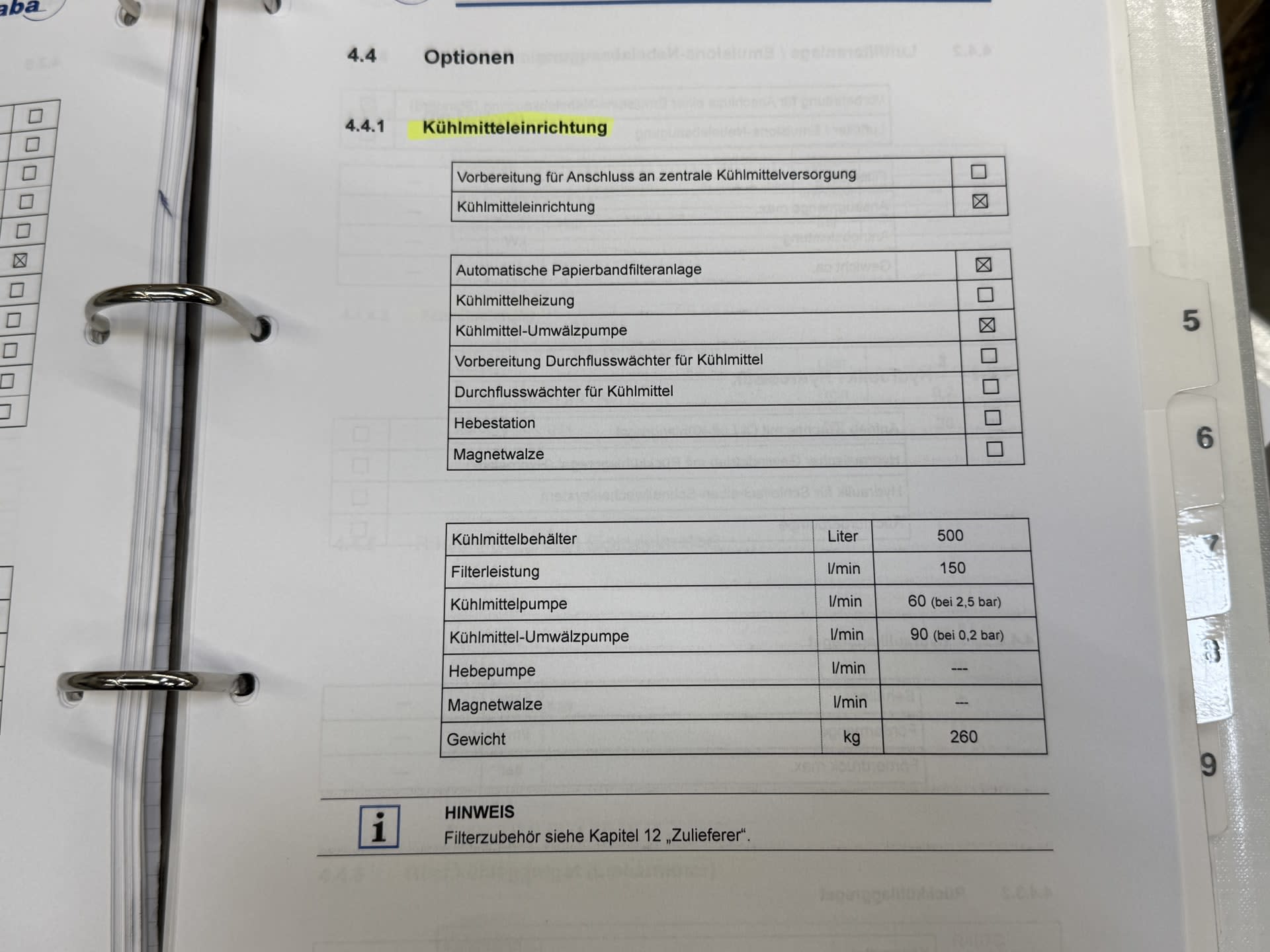
Belt Filter System Coolant System
Partial Enclosure Dressing Unit
Electrical Connection:
400 V / 50 Hz approx. 100 A
- Transportation costs
- not included
- Terms of delivery
- From foundation
- Terms of payment
- 100% prepayment before pick-up
Transportation costs are not included in the used grinding or gear cutting machine price; terms of delivery and payment are stated under "Additional information" in each listing. You should also budget for installation and commissioning at the new site. In most cases, the buyer is responsible for organizing the transport; upon request, ReMach can check whether transport can be arranged or supported. ReMach also helps with dismantling, loading and export paperwork.
Yes. Grinding produces very fine swarf, and coolant that is not filtered scratches the surface and shortens the life of the grinding wheel. Check whether the listing includes a filter system, such as a paper band filter or a magnetic separator. Grinding with oil, common in gear and tool grinding, also requires oil mist extraction and fire protection.
For gear cutting machines, check the maximum workpiece diameter, maximum module, face width and helix angle. For grinding machines, check the maximum grinding diameter and length, grinding wheel size and workpiece weight. For CNC machines, also check the control and whether in-machine measuring is included.
The three processes are used at different stages. Gear hobbing cuts the teeth with a hob, usually before heat treatment. Gear grinding finishes the teeth after heat treatment to reach high accuracy. Cold rolling forms teeth or splines by cold forming without chips and suits small modules and series production.
Grinding machines differ by the surface they produce. Surface grinders machine flat faces, usually on a magnetic table; cylindrical grinders machine rotational parts held between centres or in a chuck, externally or internally; centreless grinders support cylindrical parts on a work rest blade between grinding and regulating wheel, ideal for large series. Tool grinders sharpen and make milling cutters, drills and turning tools, while gear grinders finish tooth profiles.
This item is sold

Our Services
- Inspection & report
- Disassembly & installation
- Global logistics
- Customs & paperwork
- Sourcing & valuation
- Personal consultation
Related items
1. Metal Grinders: Precision Levelling & Surface Finishing
Grinding machines come into their own once cutting is complete. By removing tiny particles from a workpiece surface, they serve several key purposes in metalworking:
Surface planing and finishing
Achieving precise dimensions
Preparing workpieces for further processing
Surface Planing
In the metalworking industry, dimensions must be accurate to within a thousandth of a millimetre. Even a surface that feels smooth to the touch may be far too rough for its intended application. Milling machines and lathes can deliver outstanding dimensional accuracy, but the final finish can only be achieved with the right grinding machine.
This is especially true for surfaces subject to tight tolerances – such as piston tracks in combustion engine cylinders. These must guide piston rings precisely and reliably across a wide range of temperatures and speeds without jamming, a level of accuracy that only a metal grinder can consistently deliver.
Achieving the Right Dimensions
Grinding machines rely not on cutting tools but on abrasive media. These include abrasive papers and textiles, as well as grinding stones made from pressed and fired materials – most commonly quartz sand. The finer the abrasive medium, the less material is removed per grinding cycle, allowing for highly controlled stock removal.
Where solid abrasive media cannot achieve the required finish, fluid abrasive agents offer an effective alternative. Wet polishing machines and lapping machines are designed specifically for this type of precision abrasion.
Preparation for Further Processing
Polishing and lapping processes are used to achieve the highest levels of dimensional accuracy and a consistently smooth surface finish – a prerequisite for processes such as galvanising. A component can only be galvanised or chrome-plated if it has first been polished to a high sheen.
A smooth surface is equally essential for painting systems and powder-coating applications, making grinding machines a valuable step in many finishing workflows.
2. Grinding Machine Design: Key Components & Types
Understanding grinding machine design begins with a fundamental distinction: unlike cutting machines such as lathes or mills, grinders are built around a relatively straightforward mechanical principle. Every grinding machine comprises a work table, a guide for the abrasive media carrier, and a drive unit.
The most widespread configurations use round or belt-shaped abrasive media carriers, alongside roll-based designs.
Round abrasive media carriers are found in eccentric and plate grinders. The circular grinding surface moves either radially or eccentrically – radial grinders in particular are simple in construction and cost-effective to acquire.
Belt grinders tension an abrasive belt between a drive roller and one or two tensioning rollers. This design excels at removing outer material layers consistently and evenly. Because each work cycle removes a defined quantity of material, dimensional accuracy is straightforward to maintain by distributing the abrasion across multiple passes at varying grinding heights. The uncomplicated mechanics also make belt grinders easy to service and maintain.
Roll or cylindrical grinders use cylindrical abrasive media and are suited to grinding interior radii as well as flat surfaces.
Any metal grinding machine must incorporate cooling lubrication and effective extraction. Particles removed from the workpiece need to be cleared away promptly, as fine metallic dust accelerates wear on machine components. This is especially true of iron-containing dust, which expands in volume as it oxidises and can cause progressive damage if left unmanaged.
3. Types of Grinding Machines: A Complete Guide
There are many types of industrial grinders and CNC grinders available to metalworking operations of all sizes. Below is an overview of the most widely used metal grinding machines, along with their applications and leading manufacturers.
Bore Grinding Machines
Bore grinding machines are used to create precise holes in metal, stone and wood. While budget models exist for private use, professional-grade machines for industrial applications are manufactured by FARMAN, FROEHLICH, KLINGEL, SCHANBACHER and SCHLUMBERGER.
Surface Grinders
Surface grinders are used wherever an extremely flat finish is required. A grinding disc is guided consistently across the workpiece to achieve the necessary dimensional accuracy – making these machines essential in tool-building and mould construction. Leading manufacturers include ABA, BLOHM, ELB-SCHLIFF, JUNG and KUGELMÜLLER.
Guideway Grinding Machines
Guideway grinding machines are designed to grind the guideways used in large cutting machine manufacture. Today's models can achieve tolerances of 1/1000 of a millimetre across seven metres of length – a level of precision that mechanical guideways demand. These machines primarily operate using grinding stones, with abrasion factored into the pressing force to ensure consistent results. Well-known manufacturers include MEUSER MOL, SHW, SCHMALTZ, WALDRICH-COBURG and KRAFT.
Double-Disc Grinding Machines
Double-disc grinding machines deliver high efficiency by processing both the front and back of a workpiece simultaneously within a single work cycle. Popular manufacturers include DISKUS, GIUSTINA, KOYO, BESLY, C+B MACHINERY and JUNKER.
Internal Grinding Machines
Internal cylindrical grinding machines are used to produce consistent and accurate internal radii using roll-shaped grinding bodies. Modern machines feature computerised numerical control (CNC), enabling them to hold the strictest of tolerances. Manufacturers include DANOBAT, HANKOOK, TRIPET, JUNG and VOUMARD.
Jig Grinders
Jig grinders feature CNC controls and a very small grinding body, allowing precise material removal at specific points on a workpiece – a design that closely resembles that of a CNC mill. Among the most complex and high-value grinding machines available, jig grinders are produced by HAUSER, DECKEL, MOORE, MIKROMAT and KELLENBERGER.
Knife Grinding Machines
Knife grinding machines are used to sharpen blades, knives and scissors, as well as to grind chisels. Manufacturers in this category include BERNADO, KNECHT, GOWEIL, TORMEK and SCHEPPACH.
Cylindrical Grinders & Centreless Grinding Machines
Cylindrical grinders are used to grind profiles, pipes and round steels. Tensioning variants use centre tips similar to lathe tailstocks, while centreless grinding machines can process profiles continuously without any clamping. Major manufacturers include STUDER, OMICRON, KARSTENS, SCHAUDT and HERMINGHAUSEN.
Bench Grinders
Bench grinders are standard workshop tools used to sharpen, grind, plane or deburr a workpiece by hand. They consist of a motor fitted with one or two grinding discs and are available in single- and double-sided variants. High-quality bench grinders are produced by ELEKTRA BECKUM, MAKITA, GREIF and REMA.
Stylus Grinding Machines
Stylus grinding machines are used to grind marking tools such as styli, though their primary application is sharpening milling heads – a function that places them close in design to bore grinding machines. Popular manufacturers include BERNARDO, DECKEL, HASBERG, KUHLMANN, PARPAS and SCRIPTA.
Crock Grinding Machines
A crock grinding machine takes its name from its pot-shaped guide, in which the grinding disc is mounted. The drive, guiding mechanism and grinding head are all attached to a pivoting arm. Operated by hand, crock grinders are well suited to grinding and resizing small workpieces. Manufacturers include DELTA, EDEL, KUGELMÜLLER, UNICUM and NYBERG.
Roll Grinding Machines
Roll grinding machines are designed to grind press rollers – whether new, used or freshly turned – to precise dimensional tolerances. They are the only means by which precision rollers can be produced to the required specification. These machines are manufactured by HARKOV, HERKULES, KELLENBERGER, SCHAUDT, WALDRICH and ZIMMERMANN.
Tool-Grinding Machines
Tool-grinding machines are the forerunners of the modern jig grinder and are used to manufacture and repair crimping and casting tools. The most recognised manufacturers in this category include AGATHON, CLARKSON, DECKEL, EWAG, HAHN & KOLB, TRUMPF and WALTER.
4. Buying a Used Grinding Machine: What You Need to Know
Choosing the right used grinding machine can be challenging given the wide variety available, but a few key considerations will help any prospective buyer make a confident decision. The first question to ask is what applications the machine needs to perform – a simple bench grinder is incomparable in scope and complexity to a precision jig grinder.
Cleanliness and condition
A good starting point is the general condition and cleanliness of the machine. Even with comprehensive rinsing and extraction units, grinding machines require significant upkeep – daily, thorough cleaning is essential for any frequently used grinder. If a second-hand machine appears visibly soiled on first inspection, this warrants a much closer look at every aspect of its condition.
Unless purchased from a reputable used machinery dealer who has already carried out maintenance and repairs, it will likely be necessary to fully dismantle and clean the equipment. If those responsible for the work lack the relevant qualifications, commissioning a specialist service provider is strongly advisable.
Weak point: bearings
The bearings are the most vulnerable component in any used grinding machine. High spindle speeds, continual one-sided impact, and grinding heads that frequently lose their shape all place considerable strain on the bearings. A thorough inspection is essential, and even the slightest rattling should be treated as a signal to replace them. Once fitted with new bearings, a used metal grinder can continue operating reliably for thousands of hours.
When evaluating a second-hand grinding machine, also consider the availability of spare parts, the machine's service history, and whether the manufacturer still provides technical support – all factors that significantly affect the long-term value of your investment.