
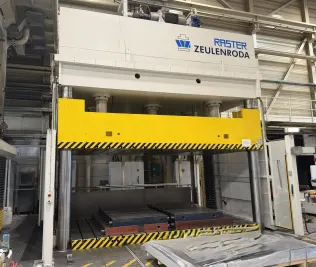
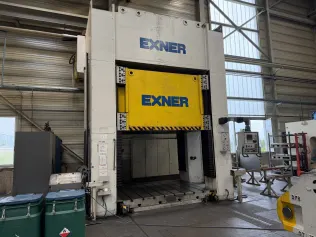
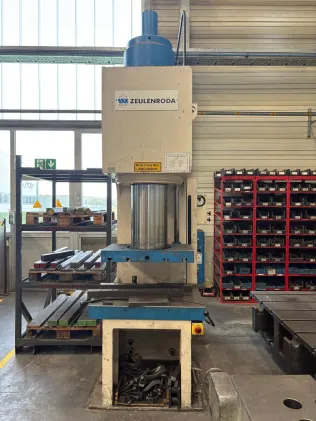
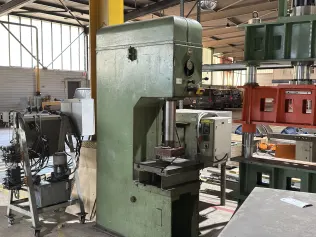
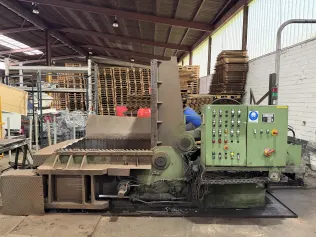
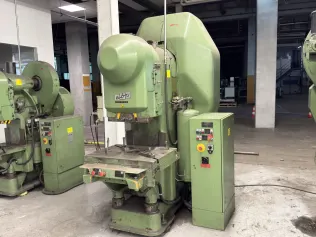
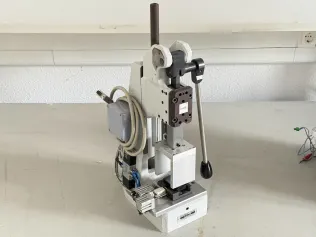
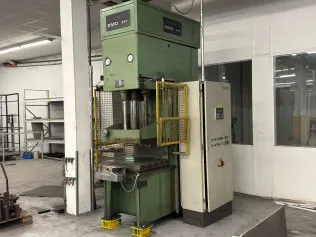
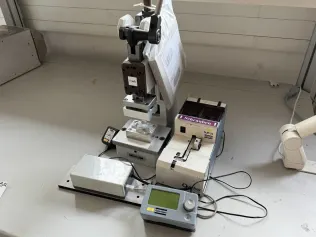
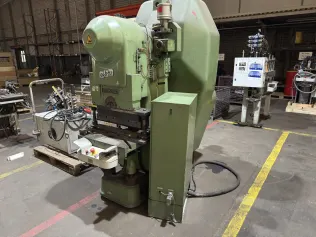
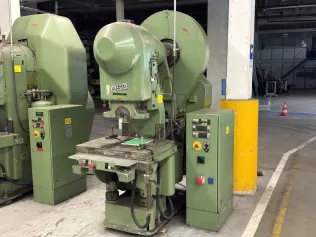
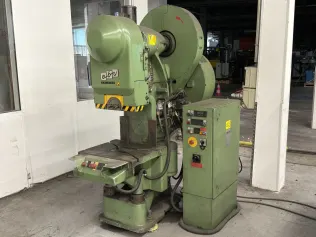
 This item is sold
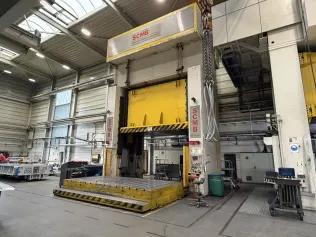 This item is sold
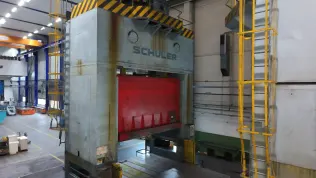 This item is sold
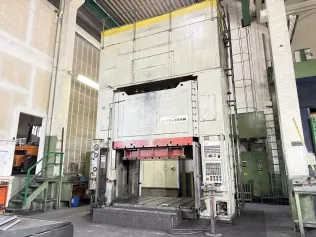 This item is sold
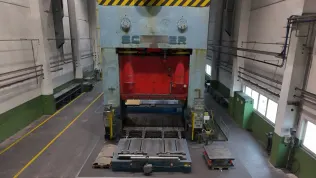 This item is sold
1. What Is a Press Machine?
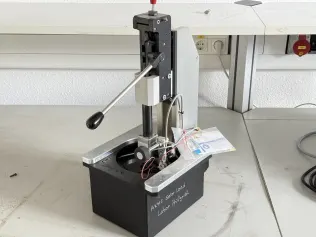
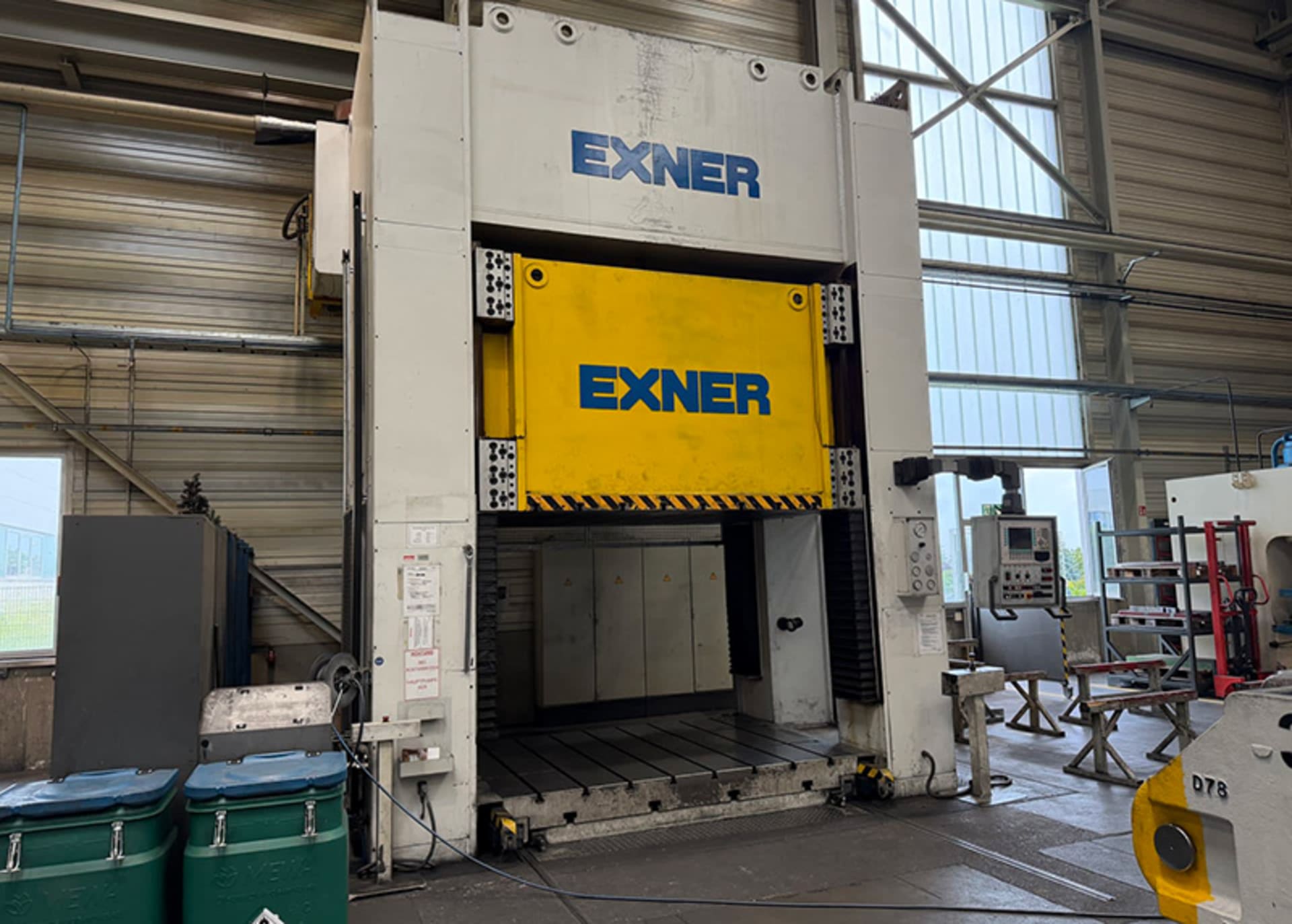
A press is metalworking equipment that uses mechanical or hydraulic force to compress, stamp, bend, cut, or form materials (mainly sheet metal) through a die or punch. It works by transmitting force from a motor or hydraulic pump to a moving element (the ram/slide), applying heavy force to the workpiece to deform the material into the desired shape. The press is the workhorse of the sheet-metal industry, used extensively in automotive parts, appliances, electronics, aerospace, and many other sectors.
2. Benefits of Investing in a Used Press Machine
To optimize budget while maintaining production efficiency, many companies choose to invest in a used press instead of buying new. These are machines that have already been in operation but still meet strong requirements for durability, accuracy, and performance.
Lower Investment Cost: Used presses from brands such as SCHULER typically cost 40-70% less than a new machine of the same capacity, freeing up budget for tooling, materials, and line expansion.
Faster Production Start-Up: Compared with ordering a new machine, which requires manufacturing, delivery, and installation lead time, an in-stock used machine lets a company bring equipment online quickly and meet production needs on schedule.
Stable Performance, Long Service Life: Industrial presses from reputable brands are typically built with rugged construction designed for long-term operation. When properly inspected and maintained, they can still perform reliably after many years of use.
Wide Range of Options for Different Needs: Used presses come in a wide range of capacities, sizes, and technologies, making it easy for a company to find equipment matched to its production needs, material type, and machining scale.
Avoid Dependence on New-Machine Lead Times: New presses from SCHULER or other major brands typically have a lead time of 6-18 months. Buying a used machine already in stock lets a company bring the line into operation within 4-8 weeks of signing the contract.
3. Risks to Avoid When Buying a Used Press Machine
A used press can deliver good value, but the wrong choice can also mean significant repair costs down the line. Here are the most common risks to check before buying.
Guide Bushing Wear and Crankshaft Play: Check the parallelism between the bed and the slide, the acceptable standard is < 0.05 mm/m. Excessive wear can cause dimensional errors in stamped parts, and overhaul costs can run to tens of thousands of euros depending on machine size and wear level.
Hydraulic System Leaks in a Hydraulic Press: Seals, valves, and hydraulic pumps on used machines tend to degrade after 10-15 years. Request a pressure and oil-temperature test report at 100% load.
Missing Tooling Records and Maintenance History: A press without die records or a maintenance log is very difficult to reintegrate into a production line. ReMach collects all technical documentation that comes with a machine before handover.
Overlooked Foundation Costs: A 400-1,200-ton press needs a dedicated concrete foundation and vibration isolation. This cost typically amounts to 15-25% of the machine price.
4. Types of Press Machines
Press machines are divided into several types based on their drive mechanism and intended use. The two most common groups are the Mechanical Press and the Hydraulic Press, each with distinct characteristics in speed, force, flexibility, and application. Choosing the right type helps a company optimize both machining performance and operating cost.
Criteria | Mechanical Press | Hydraulic Press |
Stamping Speed | High (50-300 SPM) | Low (5-30 SPM) |
Maximum Force | At BDC (end of stroke) | Throughout the entire stroke |
Flexibility | Fixed stroke | Adjustable force and stroke |
Main Application | High-volume stamping (automotive, appliances) | Deep drawing, complex die forming |
Maintenance | Simpler (fewer valves/seals) | More complex (seals, pumps, valves) |
Used Price (Estimate) | €50,000-500,000+ | €30,000-300,000+ |
Used Mechanical Press
A mechanical press uses an electric motor to spin a large flywheel that stores energy. When the clutch engages, the flywheel transmits energy through a crankshaft or eccentric gear, converting rotary motion into the vertical linear motion of the ram. Press force in a mechanical press depends on the ram's position relative to Bottom Dead Center (BDC), reaching its maximum at BDC. Stroke length is typically fixed, and stroke speed can reach several hundred strokes per minute, ideal for high-volume production.
Used mechanical presses come in several common frame configurations: Used OBI Press (Open Back Inclinable) - a C-frame that can tilt back for automatic scrap removal; Used Straight Side Press - a four-post frame for high accuracy with large workpieces; Gap Frame Press - an open frame for flexible die access; and High-Speed Press - running at 200-1,500 SPM for high-volume stamping. ReMach's inventory currently focuses on the Straight Side line from SCHULER, with press force from 400-1,200 tons.
1. Advantages and Limitations of Used Mechanical Press
Advantages | Limitations |
|
|
2. Practical Applications of Used Mechanical Press
Stamping automotive body panels, chassis parts, and metal components.
Manufacturing casings for washing machines, refrigerators, air conditioners, and household appliances.
Sheet-metal machining including cutting, bending, and high-volume forming.
Producing coins, medals, and precision-stamped products.
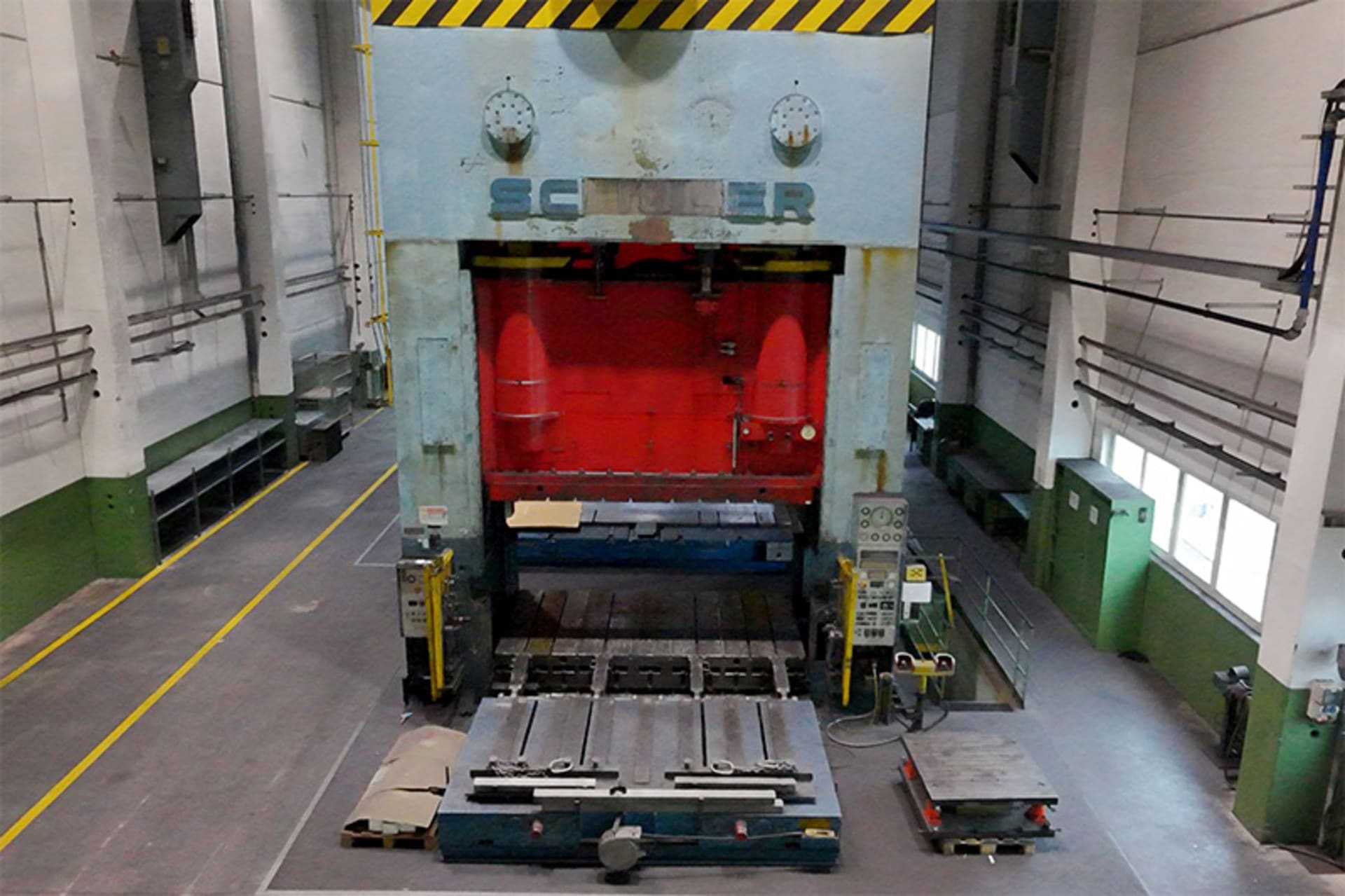
Mechanical presses from ReMach's catalogue include models from SCHULER (Germany), one of the world's leading press manufacturers. One example is the SCHULER P4 E2 SQ 1200 Mechanical Press, built in 1964, with a press force of 1,200 tons, a ram stroke of 600 mm, a ram adjustment of 500 mm, a stroke rate of approx. 10-16 strokes per minute, and a table size of approx. 3,500 x 1,900 mm.
Used Hydraulic Press
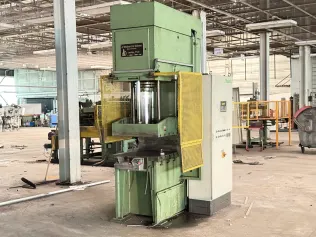
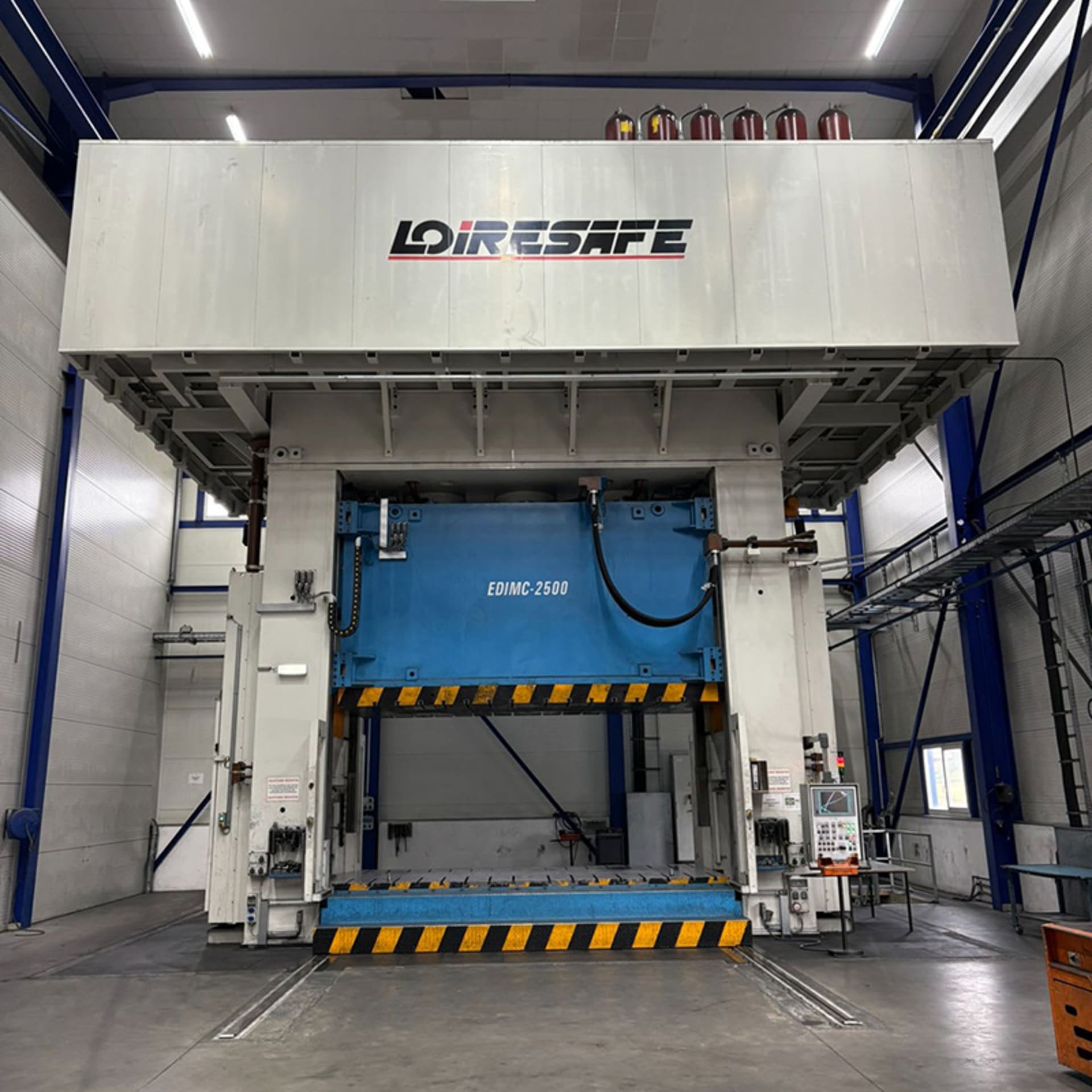
A hydraulic press uses hydraulic fluid under high pressure to transmit force from the cylinder to the ram. Unlike a mechanical press, a hydraulic press can maintain maximum force throughout the entire stroke, not only at Bottom Dead Center. Its operating principle is based on Pascal's Law, which allows enormous press force to be generated from fluid pressure.
1. Advantages and Limitations of Used Hydraulic Press
Advantages | Limitations |
|
|
2. Practical Applications of Used Hydraulic Press
Deep drawing of products such as tanks, basins, large pipes, and automotive parts.
Die forming and shaping of parts with complex geometry or deep draw depth.
Bending and forming thick metal sheets for mechanical engineering applications.
Baling scrap metal, plastic, and recyclable materials.
>>> Explore the list of Used Press Machines available at ReMach
5. Trusted Press Machine Brands
Choosing a trusted press brand is essential to ensuring durability, accuracy, and stable long-term operation. Leading manufacturers typically have decades of industry experience, advanced technology, and machines proven across a wide range of industrial applications.
SCHULER: Founded in 1839 in Göppingen, Germany, SCHULER schulergroup.com is one of the world's leading press manufacturers. The brand is known for pioneering technologies such as eccentric presses, deep-draw presses, transfer presses, and body presses. SCHULER supplies metal-forming solutions across industries including automotive, appliances, aerospace, rail, and minting, with a global operating network.
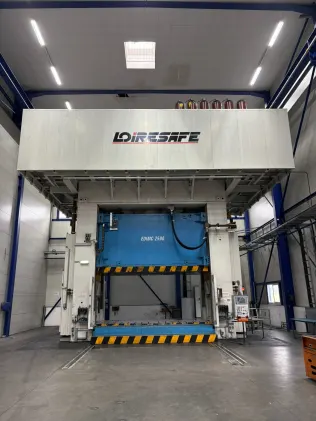
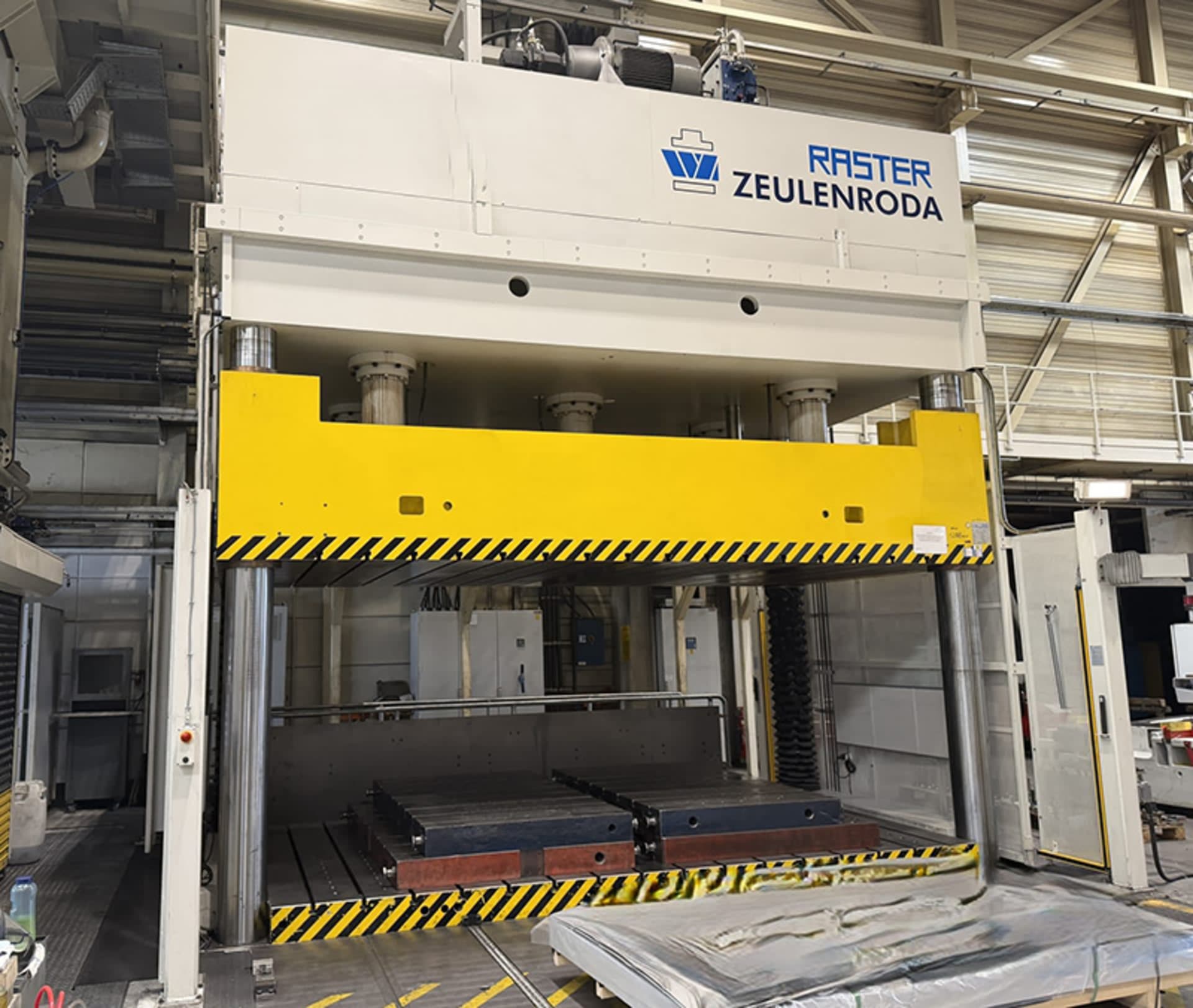
LOIRE SAFE: Founded in 1962 in Hernani, Spain, LOIRE SAFE was acquired by Gestamp in 2011 and now operates under the Loire Gestamp brand. LOIRE SAFE specializes in hydraulic presses and industrial press lines, with core models offering press force from 350 to 2,000 tons, and customizable to higher capacities for special customer requirements. The brand is known for its rugged H-frame and monoblock construction, integrated with CNC controls for heavy industrial press lines.
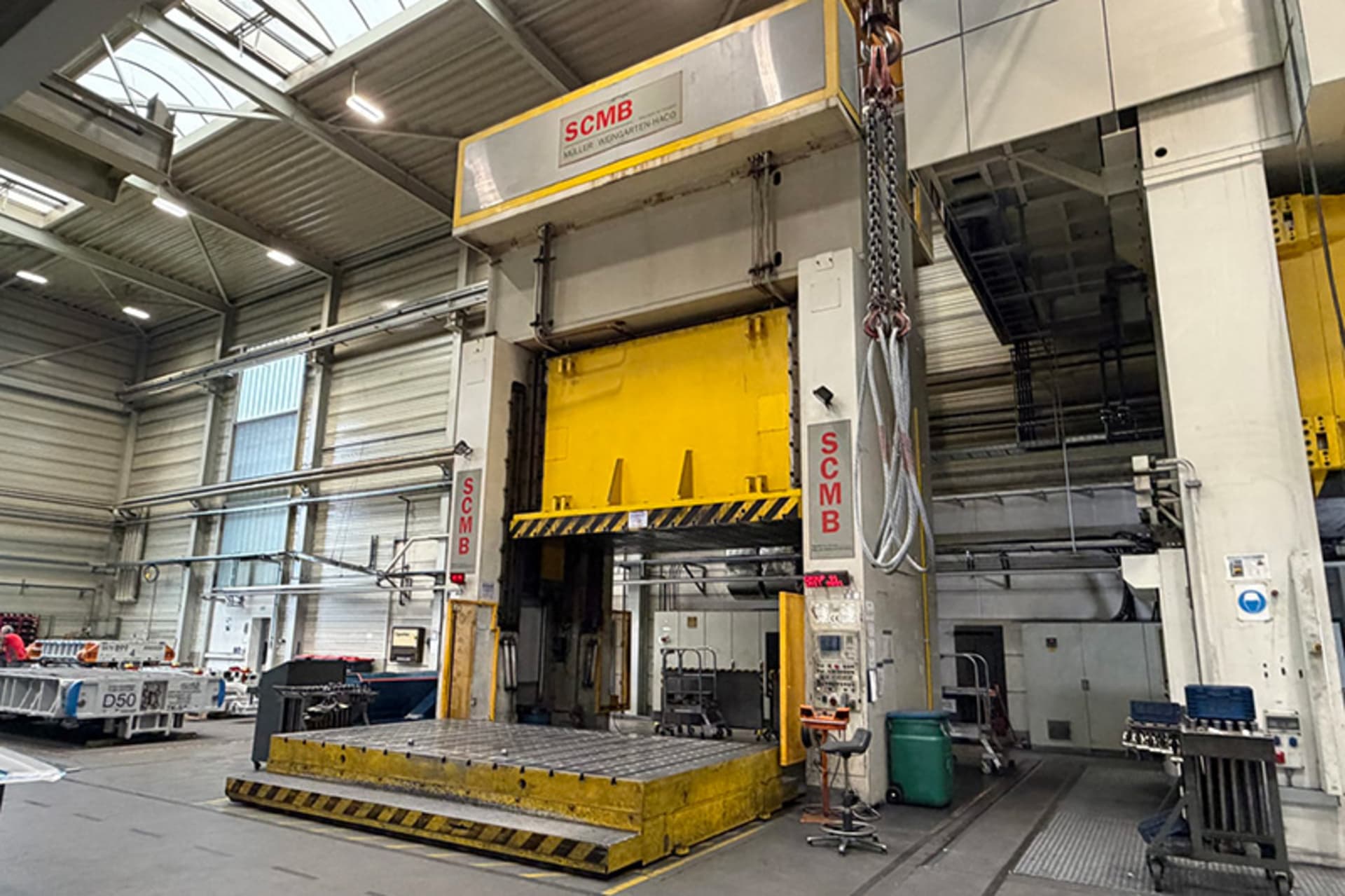
Beyond SCHULER and LOIRE SAFE, the used press market also includes several other trusted brands such as ERFURT, MÜLLER WEINGARTEN (Germany), AIDA, and Komatsu Press (Japan). These are brands commonly sought for 200-800-ton presses used in automotive parts and appliance manufacturing. ReMach regularly updates its inventory at www.re-mach.com/en/machines. If you are looking for a specific brand, contact ReMach via Hotline +49 2196 7050573.
6. Why Buy a Used Press Machine at ReMach
ReMach offers a solution for buying a Used Press Machine with a combination of equipment quality, transparency, and comprehensive support. With a supply of mechanical and hydraulic presses from trusted brands such as SCHULER and LOIRE SAFE, plus a warehouse in Germany, ReMach helps companies access high-performance industrial equipment at optimized investment cost, while ensuring a safe and professional transaction process.
Choose to Buy a Used Press Machine at ReMach for the Following Reasons:
In-Stock Machines, Available for On-Site Inspection Before Purchase: Machines are stored at ReMach's Laichingen, Germany warehouse. Customers can inspect the machine in person or request an operating video to assess its condition before deciding to invest.
Transparent Technical Inspection, Ensuring Quality: The inspection focuses on 3 key indicators that determine a used press's remaining service life:
Indicator 1: Parallelism between the bed and the slide face (acceptable standard < 0.05 mm/m length);
Indicator 2: Measuring guide bushing clearance and crankshaft journal runout against the manufacturer's standard;
Indicator 3: The hydraulic system is tested for pressure and pressure-holding capability to industry standards, ensuring seal integrity and thermal stability throughout operation.
All measurement data is published in the record that accompanies the machine.
Full-Service Support from Dismantling to Commissioning: ReMach supports the entire process including dismantling, packing, international shipping, export procedures, customs, and logistics, ensuring a fast and smooth transaction.
In-Depth Experience with Heavy Industrial Machinery: With an experienced team based in Germany, ReMach ensures machine handling, transport, and handover are carried out safely and professionally.
7. How to Buy a Used Press Machine at ReMach
Below is the process for buying a Used Press Machine at ReMach, designed to help companies easily select the right equipment and complete the transaction quickly and transparently:
Step 1 - Define Your Production Needs: Before searching for a machine, a company should clearly define its requirements, including the type of product to be machined, material, workpiece size, required press force, output volume, and level of automation. From there, choose the right machine type, such as a Mechanical Press for high-speed production or a Hydraulic Press for applications requiring large, flexible force.
Step 2 - Check Technical Specifications in the Listing: Browse ReMach's press catalog to find suitable equipment. Each machine listing includes full details such as machine type, press force, bed size, stroke, speed, year of manufacture, brand, operating condition, and real photos. This clear information makes it easy for customers to compare and choose.
Step 3 - Request a Test Video or an On-Site Inspection: After identifying a potential machine, customers can request an operating video to check motion, stability, and overall performance. Customers can also visit ReMach's warehouse in Germany in person to inspect the machine and assess its condition before buying.
Step 4 - Contact for a Quote via Hotline +49 2196 7050573, Shipping & Installation: ReMach provides a detailed quote and supports the entire post-purchase process, including dismantling, packing, international shipping, export procedures, and customs. For high-capacity presses, ReMach also advises on foundation drawings and coordinates installation and alignment at the customer's facility to ensure stable operation with minimal vibration. All costs are clearly stated in the contract.
Step 5 - Sign the Contract and Receive the Machine: Once terms are agreed, both parties sign the contract and complete payment. The machine is shipped, handed over, and supported into operation at the customer's facility, ensuring a smooth transfer.
8. FAQs
How Can I Tell if a Used Press Is Still Accurate?
The accuracy of a used press should be assessed through a comprehensive check of its structure, drive system, and actual operating performance. Key components to inspect include the frame, crankshaft, clutch, seals, valves, lubrication system, and stability under load. Running a test with an actual workpiece also helps evaluate the machine's real-world performance and condition.
How Is a 400-500-Ton Press Transported?
Large industrial presses must be dismantled into sections and moved using specialized lifting equipment and transport. The process includes packing, loading, international shipping, export procedures, and on-site installation. This work should be handled by an experienced provider to ensure the equipment's safety.
Is There a Warranty for a Used Press Machine?
Used presses may come with a warranty depending on the supplier, machine condition, and coverage scope. Warranties typically cover technical faults arising under normal operation and do not cover natural wear and tear. Terms should be clearly confirmed in the contract before purchase.
Should I Buy a Used Press Machine?
Buying a used press is a sound choice when the machine comes from a trusted brand and has been thoroughly inspected before purchase. Companies can save significant cost, receive the machine faster, and still maintain production performance. However, it's important to choose a reliable supplier to limit quality and maintenance-cost risks.
Where Can I Buy a Reliable Used Press Machine?
ReMach supplies used presses sourced from trusted brands such as SCHULER and LOIRE SAFE. All equipment is technically inspected, with transparent information and full customer support throughout the process, from selection to shipping and installation. With a warehouse in Germany and full-service support, ReMach helps companies access high-quality machines at an optimized cost.
Choosing a used press helps a company save on cost while still ensuring production efficiency. ReMach offers a Used Press Machine for Sale with inspected machines, transparent information, and comprehensive support. Contact ReMach via Hotline +49 2196 7050573 to find the right press solution for your business.
9. Glossary
Term | Abbreviation | EN Explanation |
Ram / Slide | - | The vertically moving component that applies force to the die and workpiece. |
Stroke | - | The distance the ram travels from Top Dead Center to Bottom Dead Center. |
Bottom Dead Center | BDC | The lowest point of the ram's stroke - where force is at its maximum on a mechanical press. |
Top Dead Center | TDC | The highest point of the ram's stroke. |
Flywheel | - | The component that stores rotational energy in a mechanical press. |
Clutch | - | Controls the transfer of energy from the flywheel to the crankshaft. |
Die / Tooling | - | The tool set (punch + die) that shapes the product to the desired profile. |
Blanking | - | A cutting operation that separates a part from a metal sheet using shear force. |
Deep Drawing | - | Forming a cup- or box-shaped product from a flat metal sheet. |
Tonnage | - | The key rating that defines a press's capacity, measured in tons or kN. |
Transfer Press | - | A press with automatic part transfer between stations, suited to high-volume production. |
Pascal's Law | - | The fundamental principle of a hydraulic press - pressure is transmitted equally in all directions through a fluid. |