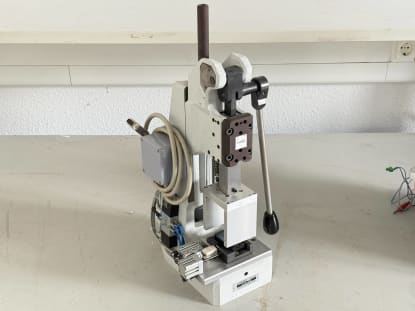
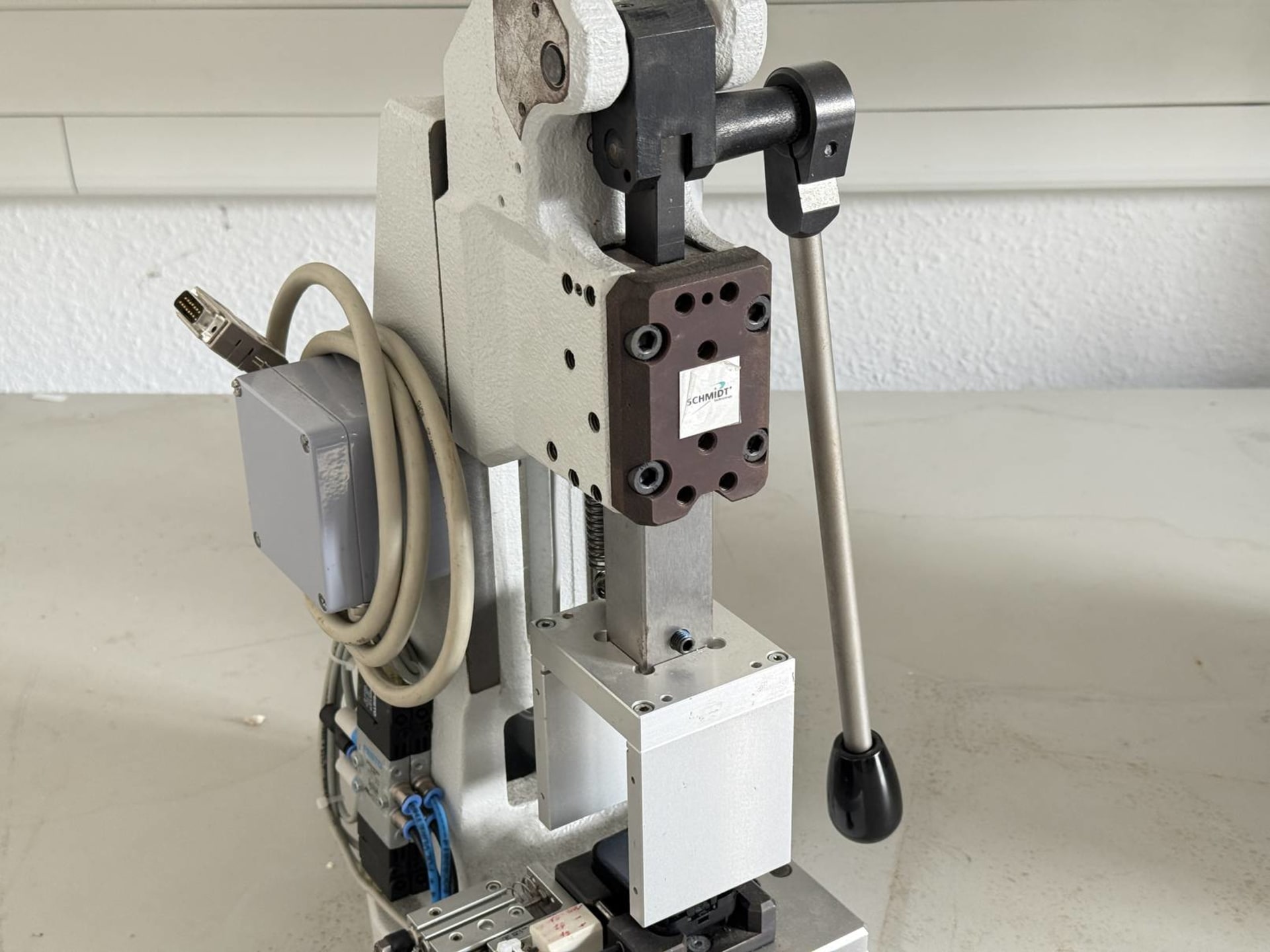
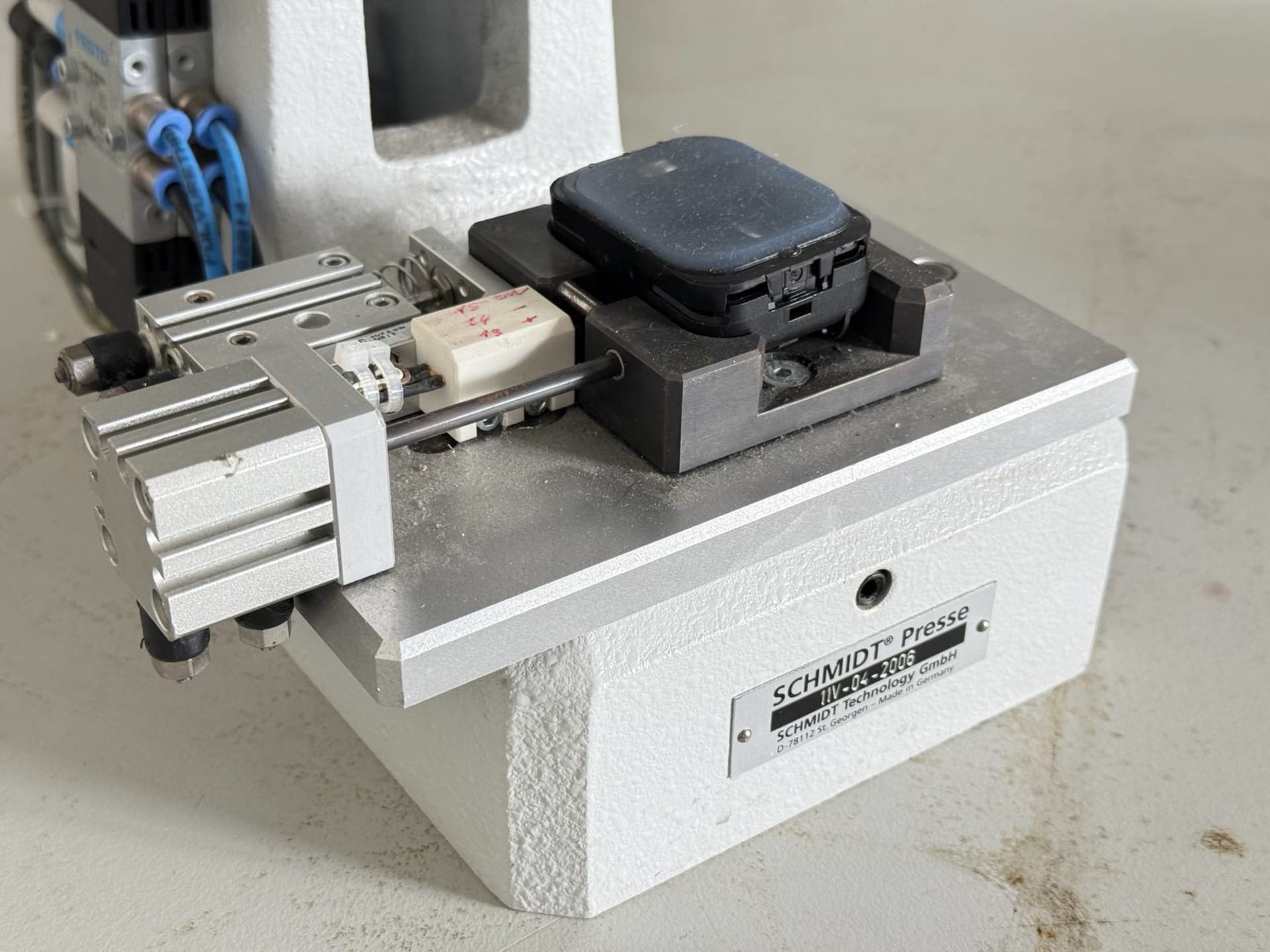
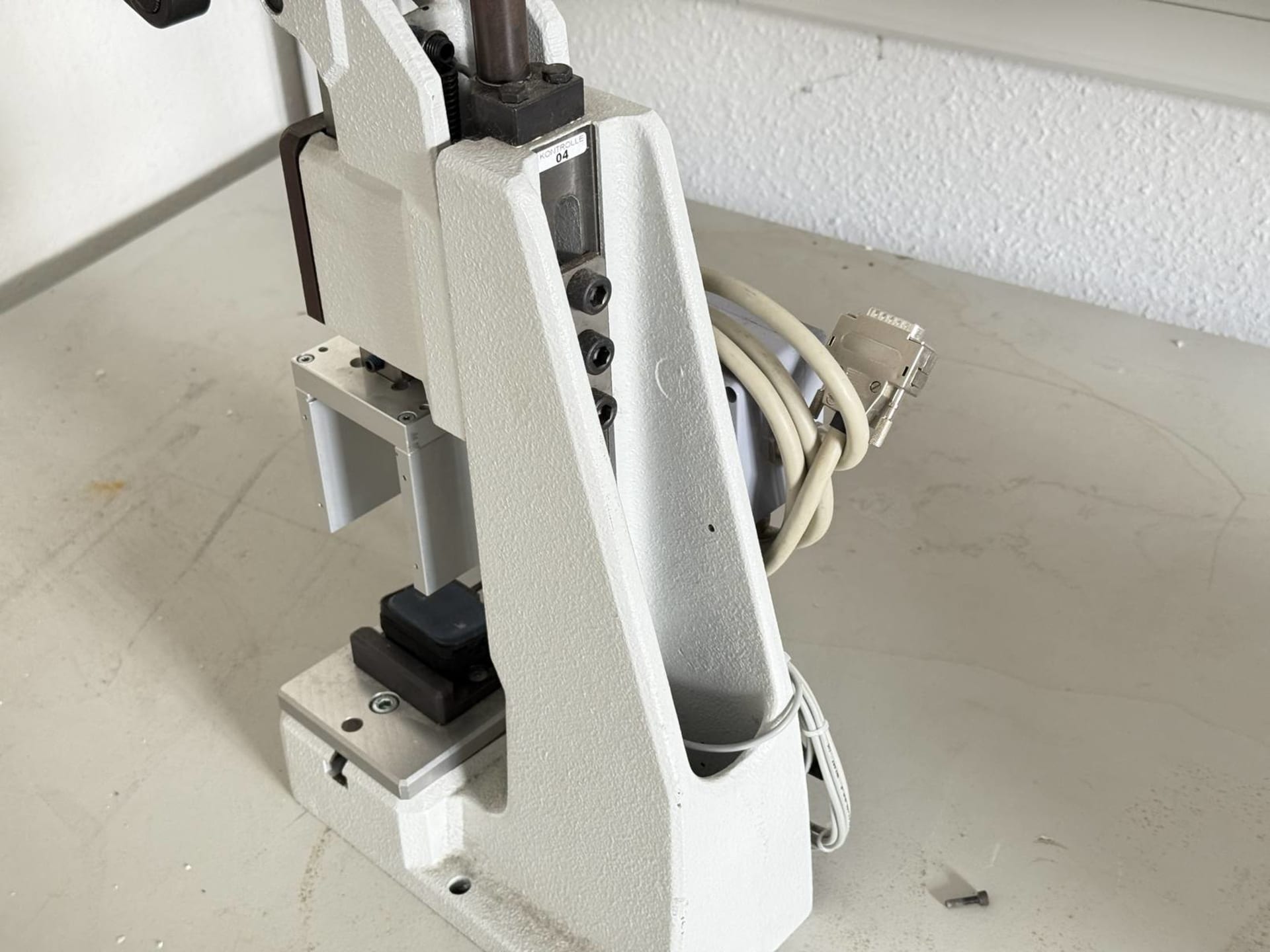
Precision press
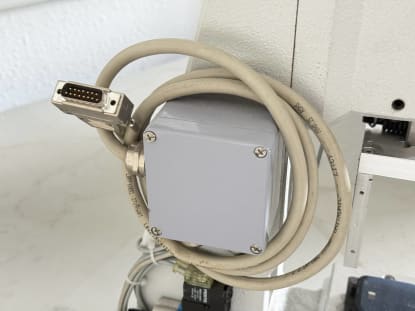
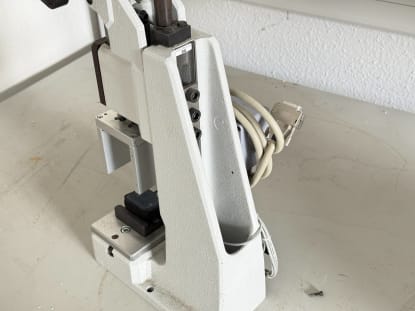

- Storage Number
- 26023-1768
- Machine type
- Other Presses
- Manufacturer
- SCHMIDT
- Location
- Solingen, Germany
- Availability
- immediately
- Price
- Auction item
- Dimensions (LxWxH) approx.
- 300 x 250 x 500 mm
- Weight approx.
- 22 kg
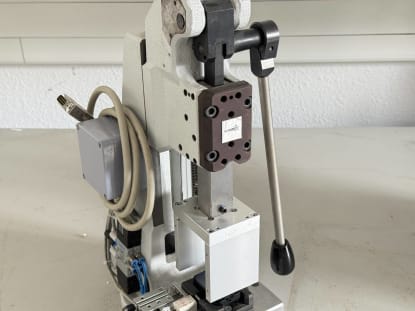
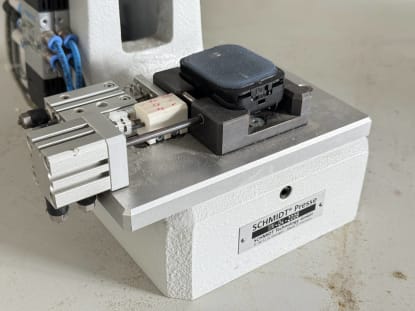
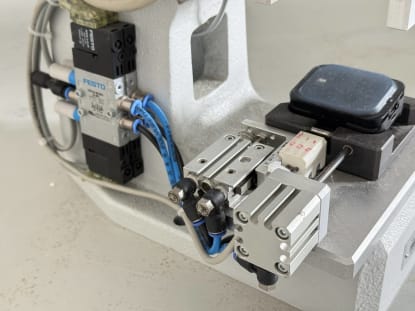
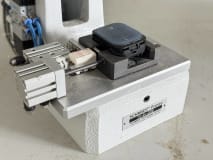
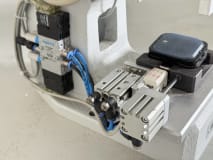
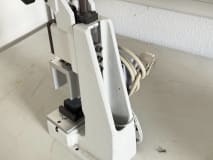
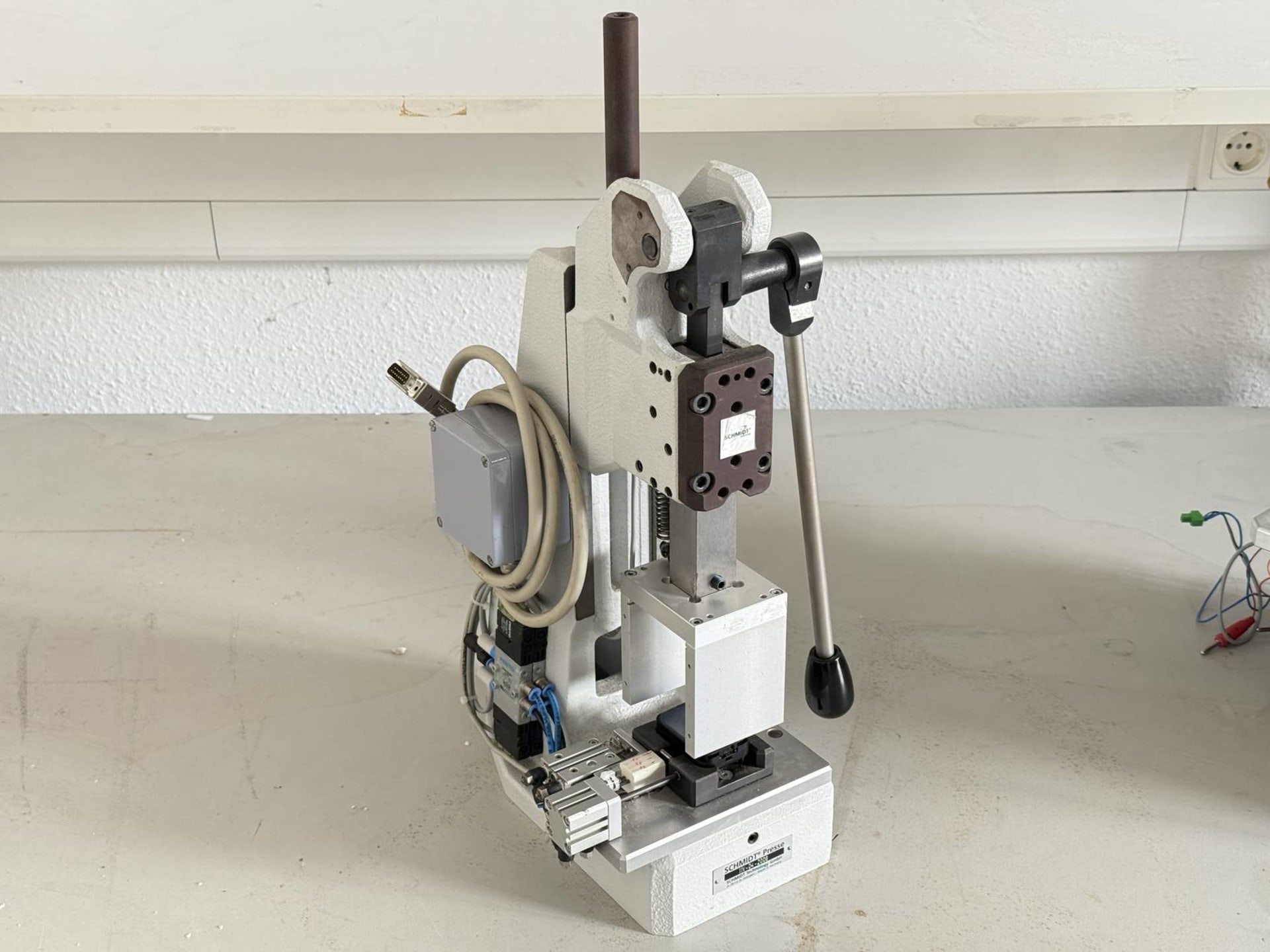
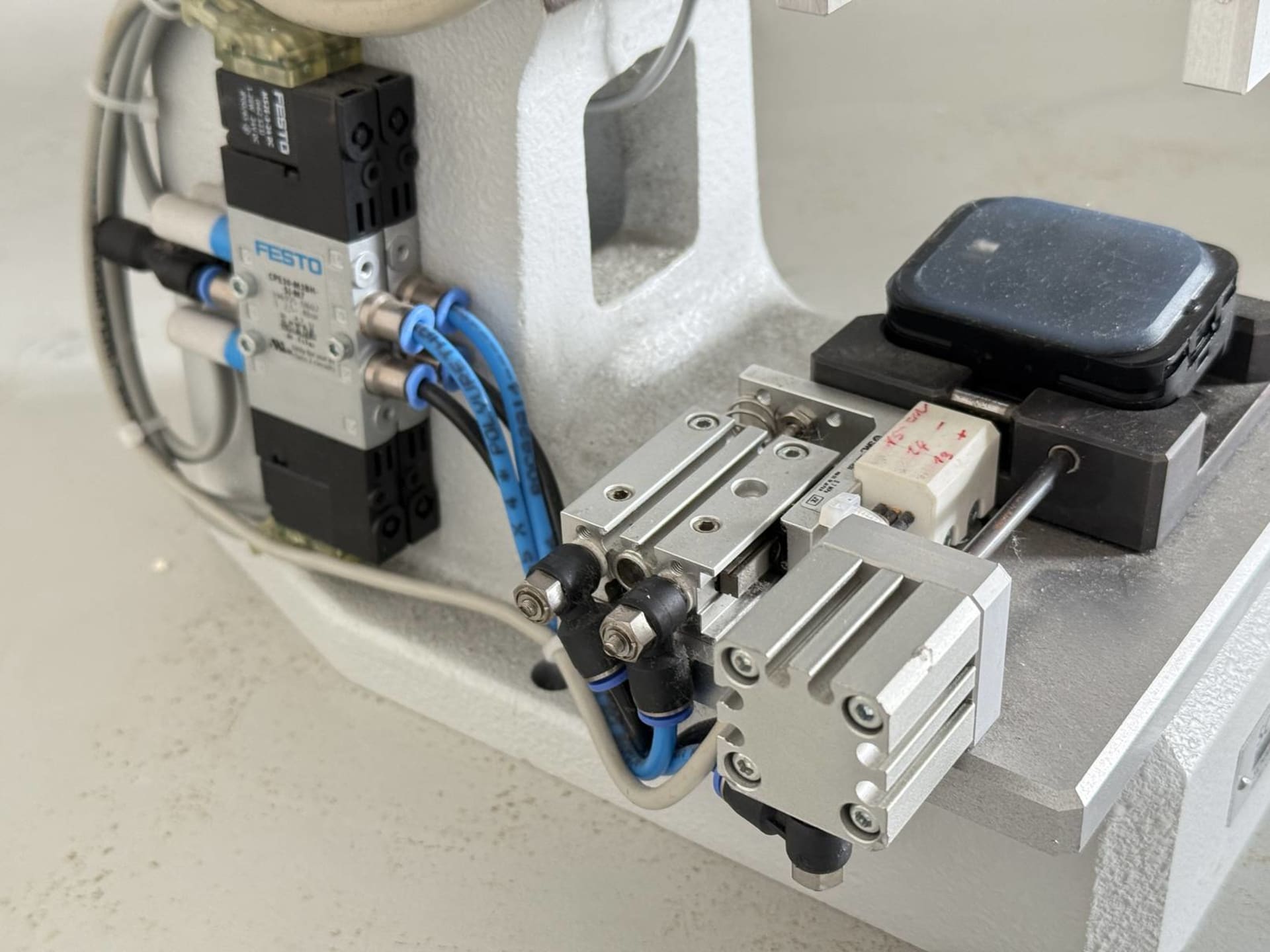
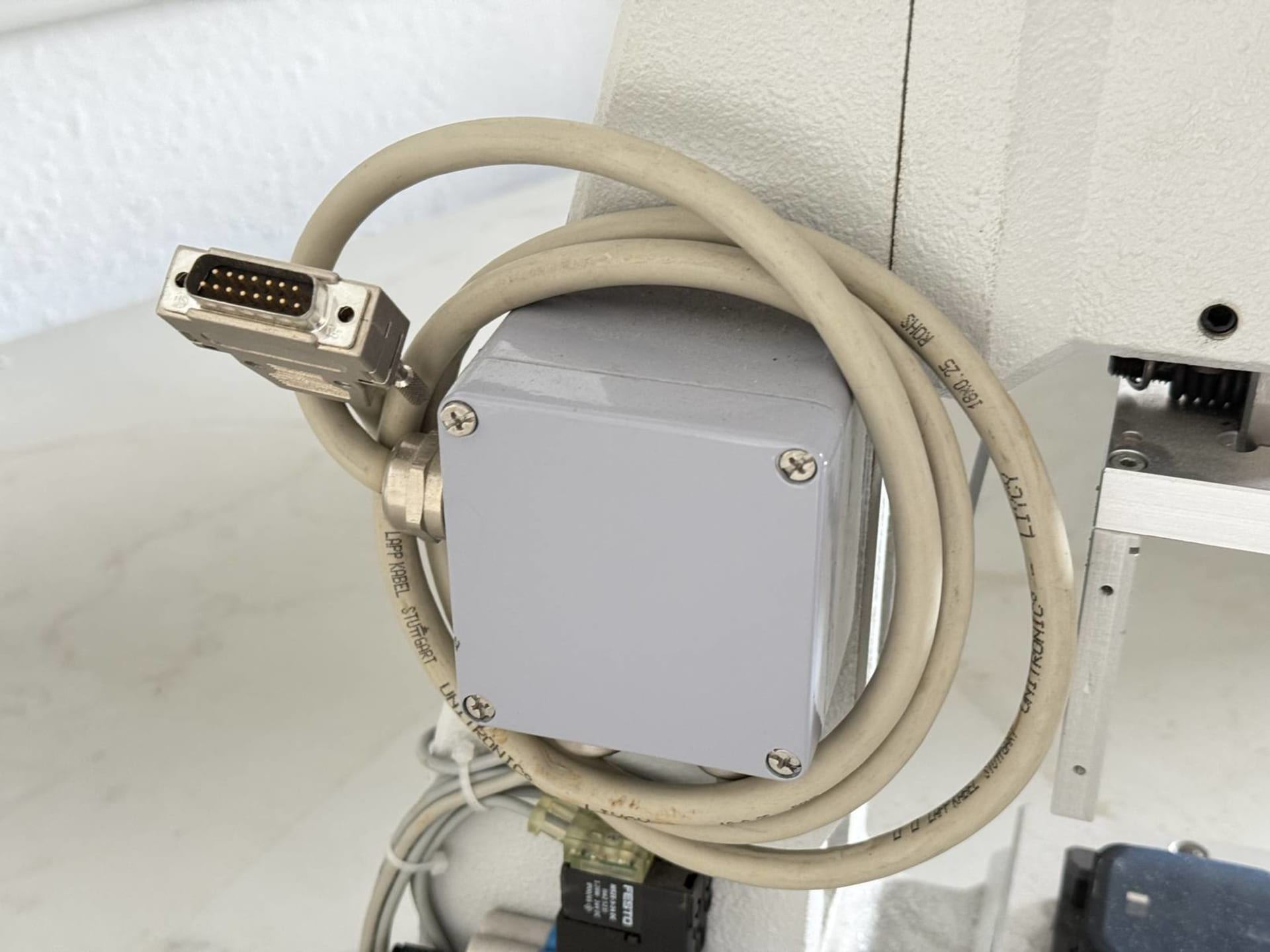
- Type: 11V-04-2006, Dimension: 250x200x550, further details see photos
- Dismantling Costs
- €15 - optional
- Transportation costs
- not included
- Terms of delivery
- From foundation
- Terms of payment
- to be agreed upon
The price of a used press depends on the press type, press force, bed size, stroke, die cushion, control, year of manufacture and condition. Transportation costs are not included in the machine price; terms of delivery and payment are stated under "Additional information" in each listing. You should also budget for installation and commissioning at the new site. In most cases, the buyer is responsible for organizing the transport; upon request, ReMach can check whether transport can be arranged or supported. ReMach also helps with dismantling, loading and export paperwork.
Before restarting a used press, check all safety devices: light curtains or guards, interlocks, the emergency stop circuit and, on hydraulic presses, the safety valves. In the EU, the reference safety standard for presses is EN ISO 16092. Have an expert carry out a safety assessment before operating the press at the new site.
A press suits your die when its press force (in t or kN), bed size and die height all match the die. Also check the stroke, and a die cushion if the die is used for deep drawing. On mechanical presses, the number of strokes per minute determines output.
A workshop press has an H-frame or C-frame with manual or electric hydraulics and is used to press bearings and bushes and straighten parts in maintenance and repair. A production press has a bed and slide for mounting dies, stroke control, often a die cushion and safety systems for series production. For production use, choose by press force and die, not by force alone.
A hydraulic press uses a pump to push oil into a cylinder, and the pressing force equals oil pressure multiplied by piston area. It delivers full force over the entire stroke with adjustable stroke and speed, which makes it suitable for deep drawing, forming and die try-out. A mechanical (eccentric) press runs faster with a fixed stroke and reaches its nominal force near bottom dead centre, ideal for high-volume stamping; a try-out press is used to test and adjust dies before production.

Our Services
- Inspection & report
- Disassembly & installation
- Global logistics
- Customs & paperwork
- Sourcing & valuation
- Personal consultation
Related items