
1. Heat Treatment of Steel and Cast Iron: Key Processes
Heat treatment of steel and cast iron workpieces is performed to develop specific material properties required for a given application or for subsequent processing. These treatments fall into two broad categories: processes that induce a structural transformation within the material, and processes that modify the surface of a workpiece.
To achieve the desired results, manufacturers draw on a range of thermal and thermo-chemical processes. Annealing – particularly soft annealing – is widely used to improve the machinability of metals. Stress-relief annealing also belongs to this group, reducing internal stresses that accumulate during earlier stages of production, such as rolling. The two principal thermal processes are annealing and hardening. Hardening can be applied to an entire component or restricted to its surface, which helps minimise the risk of tool steel fracture by creating a tough interior beneath a hardened outer layer.
Thermo-chemical processes include carburising, nitriding, borating and carbonisation. Tempering offers further options – among them soft annealing, normalising, stress-relief annealing, homogenisation, coarse-grain annealing and recrystallisation annealing – each selected according to specific production requirements. Surface hardening, through hardening, annealing and austempering are all classified as thermal heat treatments. Thermo-chemical methods such as nitriding, ferritic nitrocarburising, carbonitriding and carbonisation are applied where a higher carbon or nitrogen content is needed in targeted areas of the workpiece.
2. Heat Treatment: History, Methods & Material Properties
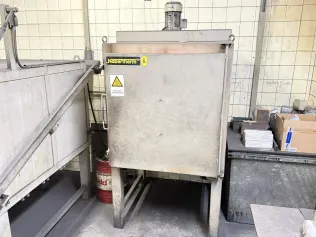
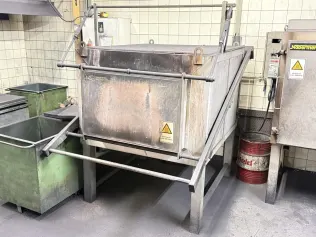
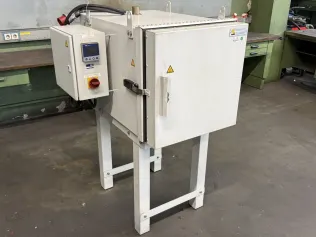
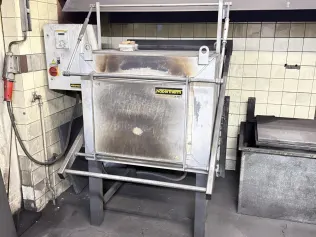
The principles of treating iron with heat have been understood for millennia. Today, advanced furnaces, annealing ovens, and specialist heat treatment equipment allow workpieces to be processed with precision, achieving the exact material characteristics required. Programmable temperature and time controls further streamline the process and improve consistency.
3. Heat Treatment Applications: Methods & Material Benefits
Heat treatment plays a central role in optimising the performance characteristics of engineering materials. High-quality tool steel, for instance, undergoes stress relief before machining, and the resulting workpieces are then hardened – either through-hardened or surface-hardened – depending on their intended application. After hardening, further processing with a grinding machine is typically required. At this stage, it is essential to avoid re-softening the surface, which can be achieved through controlled cooling or careful handling during transport.
Hard metal components are produced by sintering and require particular care during processing. Coolant should not be used continuously on these materials, as rapid temperature changes can cause hairline cracks to form – hard metals have a low tolerance for thermal shock. When heat treatment is carried out with precision, it can significantly enhance the mechanical and technological properties of a material. A typical example is the cutting punch used in punching machinery, which combines a tough, resilient core with a hardened surface layer just a few tenths of a millimetre thick.
4. Heat Treatment Machine Manufacturers & Suppliers
Several companies specialise in manufacturing equipment for heat treatment applications. Among the most well-regarded suppliers in this sector are MLW, Nabertherm, and Eliog.