
 This item is sold
1. What Is a Forklift? Types & Industrial Uses Explained
ReMach lists used forklifts and pallet trucks for warehouses, workshops and production halls. The range is split by drive type, so you can go straight to the category that fits your application.
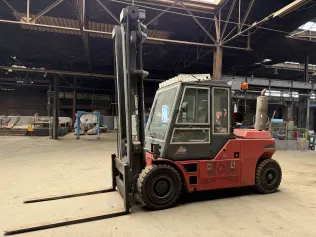
Diesel forklifts: for heavy loads and outdoor use, see diesel forklifts
Gas forklifts (LPG/CNG): for mixed indoor and outdoor work, see gas forklifts
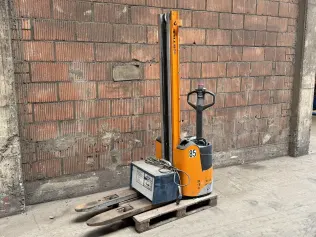
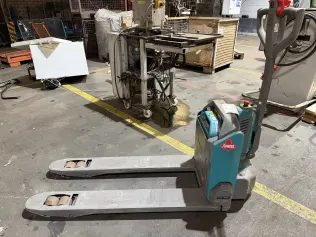
Electric pallet trucks: including high lift trucks for indoor use, see electric pallet trucks
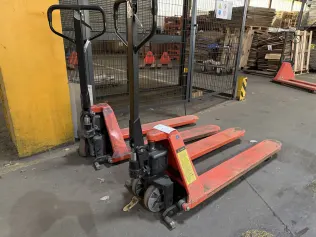
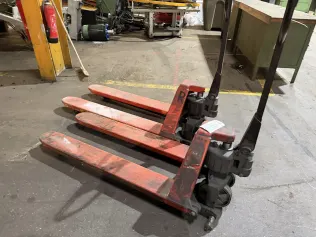
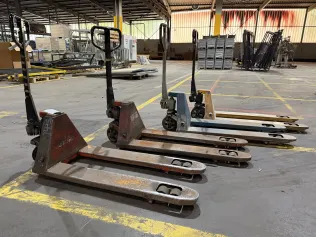
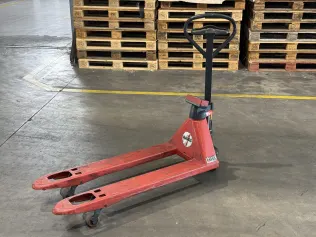
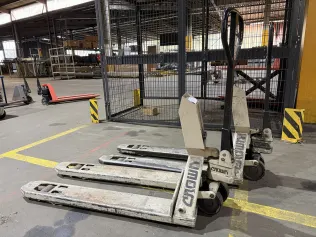
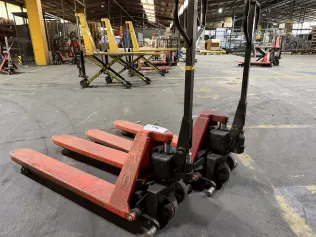
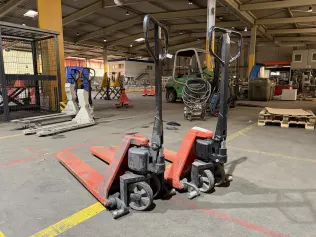
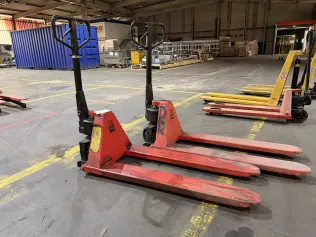
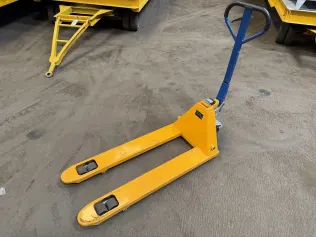
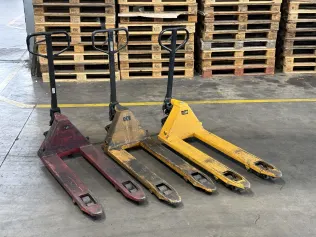
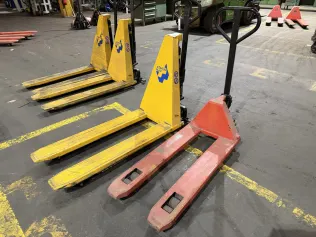
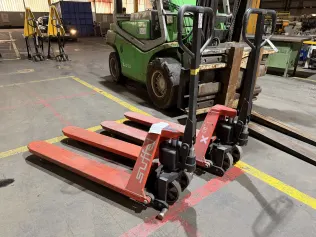
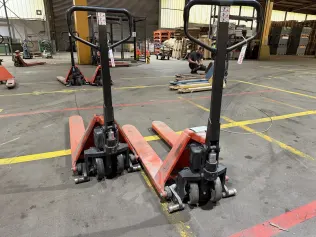
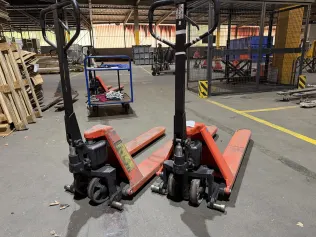
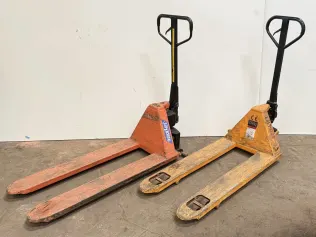
Hand pallet trucks: manual trucks for short distances, see hand pallet trucks
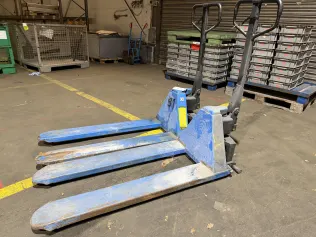
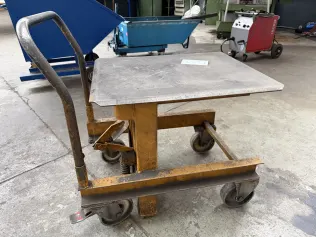
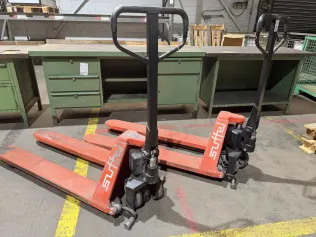
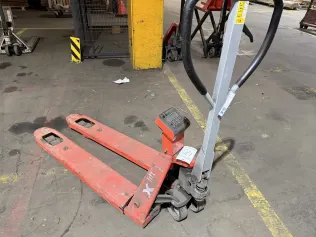
Special pallet trucks: for example trucks with an integrated scale, see special pallet trucks
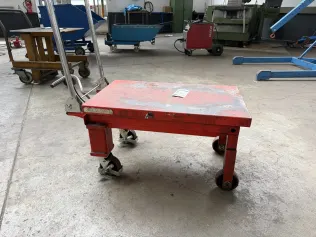
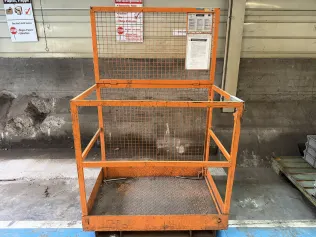
Forklifts are part of Operating Equipment, together with other workshop and handling equipment.
2. Which Drive Type Fits Your Application?
Diesel: strong at heavy loads and rough outdoor ground; exhaust and noise make it less suitable for closed halls
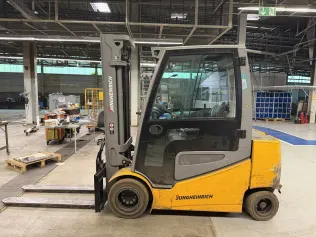
Gas (LPG/CNG): works indoors and outdoors; often chosen where a combustion engine is needed but exhaust should stay lower than with diesel
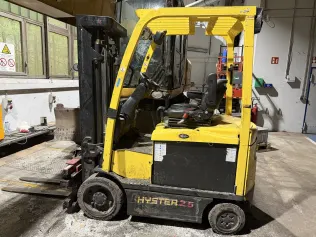
Electric: quiet and without local exhaust, therefore common in warehouses and production; the battery and charger are part of the purchase decision
Manual: hand pallet trucks need no power and suit short distances and light daily handling
The load, the floor, the ceiling height and the working hours per day usually decide the drive type before brand or year of manufacture.
3. Specifications to Compare Before You Enquire
Lifting and Load
Rated capacity: the load the truck lifts at the stated load centre; check it against your heaviest pallet
Lift height and mast type: simplex, duplex and triplex masts differ in free lift and closed height, which matters for doors and racking
Fork length and carriage: must match your pallet size and attachments
Condition and Equipment
Operating hours: a clearer indicator of wear than the year of manufacture
Tyres and battery: tyre type decides indoor or outdoor use; on electric trucks, ask about battery age and charger
Mast, chains and hydraulics: look for play, leaks and chain wear
Each ReMach machine page shows the data available for that truck. Missing details can be requested directly.
4. Buying Checks for Used Forklifts
A used truck is worth buying when the paperwork and the condition match. These points are worth clarifying before you decide:
Inspection record: in Germany, industrial trucks are inspected by a competent person (Sachkundiger) at least once a year under DGUV Vorschrift 68; ask for the latest report
Operator authorisation: drivers need instruction and a written authorisation from the employer; the training follows DGUV Grundsatz 308-001
Data plate and attachments: check capacity, serial data and any attachments against the listing
Viewing or test: ask for photos, a short video or a viewing appointment before purchase
The training and inspection rules above are German requirements. Check what applies in your own country.
5. Currently Listed Forklifts and Pallet Trucks
Examples from the current range. Availability and conditions are shown on each machine page:
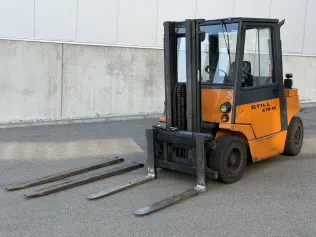
STILL R70-40 diesel forklift: view machine page, located in Laichingen
Gas forklift: view machine page, located in Solingen
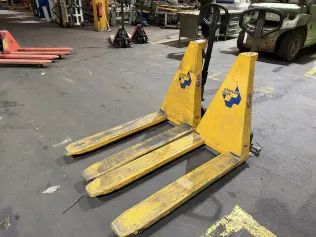
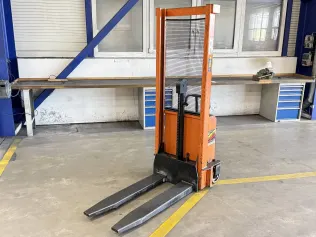
PAPA Withforce WL 16/10 high lift truck: view machine page, located in Laichingen
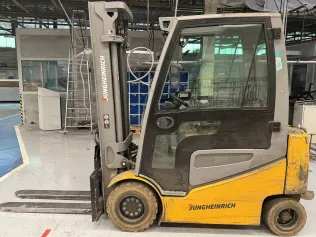
Electric high lift truck with charger: view machine page, located in Solingen
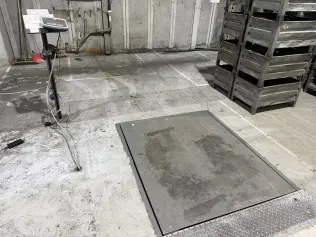
Pallet truck with integrated digital scale: view machine page, located in Solingen
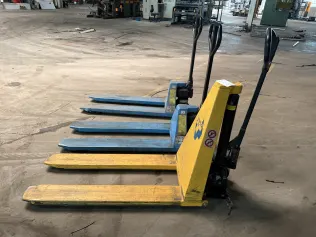
Hand pallet trucks: set of 3 and second set of 3, located in Laichingen
>>> Looking for a specific truck? Send your capacity, lift height and drive type to ReMach.