
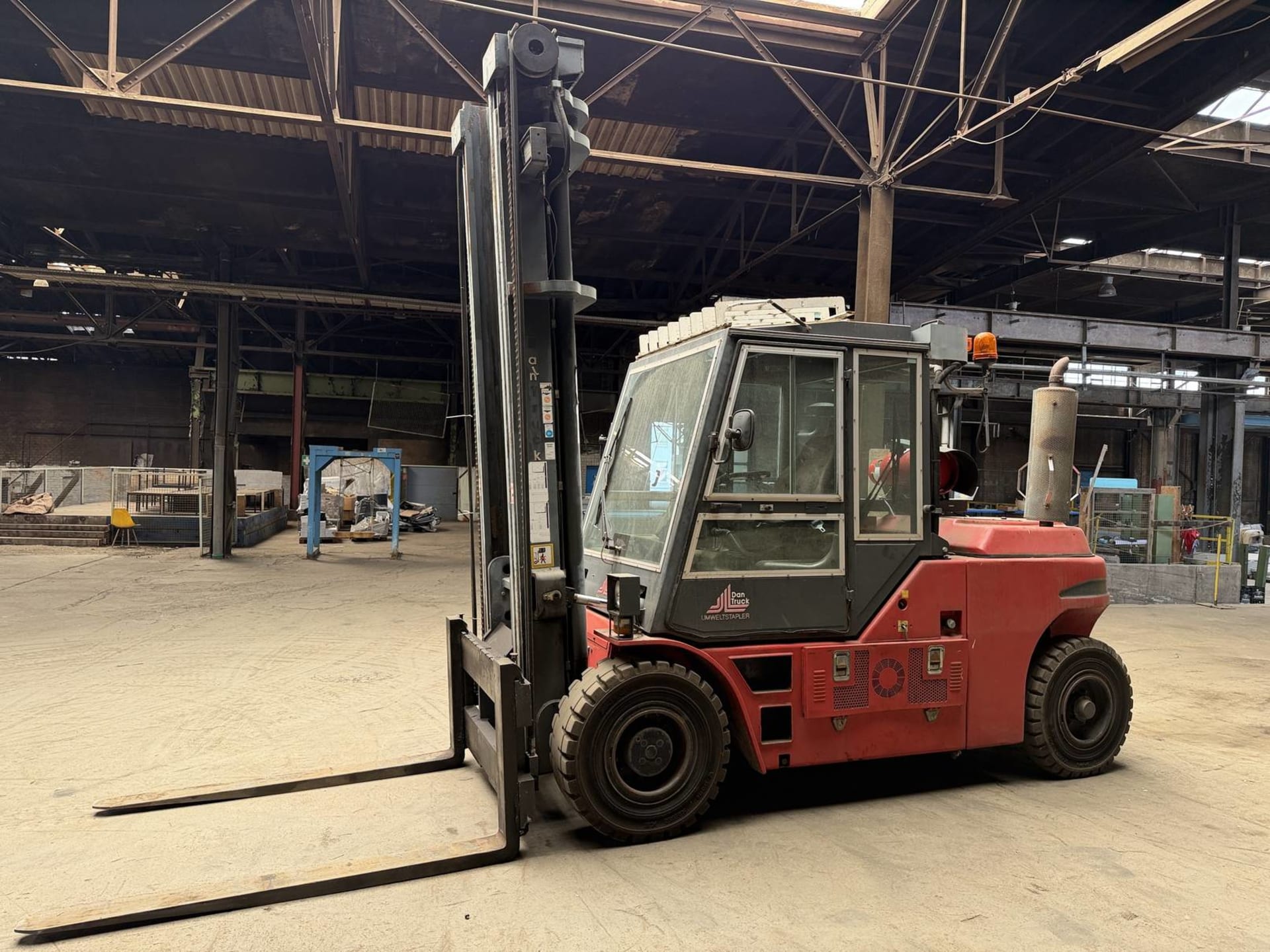
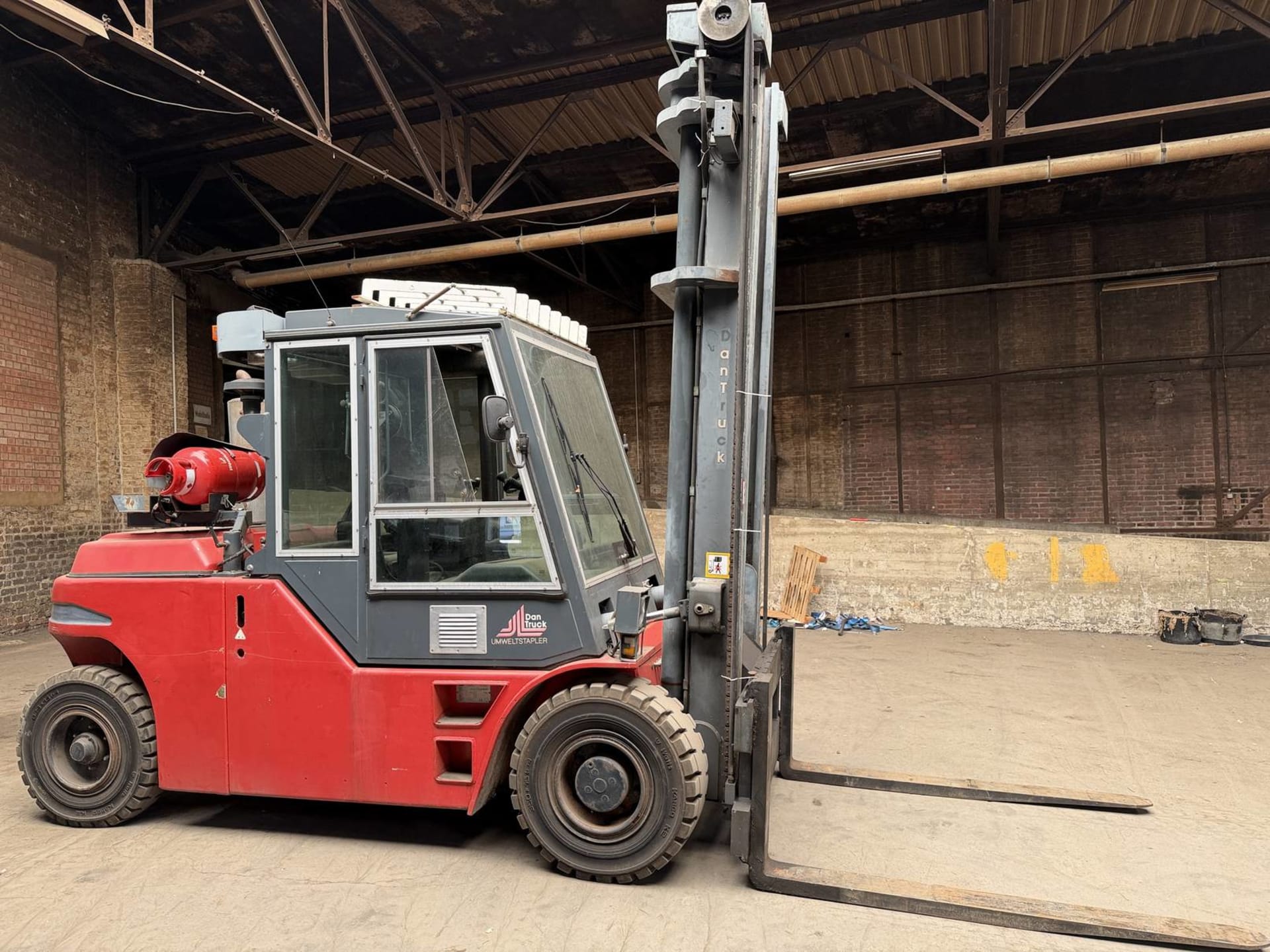
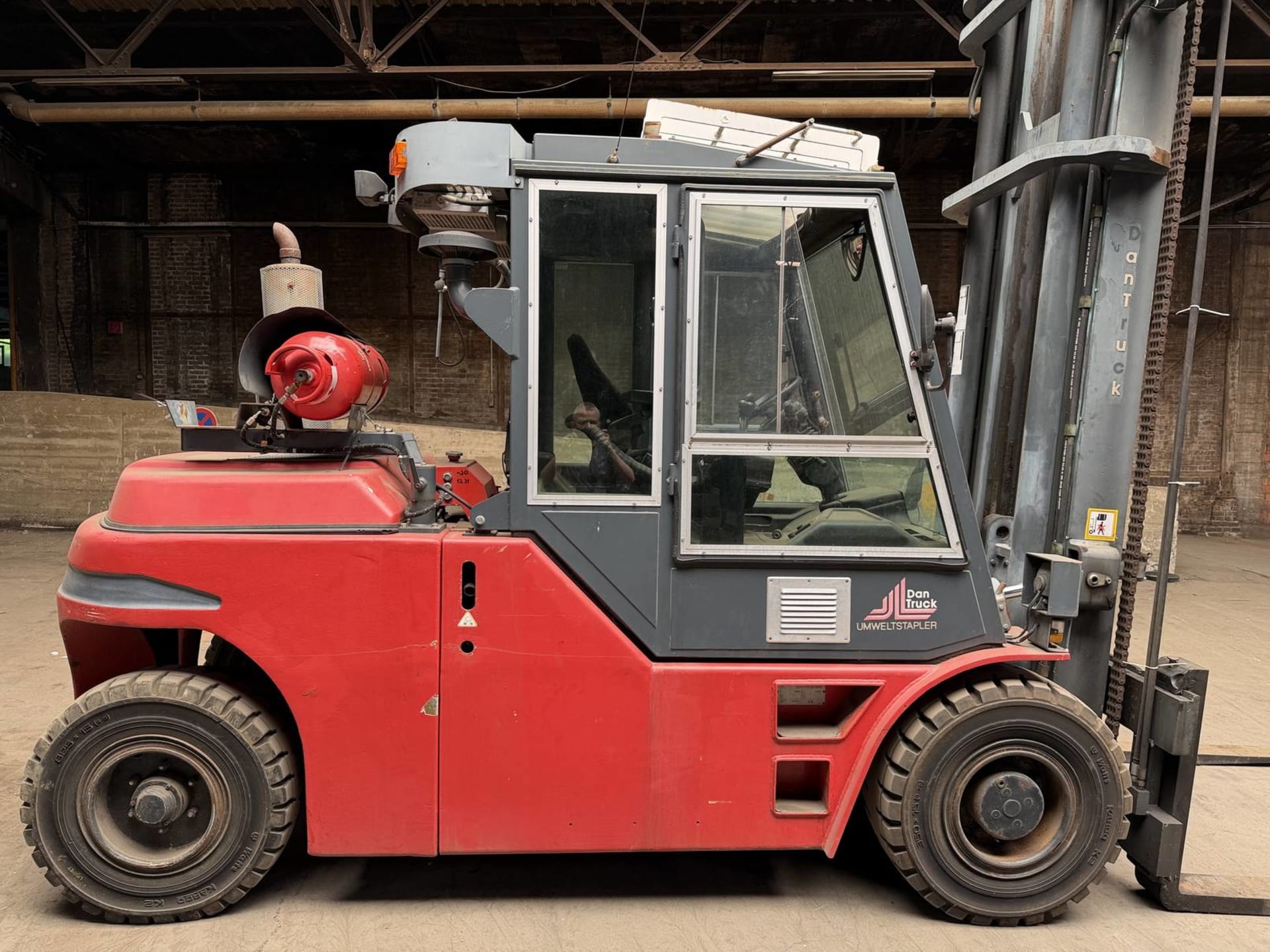
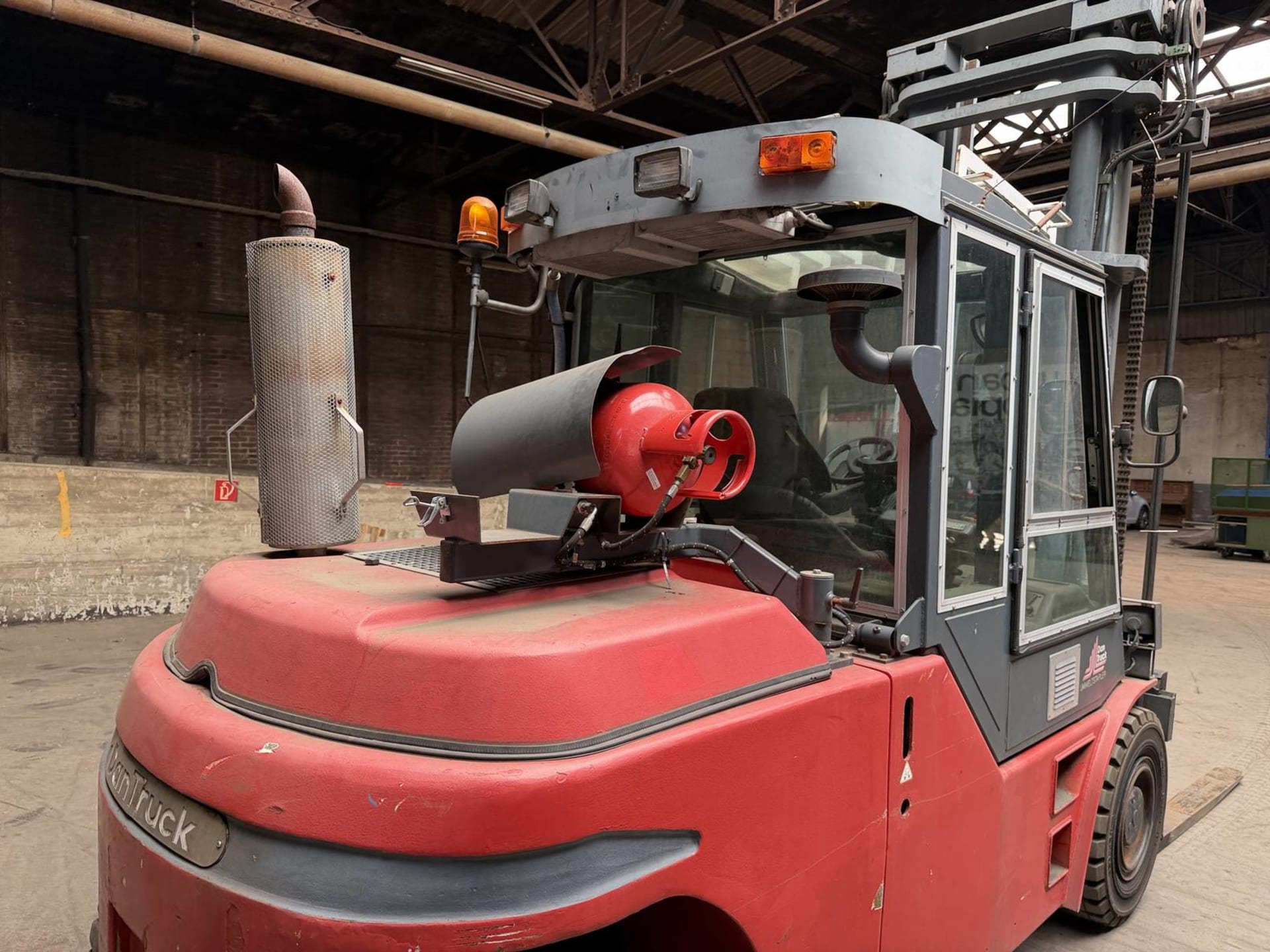
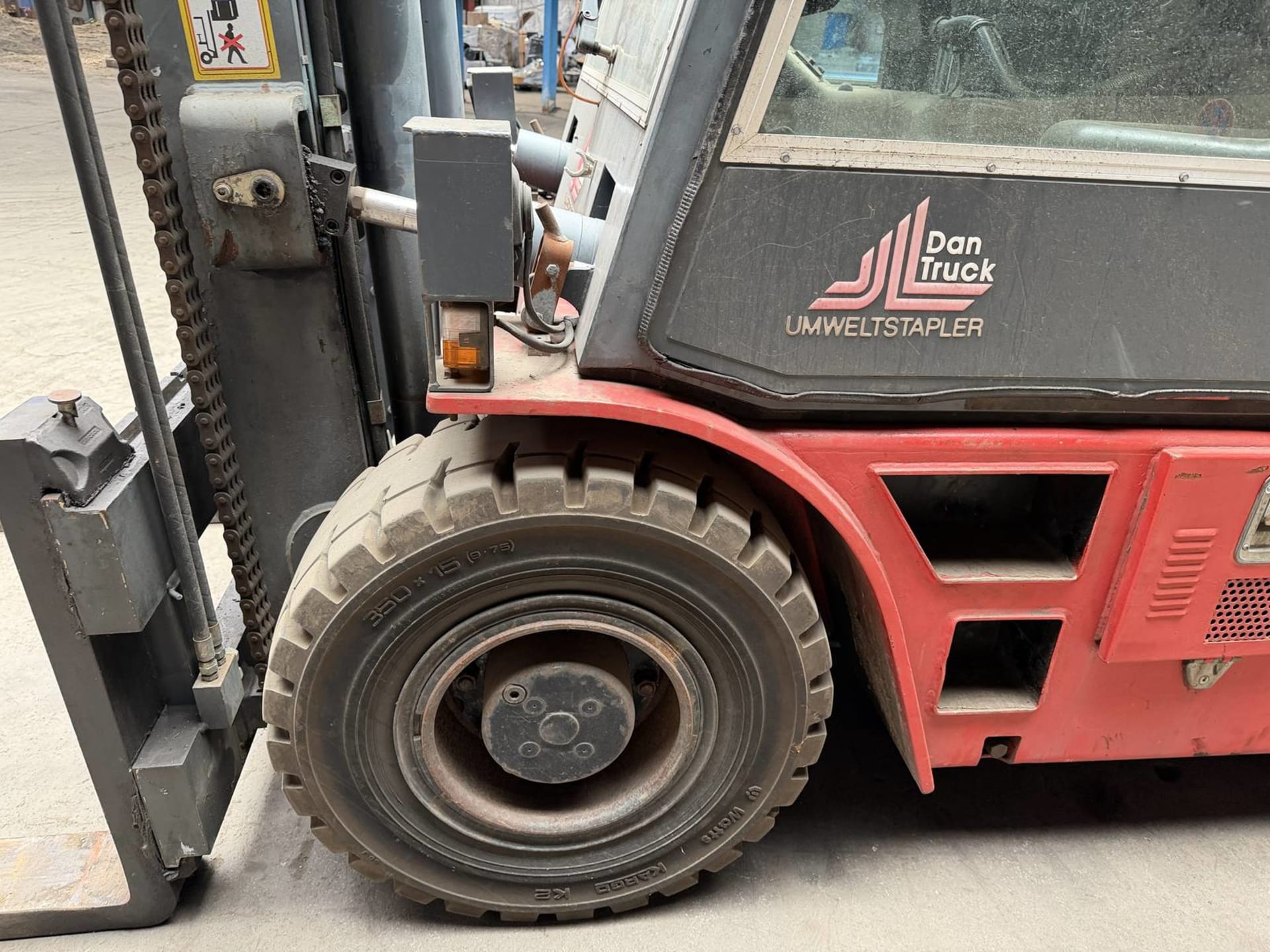
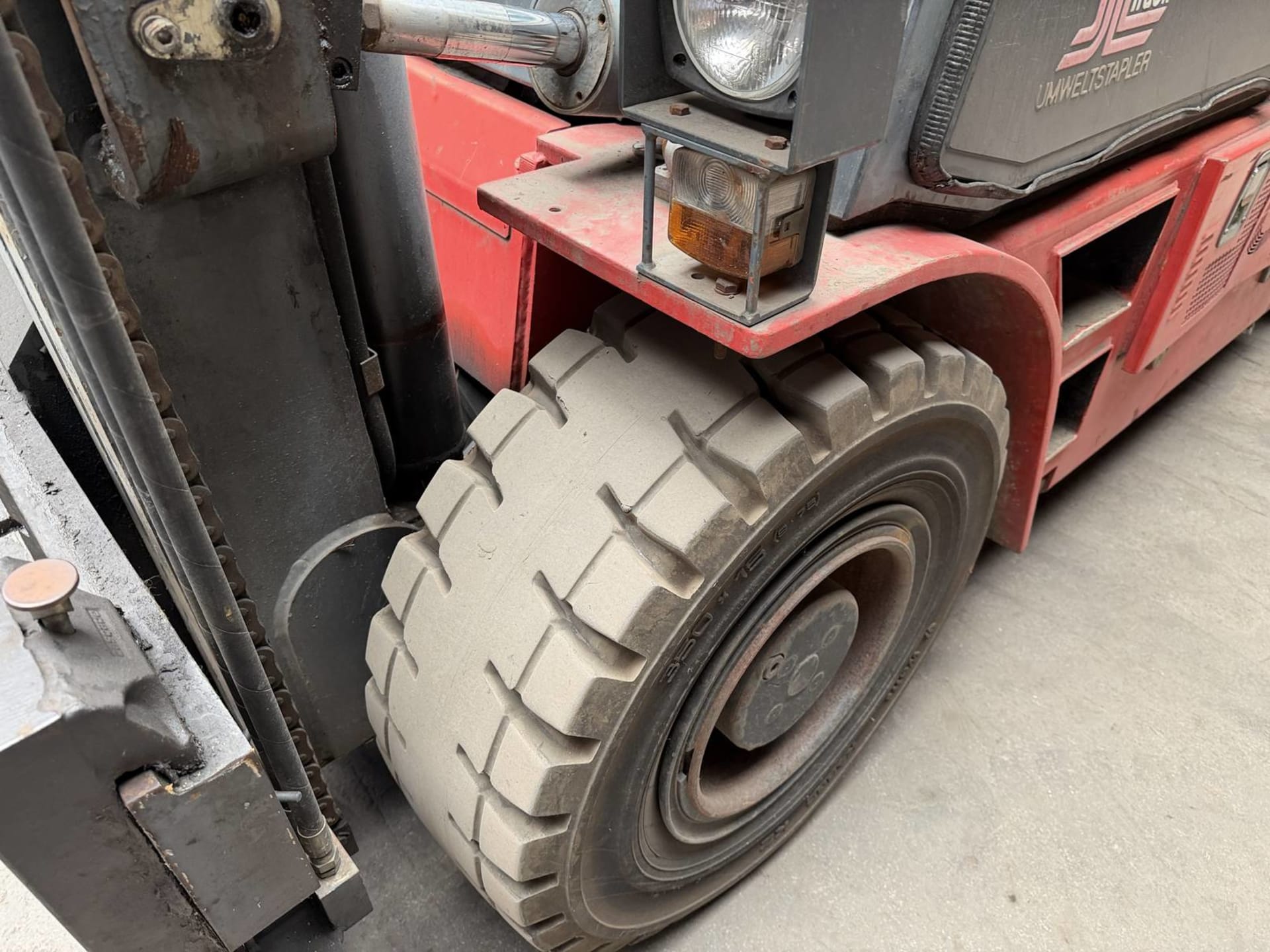
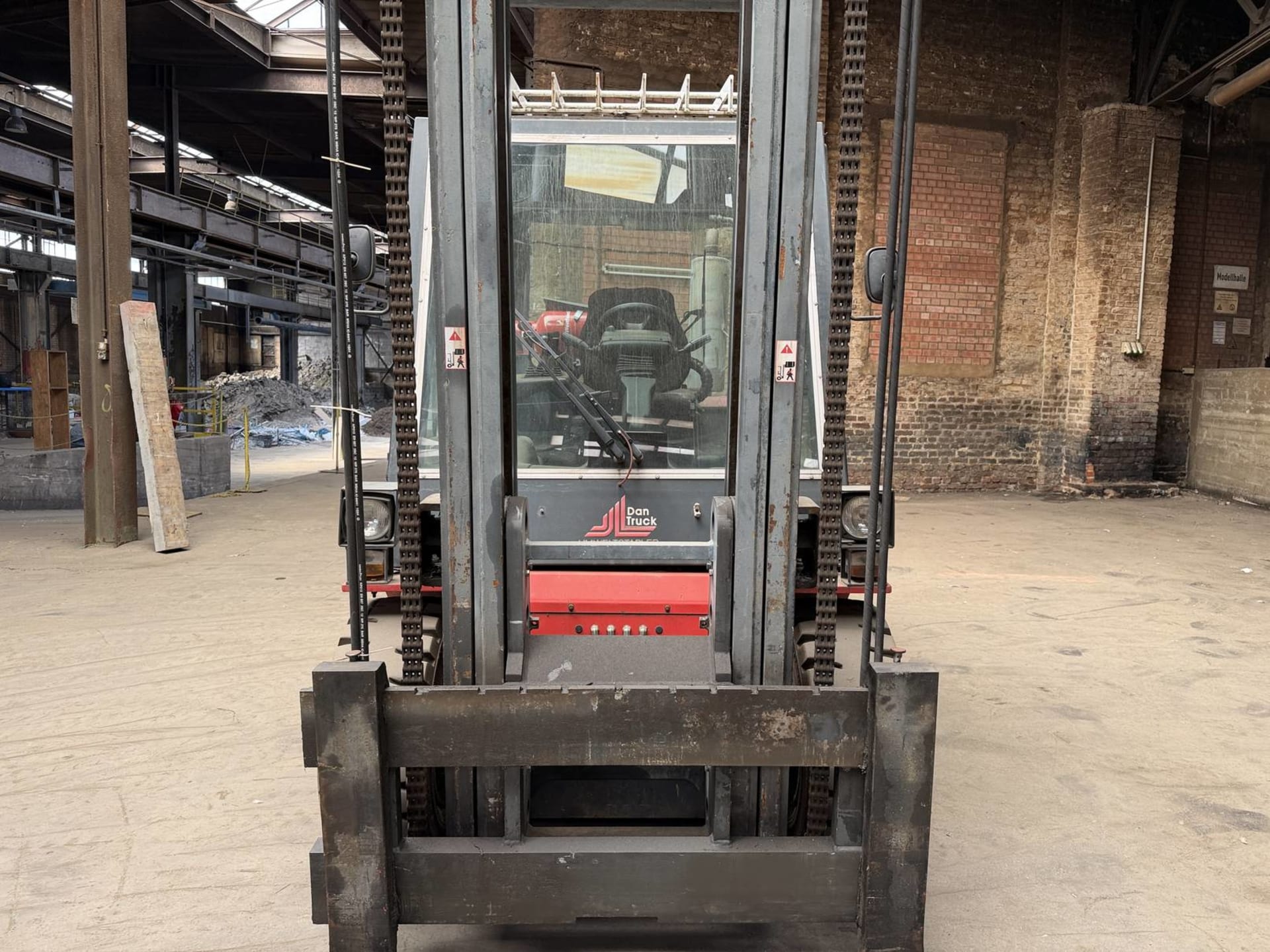
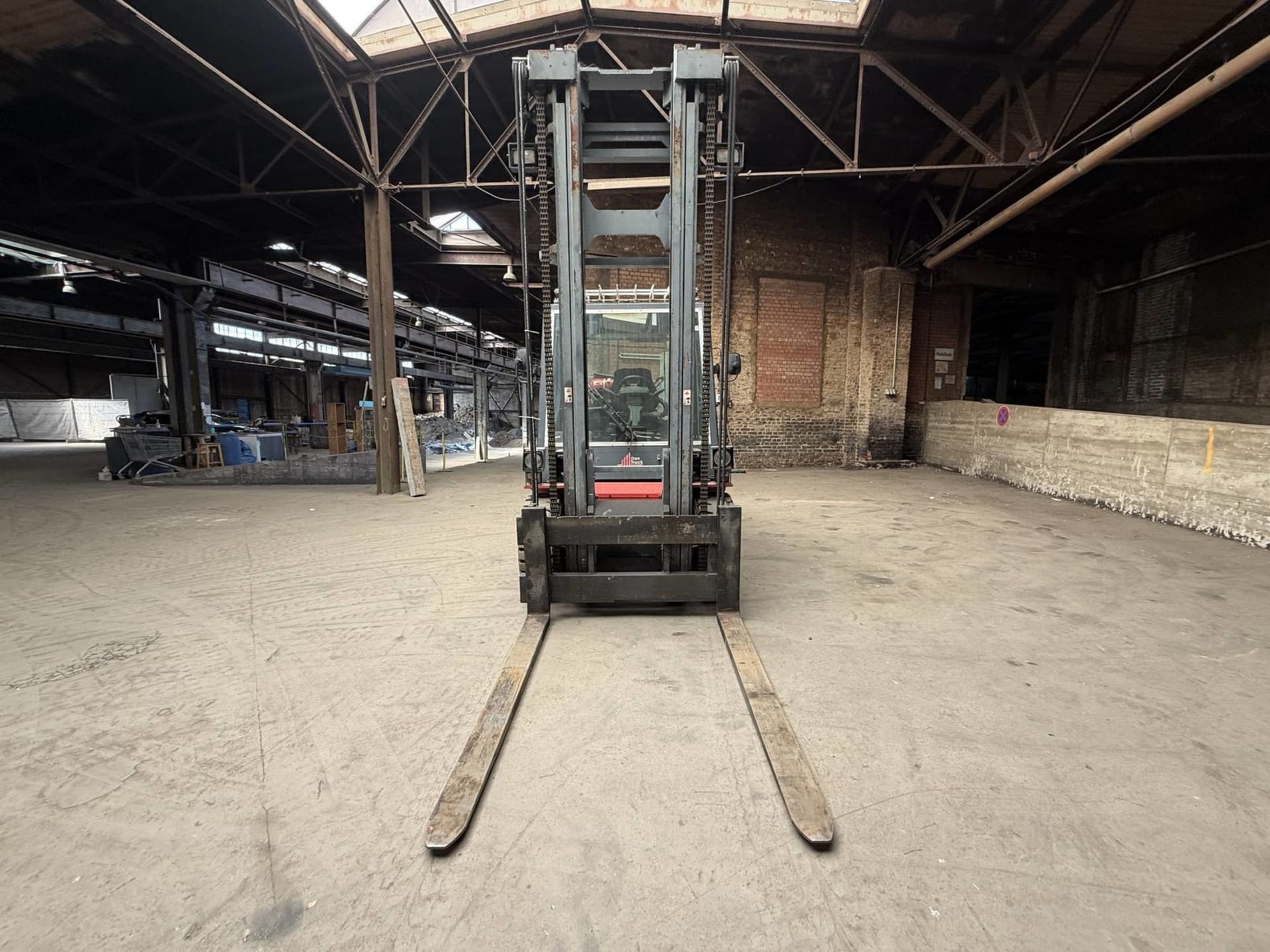
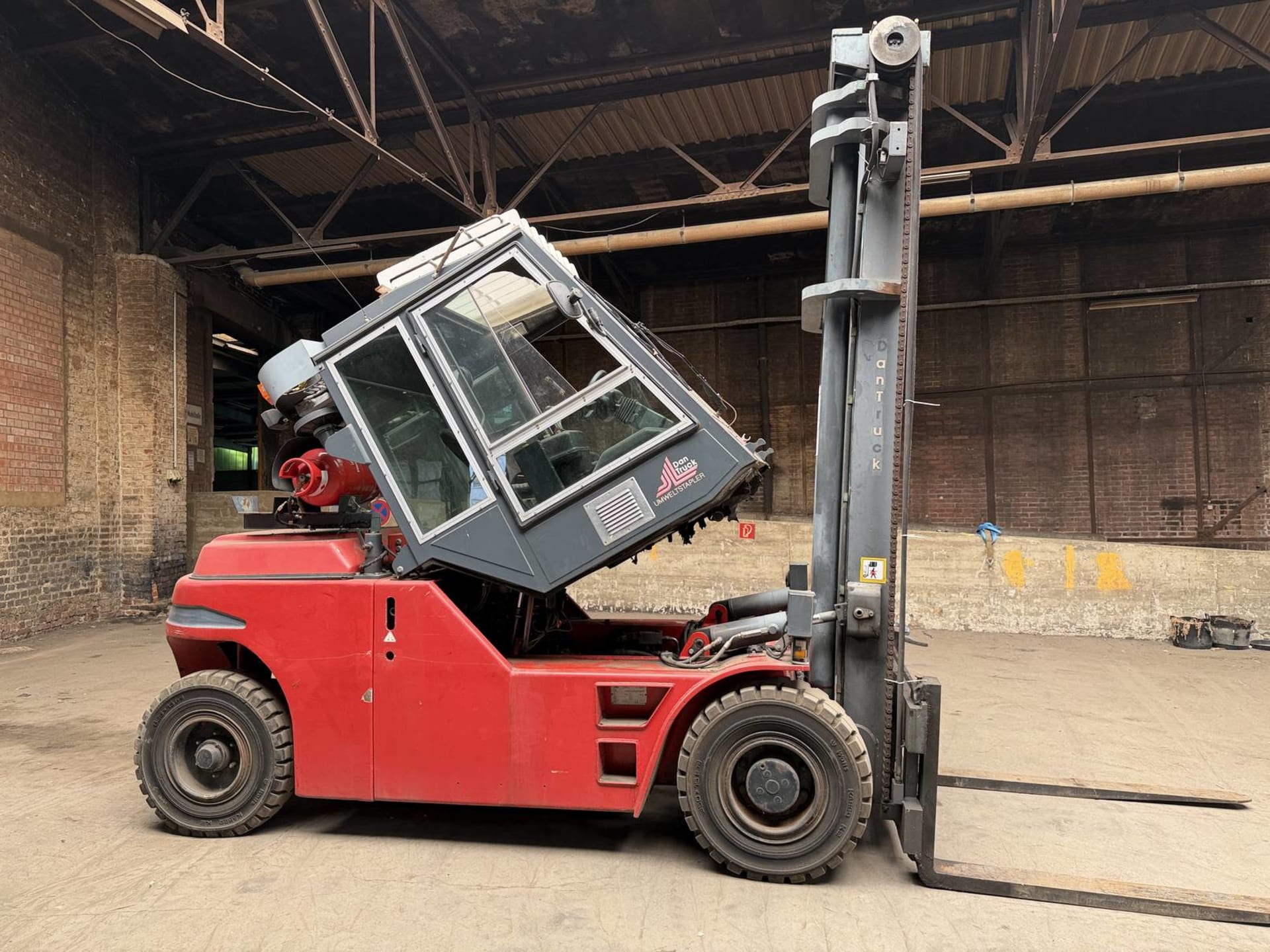
Gas forklift
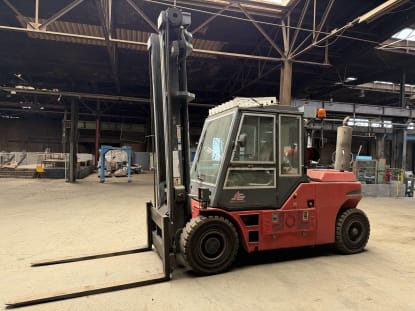
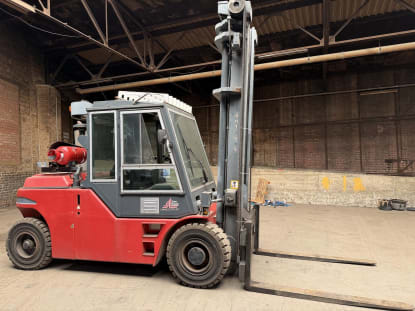
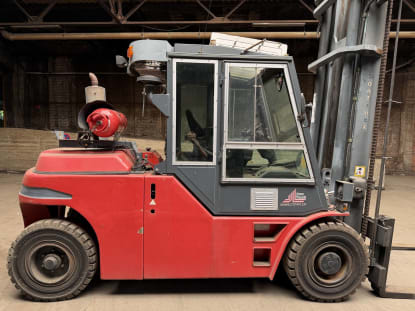
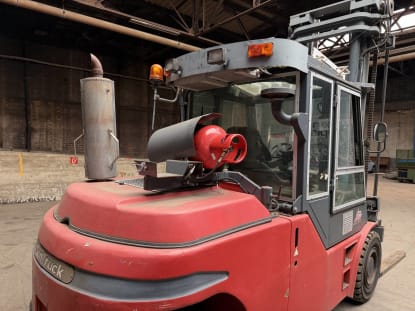
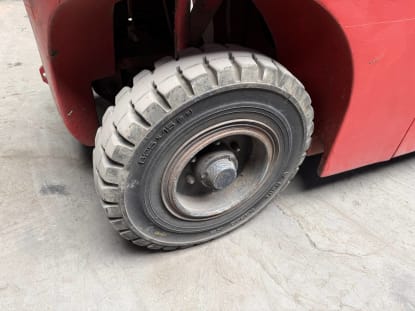
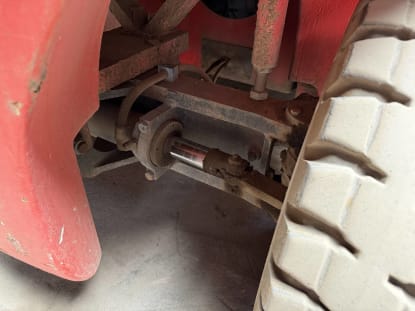
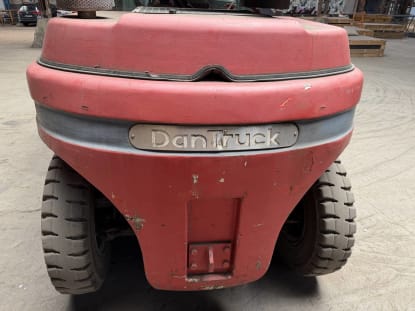
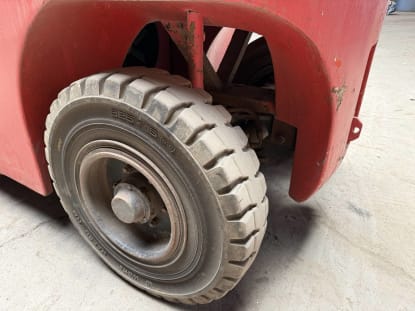
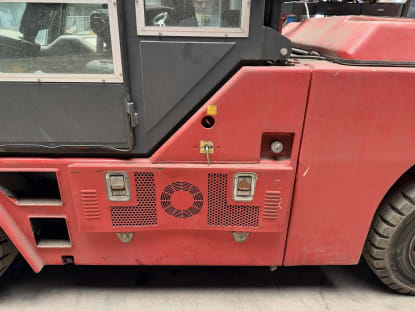
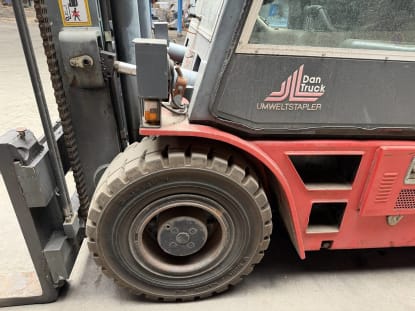
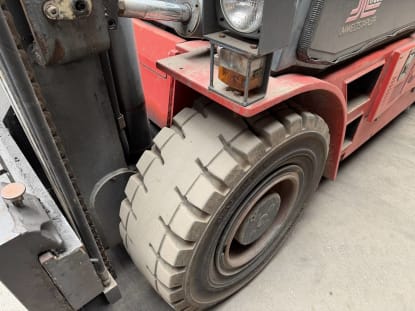
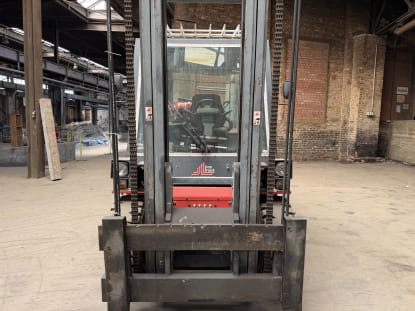
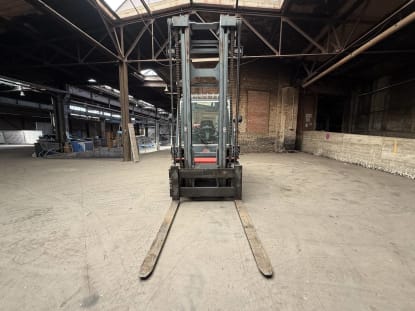
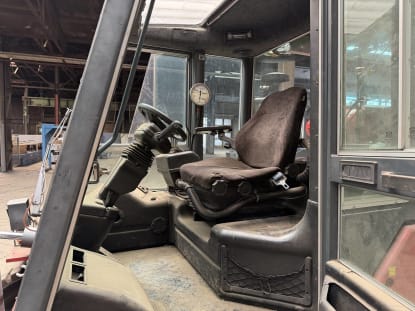
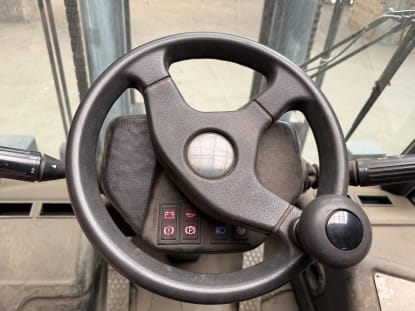
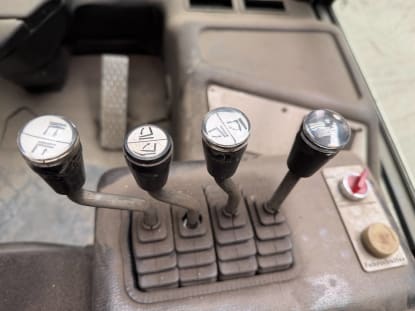
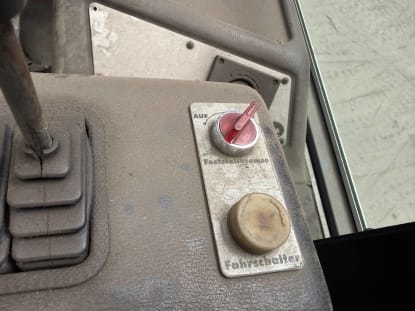
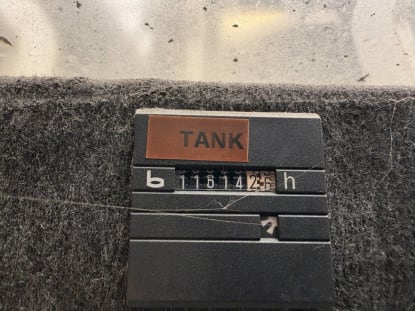
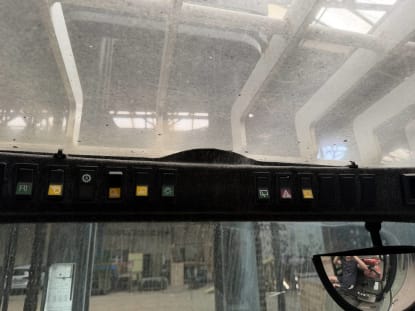
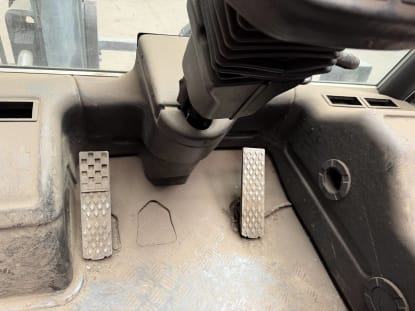
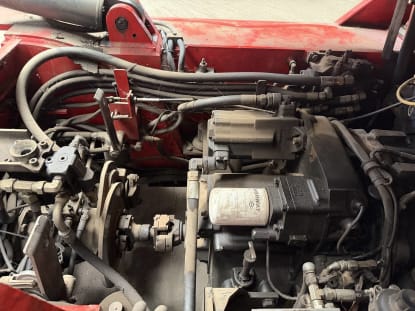
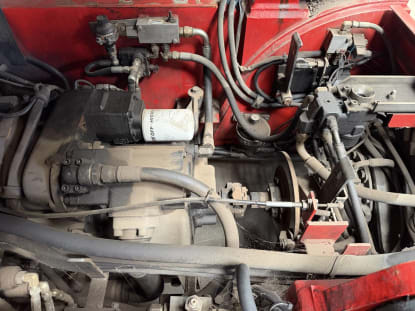
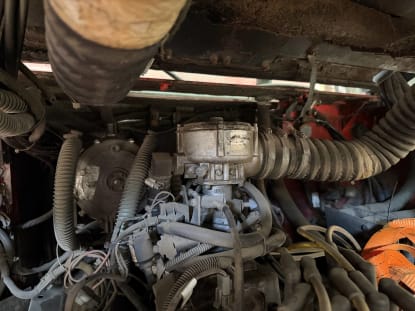
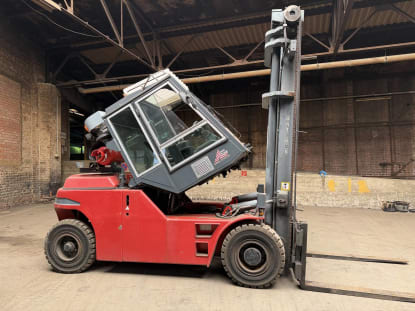
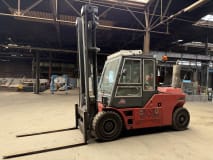
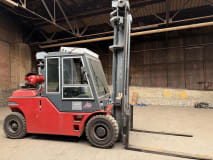
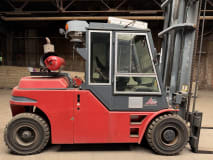
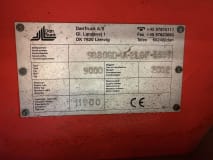
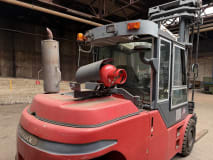
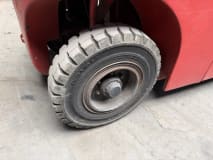
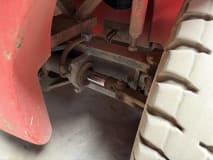
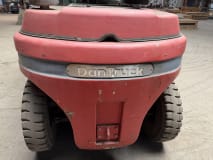
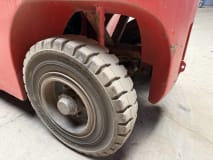
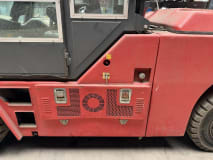
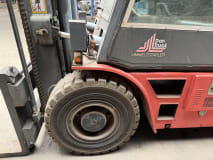
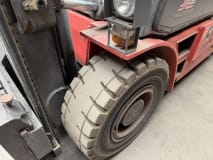
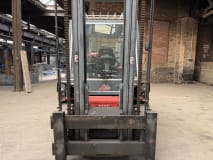
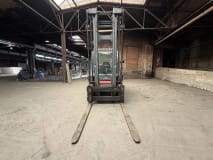
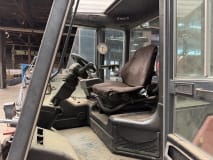
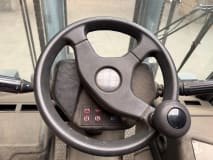
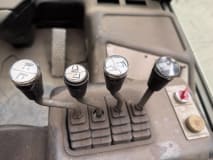
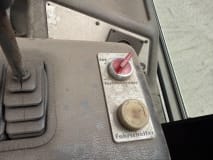
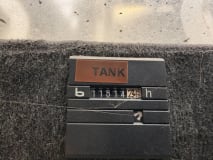
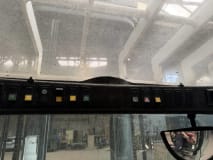
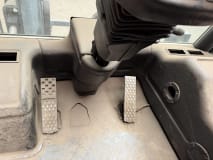
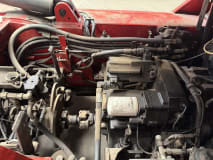
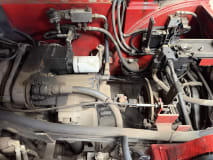
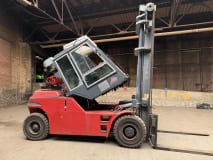
- Storage Number
- 26023-1764
- Machine type
- Gas Forklifts (LPG/CNG)
- Manufacturer
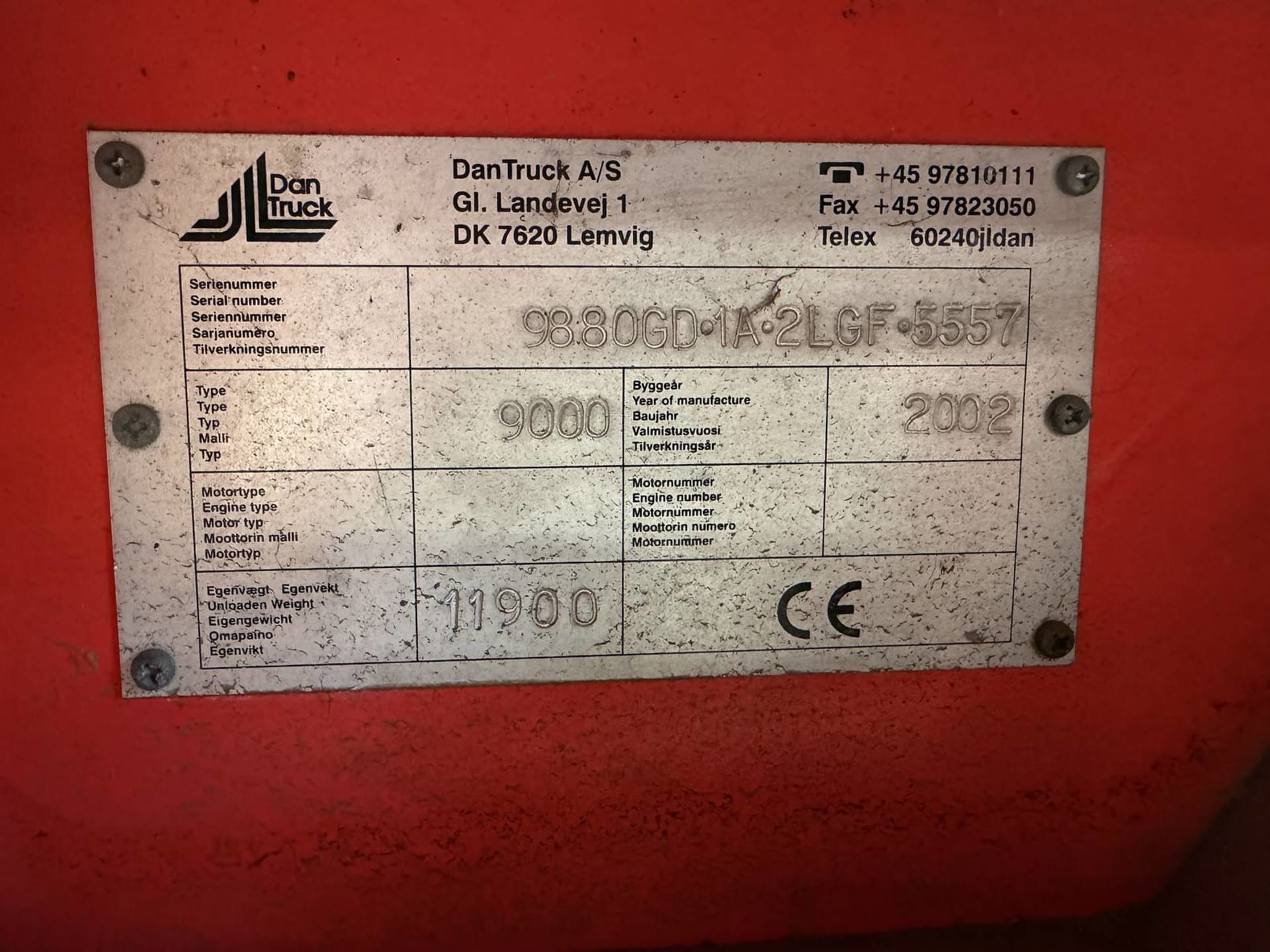
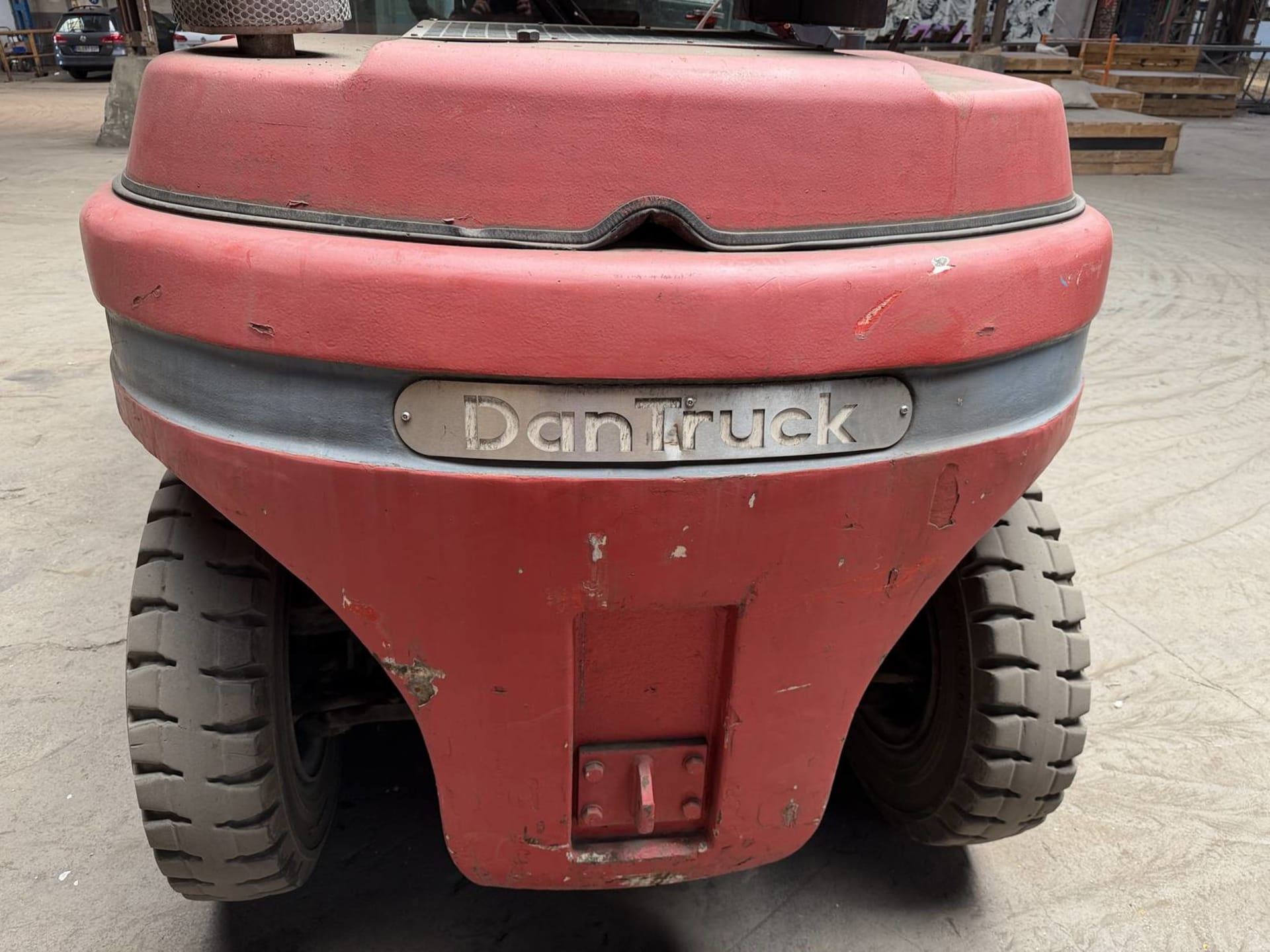
- DAN TRUCK
- Type
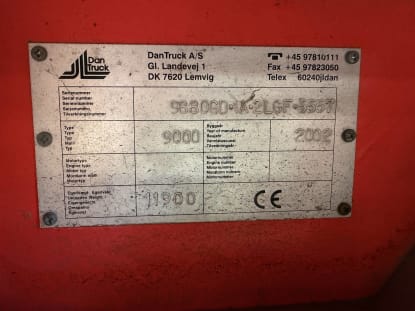
- 9000
- Year of construction
- 2002
- Location
- Solingen, Germany
- Availability
- immediately
- Price
- Auction item
- Dimensions (LxWxH) approx.
- 5700 x 1610 x 3680 mm
- Weight approx.
- 12,000 kg
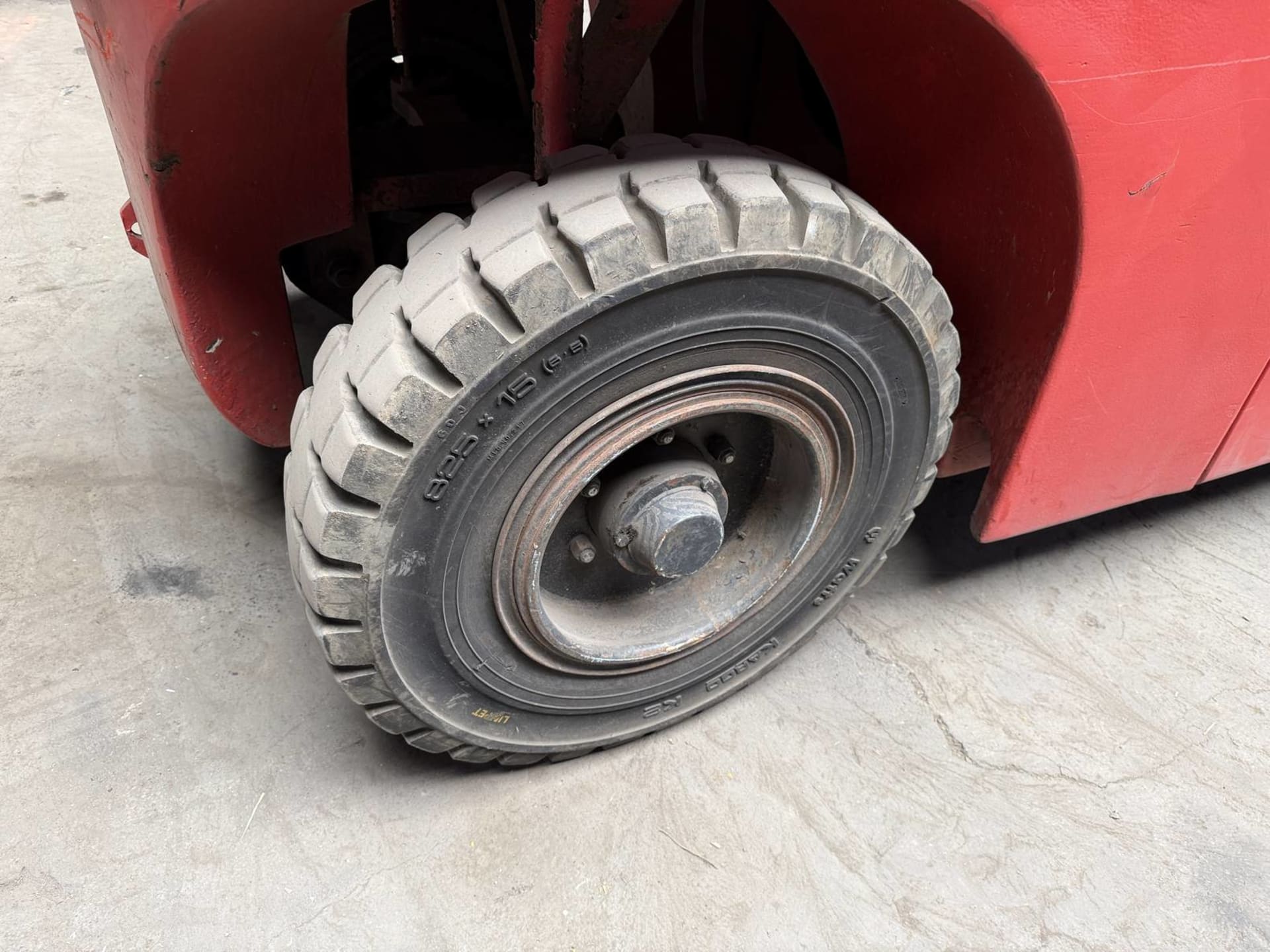
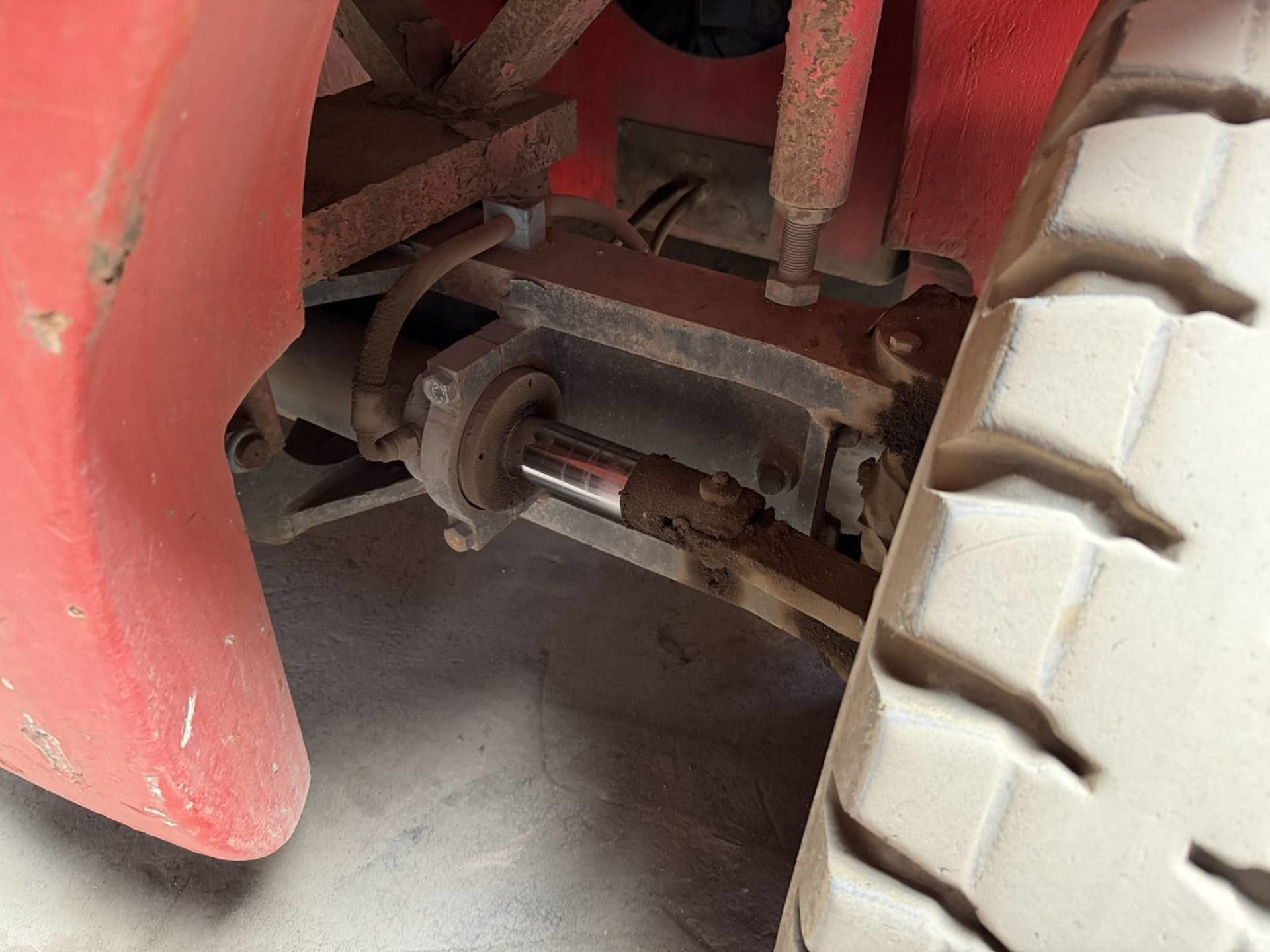
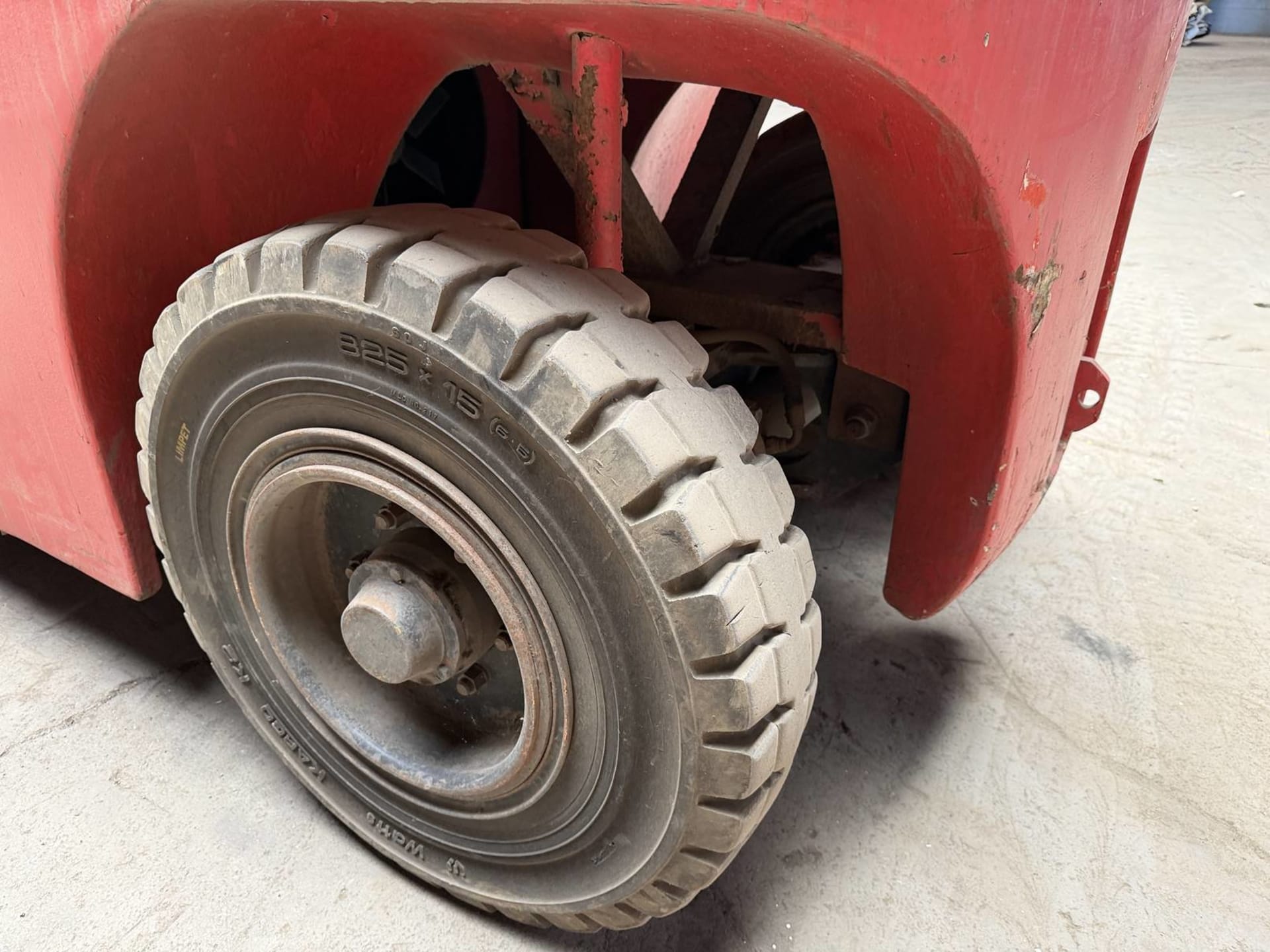
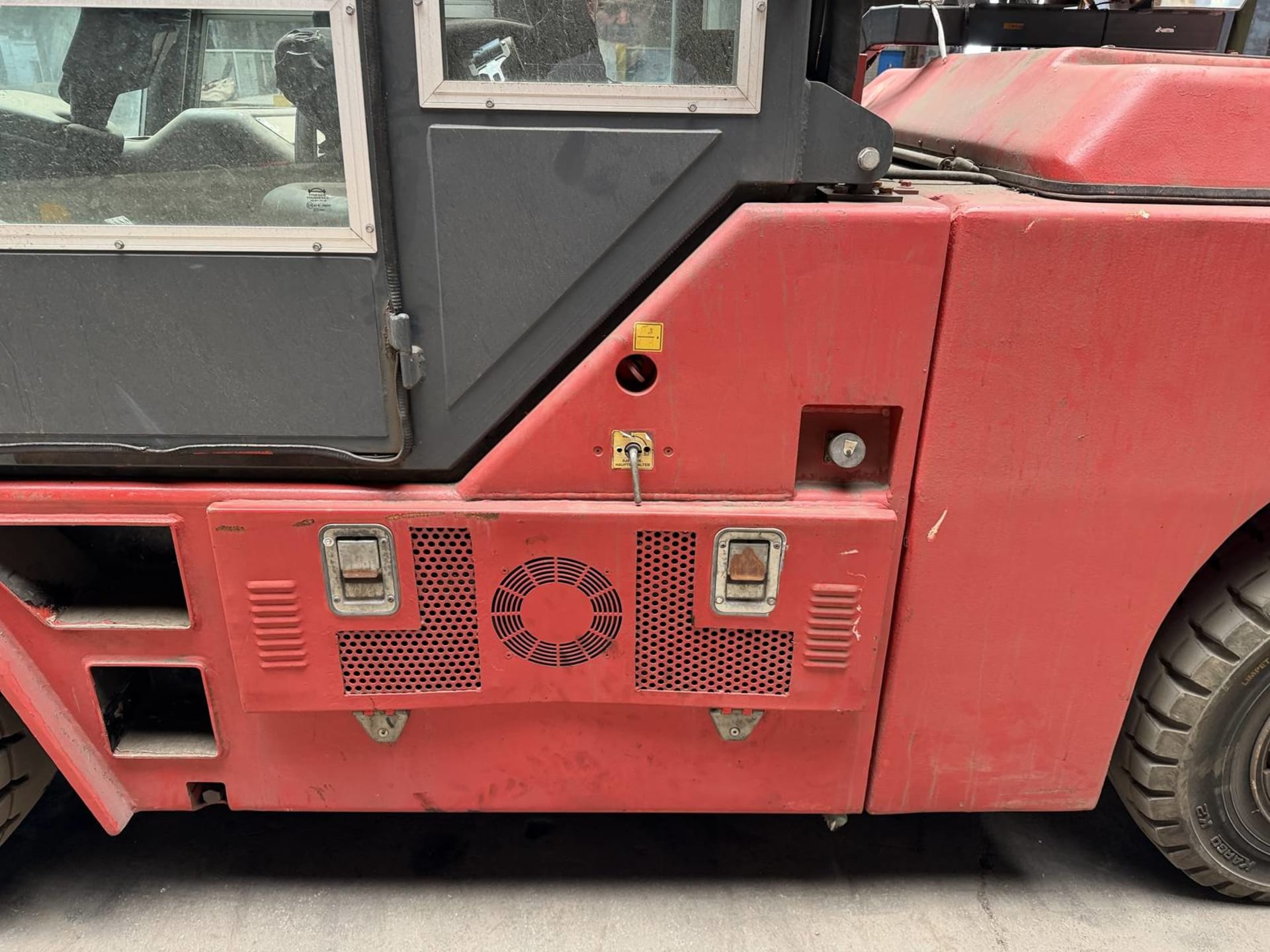
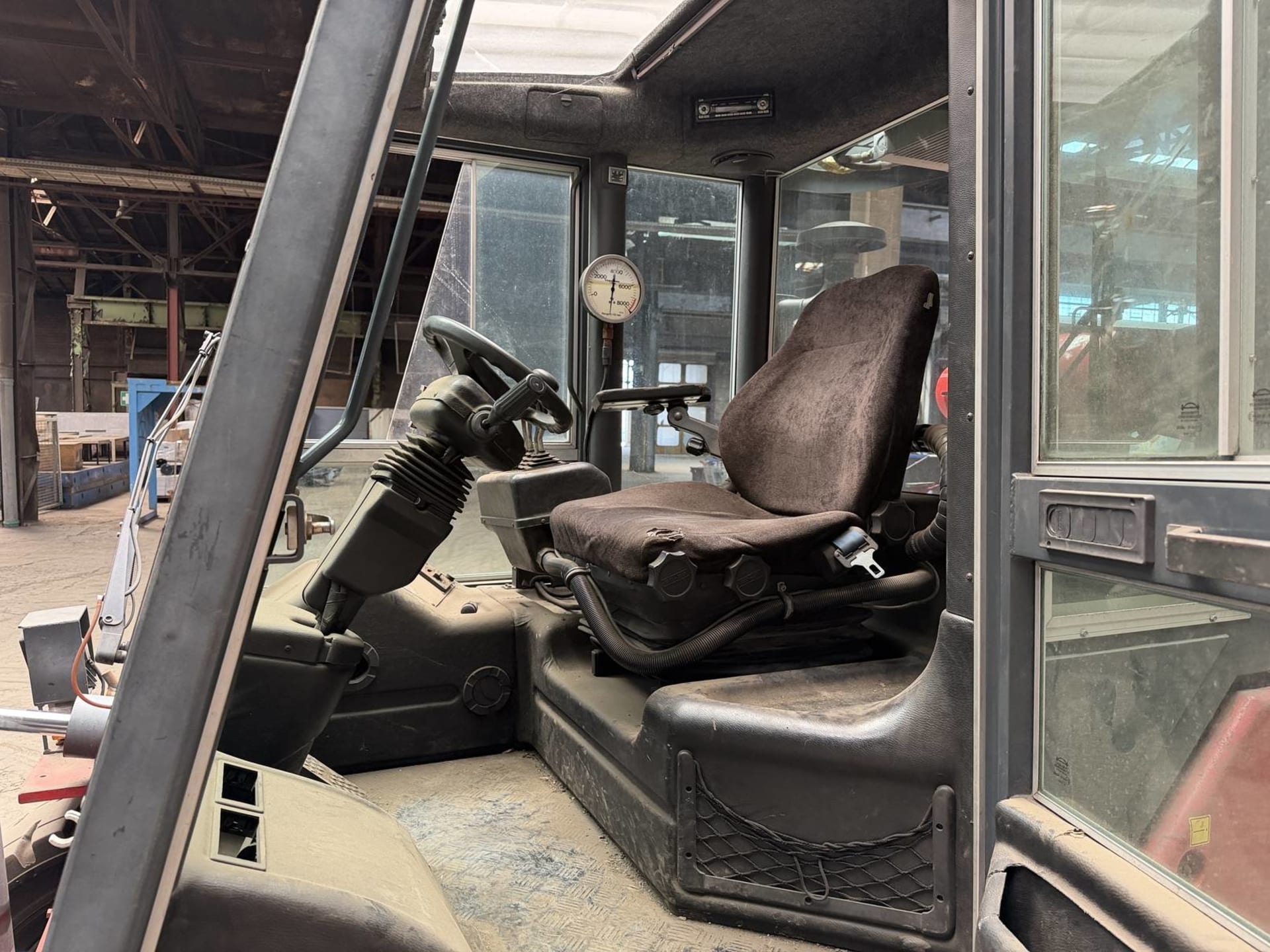
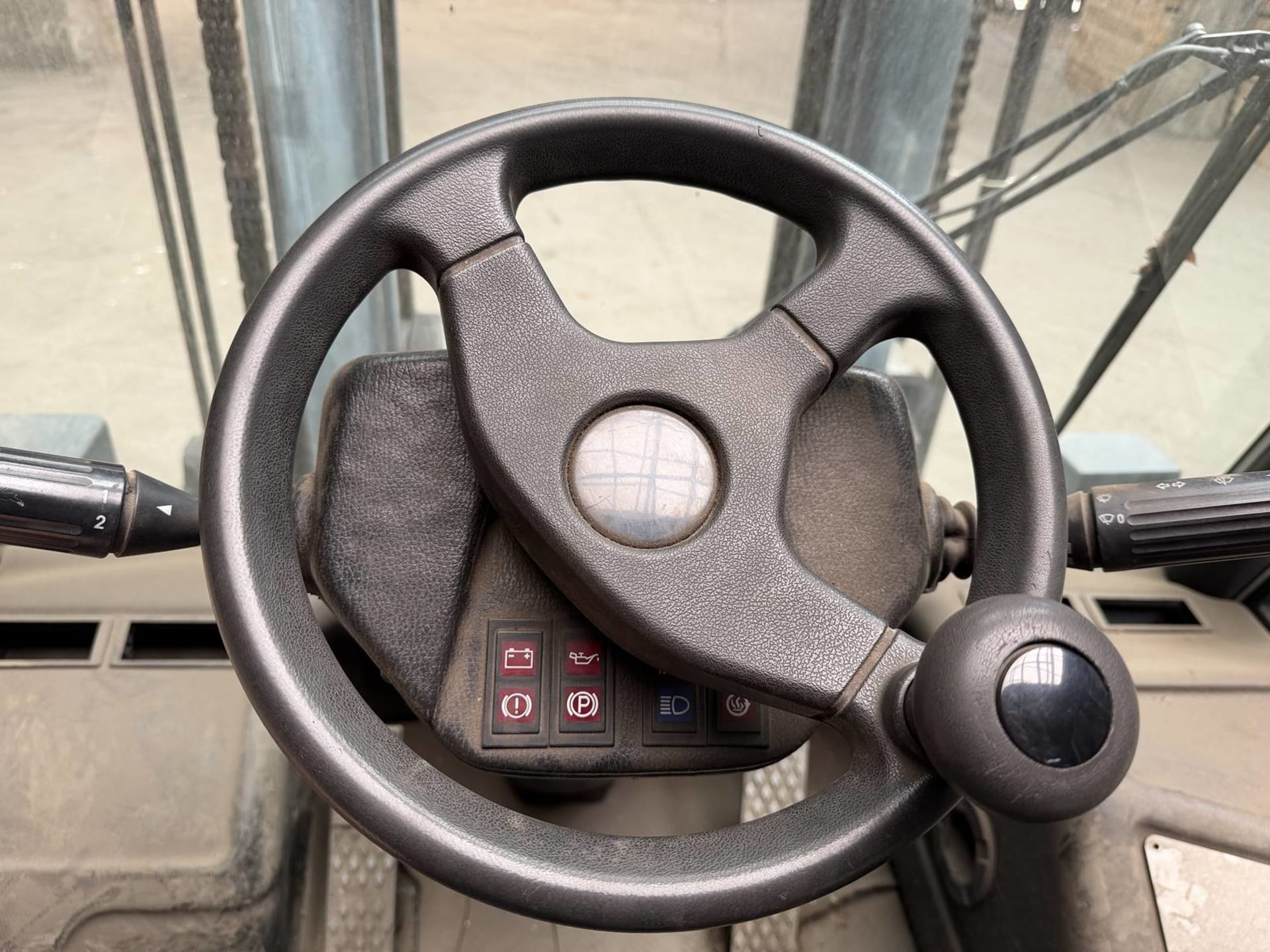
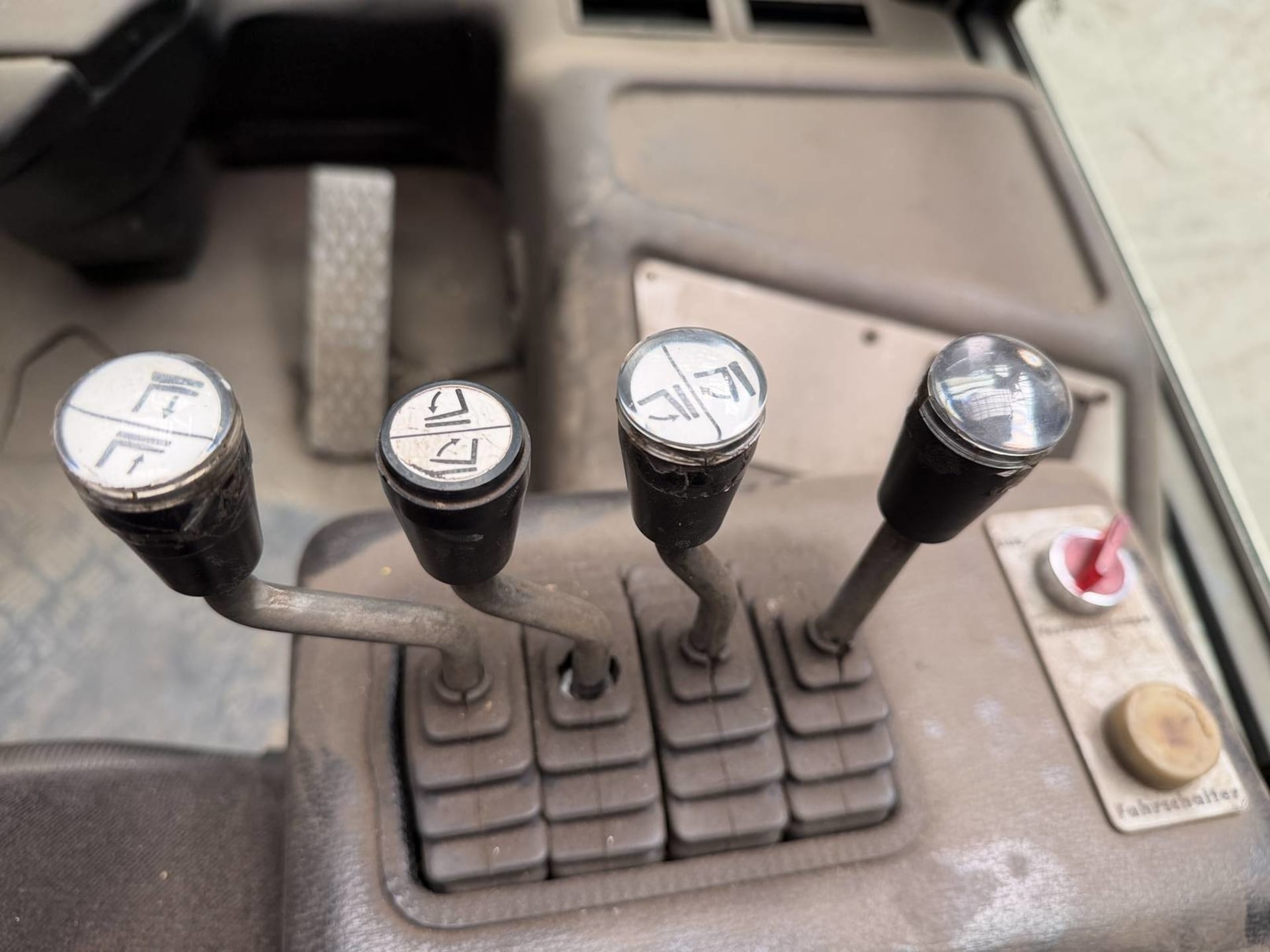
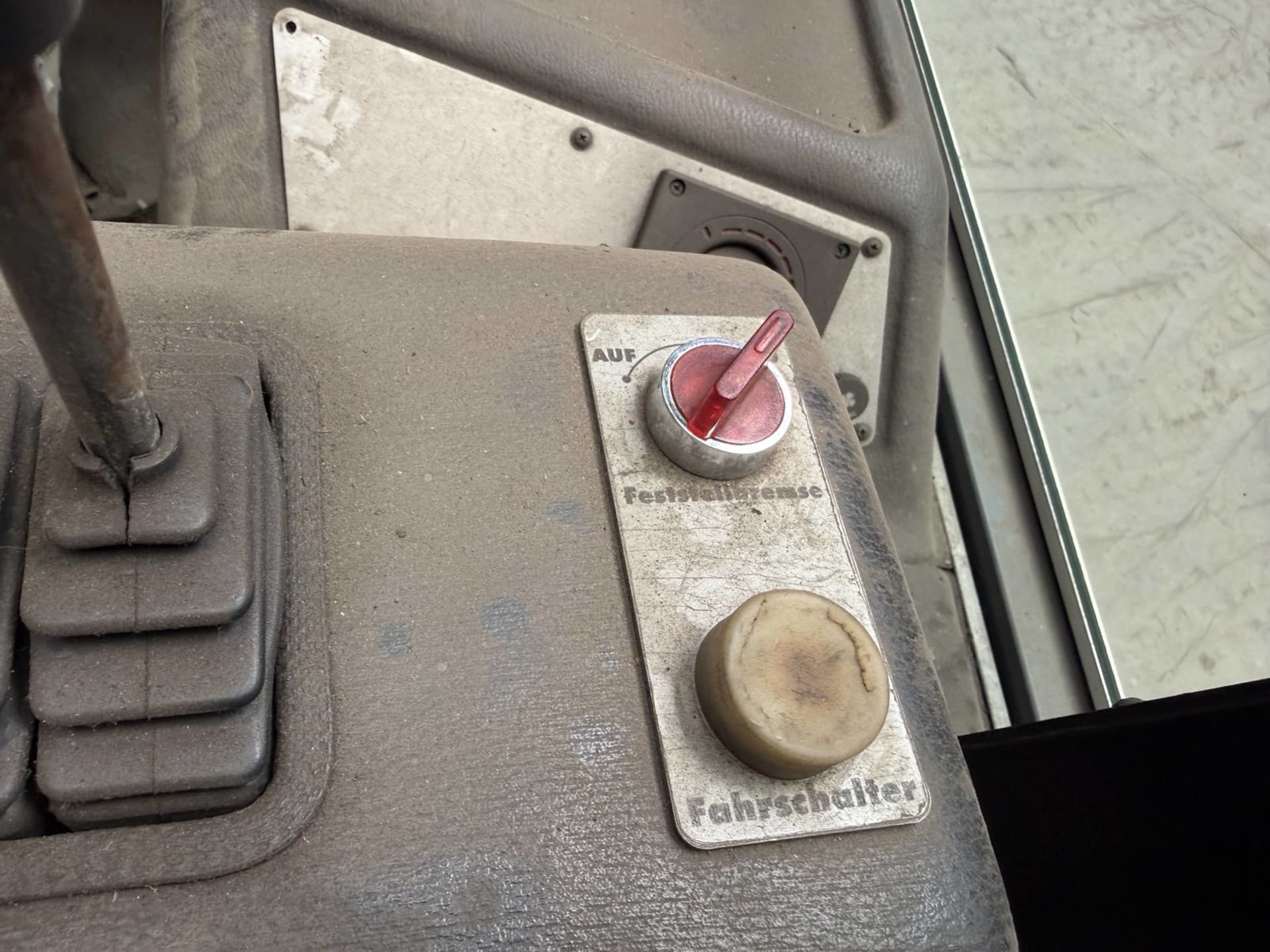
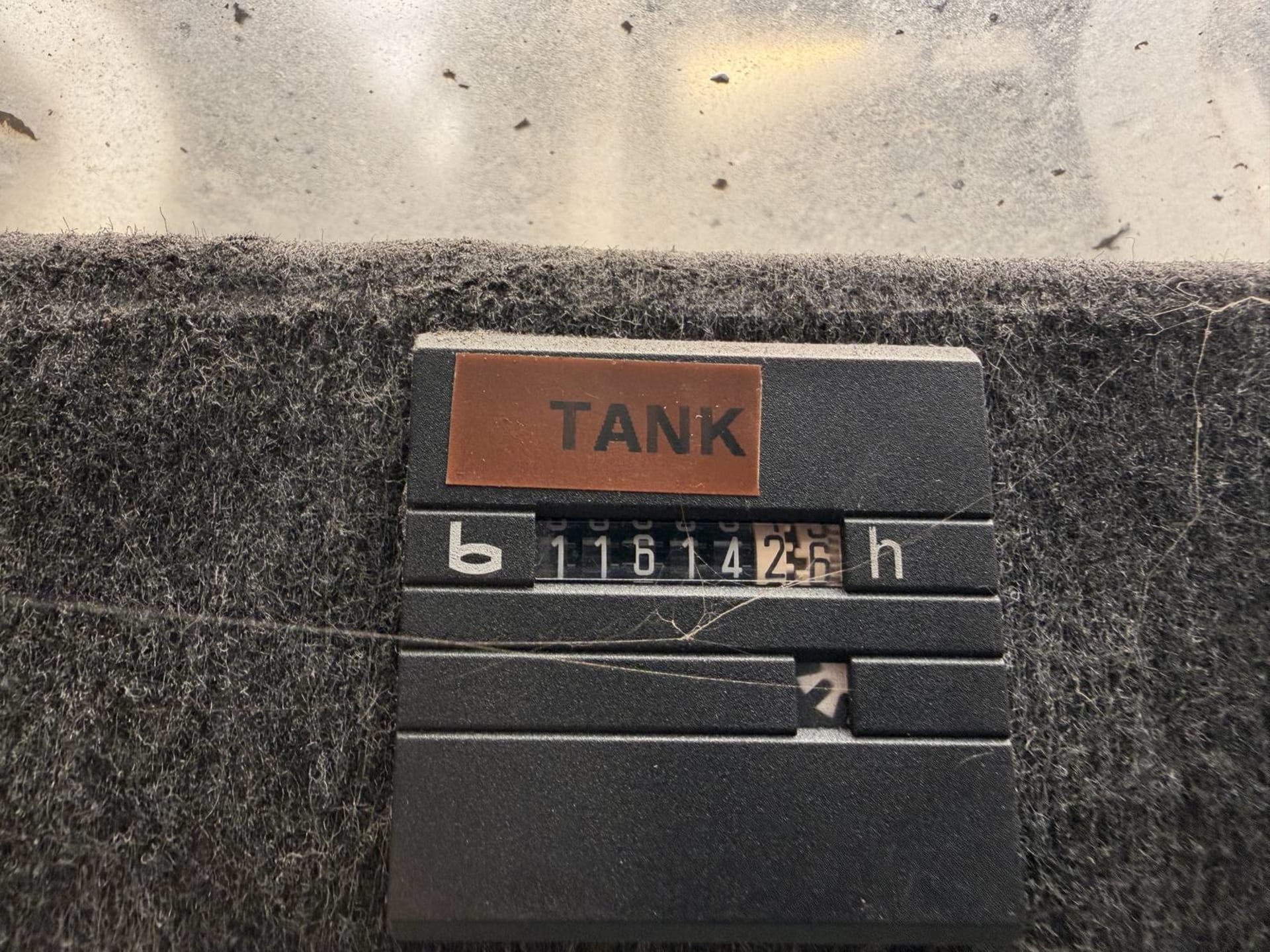
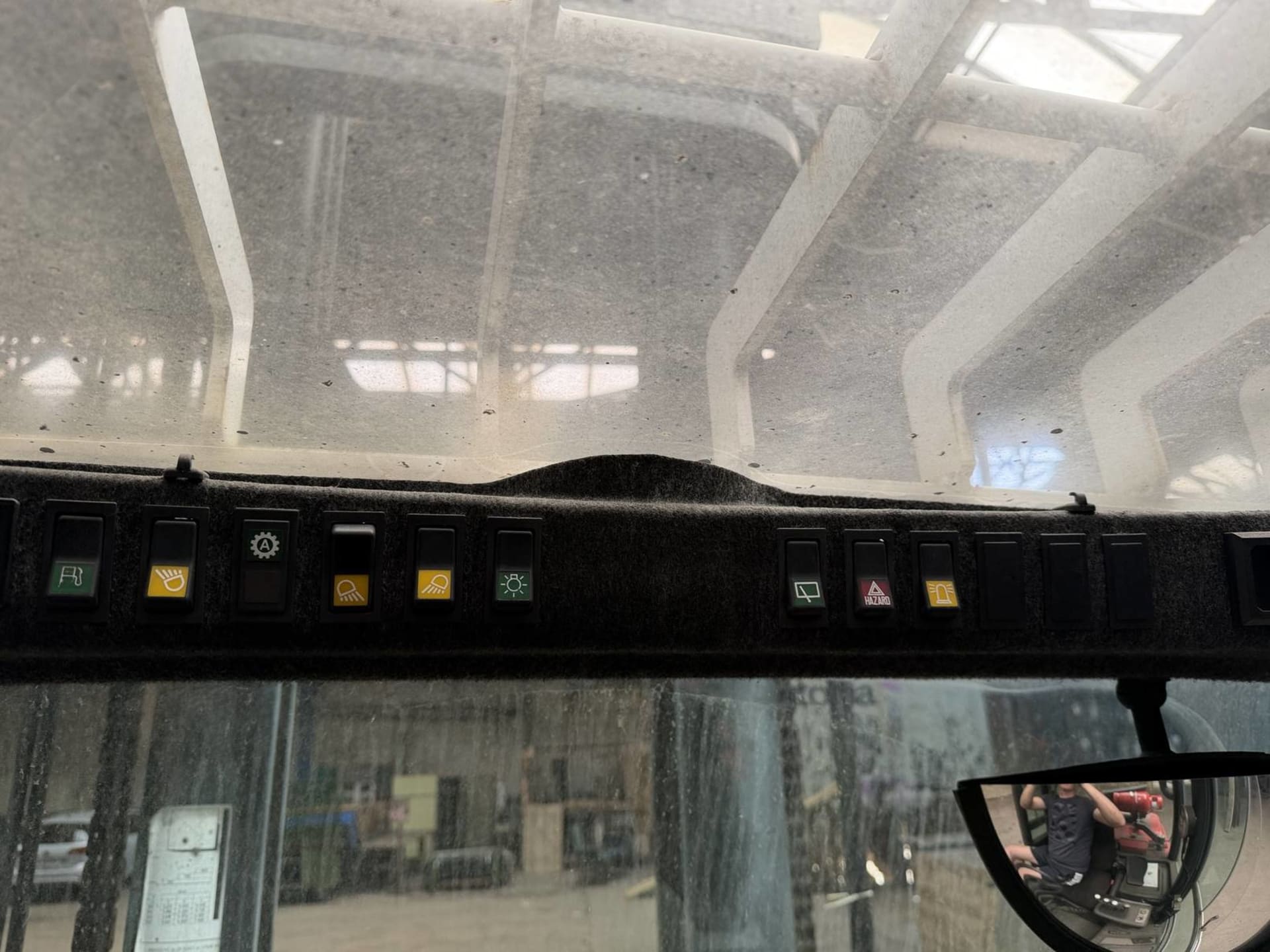
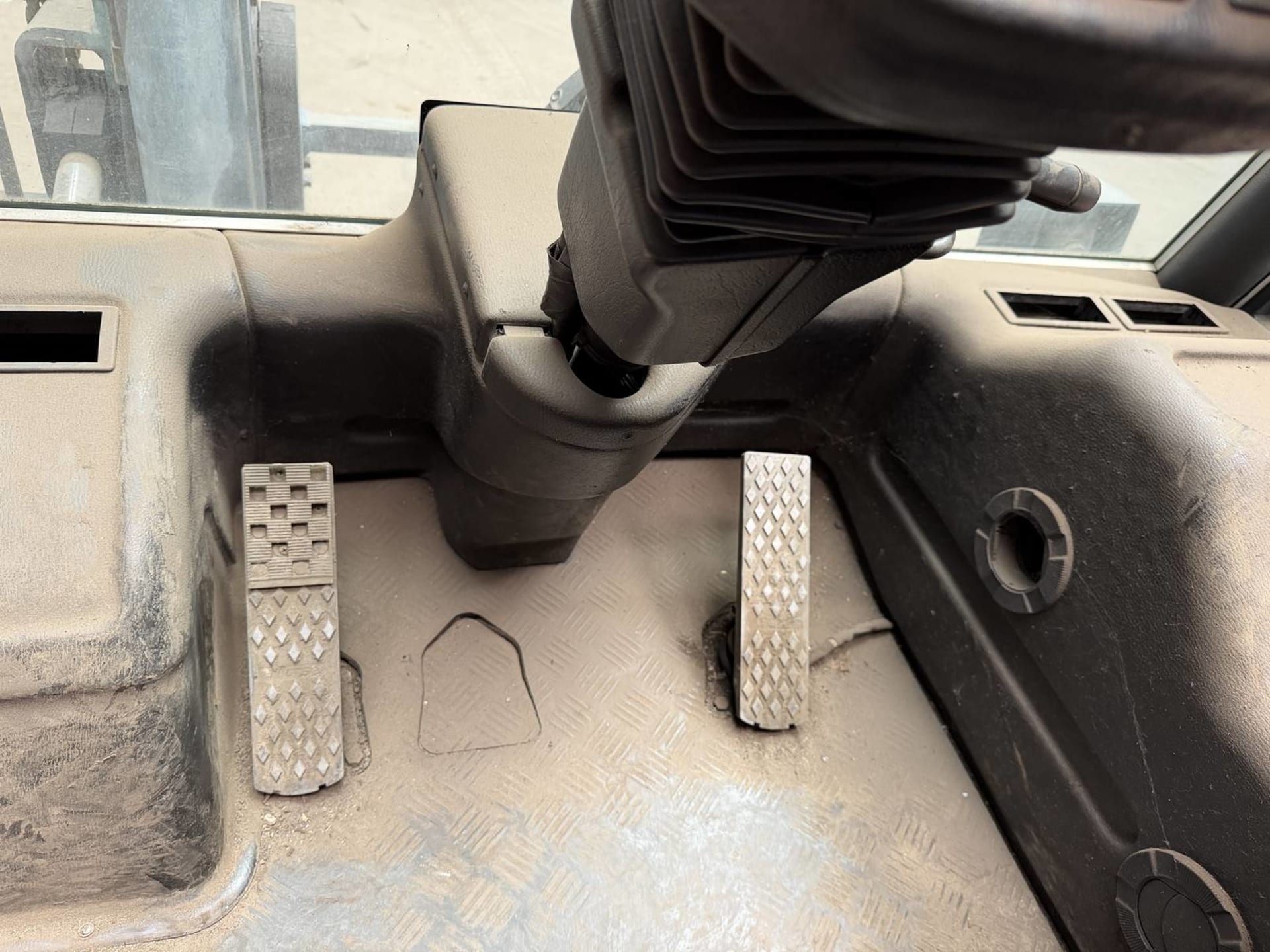
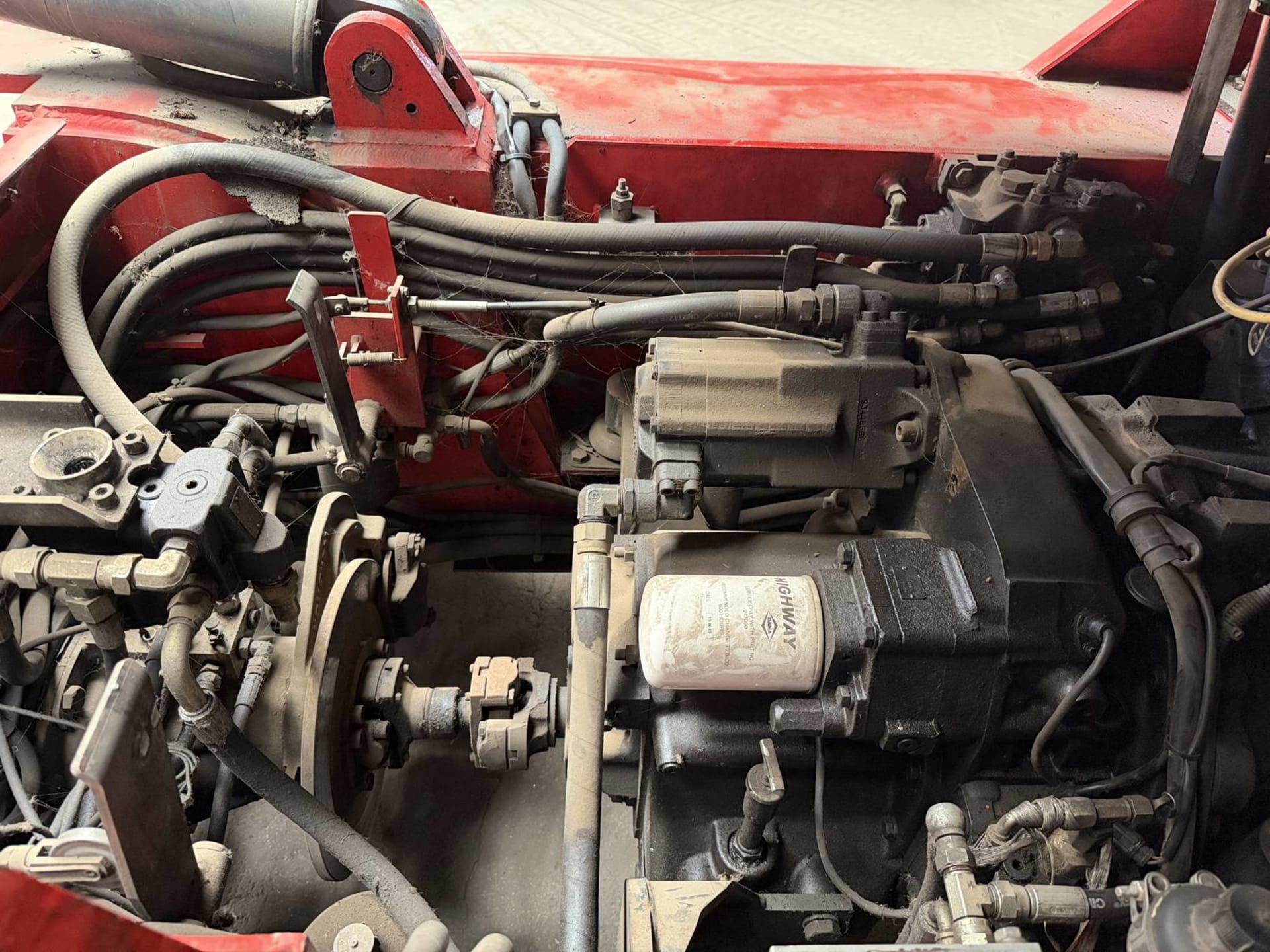
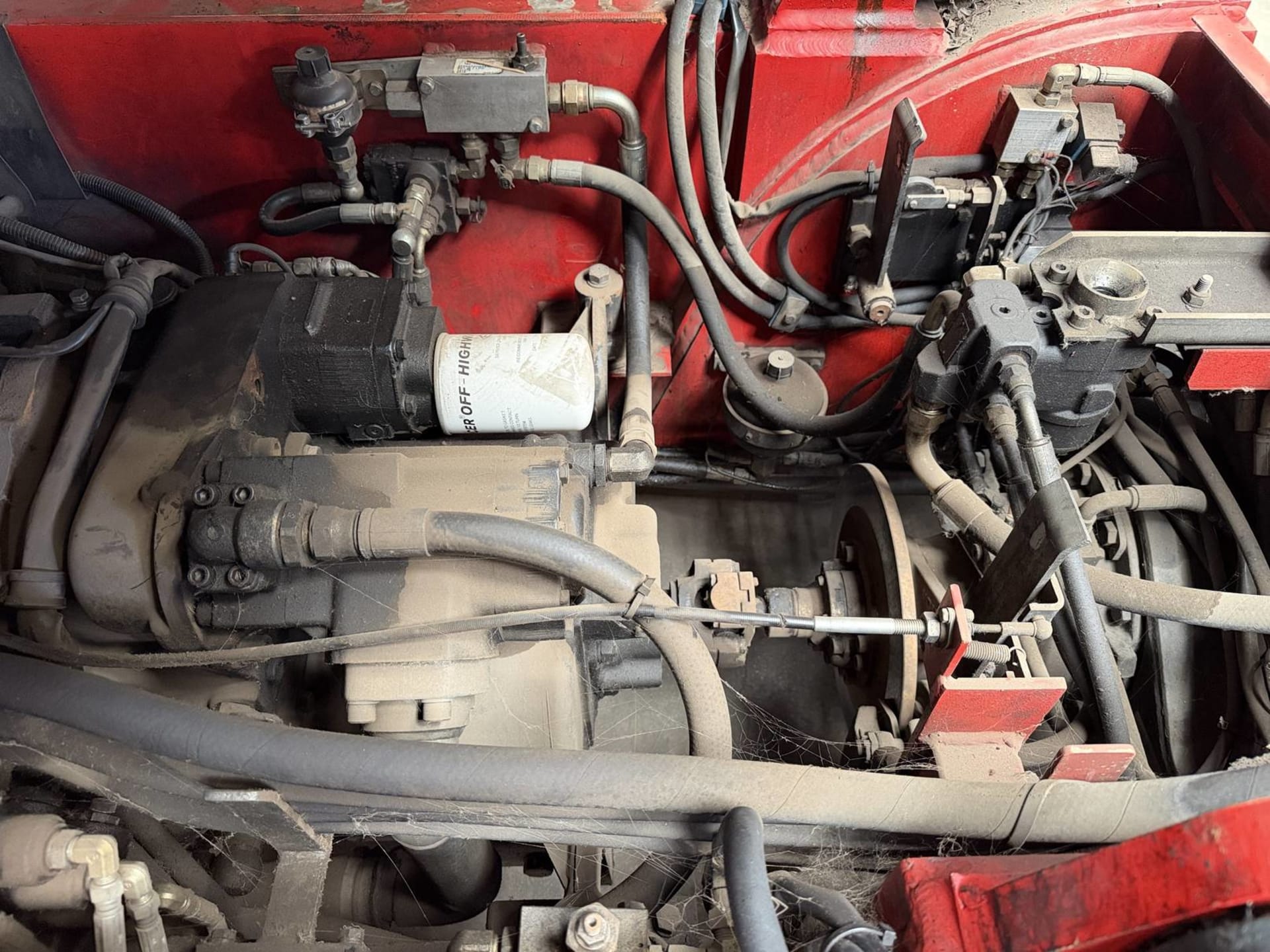
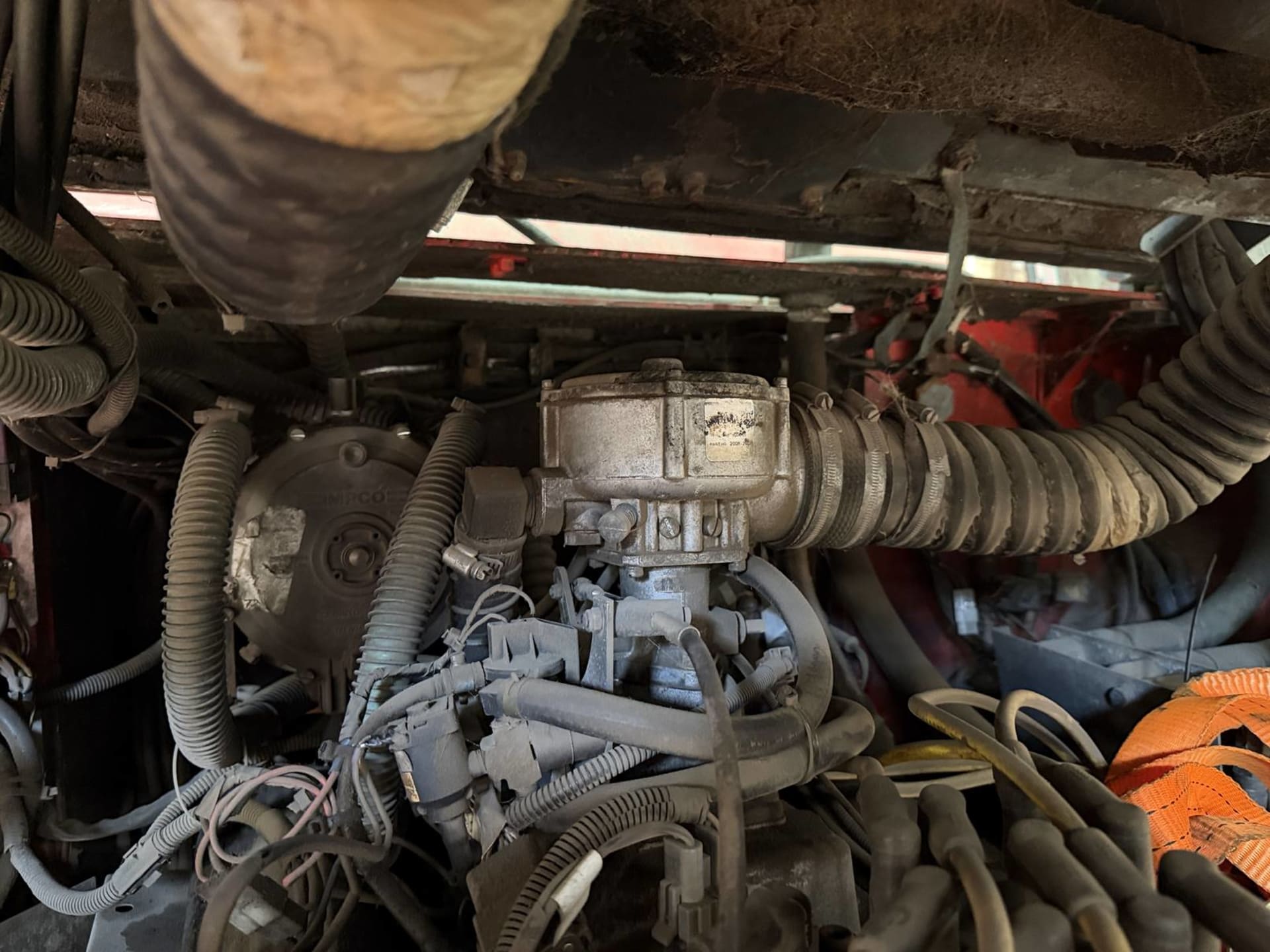
- Recorded operating hours: 11,614.26h, Fork length: 1800mm, Drive type: LPG (liquefied petroleum gas), Serial number: 9880GD-1A-2LGF-5557, Load capacity approx.: 8000kg, Lift height approx.: 3,460mm, CE marking present, Note: Loading onto truck only with loading ramp, further details see photos
- Dismantling Costs
- €50 - optional
- Transportation costs
- not included
- Terms of delivery
- From foundation
- Terms of payment
- to be agreed upon

Our Services
- Inspection & report
- Disassembly & installation
- Global logistics
- Customs & paperwork
- Sourcing & valuation
- Personal consultation
Related items
1. Liquefied Petroleum Gas (LPG): Definition & Uses
- Low-emission alternative to petrol and diesel-powered forklifts
- No restrictions on vehicle dimensions or power output
- Most commonly used in medium-sized and large forklift applications
2. Where LPG Forklifts Are Used: Key Applications
Before the widespread adoption of modern lithium-ion batteries, electric forklifts were limited in their carrying capacity, speed, and operating time. Once those thresholds were exceeded, performance dropped off significantly.
Diesel and petrol forklifts offered greater power, but came with a serious drawback: their exhaust emissions – including soot, carbon dioxide, and carbon monoxide – made them unsafe for use in enclosed spaces. Carbon monoxide is particularly hazardous, binding to haemoglobin in the blood around 300 times more readily than oxygen. Even brief exposure in a confined area can lead to rapid poisoning, which is frequently fatal.
LPG forklifts were developed in response to these limitations. Powered by a conventional combustion engine running on liquefied petroleum gas, they deliver strong performance without producing the dangerous emission levels associated with diesel or petrol alternatives – making them a practical choice for both indoor and outdoor applications.
3. LPG Forklifts: Types, Operation & Key Features
LPG forklifts operate in much the same way as conventional forklifts, with the key difference being their fuel source. Powered by liquid petroleum gas – typically autogas or compressed natural gas – these machines carry fuel in a compact, easily replaceable gas cylinder. A well-established supply chain for compatible cylinders ensures reliable refuelling across a wide range of industries.
Gas-powered forklifts are available in a broad spectrum of sizes, load capacities, and configurations, making them suitable for diverse operational requirements. When sourcing new models, buyers can often choose from multiple specifications to match their specific working environment.
4. Working with LPG Forklifts: Key Requirements
LPG forklifts are typically deployed in applications where larger lifting capacity is needed, making proper training and certification essential for all operators. A valid forklift operating licence is required before working with these machines.
Licences can be obtained through accredited training providers, with candidates completing a multi-day course that covers both practical operation and safety procedures. Gas cylinder changes should always be carried out under supervision until operators are fully competent.
Safe operation of LPG forklifts depends on careful handling, a sound understanding of basic mechanical principles, and a thorough respect for the power these machines deliver.
5. LPG Forklifts: Leading Brands & Suppliers
LPG forklifts have firmly established themselves as a reliable and versatile choice in materials handling. Today's market offers a wide range of high-quality machines built on advanced technology, suited to demanding warehouse and industrial environments.
The most respected manufacturers in the LPG forklift sector include Linde, Clark, Komatsu, Still, Jungheinrich, Rudolf Maxein, and Steinbock – each known for engineering durable, high-performance equipment.
Frequently asked questions
Purchasing machines through ReMach is simple and transparent. Once you have found a suitable machine or industrial equipment on our platform, we guide you step by step through the entire purchasing process.
After confirming your purchase, you will receive all relevant information regarding payment as well as the next steps, such as dismantling, loading, or collection. Our team can support you with the organizational process if needed, ensuring that the machine purchase is handled smoothly and in a well-planned manner.
ReMach provides a comprehensive service for the purchase and sale of used machines and industrial equipment.
Our services include, among others:
- Organization of dismantling and loading
- Support with the invoicing and payment process
- Export and customs checks
- Preparation of required documents and export paperwork
- Assistance with transport and logistics
- Coordination of a timely and structured transaction
This allows both buyers and sellers to benefit from a complete service solution for industrial machinery trading.
To create an account, click on “My Account” and select Register.
Fill out the registration form and confirm your email address using the activation link sent to you via email. Once confirmed, your account will be activated and you can immediately start browsing offers or submitting inquiries.
No. ReMach is a B2B platform for trading machines and industrial equipment and is intended exclusively for companies and commercial customers.
Registration for private individuals is currently not possible.
In most cases, the buyer is responsible for organizing the transport.
However, upon request, ReMach can check whether transport can be arranged or supported.