
1. Extraction Systems: How They Work and What They Do
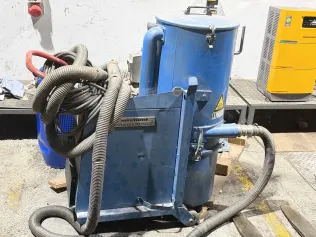
A typical extraction system consists of an intake trumpet connected to a pipe that draws contaminated air away from the work area, passing it through filtration stages before safe disposal. This makes extraction systems a critical part of occupational health and safety in industrial and manufacturing settings.
2. How Does an Extraction System Work?
3. Extraction Systems: Key Industrial Applications
During thermal cutting processes and metal joining operations – such as soldering or plasma cutting – gaseous emissions present a serious health hazard, making continuous extraction a critical safety requirement. The same applies to all forms of metal coating, particularly the processing of galvanised steel.
4. Extraction Systems: Key Safety and Maintenance Tips
Before installing an extraction system, it is essential to verify that the suction and filtration capacity meets the specific demands of your process. A thorough consultation is generally required prior to purchase to ensure the right system is selected for the application.
For an extraction system to be effective, it must be used consistently. During manual operations, it is often overlooked – yet this is precisely when reliable extraction matters most. Maintenance should always be carried out by a qualified professional, as manufacturers typically retain responsibility for servicing their equipment.
Filters accumulate particularly high concentrations of hazardous substances over time. When replacing filters, appropriate personal protective equipment must be worn, and disposal must be handled professionally – often by certified environmental specialists.
Reputable manufacturers offer comprehensive support, including expert guidance on system selection and connections to specialist companies for filter maintenance and disposal.
5. Extraction Systems: Stationary vs Mobile Types Explained
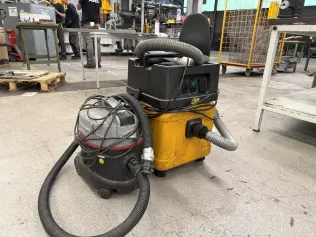
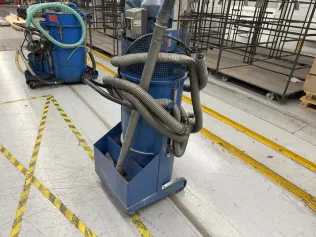
Stationary systems are permanently integrated into the production environment and require significant planning and installation effort to set up correctly. Mobile systems, by contrast, are mounted on wheels and roughly the size of a standard refrigerator. They can be repositioned as needed and require only a power connection to operate.