
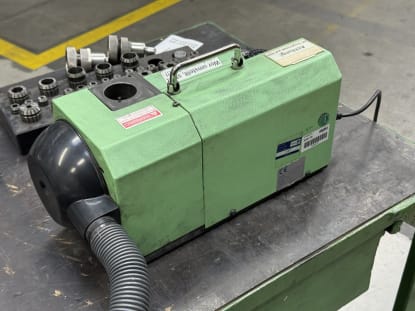
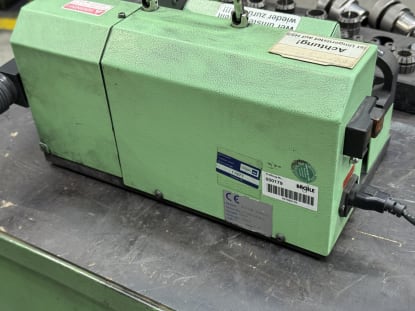
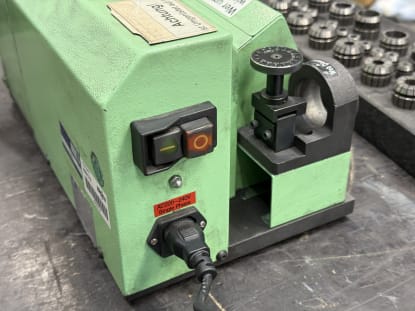
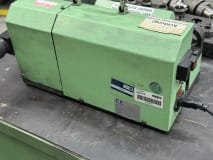
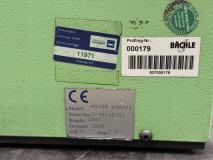
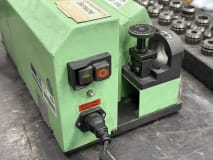
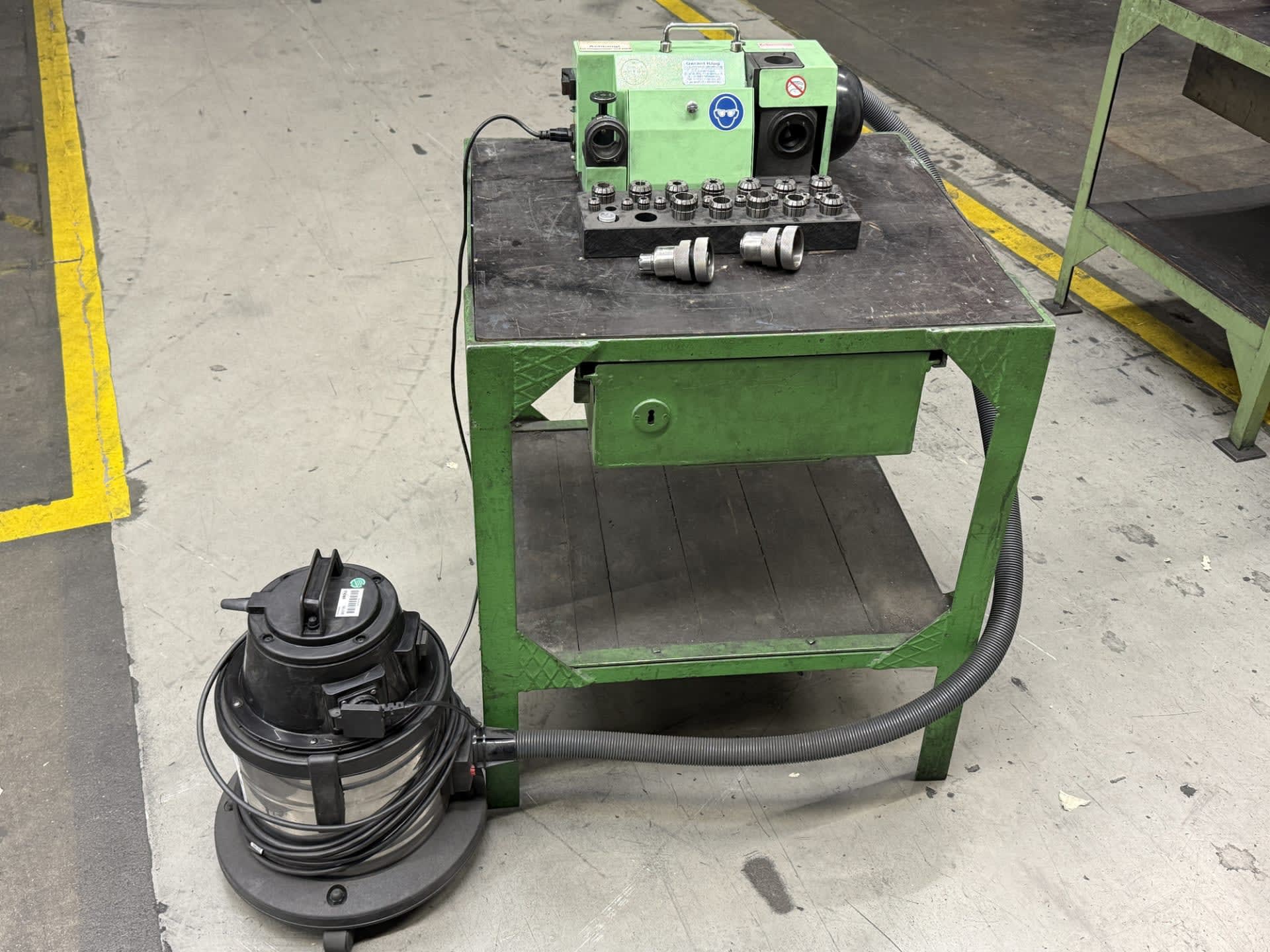
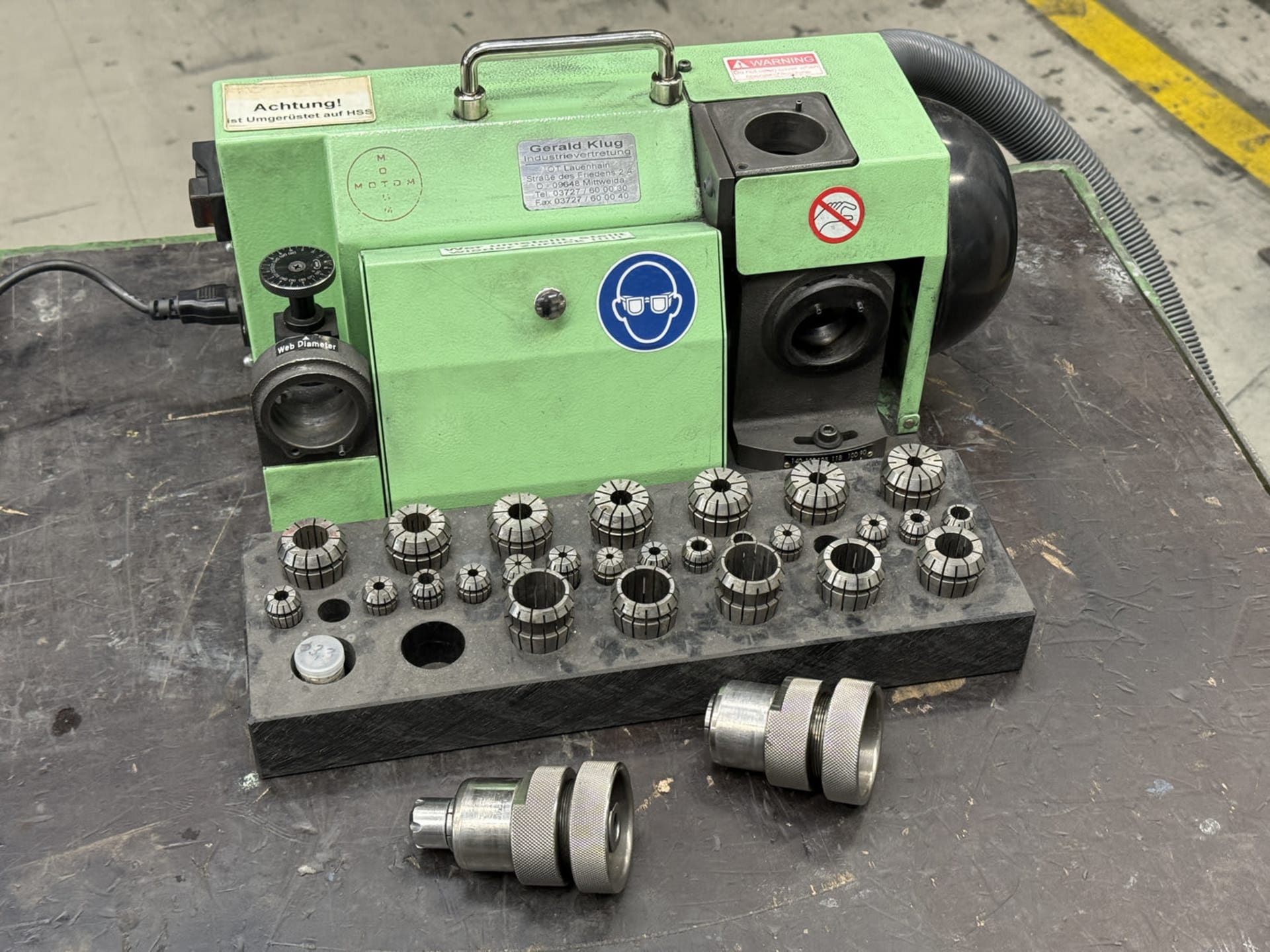
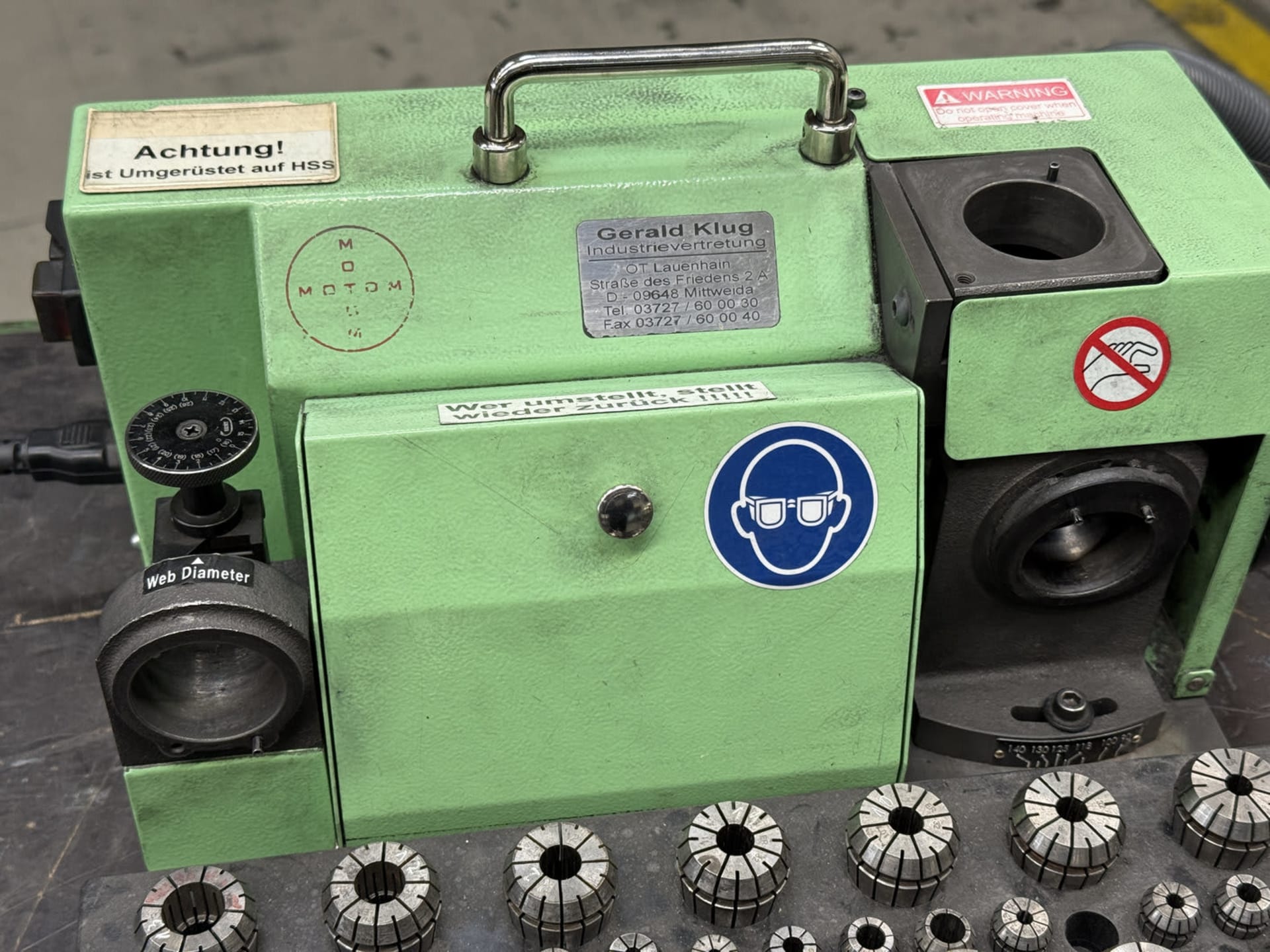
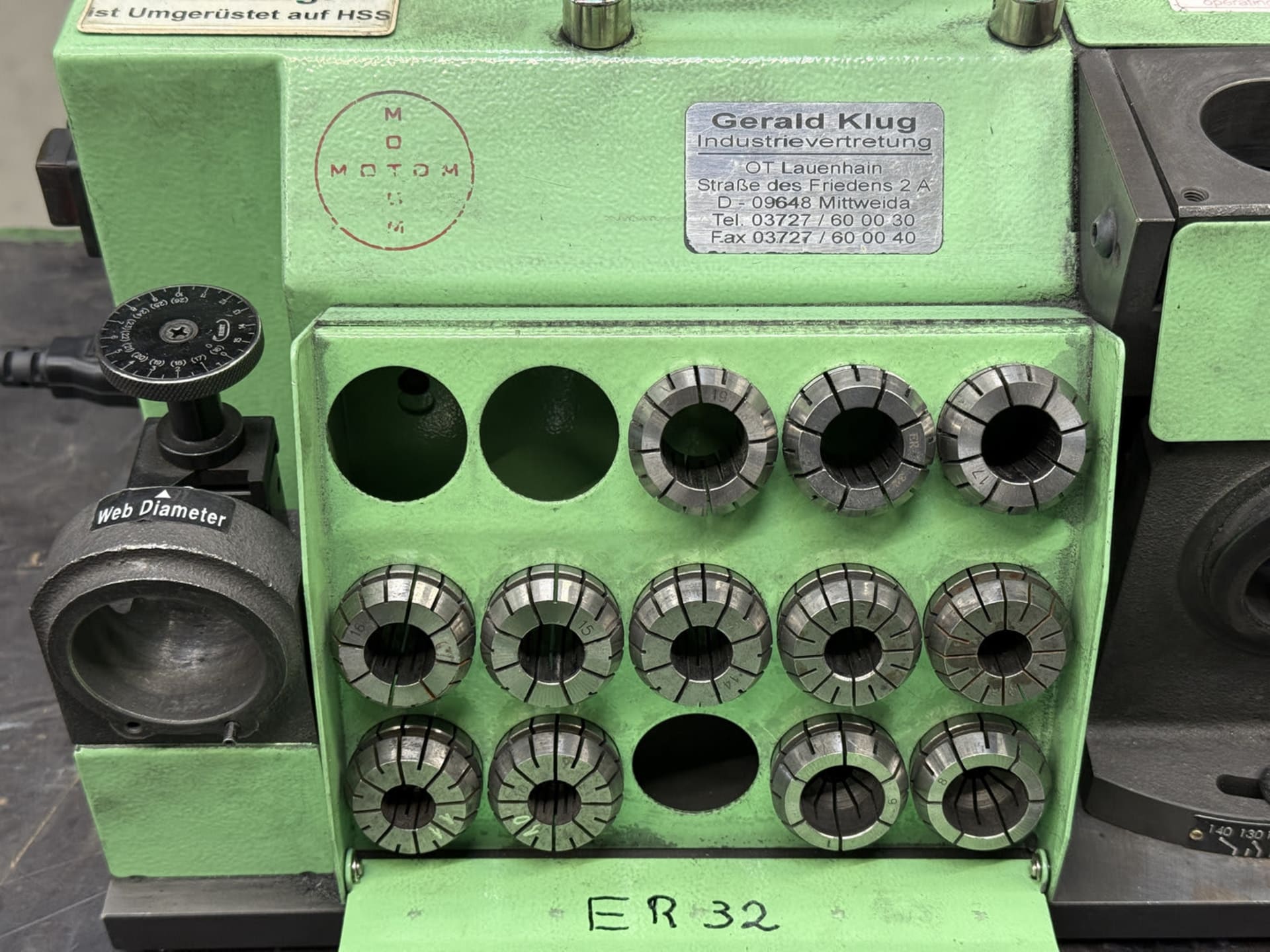
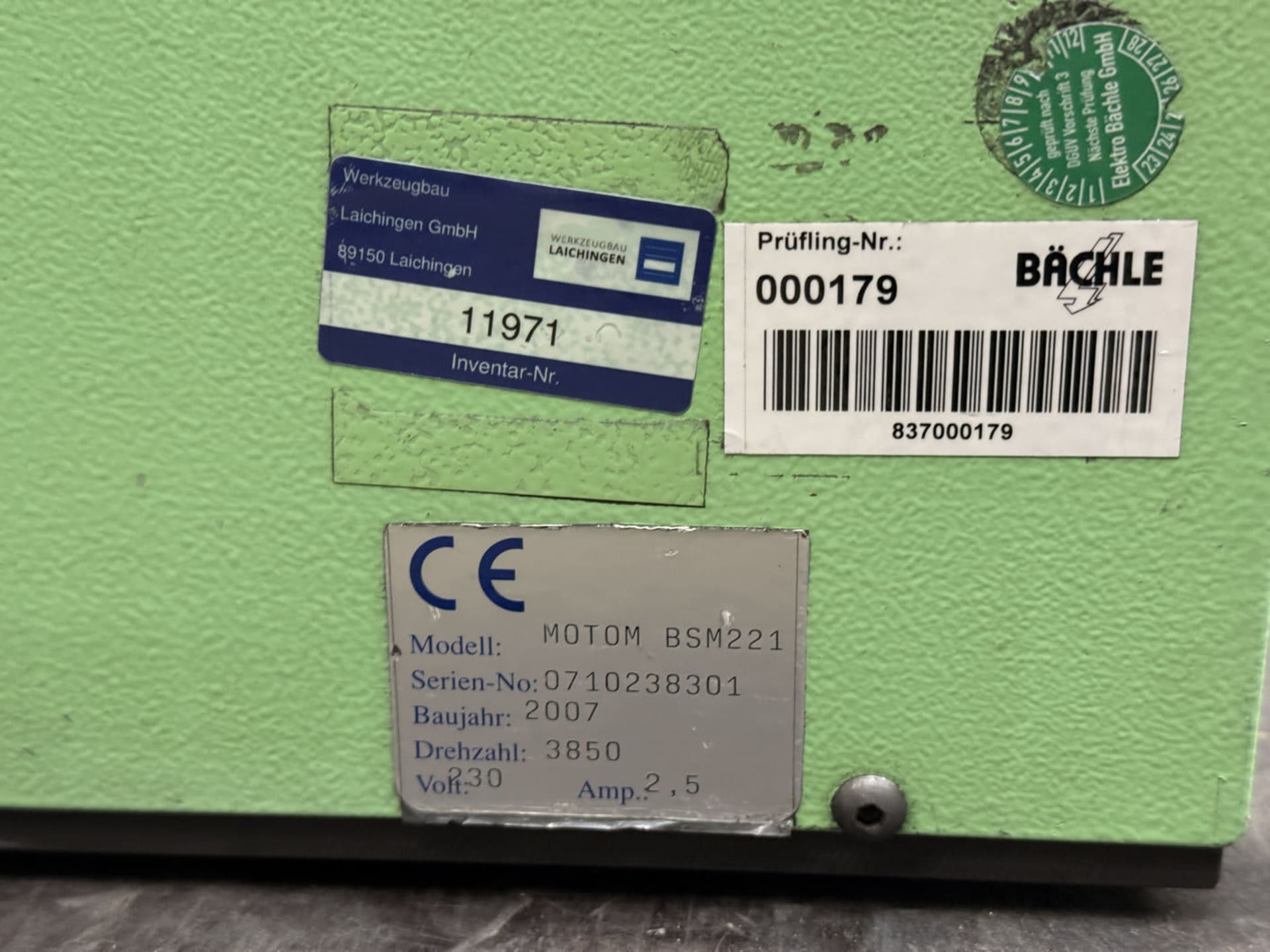
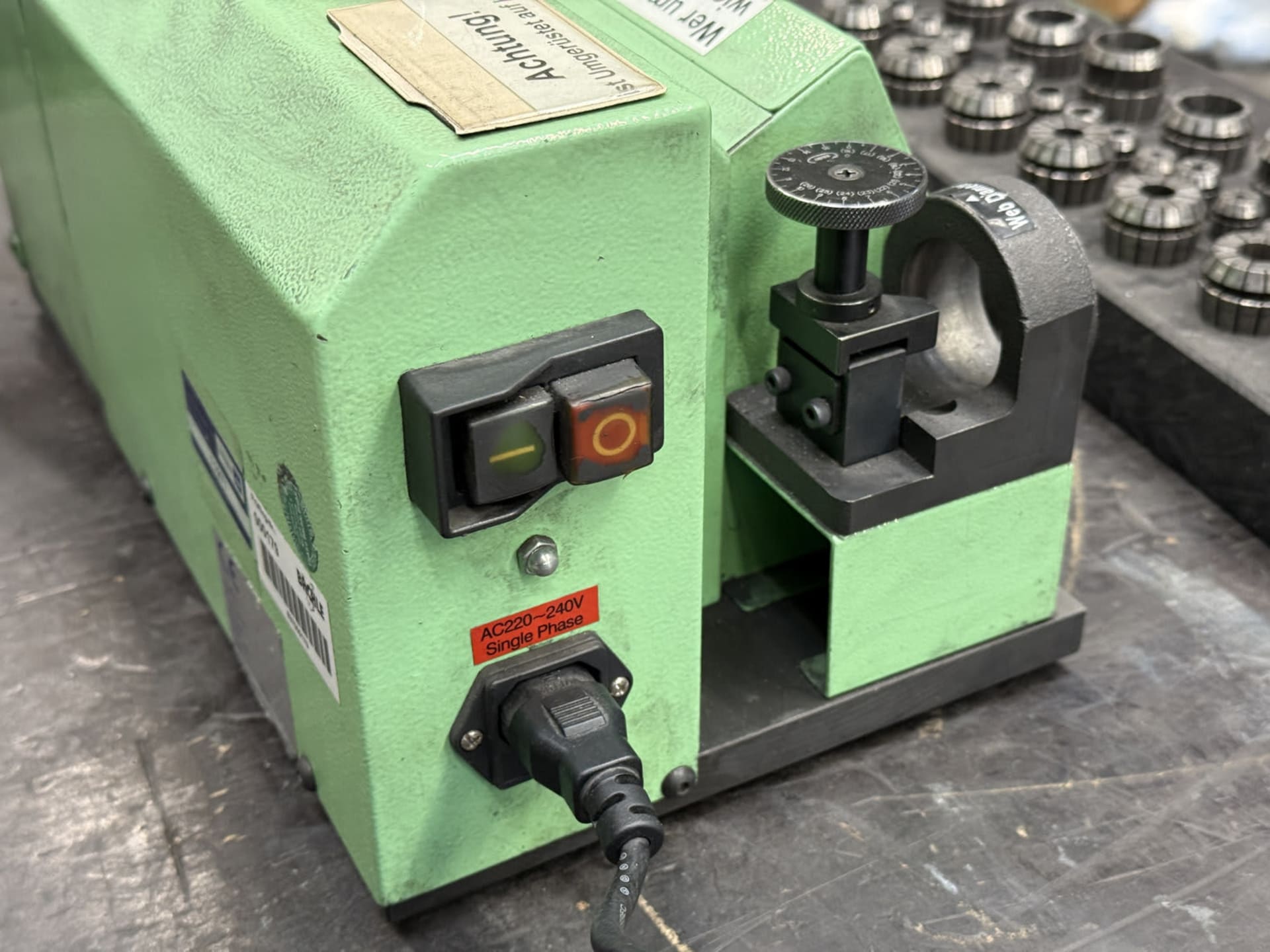
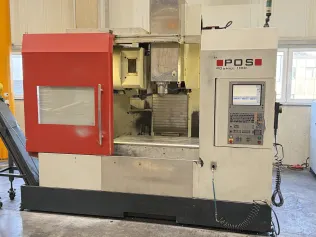
MOTOM BSM221 tool grinding machine
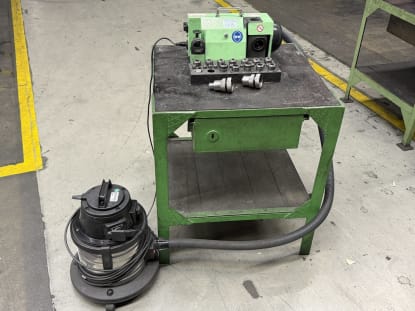
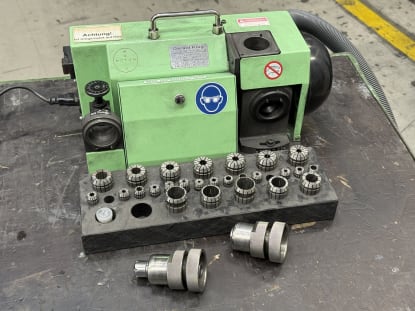
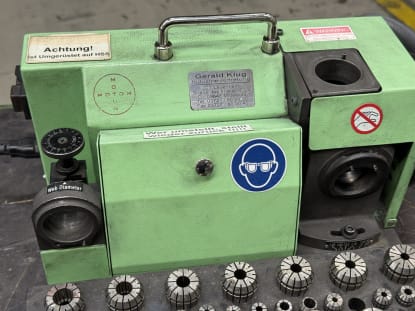
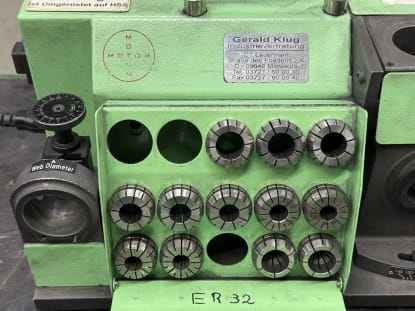
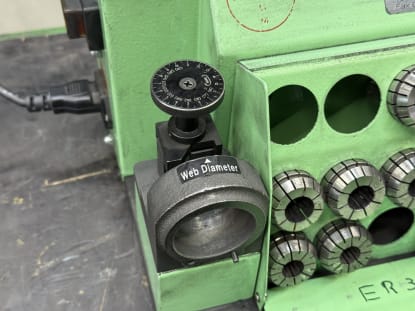
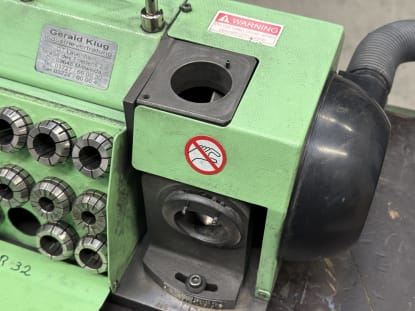
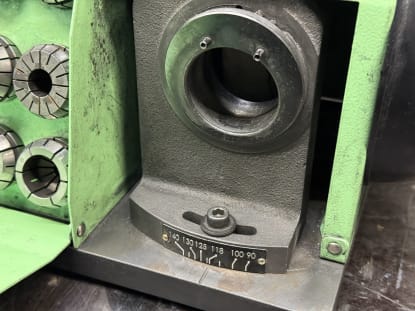
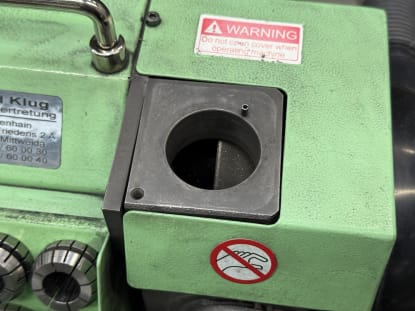
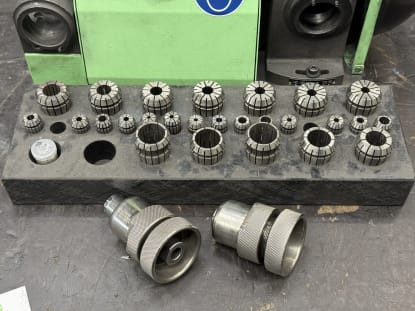
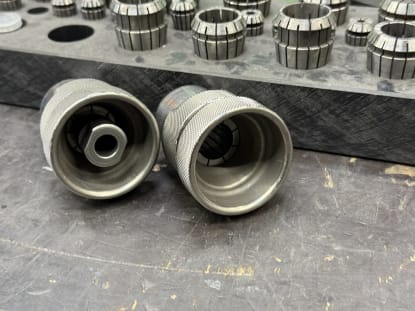
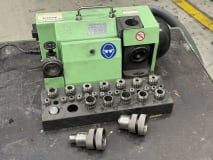
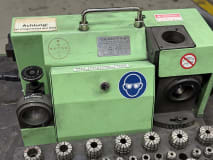
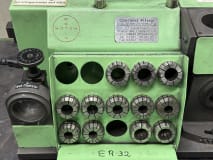
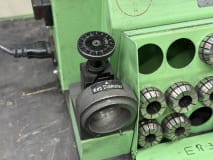
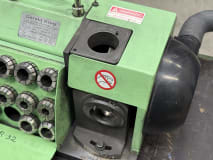
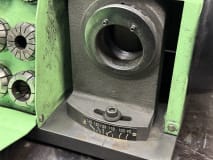
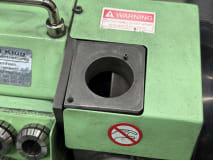
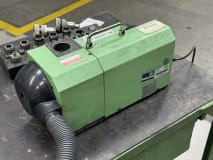
- Storage Number
- 26007-1818
- Machine type
- Tool Grinding Machines
- Manufacturer
- MOTOM
- Type
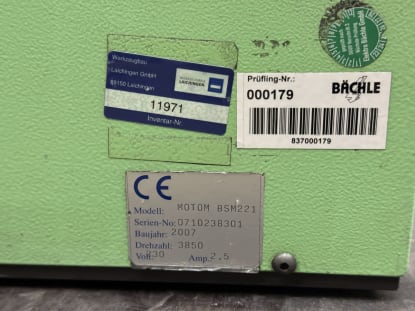
- BSM221
- Year of construction
- 2007
- Location
- Laichingen, Germany
- Availability
- immediately
- Price
- Auction item
- Dimensions (LxWxH) approx.
- 1200 x 600 x 500 mm
- Weight approx.
- 80 kg
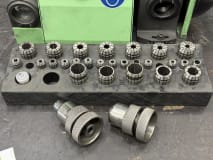
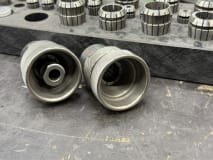
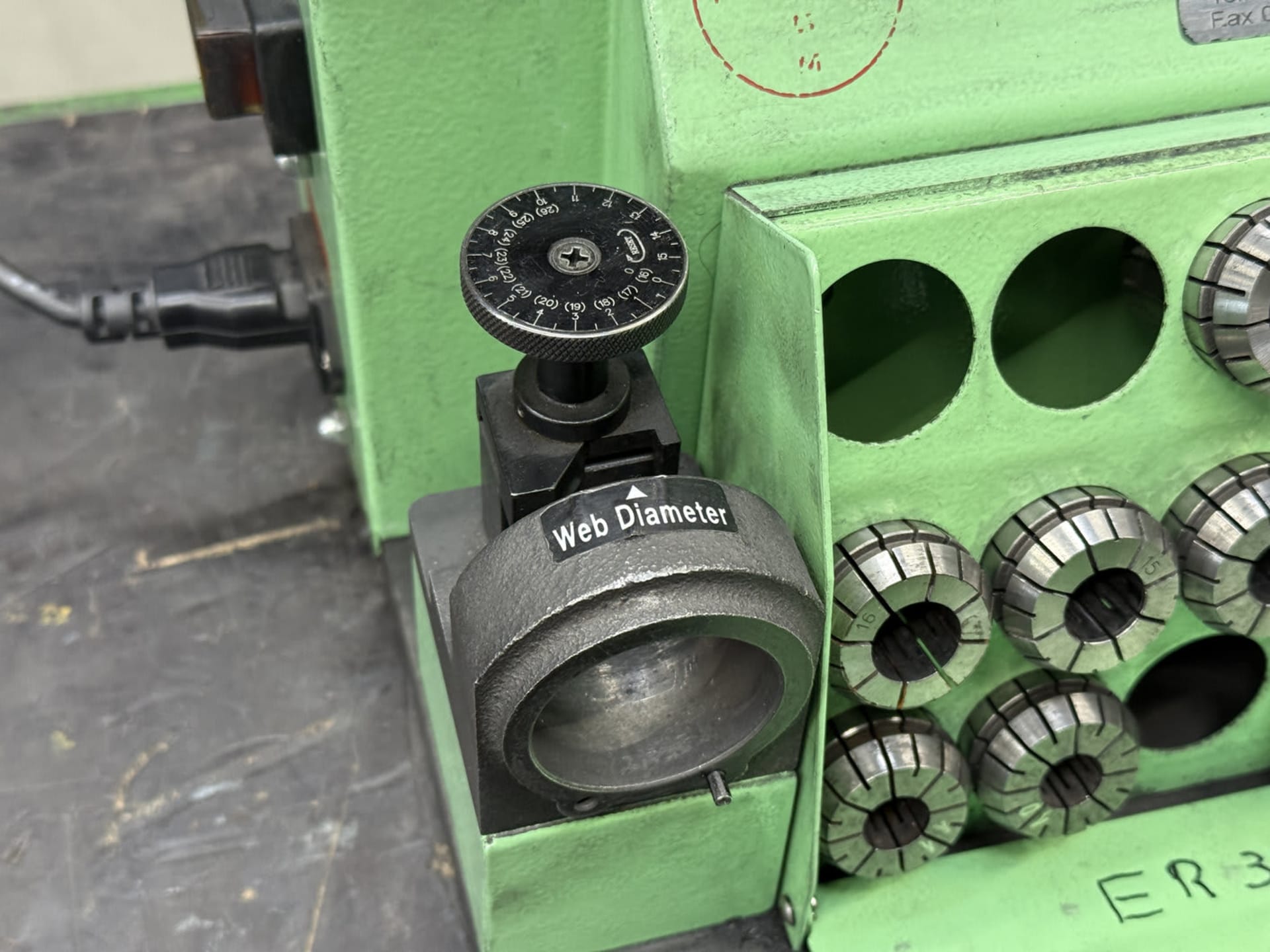
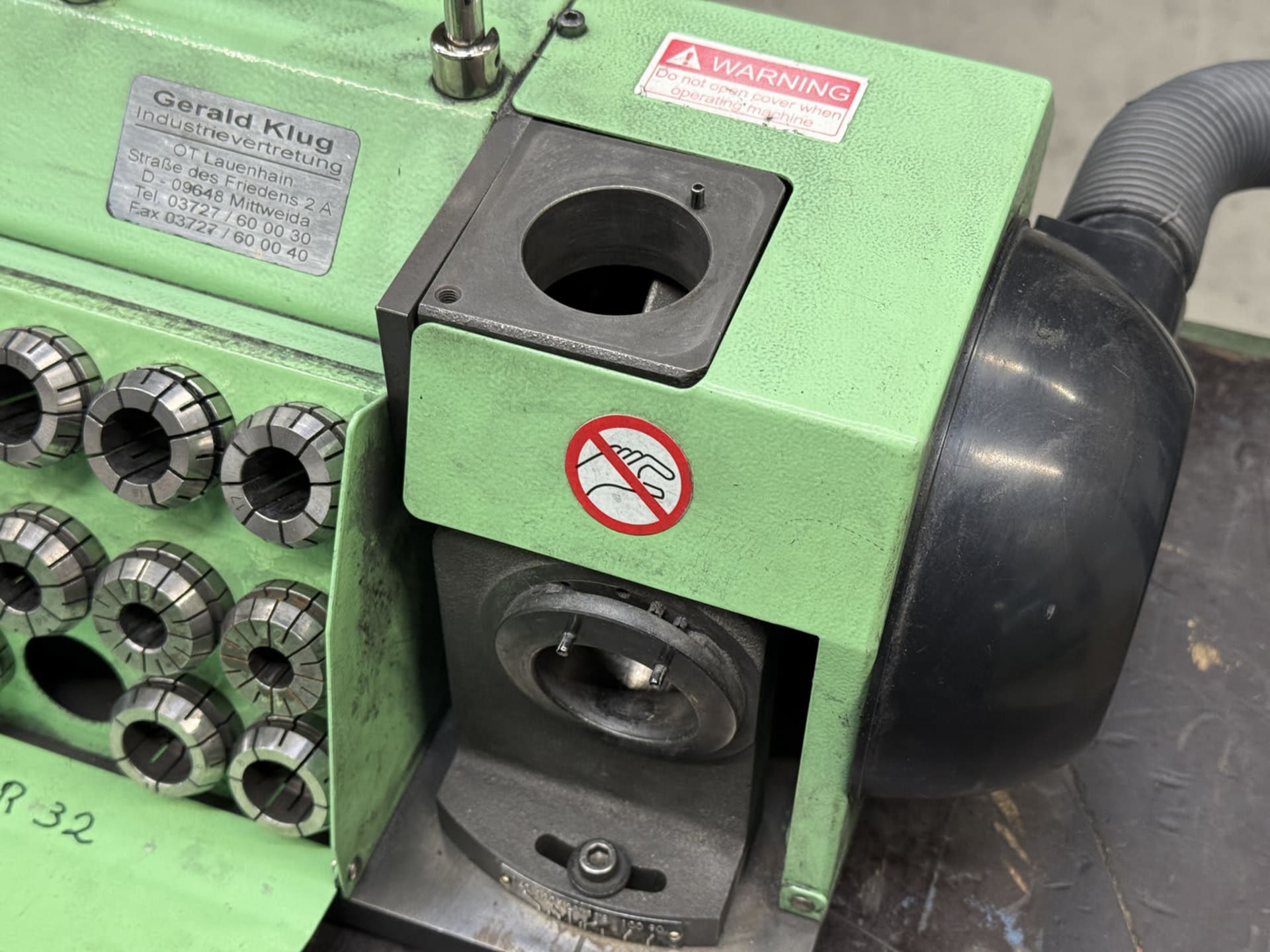
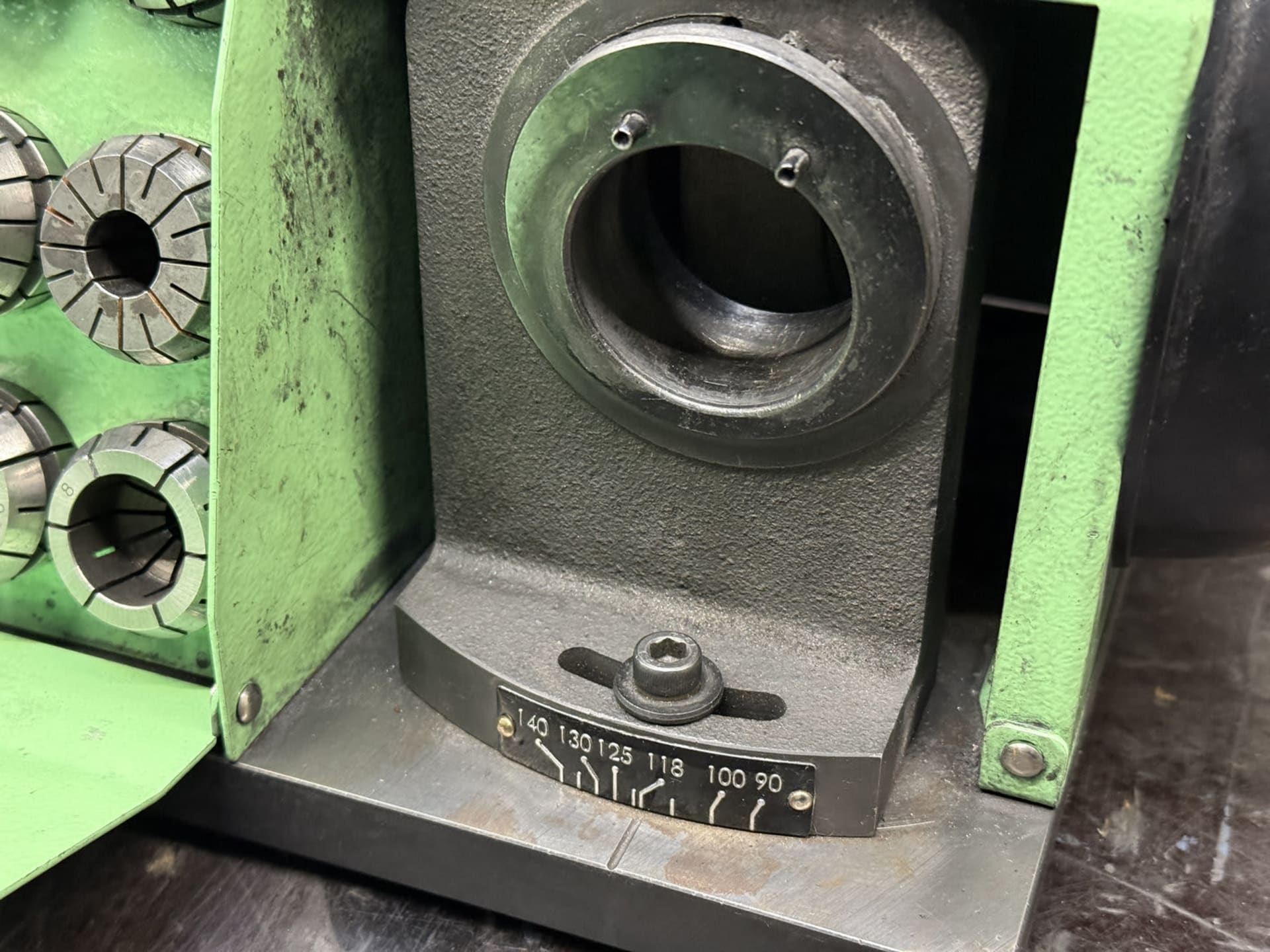
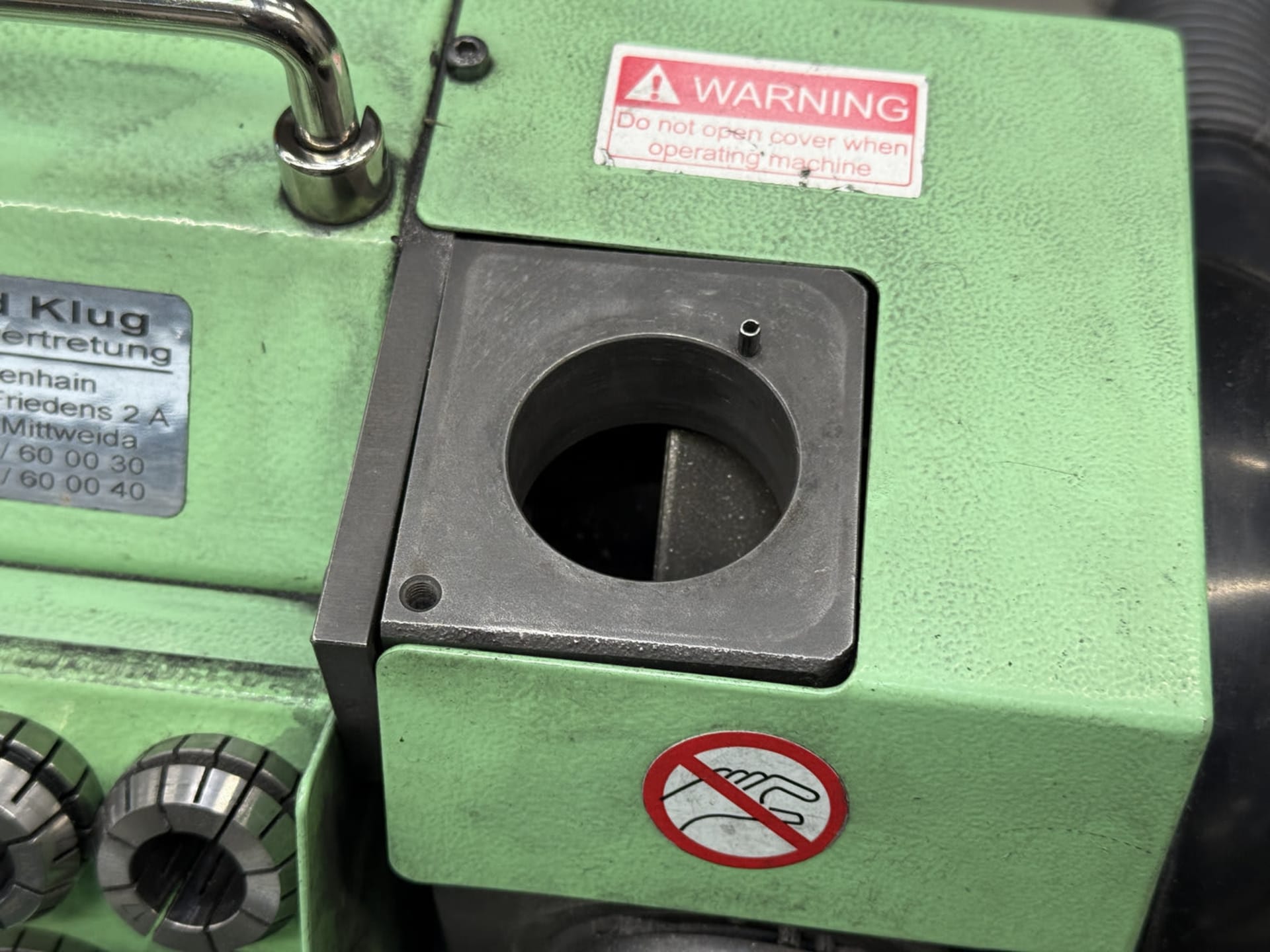
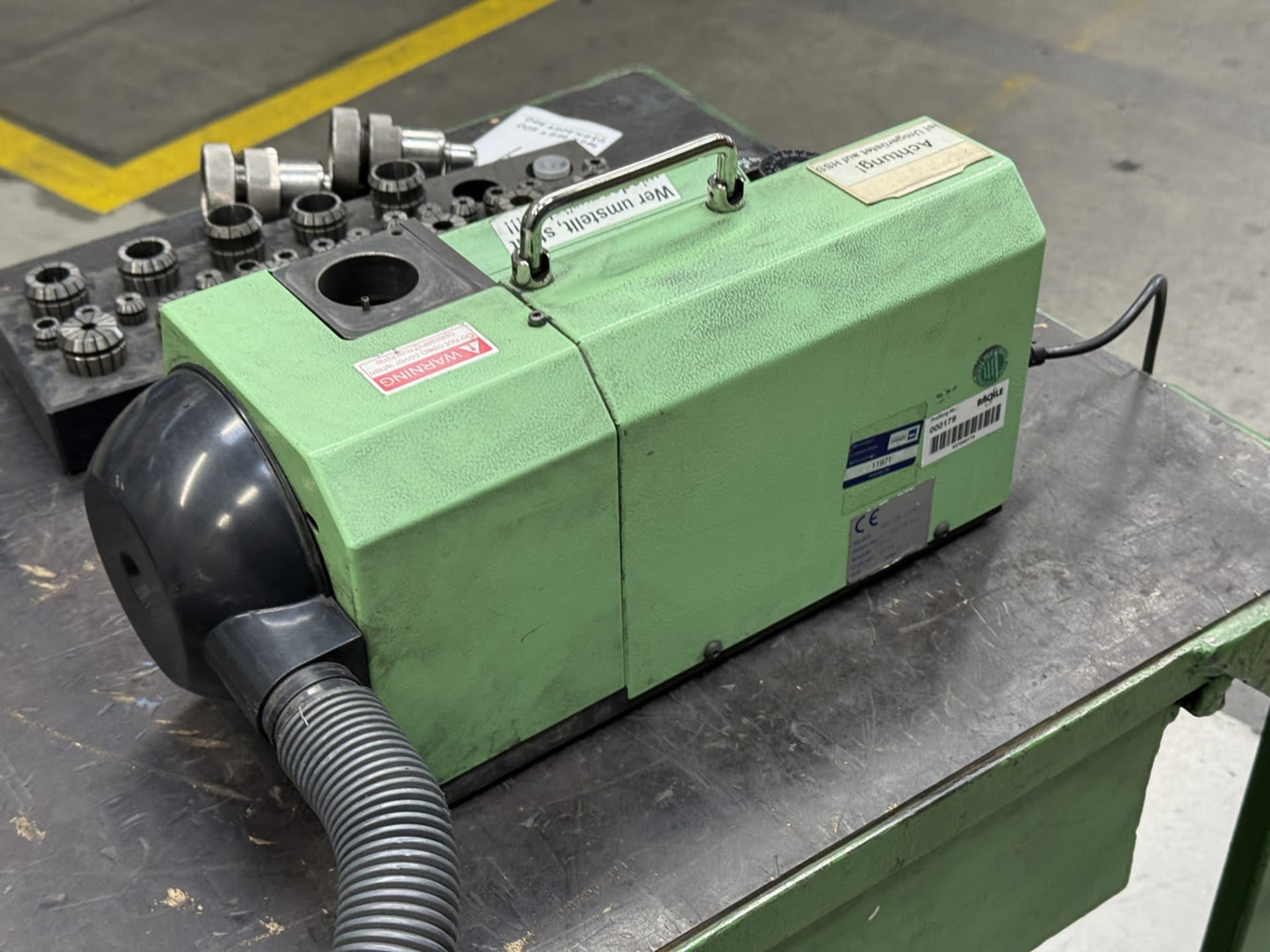
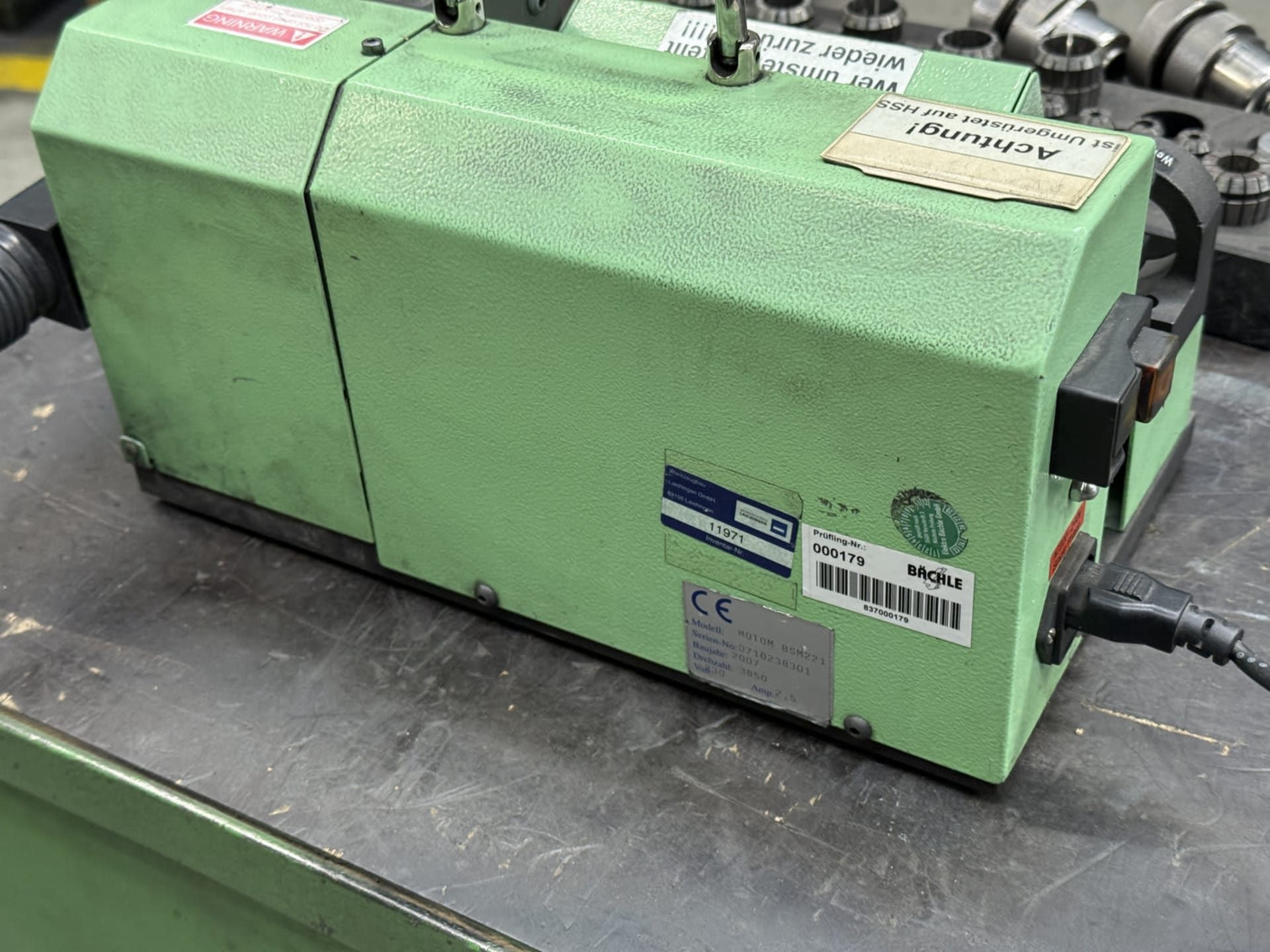
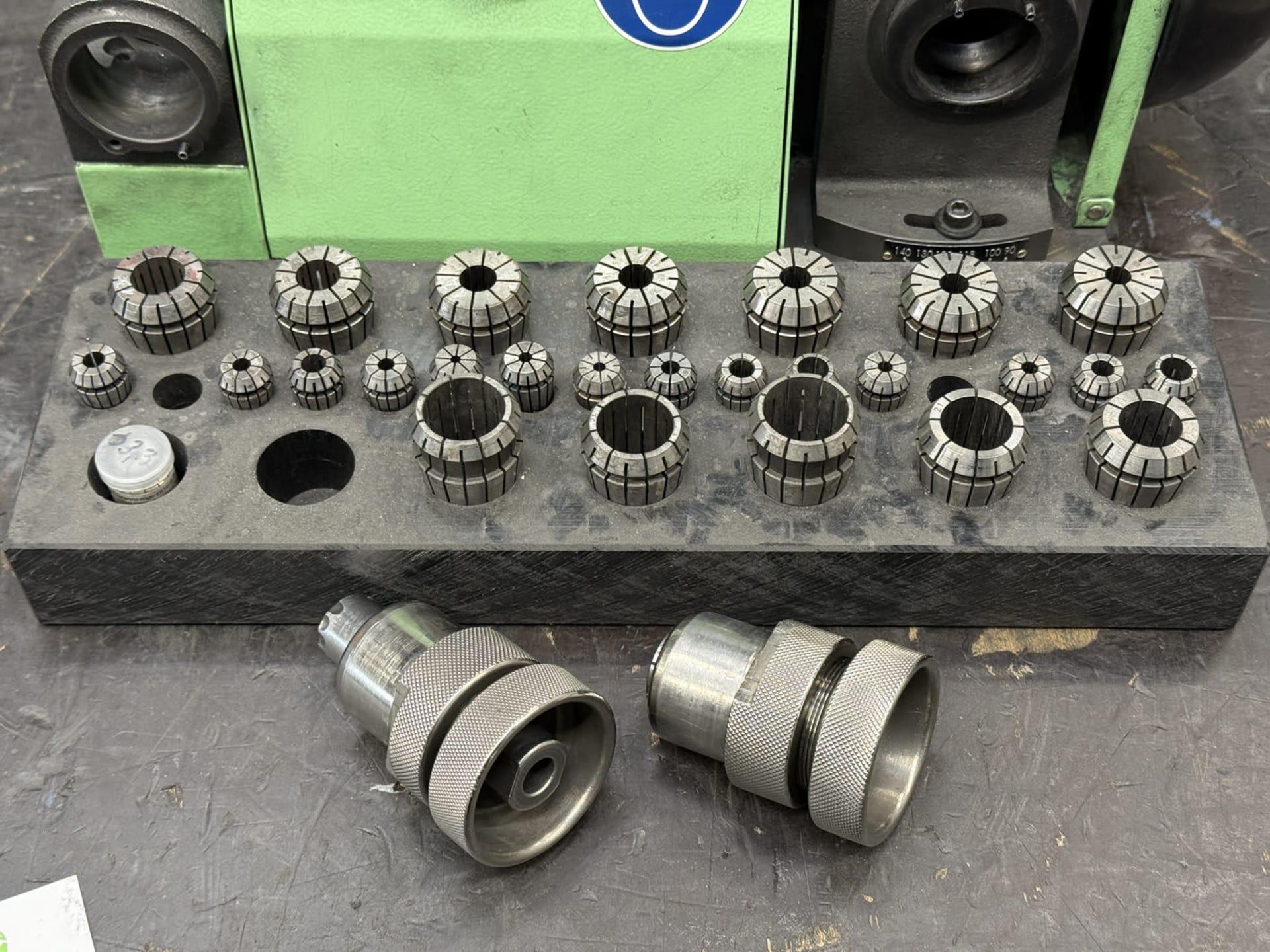
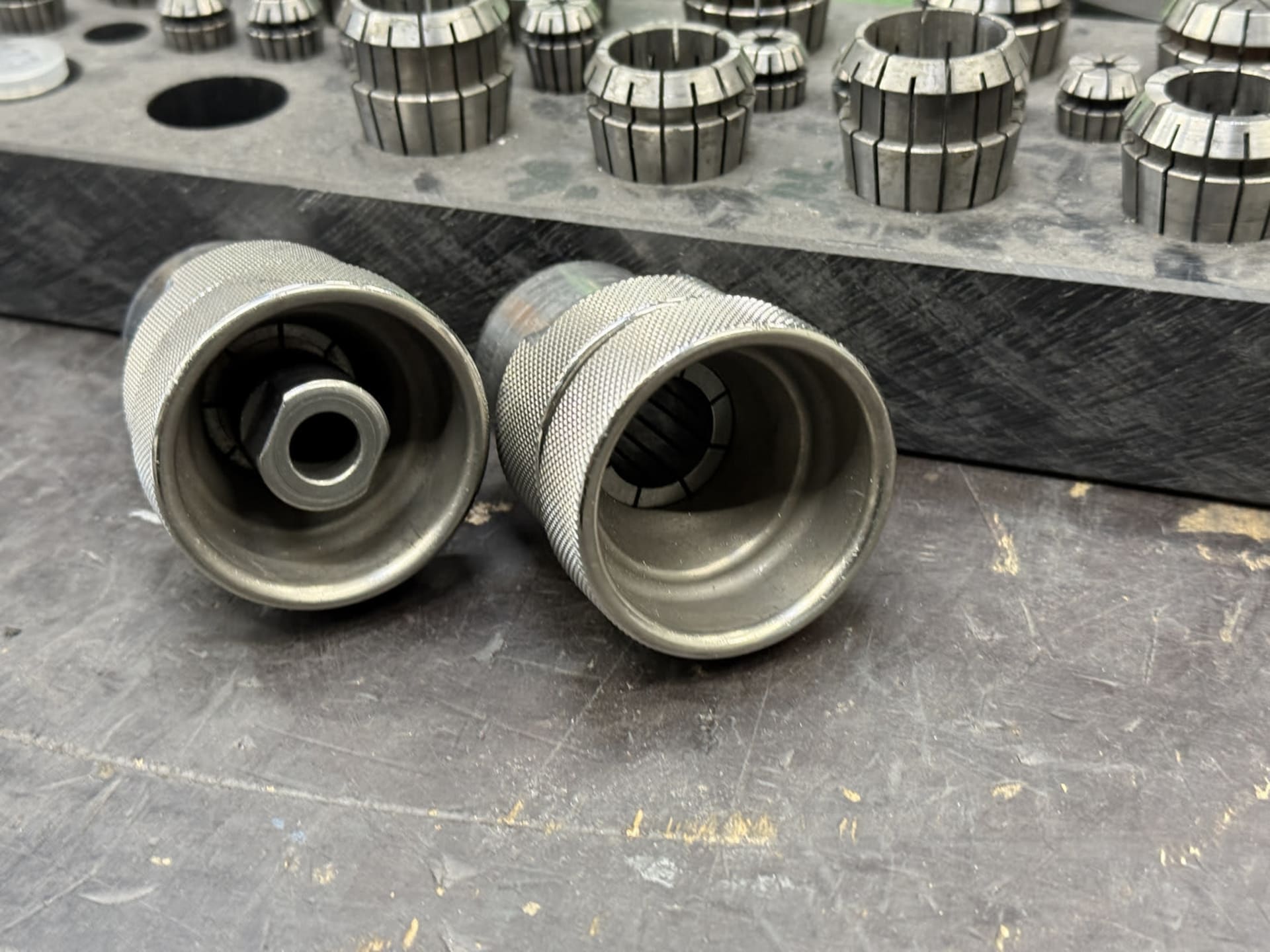
- Speed: 3,850 rpm Voltage: 230 V Current consumption: 2.5 A Includes collet set For more details, see photos.
- Dismantling Costs
- €75 - binding
- Transportation costs
- not included
- Terms of delivery
- Loaded on truck
- Terms of payment
- 100% prepayment before pick-up
Transportation costs are not included in the used grinding or gear cutting machine price; terms of delivery and payment are stated under "Additional information" in each listing. You should also budget for installation and commissioning at the new site. In most cases, the buyer is responsible for organizing the transport; upon request, ReMach can check whether transport can be arranged or supported. ReMach also helps with dismantling, loading and export paperwork.
Yes. Grinding produces very fine swarf, and coolant that is not filtered scratches the surface and shortens the life of the grinding wheel. Check whether the listing includes a filter system, such as a paper band filter or a magnetic separator. Grinding with oil, common in gear and tool grinding, also requires oil mist extraction and fire protection.
For gear cutting machines, check the maximum workpiece diameter, maximum module, face width and helix angle. For grinding machines, check the maximum grinding diameter and length, grinding wheel size and workpiece weight. For CNC machines, also check the control and whether in-machine measuring is included.
The three processes are used at different stages. Gear hobbing cuts the teeth with a hob, usually before heat treatment. Gear grinding finishes the teeth after heat treatment to reach high accuracy. Cold rolling forms teeth or splines by cold forming without chips and suits small modules and series production.
Grinding machines differ by the surface they produce. Surface grinders machine flat faces, usually on a magnetic table; cylindrical grinders machine rotational parts held between centres or in a chuck, externally or internally; centreless grinders support cylindrical parts on a work rest blade between grinding and regulating wheel, ideal for large series. Tool grinders sharpen and make milling cutters, drills and turning tools, while gear grinders finish tooth profiles.

Our Services
- Inspection & report
- Disassembly & installation
- Global logistics
- Customs & paperwork
- Sourcing & valuation
- Personal consultation
Related items
1. Tool Grinders: What They Are and How They Work
A tool grinder — sometimes referred to as a tool and cutter grinder — is a machine used to manufacture, sharpen, and repair tool bits, milling cutters, and a range of other cutting tools. This versatile piece of metalworking machinery is capable of performing several grinding processes.
The tools and cutters used across various machines must be sharp and of the highest quality at all times. Without proper maintenance, they can produce substandard results. Planers, drills, milling cutters, and other cutting tools are subjected to significant forces of stress and friction during operation — and because these tools must perform with exceptional accuracy, regular grinding is essential to protect them from wear and tear.
Tool grinding requires high precision and correct angular alignment to maintain the integrity of cutting edges. It also plays a key role in extending the working life of long-term tooling, reducing the need for frequent replacement.
Modern metalworking and woodworking machines are fitted with cooling lubricant systems, but even these measures are not enough to prevent tools from wearing down over time. This is why production facilities of all types and sizes rely on tool grinding machines — not only to maintain accuracy, but also to reduce overall maintenance and repair costs.
2. How Does a Tool Grinder Work?
A tool grinding machine is typically a floor-standing unit rather than a bench-mounted one. Operation requires a high level of skill, including a solid understanding of tool geometry and the relationship between the metal workpiece and the grinding wheel. The grinding process can be carried out automatically or manually, though most tool grinders require near-constant operator supervision regardless of the method used.
Larger manufacturing businesses often rely on CNC tool grinding machines, where the grinding and cutting process is controlled directly by a central computer. Because the adjustments involved frequently require extremely precise movements and measurements, the margin for human error is significant. A CNC tool grinder manages the entire process automatically, greatly reducing that risk.
While CNC tool grinding machines carry a higher price tag than older models, used tool and cutter grinders offer a cost-effective alternative. A pre-owned tool grinder may require servicing or maintenance, but it comes with a proven performance history – something a brand-new machine simply cannot offer.
3. Modern Tool & Cutter Grinders: Precision Explained
Modern tool and cutter grinders represent a significant leap forward in machining precision, combining multi-axis movement with advanced automation to maintain and sharpen step tools, drills, end mills, and a wide range of metalworking and woodworking equipment. Today's leading models from manufacturers such as Deckel, Schütte, Wendt, and Junger frequently feature automatic tool loading, multiple grinding wheel configurations, and in-process measurement capabilities – enabling continuous, unmanned production with minimal human intervention.
Laser measurement technology is central to this new level of accuracy. A modern tool grinding machine can detect and correct even the smallest imperfections automatically, keeping output consistent and downtime to a minimum. Where older workflows once required separate machines – such as a radius grinder and a D-bit grinder – a single CNC universal tool grinder can now manufacture and recondition virtually all common cutting tools used in metalworking and woodworking today.
4. Used Tool & Cutter Grinders: Where to Buy
Finding a used CNC tool and cutter grinder is straightforward when you know where to look. Alongside tool grinding machines, a wide selection of metalworking and woodworking equipment is regularly available through the secondary machinery market. Listings are updated frequently, so it is worth checking back if a specific model or specification is not currently available.