
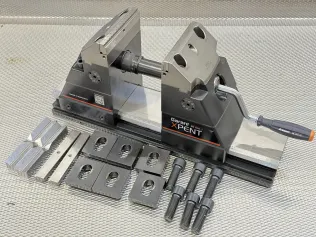
 This item is sold
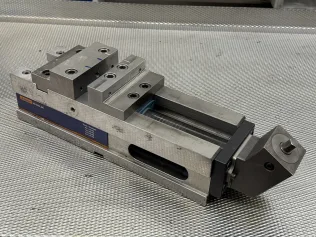 This item is sold
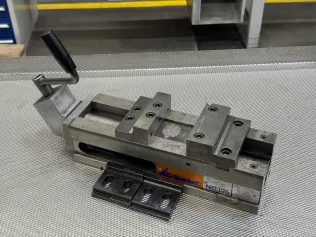 This item is sold
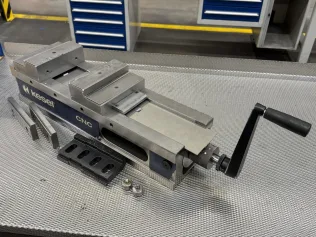
 This item is sold
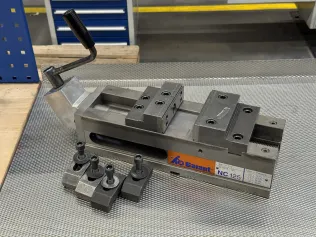
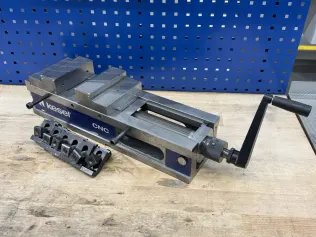
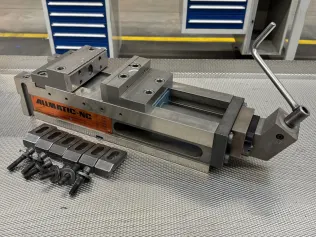
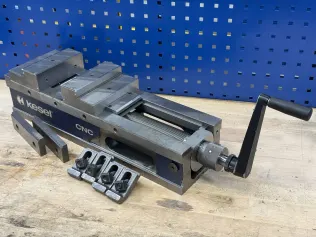
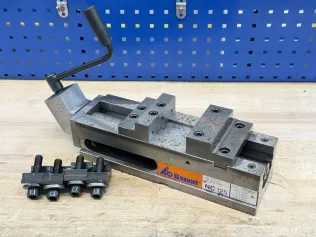
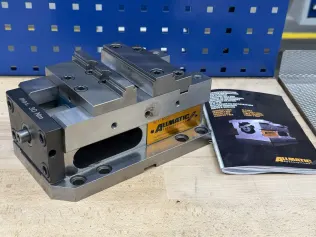
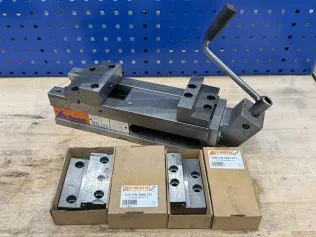
1. Machine Vises: Industrial Clamping Solutions
- Secures workpieces firmly during processing
- Available in various forms to suit different workpiece geometries
- Widely used in machining, fixture construction, and workpiece setup
Common configurations include the parallel vise, swivel vise, revolving vise, and folding vise, each suited to specific machining requirements. The vise itself is accurately located on the machine table via T-slots and sliding blocks, which ensure precise alignment and repeatable positioning across operations.
2. Machine Vise: History and Development
The machine vise has existed since the earliest machine tools were developed, though the vise itself has a far older history. Blacksmiths relied on vises for centuries, and their designs bear a striking resemblance to the precision clamping devices used in modern workshops today.
Modern machine vises are manufactured to much tighter tolerances and are available in a wide variety of configurations. With the introduction of NC and CNC technology, hydraulic and pneumatic vises entered the market – enabling rapid, automatic workpiece changeovers, seamless integration with loading systems, and straightforward operation via a control panel.
3. Machine Vises: Applications and Industry Examples
Machine vises are widely used across machining processes, as well as in tool and fixture manufacturing. They are available in a range of sizes and configurations to suit diverse industrial requirements.
For CNC machining, hydraulic or pneumatically operated machine vises enable automated clamping, improving both precision and throughput. In tool production, specialist vises can be adjusted relative to their own centre and tilted to achieve precise angles.
When machining cutting tools, the individual segments of the cutting insert are conically milled to specific angles. After the cutting surfaces have been hardened, they are ground to very fine angles. This level of precision is achieved by adjusting the vise with gauge blocks, which are available in increments of one hundredth of a millimetre.