
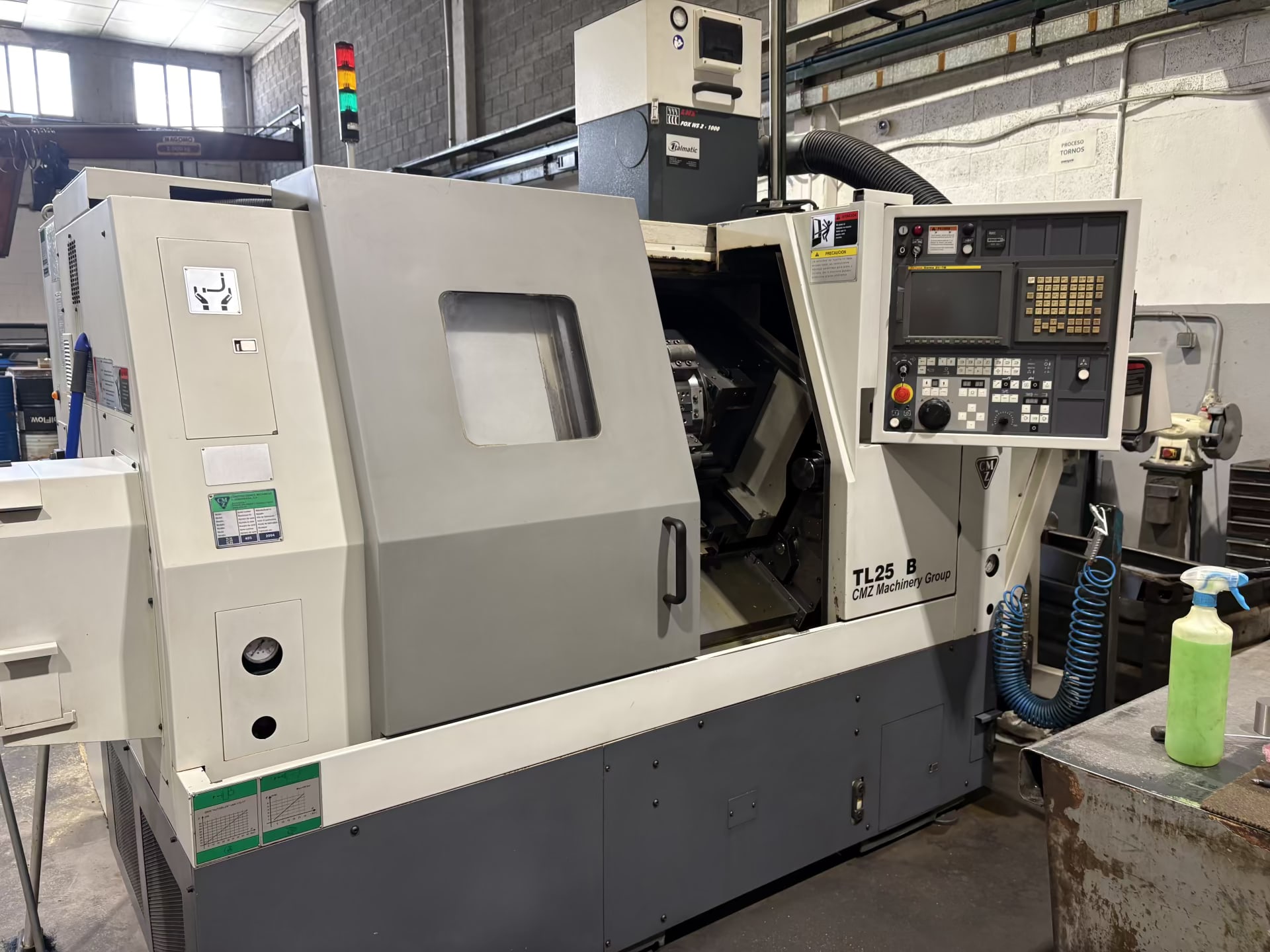
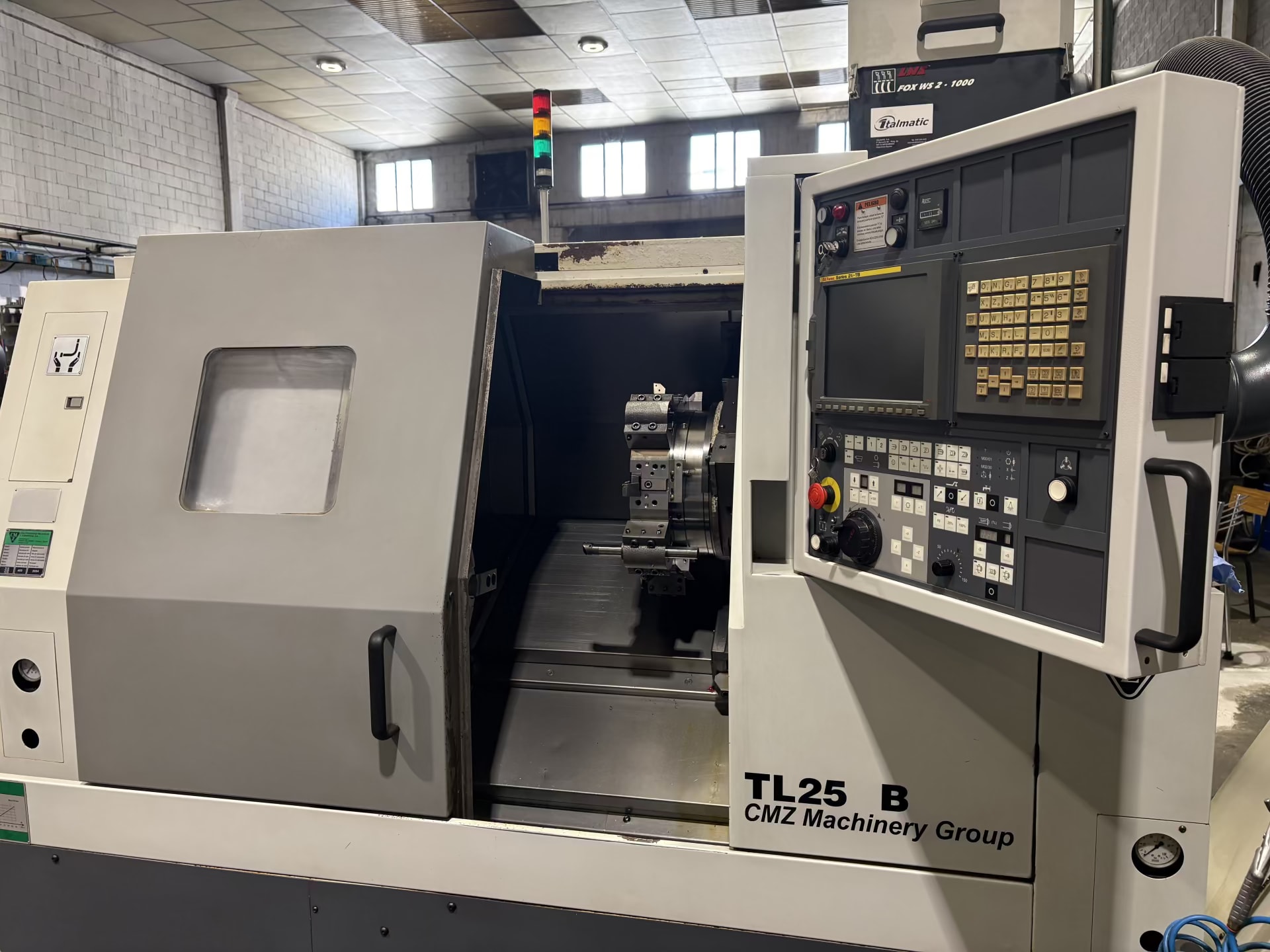
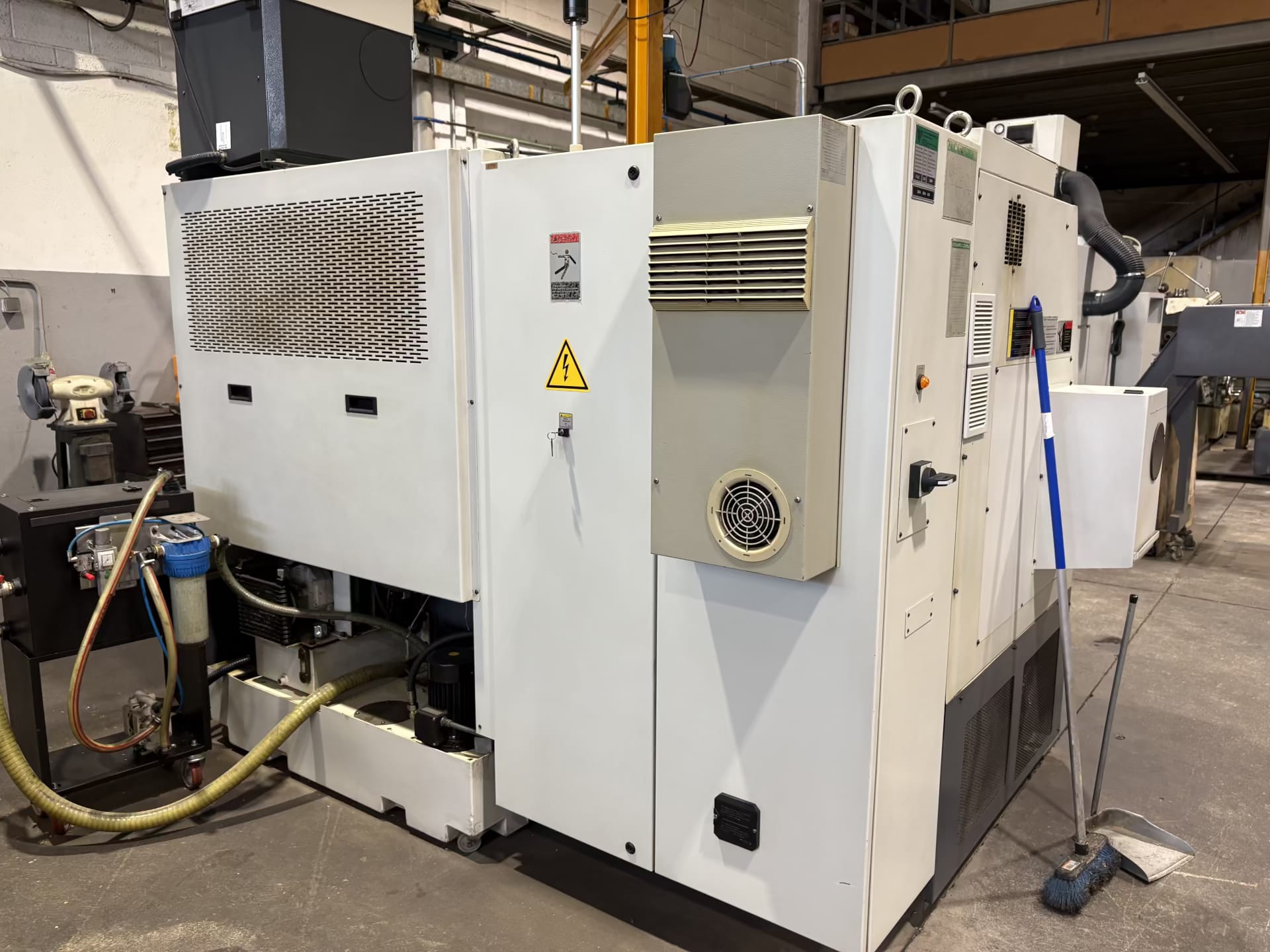
CMZ TL25 B CNC Lathe
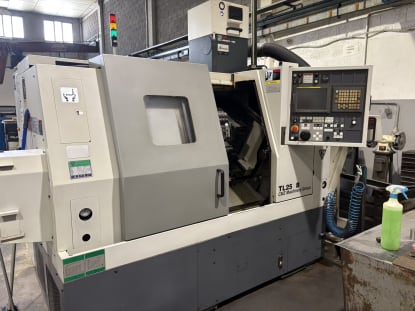
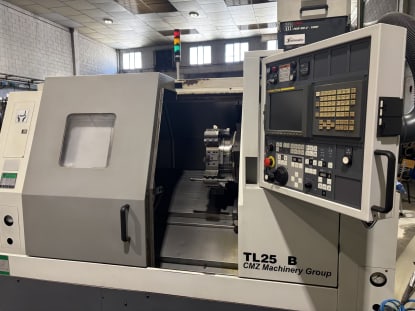
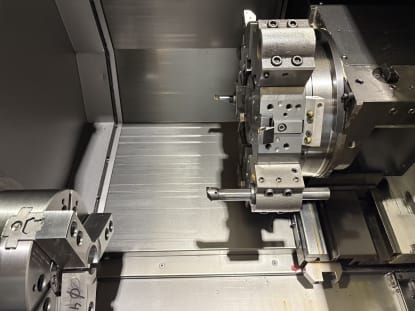
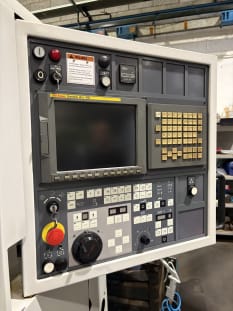
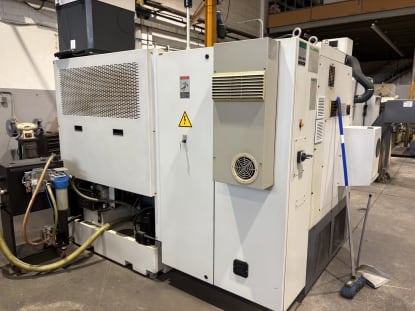
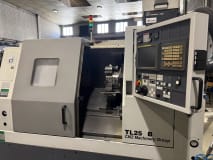
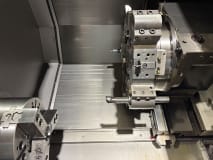
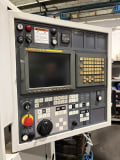
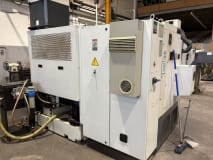
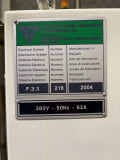
- Storage Number
- 26022-1437
- Machine type
- CNC Lathes
- Manufacturer
- CMZ
- Type
- TL25 B
- Year of construction
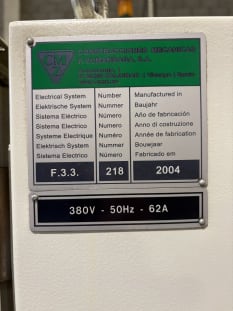
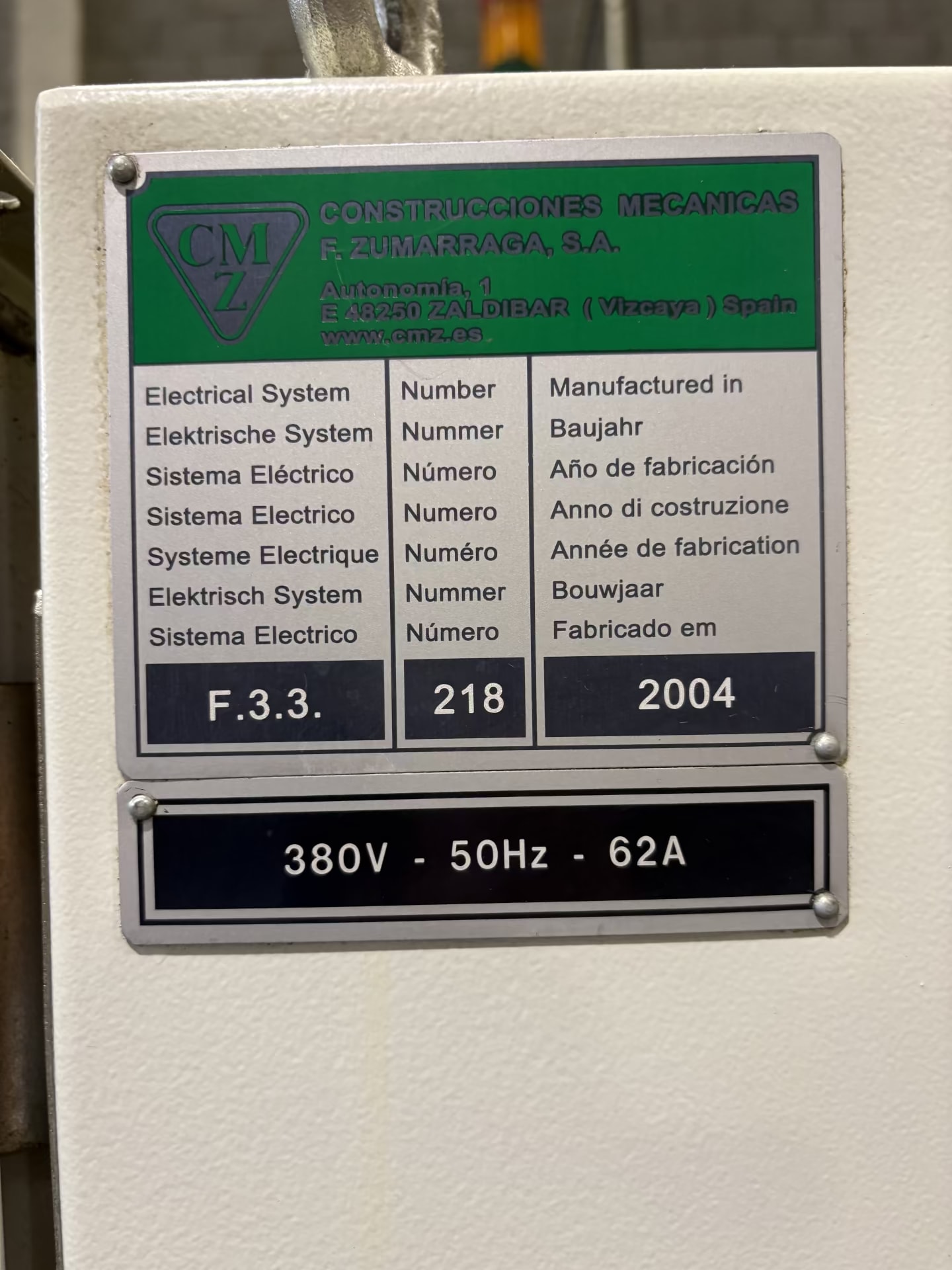
- 2004
- Location
- Barcelona, Spain
- Price
- On Request
- Control
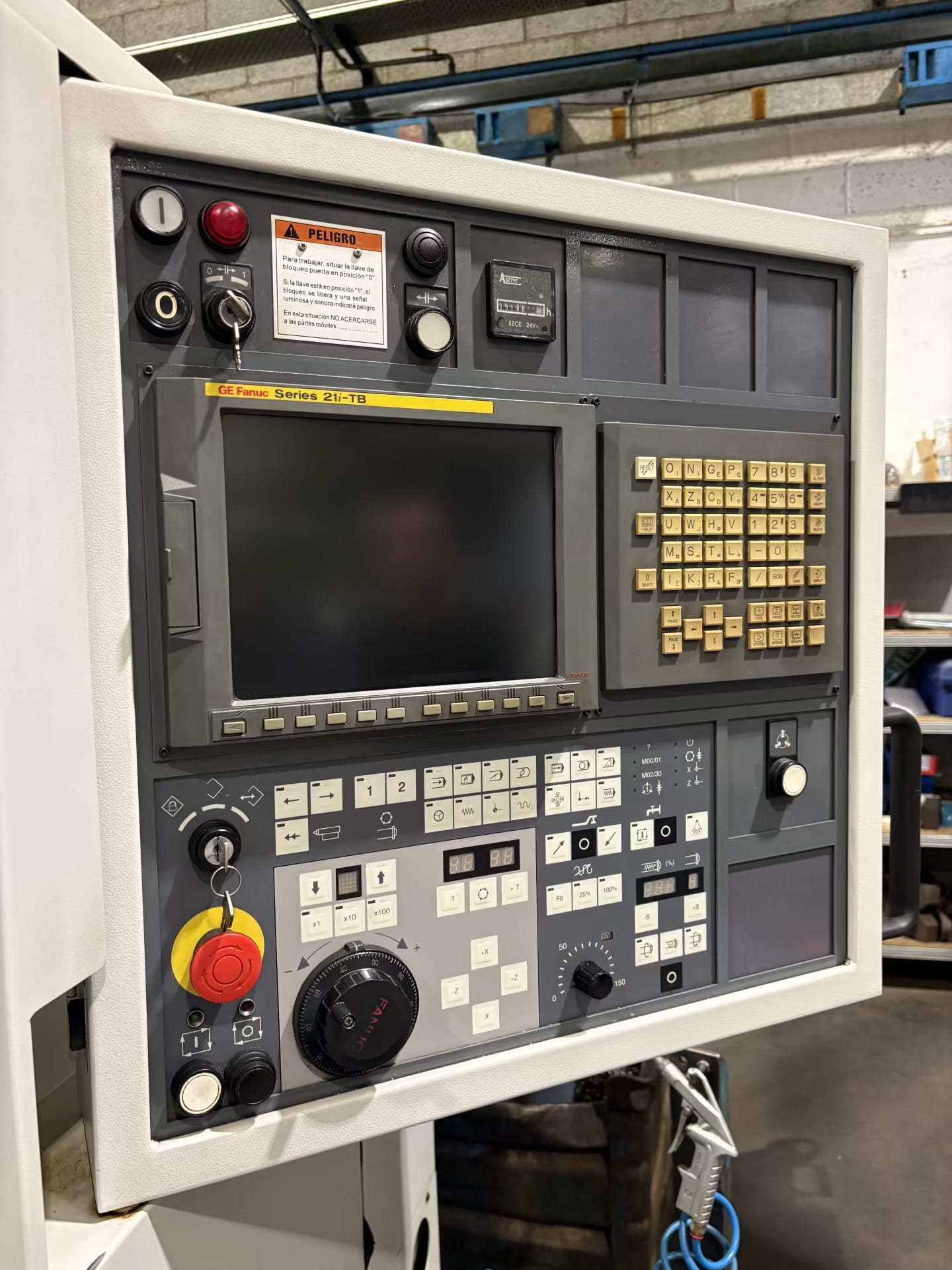
- FANUC Series 21i-TB
- Dimensions (LxWxH) approx.
- 2322 x 1603 x 1800 mm
- Spindle speed
- ≥ 3500 rpm
- Turning length max.
- 676 mm
- Weight approx.
- 3,500 kg
CMZ TL25 B CNC Lathe
Technical Data
Manufacturer: CMZ
Model: TL25 B
Machine Type: CNC Lathe
Year of Manufacture: 2004
Maximum Turning Diameter: 400 mm
Swing Over Bed: 685 mm
Swing Over Cross Slide: 510 mm
X-Axis Travel: 240 mm
Z-Axis Travel: 640 mm
Spindle Bore: 86 mm
Bar Capacity: 77 mm
Spindle Nose: A2-8
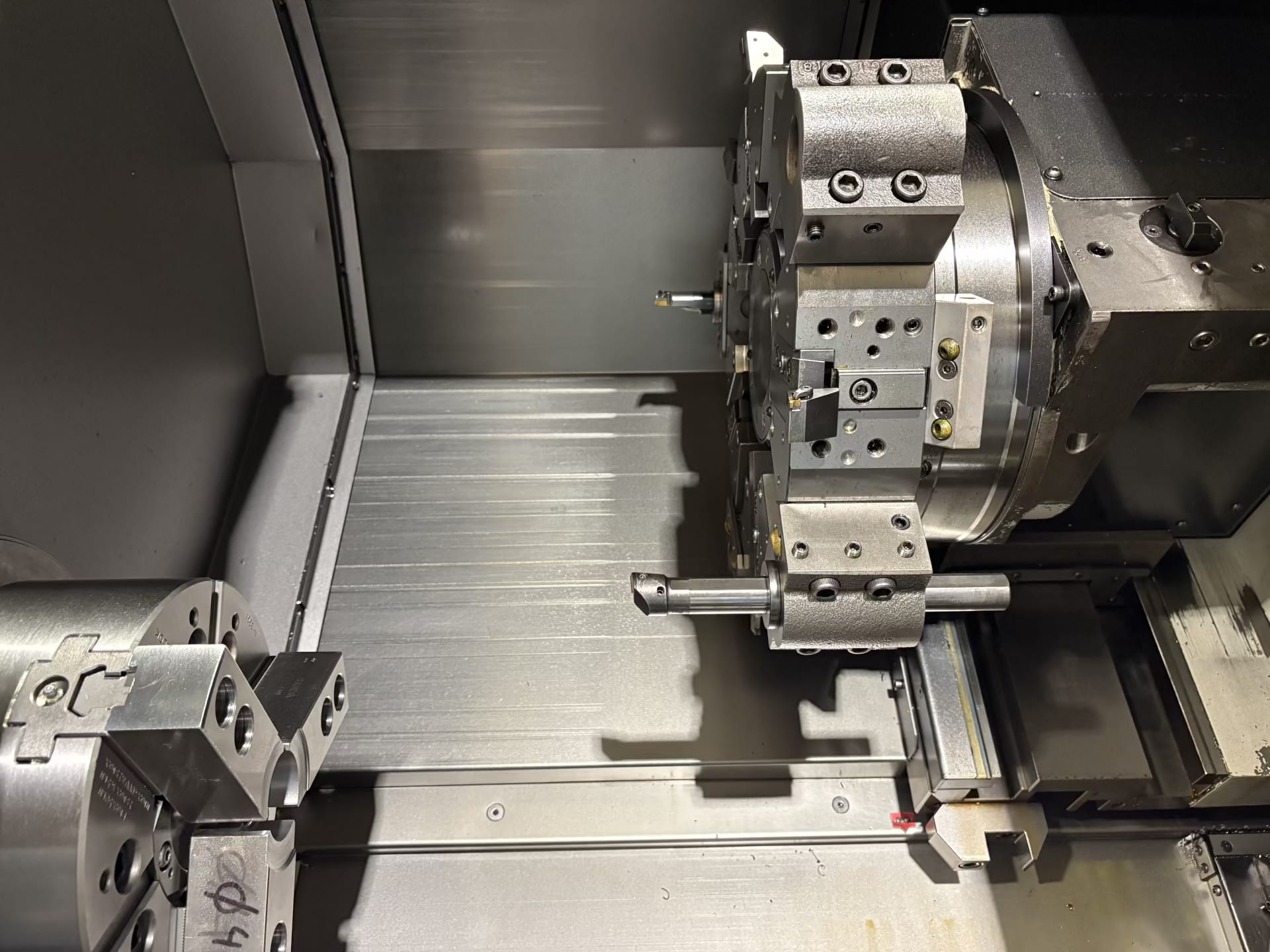
Tool Turret: 12 Positions
Connection Voltage: 380 V
Frequency: 50 Hz
Rated Current: 62 A
Equipment: Three-jaw Chuck 254mm
- Transportation costs
- not included
- Terms of delivery
- Free loading on truck
- Terms of payment
- 100% prepayment before pick-up
The price of a used lathe depends on the machine type, swing diameter and distance between centres, control, year of manufacture, operating hours, included accessories such as chucks, steady rests or a bar feeder, and its condition. Transportation costs are not included in the machine price; terms of delivery and payment are stated under "Additional information" in each listing. You should also budget for installation and commissioning at the new site. In most cases, the buyer is responsible for organizing the transport; upon request, ReMach can check whether transport can be arranged or supported. ReMach also helps with dismantling, loading and export paperwork.
Three dimensions decide first: the largest workpiece diameter must be smaller than the swing diameter, the workpiece length must fit within the distance between centres, and for bar work the bar capacity stated in the listing must be at least the bar diameter. For hard materials and heavy cuts, the spindle also needs sufficient power and torque.
Yes, a turn-mill centre can mill, drill and cut slots in the same set-up as turning. Driven tools do the milling, the C-axis positions the workpiece, and a Y-axis allows machining off the centre line. A lathe without driven tools can only mill with an add-on attachment, with limited rigidity and output.
The difference lies in how the machine is controlled and which parts it suits. A cycle-controlled lathe is operated manually with stored cycles and teach-in, ideal for single parts and small batches, while a CNC lathe runs fully under program control for series production. A turn-mill centre adds driven tools and a C-axis, often a Y-axis, so turning, milling and drilling happen in one set-up. A vertical lathe holds the workpiece on a rotating table and suits heavy, large-diameter, low-height parts such as rings, flanges and discs.
A lathe is a machine tool for rotationally symmetrical parts: the workpiece rotates while the cutting tool moves along or across its axis. It is used for external and internal turning, facing, thread cutting, and drilling or boring on the axis. Typical parts are shafts, bushes, flanges, rings and threaded components.

Our Services
- Inspection & report
- Disassembly & installation
- Global logistics
- Customs & paperwork
- Sourcing & valuation
- Personal consultation
Related items
1. CNC Lathes: Design, Functionality & Key Features
A CNC lathe is a machine tool for turning workpieces – including metal – using computerised numerical control. CNC turning machines and automatic CNC lathes follow the same principle, differing primarily in productivity and throughput. These machines are capable of producing complex one-off parts as well as small- and large-scale series, with all movement procedures automatically executed and monitored by the integrated control system.
The predecessor of today's CNC lathe was the NC lathe, which relied on numerical control alone and did not support programme storage. CNC technology eliminated this limitation, enabling operators to retrieve programmes from memory, modify them, and save updates directly to the system – significantly streamlining the production workflow.
- Machine tools engineered for producing precision turned parts
- Computer-supported execution and monitoring of all machining processes
- Consistent production times that simplify planning and scheduling
All operating data is supplied to the machine in numerical form. The computer continuously compares this data against target values and applies corrections automatically via dedicated control devices. Before machining can begin, a CNC programme must be created – either directly on the turning machine or using an external computer, with the finished programme transferred via data storage or a network connection.
Programming follows procedures defined in the relevant DIN regulations. Central to every machining operation is the machine reference point, or machine zero point, from which all axis coordinates are calculated. A variety of tool holders allow the machine to perform different operations, including face cutting, longitudinal turning, and conical turning.
A MAZAK CNC lathe in operation illustrates how these capabilities come together in a modern production environment.
2. CNC Lathe Machines: History, Features & Capabilities
CNC lathe machines first emerged in Germany in the early 1980s, and advances in computer and mechanical engineering have transformed them considerably since then. Early models were later superseded by integrated lathe and milling centres, which combine multiple manufacturing processes for greater efficiency. The precision of CNC turning is particularly valuable when machining cylindrical components, where tight tolerances are essential.
Many CNC lathes can be paired with complementary machines to create highly versatile setups. A CNC turning/milling centre is a prime example, merging turning and milling in a single unit. When integrated into broader manufacturing environments – alongside industrial robots and automated transport systems – these machines form complete production lines capable of significantly boosting throughput. Control configurations vary widely depending on the application and manufacturer.
3. CNC Lathe Applications: Where Precision Meets Productivity
CNC lathes deliver outstanding results wherever high productivity and a clean working environment are essential. By automating the turning process, these machines consistently produce high volumes of parts to a uniform quality standard – while predictable cycle times make production planning straightforward. Their versatility extends to complex geometries and multi-machine operation, giving manufacturers genuine flexibility on the shop floor. A prime example is the production of clutch and drive pulleys, where both interior and exterior surfaces can be machined in a single clamping position.
4. Used CNC Lathes: Buyer's Guide & Key Considerations
The widespread availability of CNC lathes means there is a comprehensive range of machines on the market – yet a used CNC lathe is far from a low-value investment. Even first-generation models can command prices of up to ten thousand euros. CNC lathes are highly capable machines: their ability to automate the production of complex turned parts makes them an attractive prospect for manufacturers and enthusiasts alike. That said, they are among the most sophisticated and maintenance-intensive machines available, so purchasing second-hand requires solid background knowledge to assess suitability and get the equipment up and running. One practical advantage is that used CNC lathes are compatible with standard parts, keeping ongoing tooling costs manageable.
Once acquired, a CNC lathe can be fitted with tools and holders at very reasonable prices, and a wide range of peripheral equipment is available for turning machines. When evaluating a used model, a test run should form part of any thorough machine appraisal. Working with an experienced dealer is strongly recommended, as they can identify weak points during inspection. Turning a sample workpiece and measuring it with a digital calliper is a reliable way to detect wear in bearings and joints. The cooling and lubrication system should also be fully functional before purchase. A further benefit of the second-hand market is the well-established network of specialist companies offering maintenance and overhaul services for used CNC machines – making a full, cost-effective restoration entirely achievable.
The Case for Overhauling
Minor cosmetic issues – such as scratched housing panels or signs of condensation – are worth noting during negotiations but are rarely a reason to walk away. These components are straightforward to repair or replace and need not affect the machine's performance. A used CNC lathe can effectively expand an existing machinery fleet or broaden a department's production capabilities. A smaller used model is also well suited to training purposes, providing an excellent platform for learning CNC programming fundamentals, even where tight industrial tolerances are not required.
The second-hand CNC lathe market offers strong value across a wide range of makes, sizes, and specifications – whether you need a compact training machine or a full-capacity industrial turning centre.
5. Top CNC Turning Machine Manufacturers Overview
The CNC turning machine market features a number of manufacturers with strong reputations for quality and precision. Leading names include TRAUB, MIYANO, INDEX, and VOEST-ALPINE, alongside MANURHIN and EMCO. Used CNC lathes from GILDEMEISTER are also widely regarded as excellent choices. German-engineered CNC lathes in particular are recognised for their exceptionally high standards of build quality and accuracy – a testament to the country's long manufacturing heritage.