
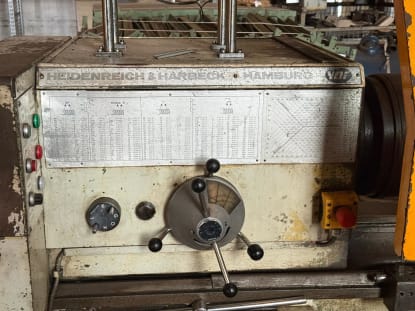
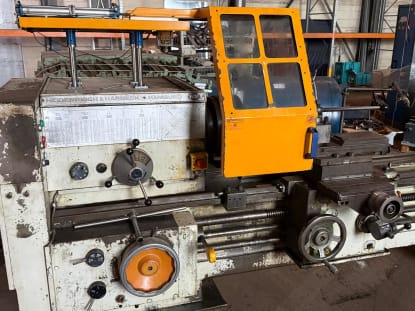
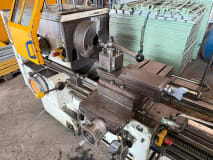
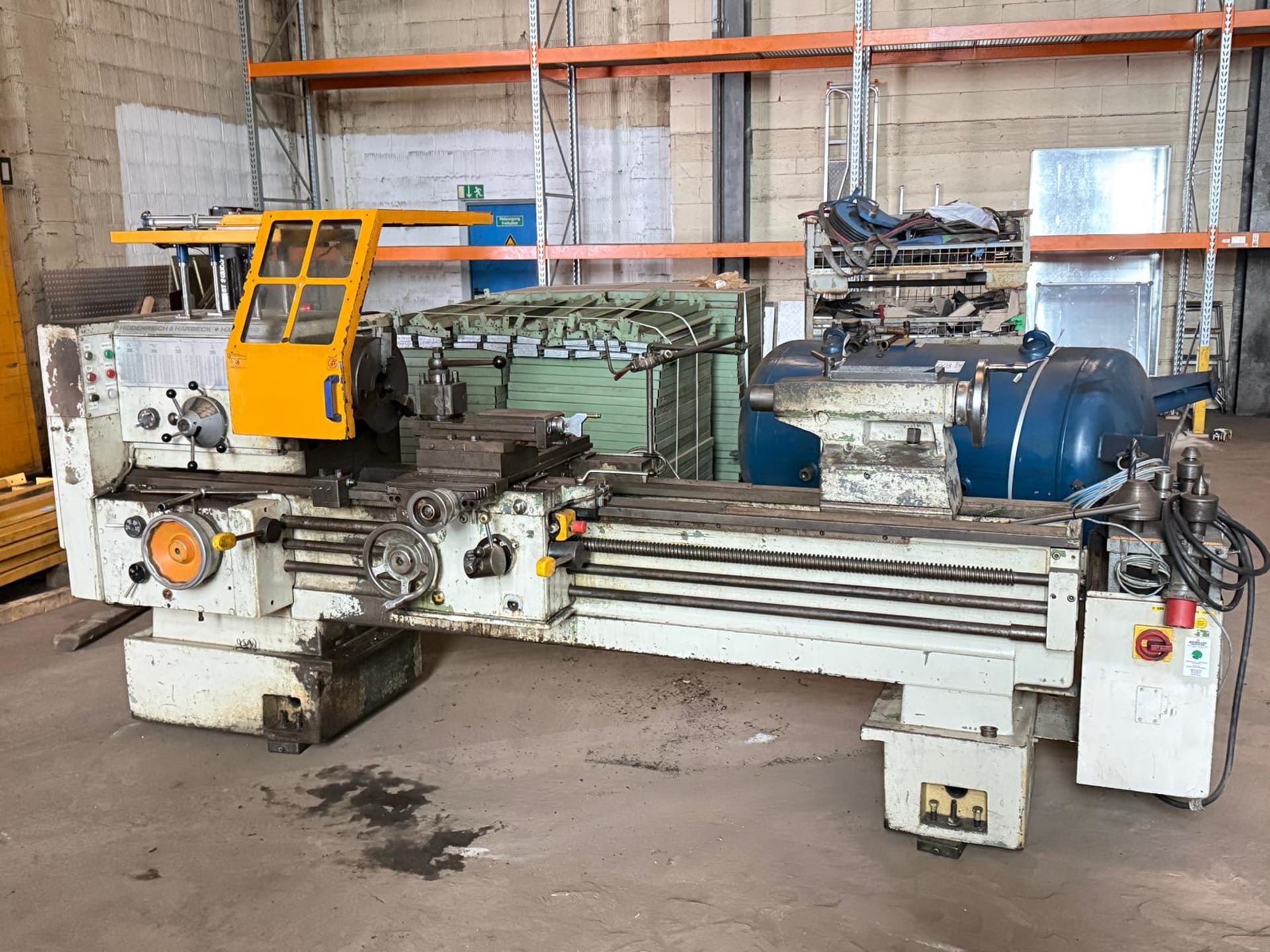
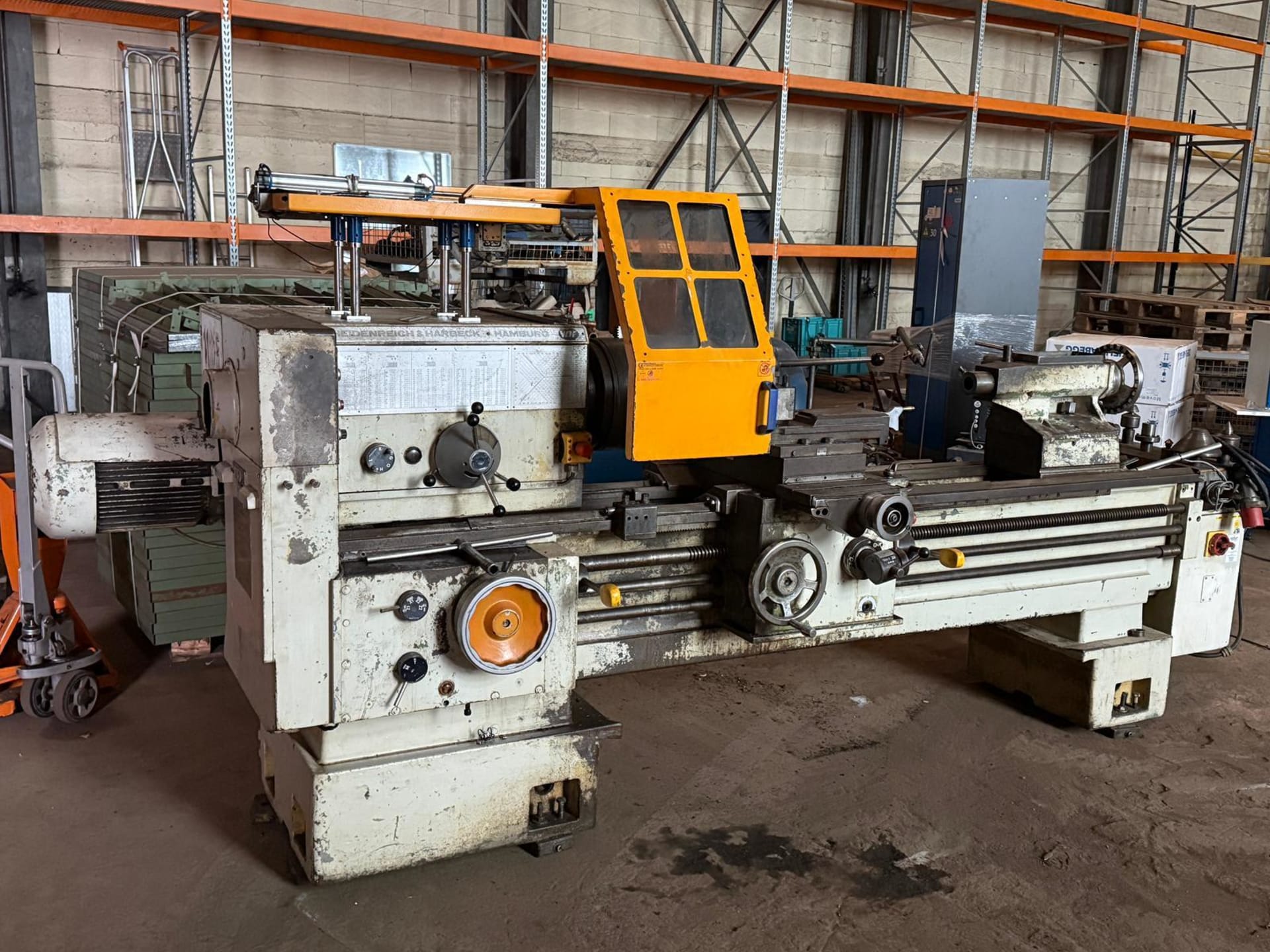
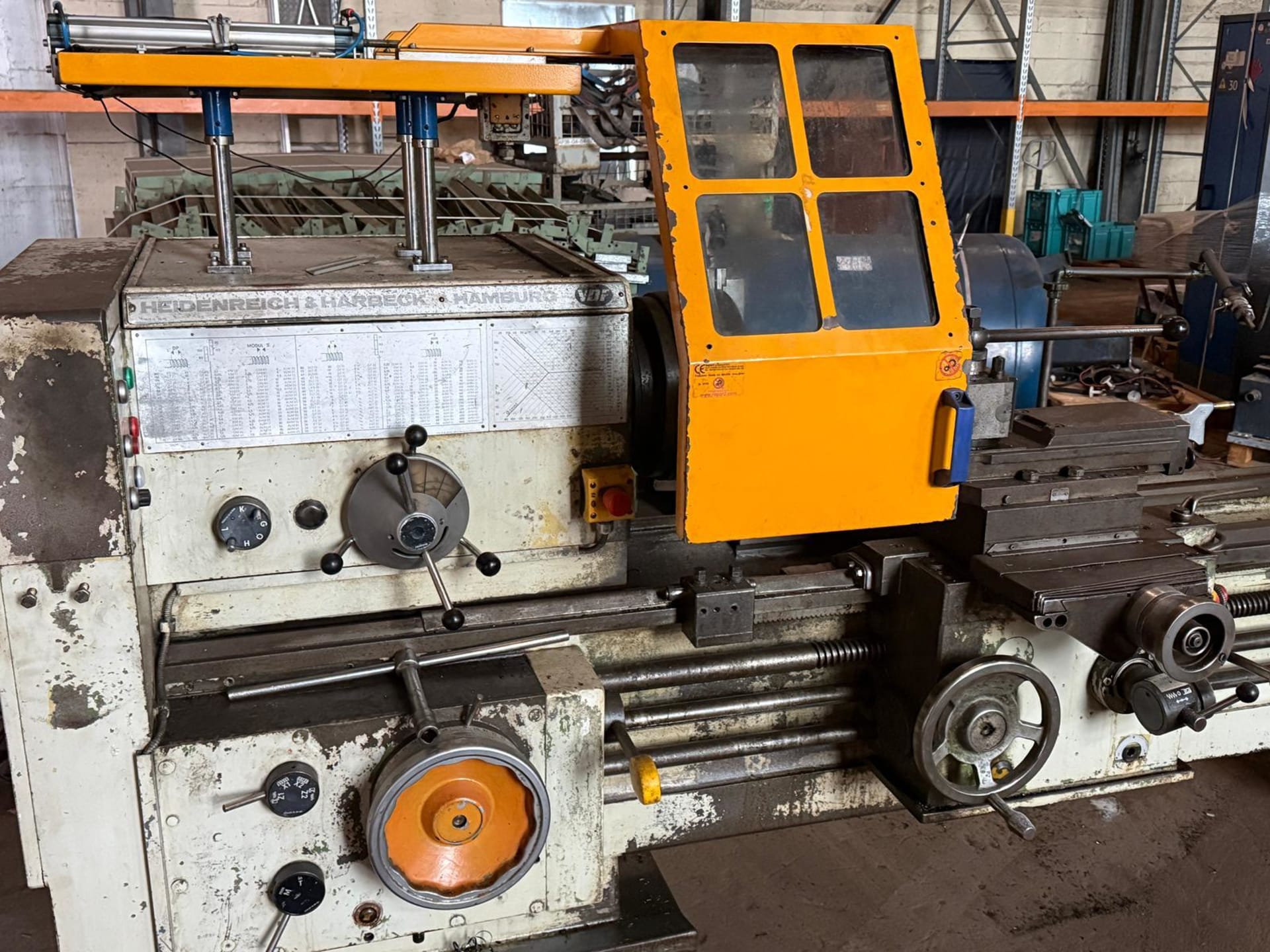
VDF-HEIDENREICH & HARBECK 630 Centre Lathe
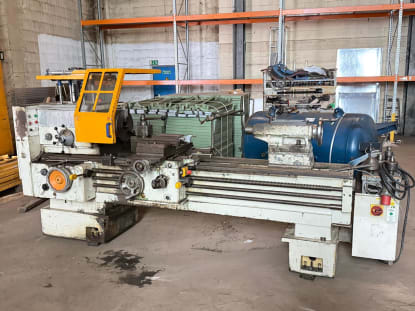
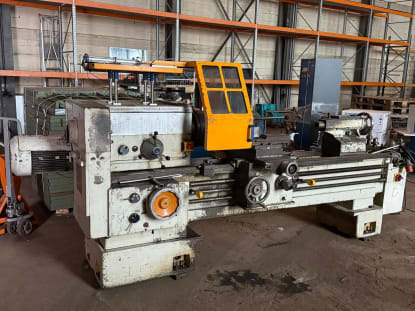
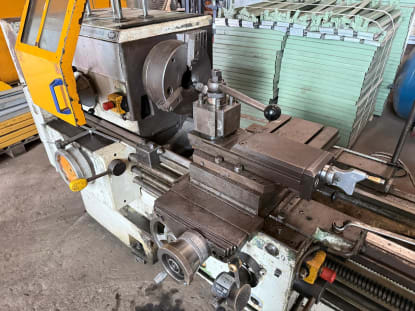
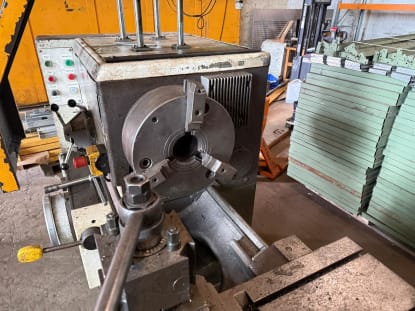
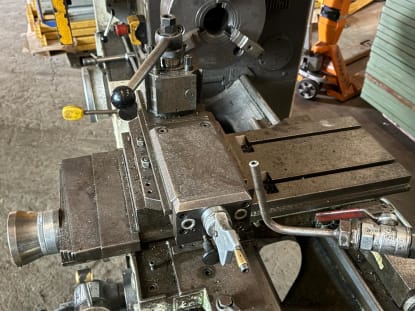
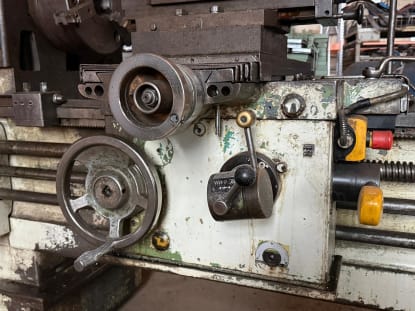
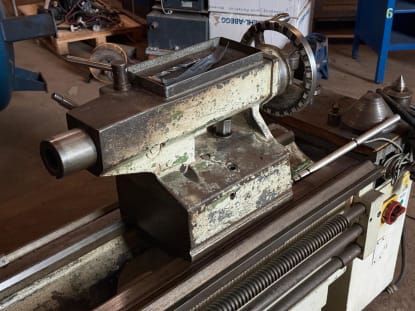
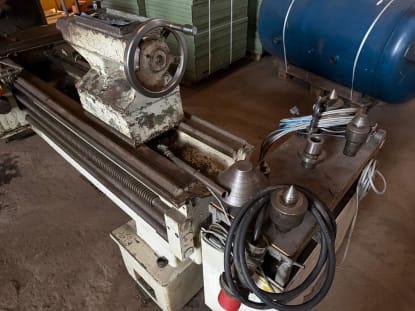
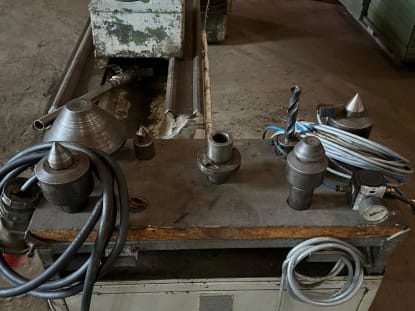
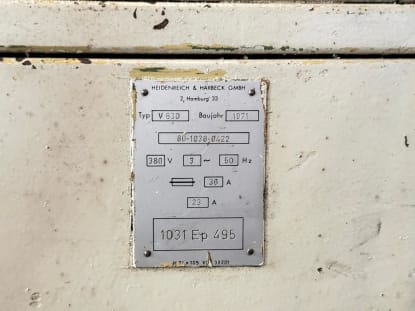
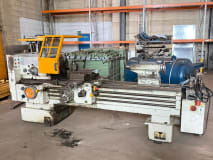
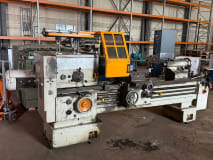
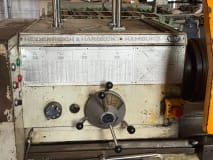
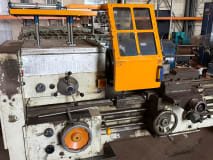
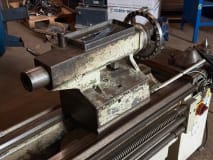
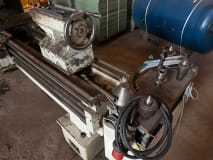
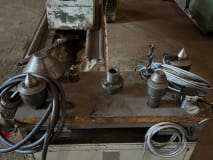
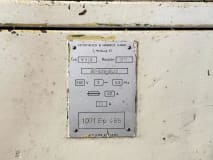
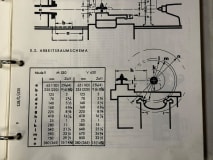
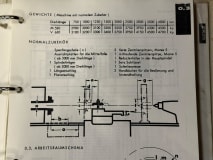
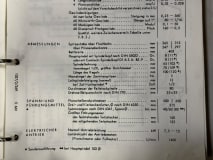
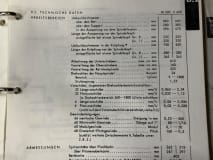
- Storage Number
- 26023-1898
- Machine type
- Centre Lathes
- Manufacturer
- VDF-HEIDENREICH & HARBECK
- Type
- 630
- Year of construction
- 1971
- Location
- Solingen, Germany
- Price
- This item is sold
- Dimensions (LxWxH) approx.
- 3100 x 1100 x 1500 mm
- Weight approx.
- 2,000 kg
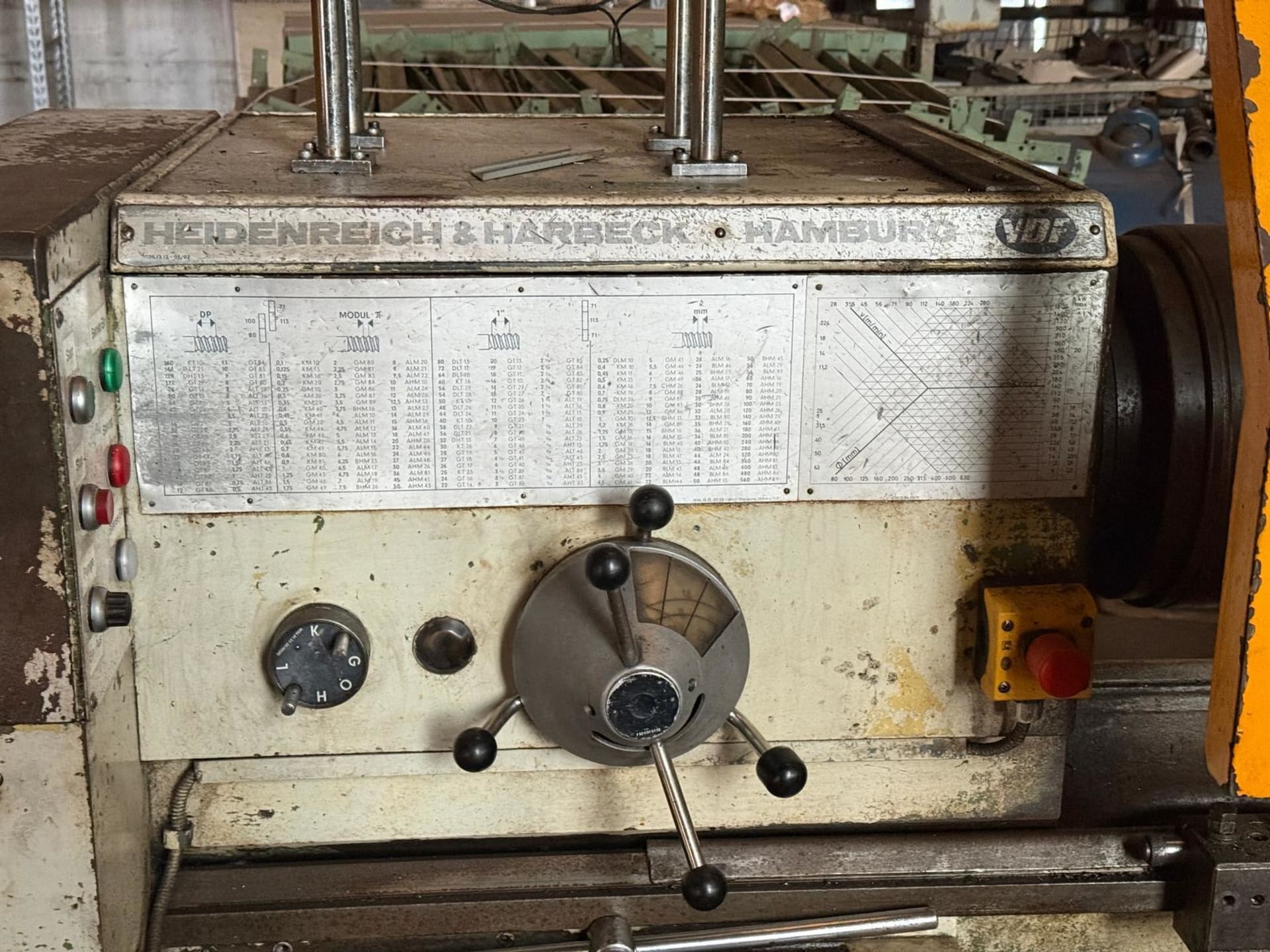
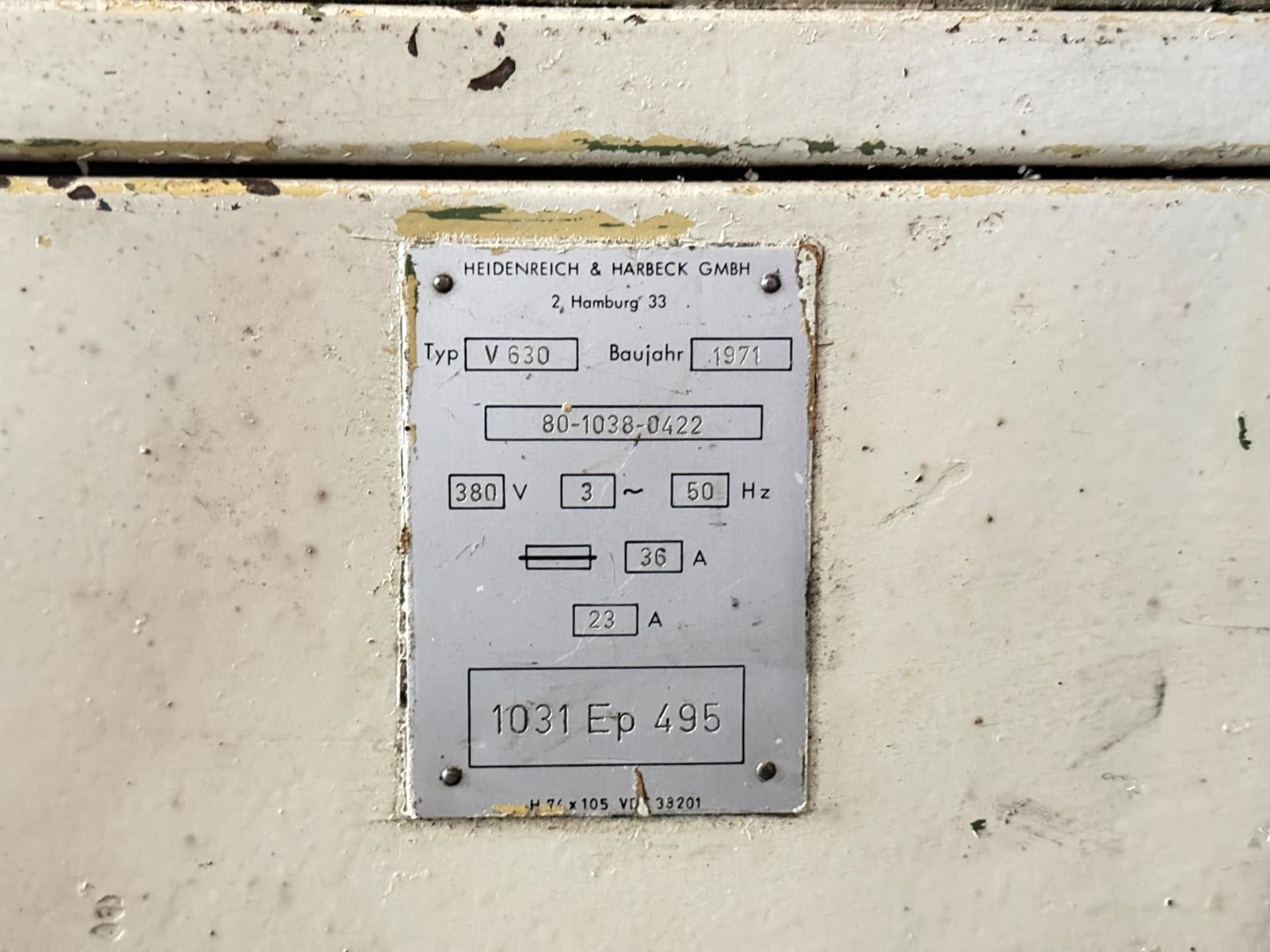
Manufacturer: Heidenreich & Harbeck (VDF)
Type: V630
Year of Manufacture: 1971
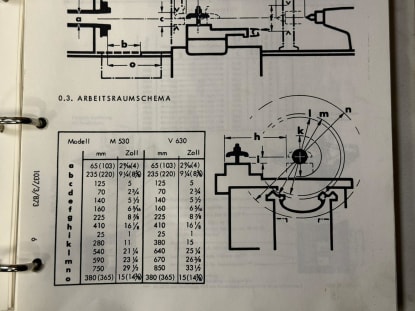
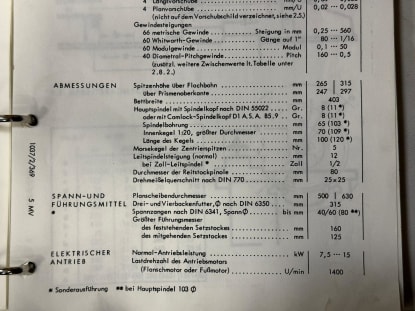
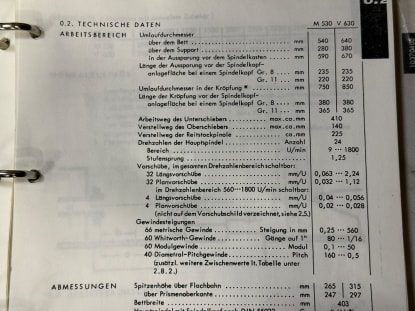
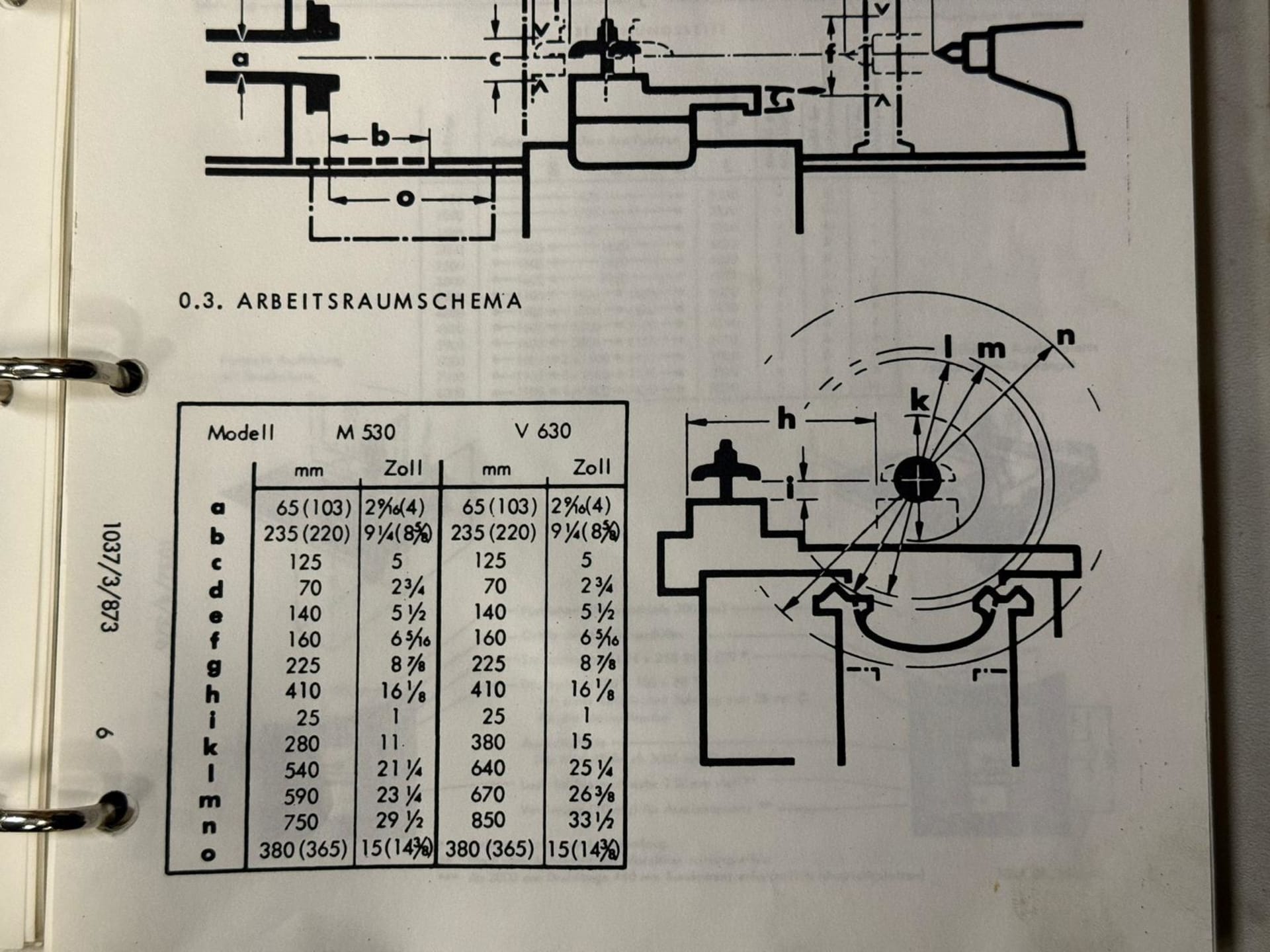
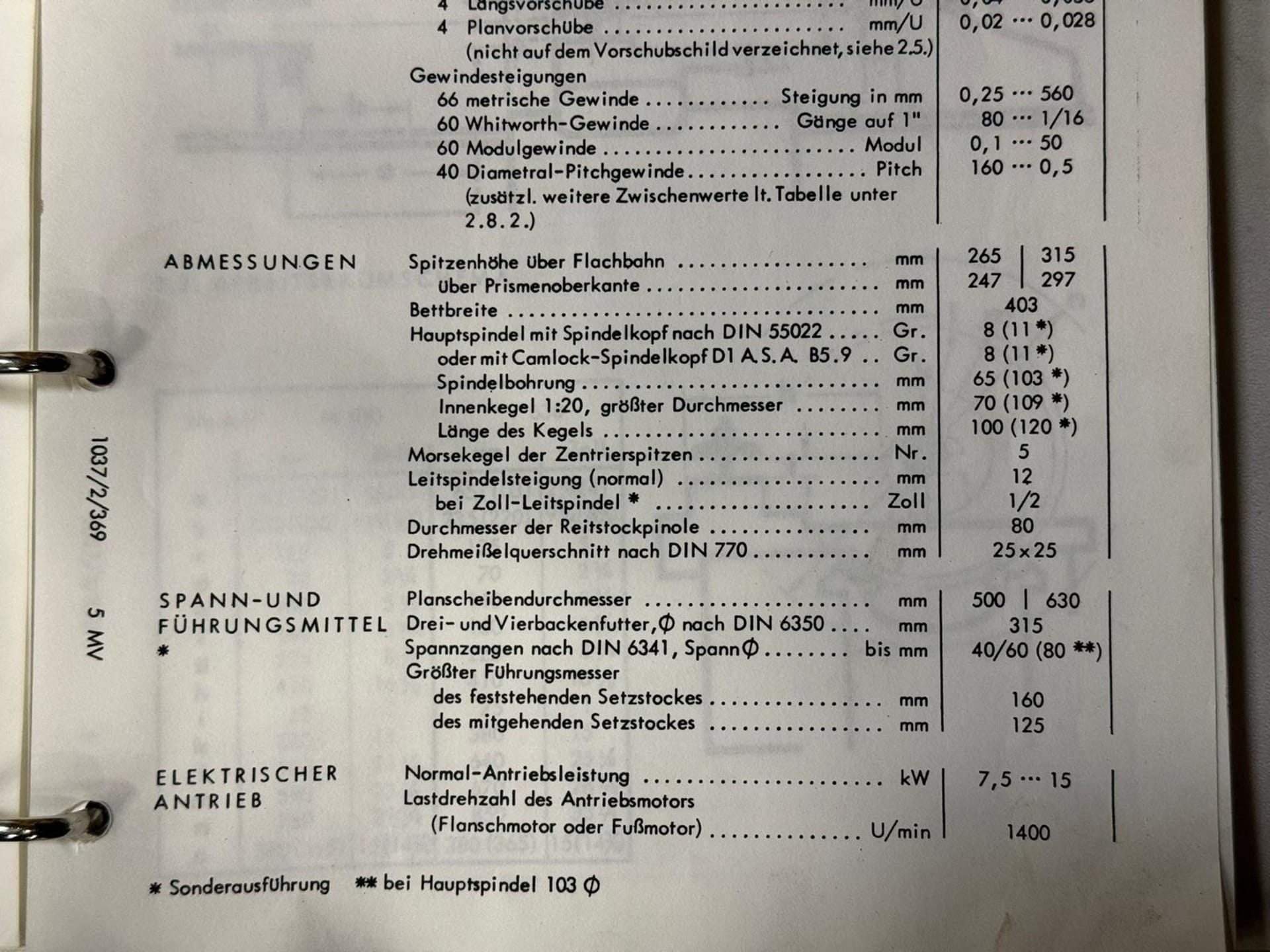
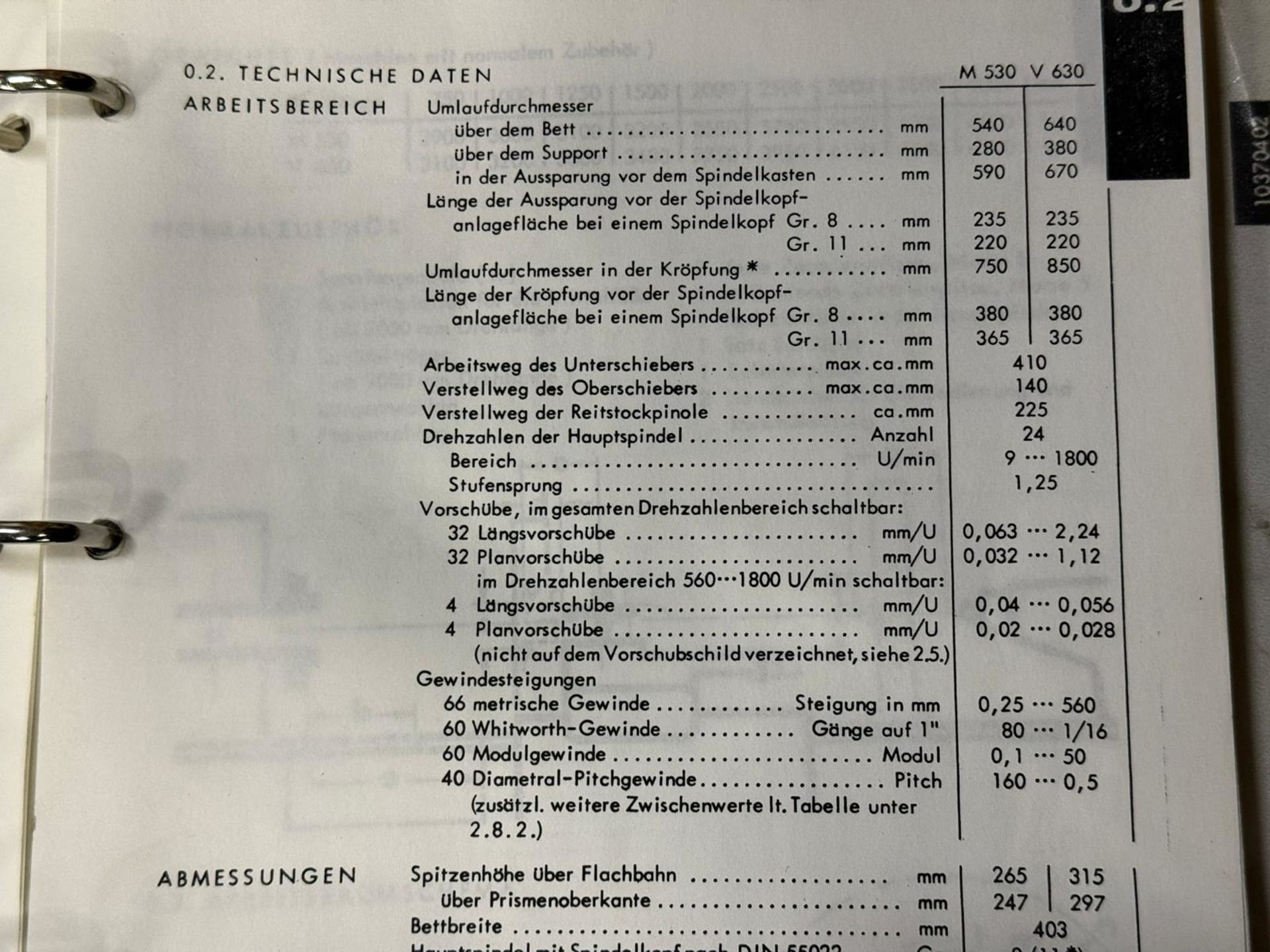
Swing over bed: approx. 540-640 mm
Swing over support: approx. 280-380 mm
Speed range: 9-1800 RPM
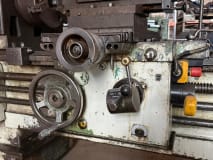
Multi-stage mechanical gearbox
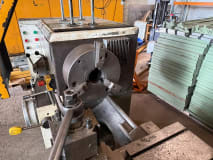
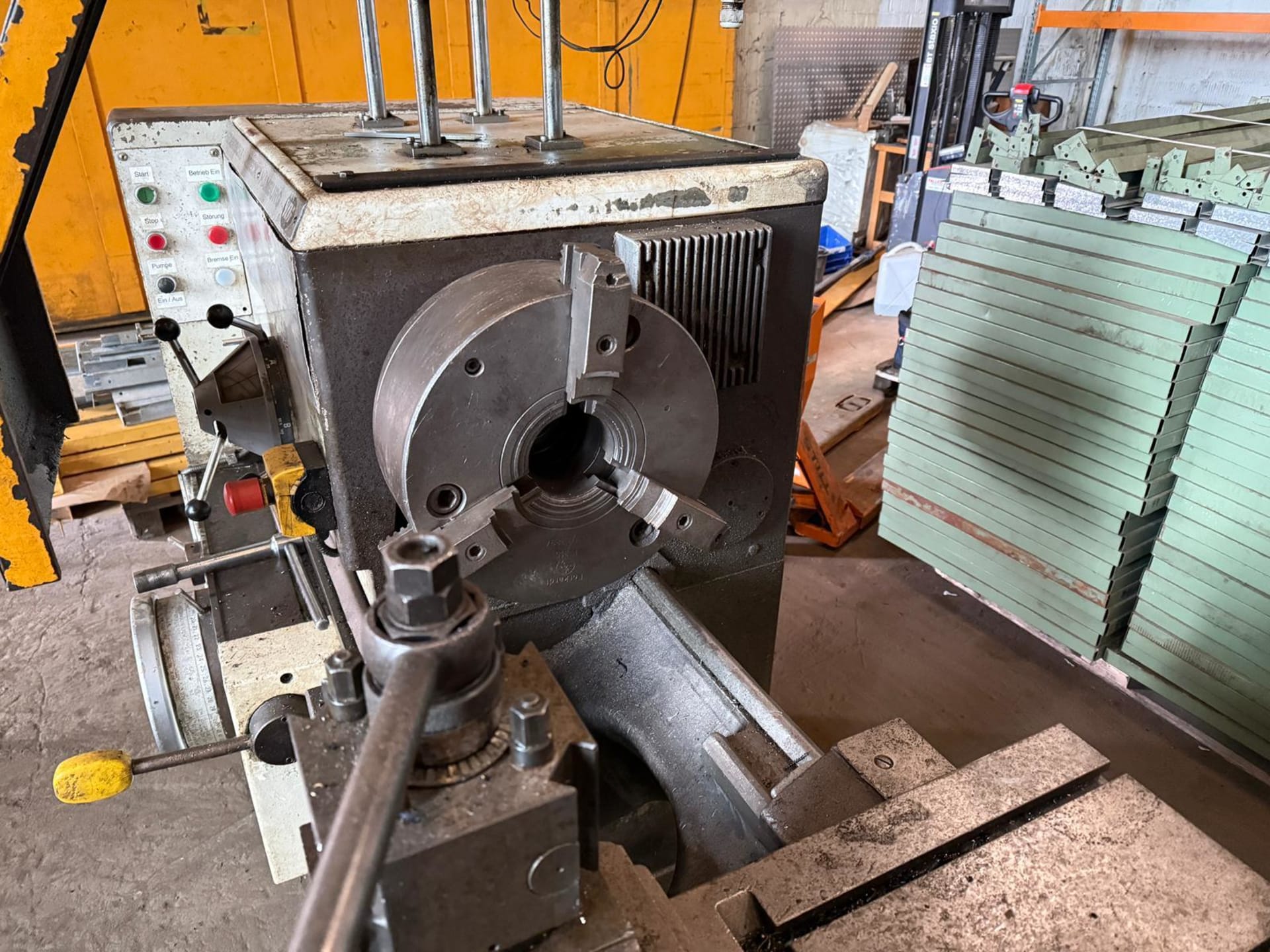
3-jaw chuck Forkardt Ø200 mm
Operating voltage: 380 V
Control voltage: 220
Frequency: 50 Hz
Total current: approx. 4 A
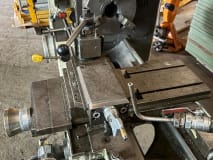
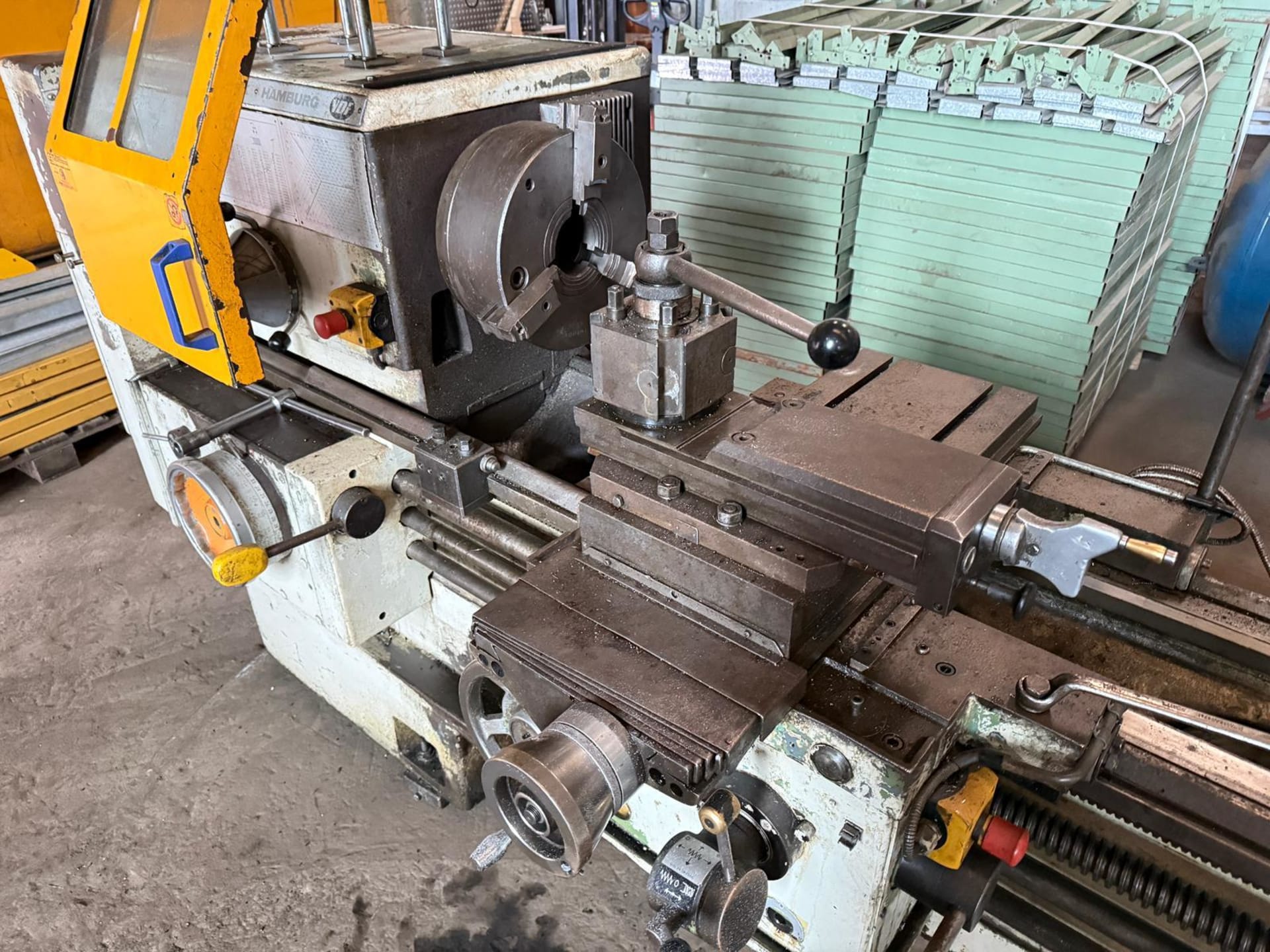
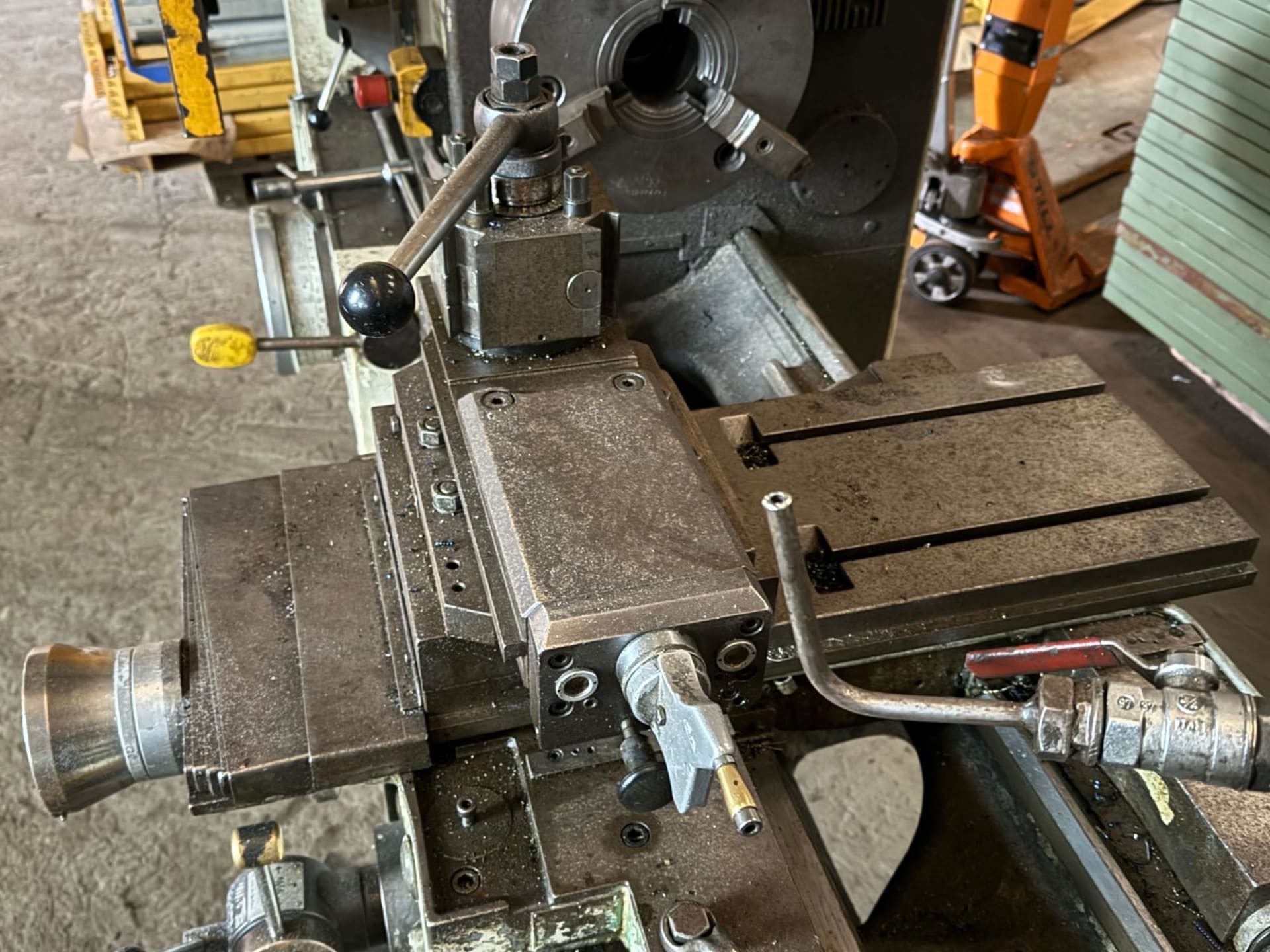
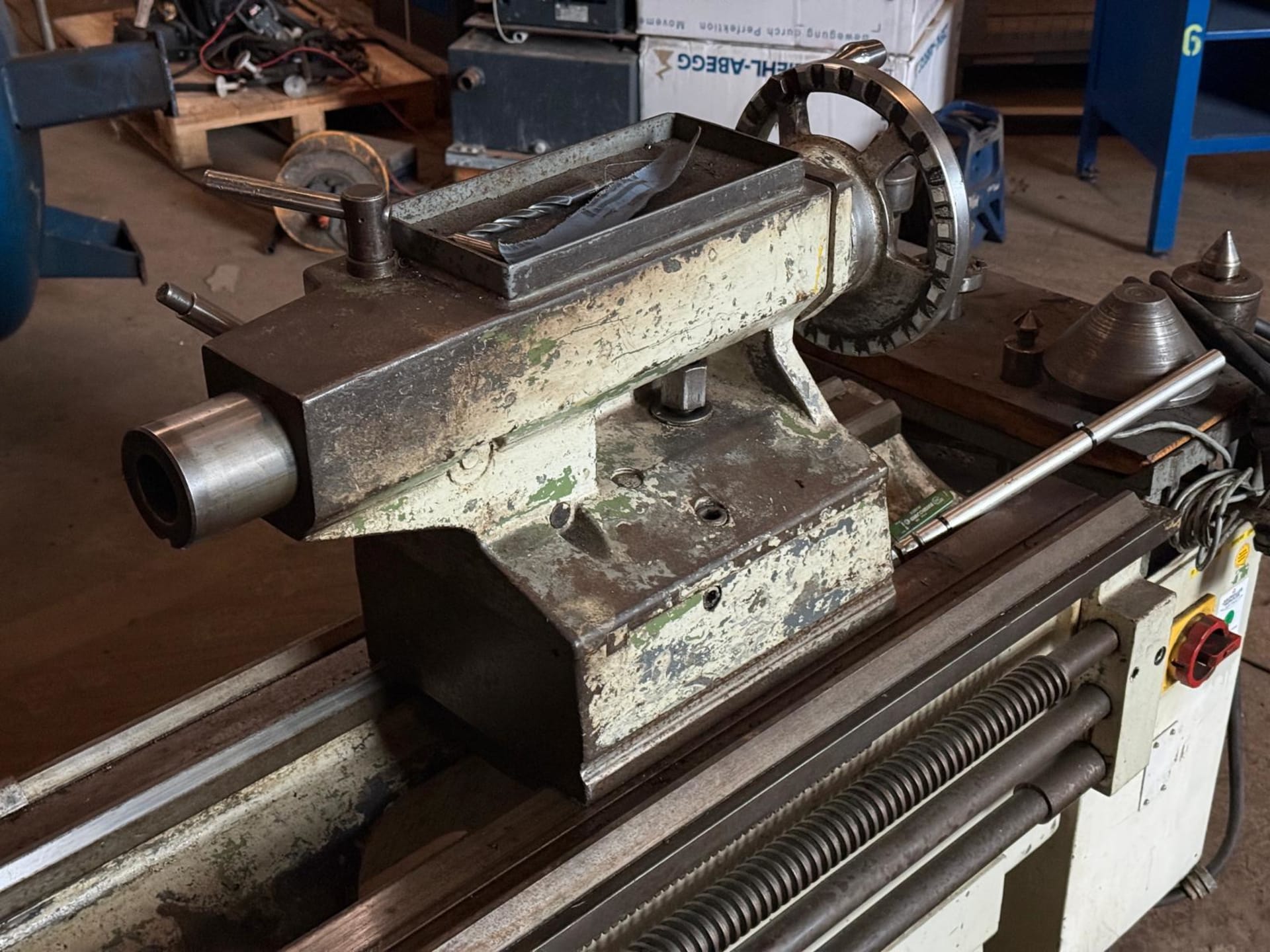
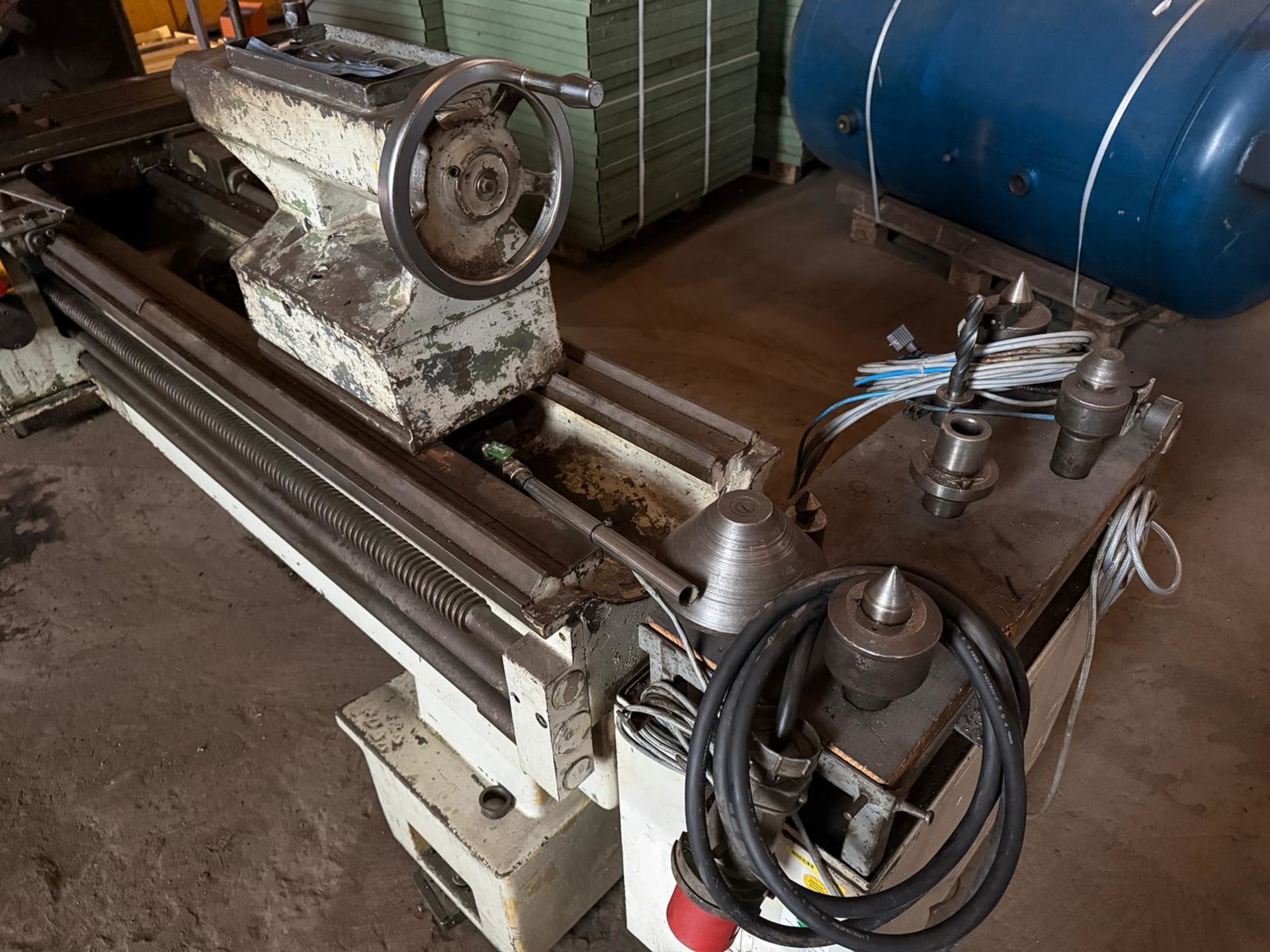
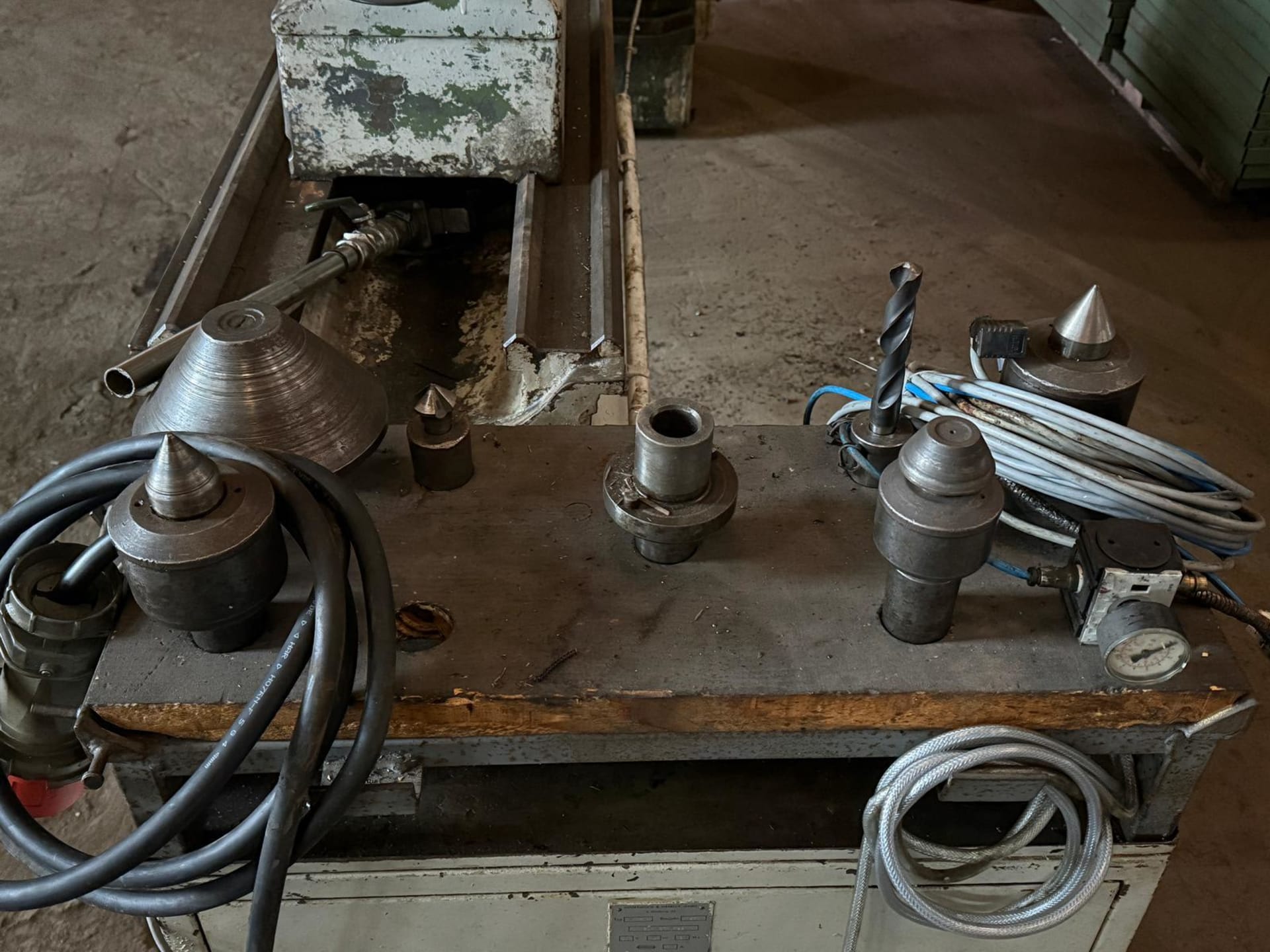
Equipment: Multifix quick-change holder
Type B multiple turning and drilling holders
3-jaw chuck
extensive tool equipment
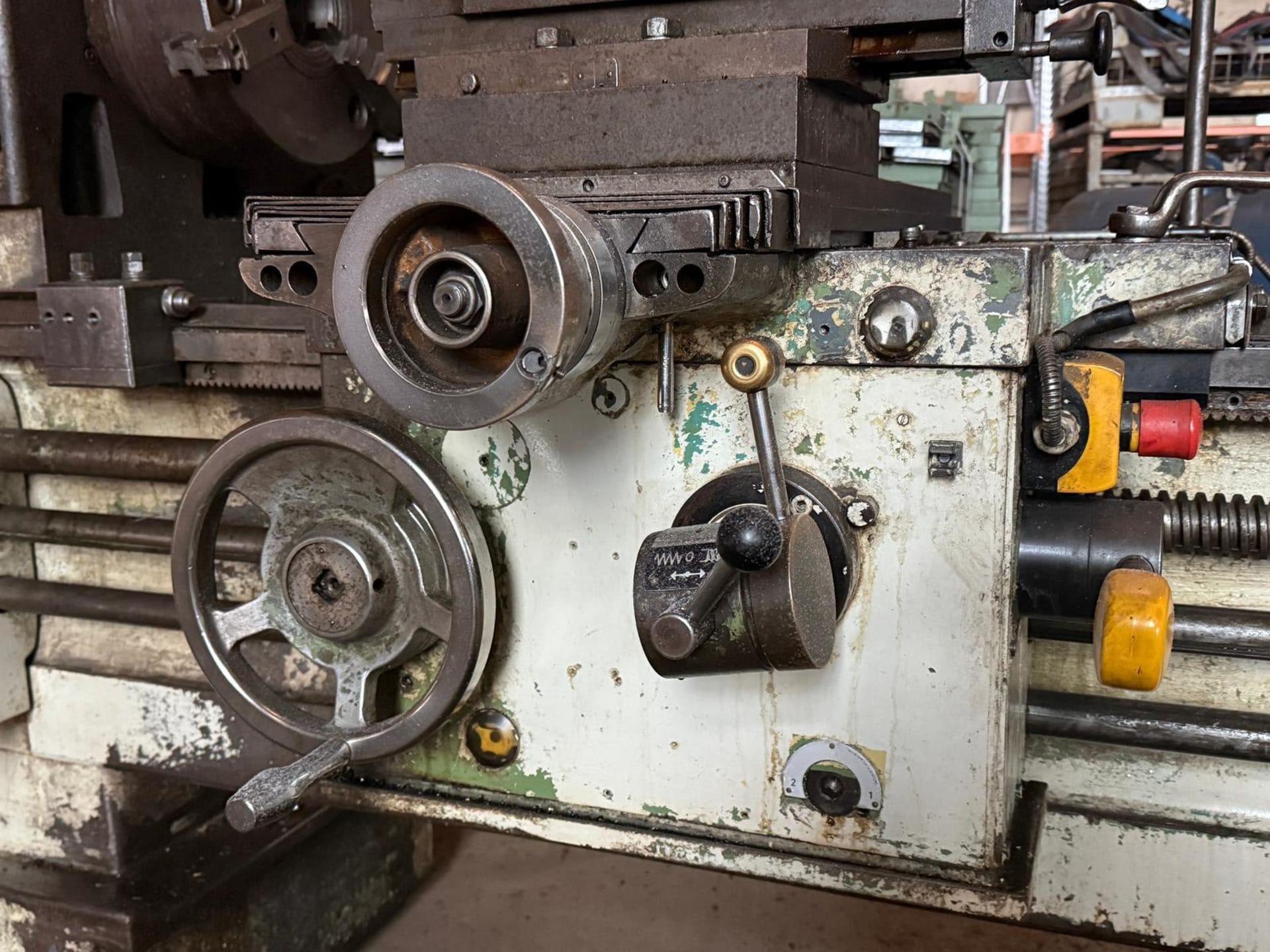
for further details see photos
- Transportation costs
- not included
- Terms of delivery
- Loaded on truck
- Terms of payment
- 100% prepayment before pick-up
The price of a used lathe depends on the machine type, swing diameter and distance between centres, control, year of manufacture, operating hours, included accessories such as chucks, steady rests or a bar feeder, and its condition. Transportation costs are not included in the machine price; terms of delivery and payment are stated under "Additional information" in each listing. You should also budget for installation and commissioning at the new site. In most cases, the buyer is responsible for organizing the transport; upon request, ReMach can check whether transport can be arranged or supported. ReMach also helps with dismantling, loading and export paperwork.
Three dimensions decide first: the largest workpiece diameter must be smaller than the swing diameter, the workpiece length must fit within the distance between centres, and for bar work the bar capacity stated in the listing must be at least the bar diameter. For hard materials and heavy cuts, the spindle also needs sufficient power and torque.
Yes, a turn-mill centre can mill, drill and cut slots in the same set-up as turning. Driven tools do the milling, the C-axis positions the workpiece, and a Y-axis allows machining off the centre line. A lathe without driven tools can only mill with an add-on attachment, with limited rigidity and output.
The difference lies in how the machine is controlled and which parts it suits. A cycle-controlled lathe is operated manually with stored cycles and teach-in, ideal for single parts and small batches, while a CNC lathe runs fully under program control for series production. A turn-mill centre adds driven tools and a C-axis, often a Y-axis, so turning, milling and drilling happen in one set-up. A vertical lathe holds the workpiece on a rotating table and suits heavy, large-diameter, low-height parts such as rings, flanges and discs.
A lathe is a machine tool for rotationally symmetrical parts: the workpiece rotates while the cutting tool moves along or across its axis. It is used for external and internal turning, facing, thread cutting, and drilling or boring on the axis. Typical parts are shafts, bushes, flanges, rings and threaded components.
This item is sold

Our Services
- Inspection & report
- Disassembly & installation
- Global logistics
- Customs & paperwork
- Sourcing & valuation
- Personal consultation
Related items
1. Centre Lathes: Definition, Components & Uses
A centre lathe is a machine tool used to create cylindrical shapes from materials such as steel and heavy-duty plastics. One of its most common applications is manufacturing component parts for combustion engines. Early centre lathes were manually operated, but modern CNC variants are now widely used in large-scale production facilities to increase throughput, reduce costs, and minimise human error – with operations controlled by pre-programmed computers.
- It is the simplest and most fundamental form of the universal lathe
- Key components include the headstock, tool slide, tailstock, workpiece mount, feed mechanism, and steady rest
- Primarily used for maintenance work and precision part production
2. What Is a Centre Lathe Used For?
A centre lathe is widely used in the manufacture of engine components and precision parts. Many businesses also rely on them for maintenance work, as replacement parts can be produced quickly and accurately – allowing primary production machines to keep running without interruption. While the centre lathe is generally considered too slow for high-volume mass production in modern facilities, it remains a vital tool for small and medium-sized workshops. To manage costs, many of these businesses opt for used centre lathes, which offer the same reliability as new machines at a considerably lower price.
Depending on the part being produced, three key elements of the machining process are adjusted: turning speed, cutting depth, and feed speed. Turning speed is gradually increased to achieve a smooth surface finish. Cutting depth influences both processing speed and the roughness of the finished surface. Feed speed works similarly – the lower the feed speed, the finer and smoother the resulting finish.
3. Inside a Centre Lathe: Key Components Explained
The main components of a centre lathe are the headstock, tailstock, chuck, tool slide, workpiece mount, and feed mechanism. On a manual machine, the operator uses handles on the cross slide and top slide to control movement. These drives turn the chuck, which governs how the workpiece is shaped. Chuck speed can be adjusted by opening the headstock and reconfiguring the gear arrangement.
Centre lathe technology has evolved significantly over the years. Modern machines are computer-controlled and typically fitted with quick-action tool holders, enabling multiple tools to be used within a single production run through automated switching. This reduces the level of manual intervention required and improves overall operational efficiency.
The workpiece is secured in the tailstock and clamped firmly in place to prevent movement during machining. To minimise micro-vibrations that can cause surface irregularities in finished parts, a steady rest (or bezel) can be used. This is especially useful when operating at high speeds or when machining particularly long workpieces.
4. Quality Used Centre Lathes for Sale in the UK
The centre lathe is one of the most widely used machines in modern metalworking, and finding a quality used model can represent significant savings for your business. The second-hand market for centre lathes in the UK offers excellent value, with machines regularly available from respected manufacturers such as MAZAK, ERIKSEN, TOS, and VOEST ALPINE.
Whether you need a compact bench-top model or a heavy-duty industrial lathe, the used market provides a broad selection at highly competitive prices. Checking listings regularly is the best way to find the right specification – and signing up for stock alerts ensures you hear about new arrivals as soon as they become available.