Winding Up a Business: Selling Your Machinery in 6 Steps
From the inventory list through valuation and dismantling to handover: how to realise machinery and plant in six steps when winding up a business.
When winding up a business, machinery and plant can be realised in six steps: record the inventory, value it, choose the sales route, plan the dismantling, prepare documents and handover, and clear the site. Starting early with a complete inventory list makes it easier to keep schedules, responsibilities and effort under control. The process applies to single machines as well as entire machine parks.
When a business closes, a site is given up or production is relocated, machinery, plant and workshop equipment have to be realised. This article shows how to proceed step by step and what to look at when estimating the effort.
Step 1: Record the inventory
Begin with a complete list of all machines, plant and operating equipment. For each item, record manufacturer, type, year of manufacture, serial number, location in the hall and condition. Do not forget accessories such as tool holders, measuring equipment, clamping devices, racking or lifting gear. Photos of the overall view and the nameplate make any later valuation easier. The fixed-asset register from your accounts is a good starting point, but it does not replace recording items on site.
Step 2: Value the machinery
The value of a machine depends on year of manufacture, operating hours, condition, make, control system, accessories and documents. How ReMach proceeds is described on the machinery purchase page. A market valuation differs from a formal expert report by an appointed expert (Sachverständiger). If your bank, insurer or tax adviser requires a report, clarify that early.
Step 3: Choose the sales route
Direct sale, auction or sale as a package?
Direct sale: individual machines are sold to interested buyers or dealers. The schedule is more flexible, but enquiries and inspections are handled by you or your partner.
Auction: machines are offered at a fixed date. This creates a clear timeframe but requires photos, descriptions and an organised viewing.
Sale as a package: an entire machine park or production line is marketed together. This saves coordination but only suits cases where one buyer needs the whole plant.
Which route fits depends on schedule, machine type and location. The tighter the timeline of the wind-up, the more important an early decision becomes.
Step 4: Plan the dismantling
When does dismantling start?
The timing depends on production, buyer dates and collection windows. Clarify which machines have to run until the end and which are freed up earlier. Machines that are still under power can be demonstrated and inspected before removal, which makes selling easier.
Who dismantles, loads and transports?
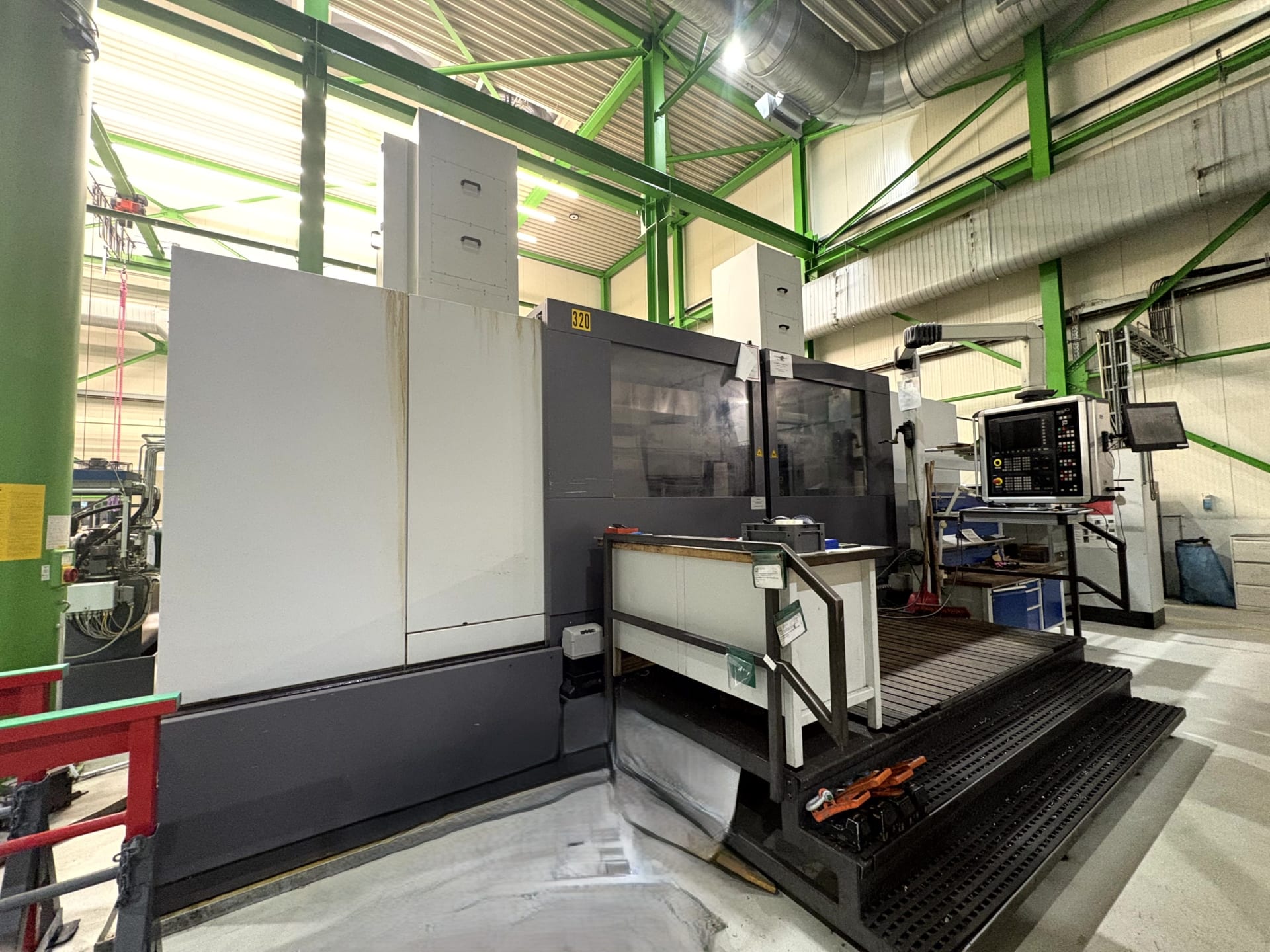
Depending on weight, size and installation, foundation work, a crane, forklifts and special transport may be needed. According to the listing, the DÖRRIES SCHARMANN VCE 3000 / 280 weighs around 60,000 kg, and dimensions and weight shape the entire planning here. Agree in writing who handles disconnection, dismantling, loading and transport and from when the machine is ready for collection.
Operating fluids and connections
Oils, coolants and hydraulic fluids must be drained and disposed of properly before transport. Electrical, pneumatic and hydraulic connections should be disconnected by qualified personnel. Document the condition before removal with photos.
Step 5: Prepare documents and handover
Assemble the documents for each machine: operating manual, diagrams, maintenance records, inspection book and, where available, the declaration of conformity. Use a handover record to state what was sold, in what condition the machine is handed over and who collects it when. This keeps the process traceable.
Step 6: Clear and hand over the site
After removal come clearing and handover of the premises. Check whether foundations, utility connections or installations have to be removed, and agree this with the landlord or the buyer of the property. Document the condition at handover.
When should you bring in help?
For a single machine, an enquiry is often enough. For an entire machine park under time pressure, coordinated handling pays off because valuation, sale, dismantling and logistics are interlinked. If the company is in insolvency proceedings, special rules apply to realising assets. Agree this with the insolvency administrator or your legal adviser. This article is not legal advice.
How ReMach supports a business wind-up
ReMach supports companies with business wind-ups, machinery realisation and dismantling. The process on the business wind-up page has five steps: initial consultation, valuation and planning, realisation of the machine park through the buyer network, dismantling and logistics, and clearance and handover. If you only want to sell individual machines, see machinery purchase. An overview of all services is available under ReMach services.
Currently in stock
Three examples of how different machinery and equipment can be in a realisation:
DÖRRIES SCHARMANN VCE 3000 / 280 CNC vertical lathe: built 2014, Siemens SINUMERIK 840D SL, table diameter 2,800 mm, weight around 60,000 kg according to the listing.
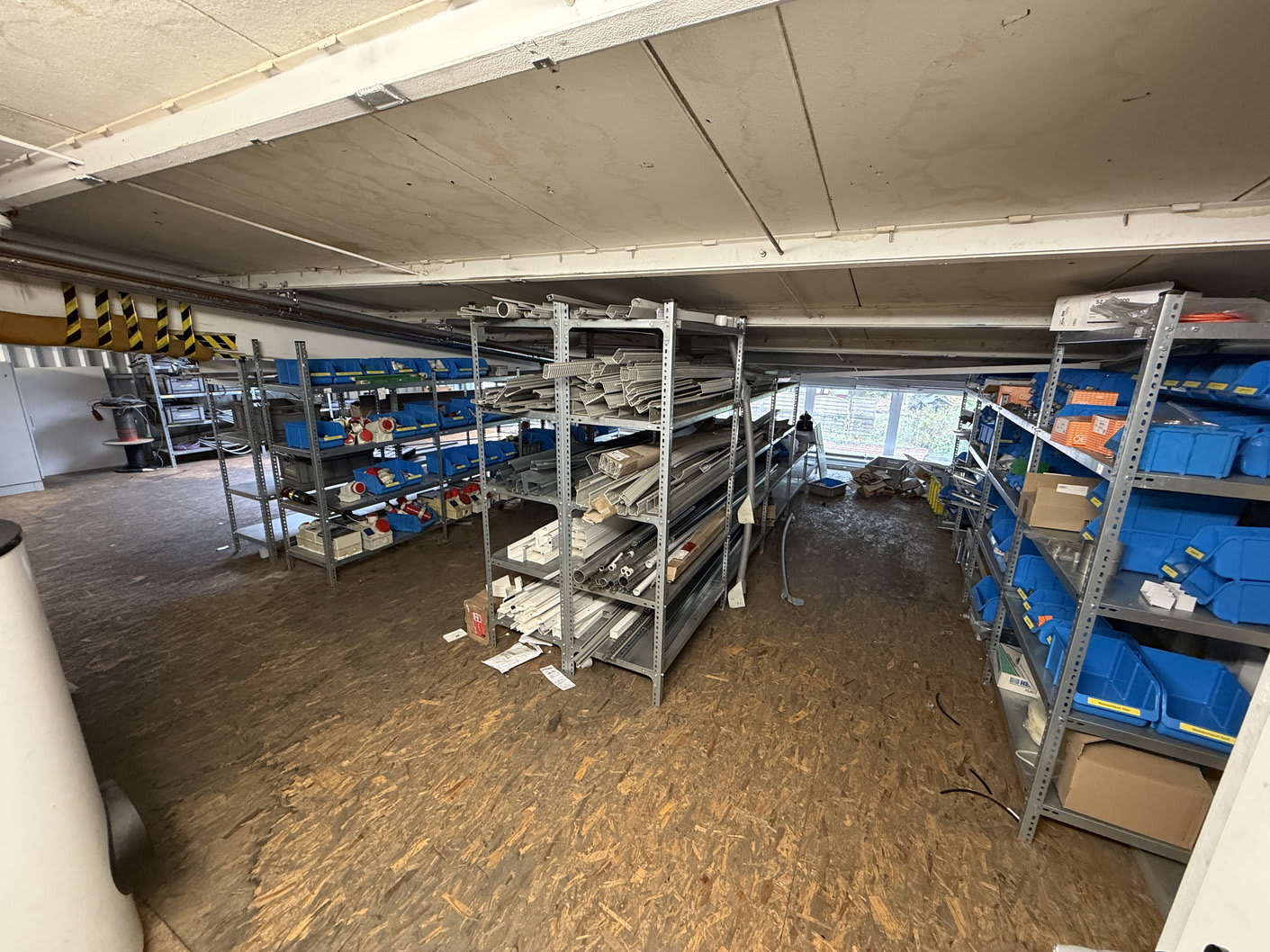
Pallet rack: two units, each around 7 m long and 4.15 m high, in working order according to the listing.
Shelving units: five shelves including contents (electrical accessories), details in the photos of the listing.
Frequently asked questions about winding up a business
How do I start realising machinery?
With a complete inventory list: manufacturer, type, year of manufacture, serial number, condition and photos for each machine, plus a photo of the nameplate. After that, you can value the inventory, choose a sales route and plan the dismantling. The earlier the list is ready, the better schedules and responsibilities can be set.
Can I sell an entire machine park?
Yes, that is possible. Whether individual sales or a package sale makes more sense depends on machine type, schedule and demand, and the location also plays a role. ReMach describes on its website support from single machines up to a complete machine park. Clarify the scope in the initial consultation.
Who handles dismantling and transport?
The parties agree this case by case. Record in writing who handles disconnection, dismantling, loading and transport and from when the machines are ready for collection. Record handover and acceptance in a protocol. ReMach supports dismantling planning, loading and transport coordination.
What applies in insolvency?
In insolvency proceedings, special rules apply to realising assets. Who may sell machinery and how, you clarify with the insolvency administrator or your legal adviser. A machinery valuation and documentation of the inventory help prepare that discussion. Do not sell on your own before that is clarified. This is not legal advice.
Next step
Is a business wind-up or site closure coming up? Describe your project on the business wind-up page or talk to the ReMach team directly. Phone: +49 2196 7050573.