
Compressor Management System
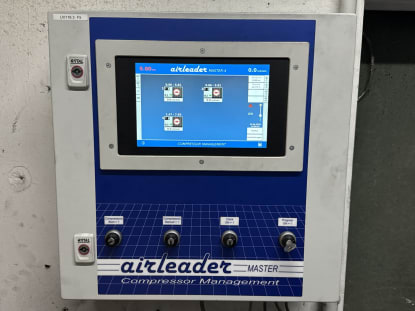
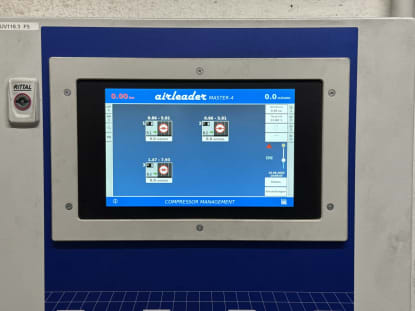
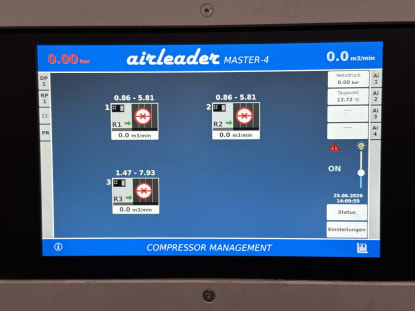
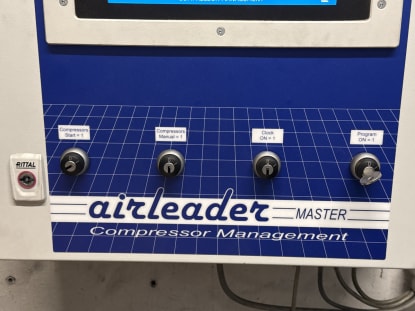
- Storage Number
- 26007-1406
- Machine type
- Compressors
- Manufacturer
- AirLeader
- Location
- Laichingen, Germany
- Availability
- immediately
- Price
- Auction item
- Dimensions (LxWxH) approx.
- 500 x 210 x 500 mm
- Weight approx.
- 10 kg
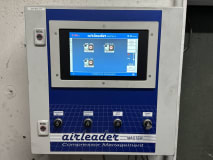
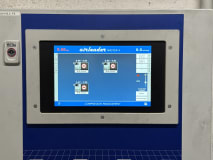
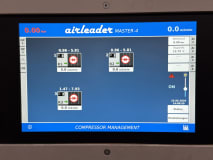
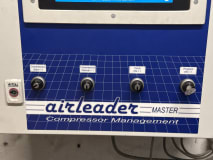
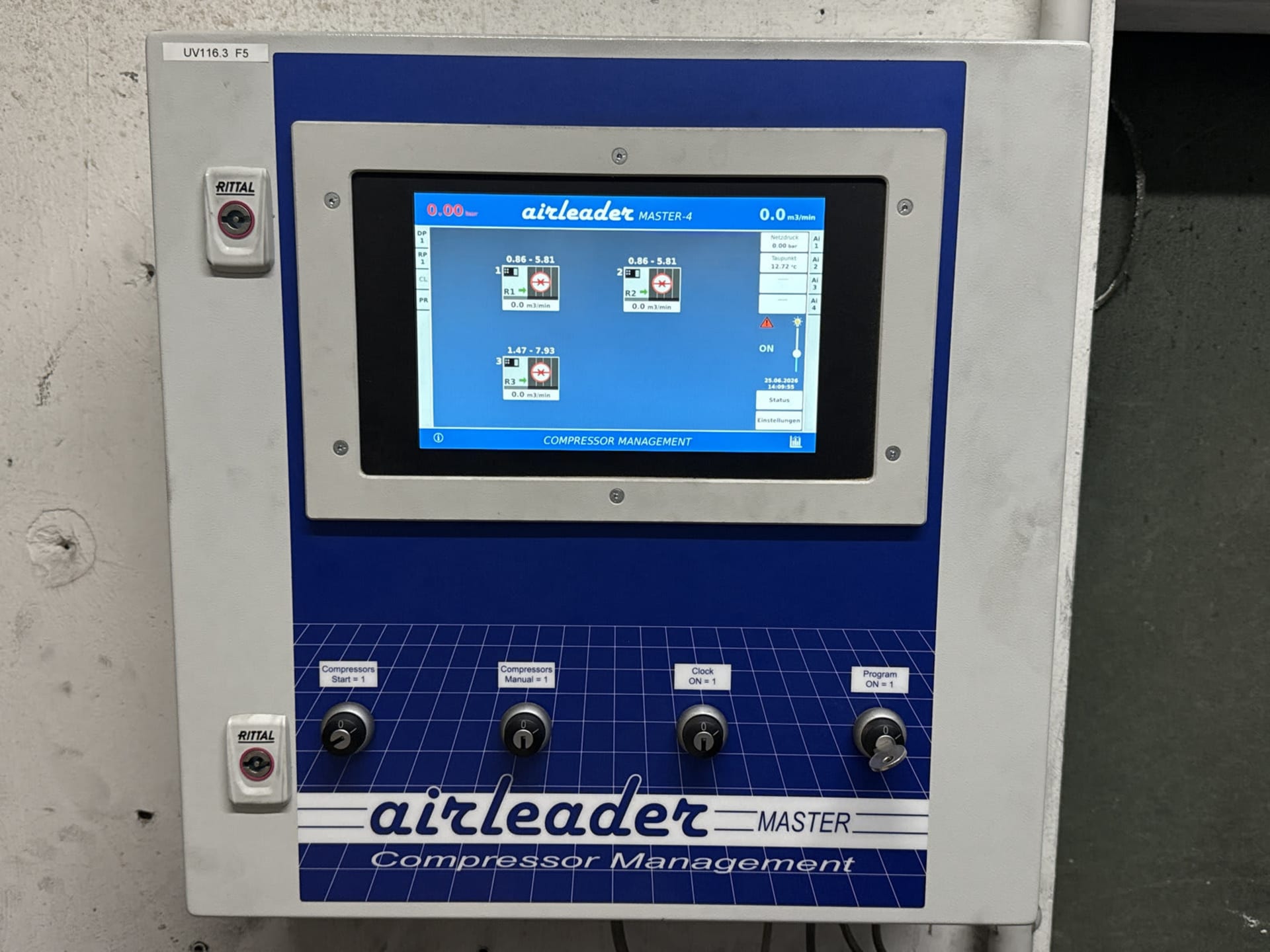
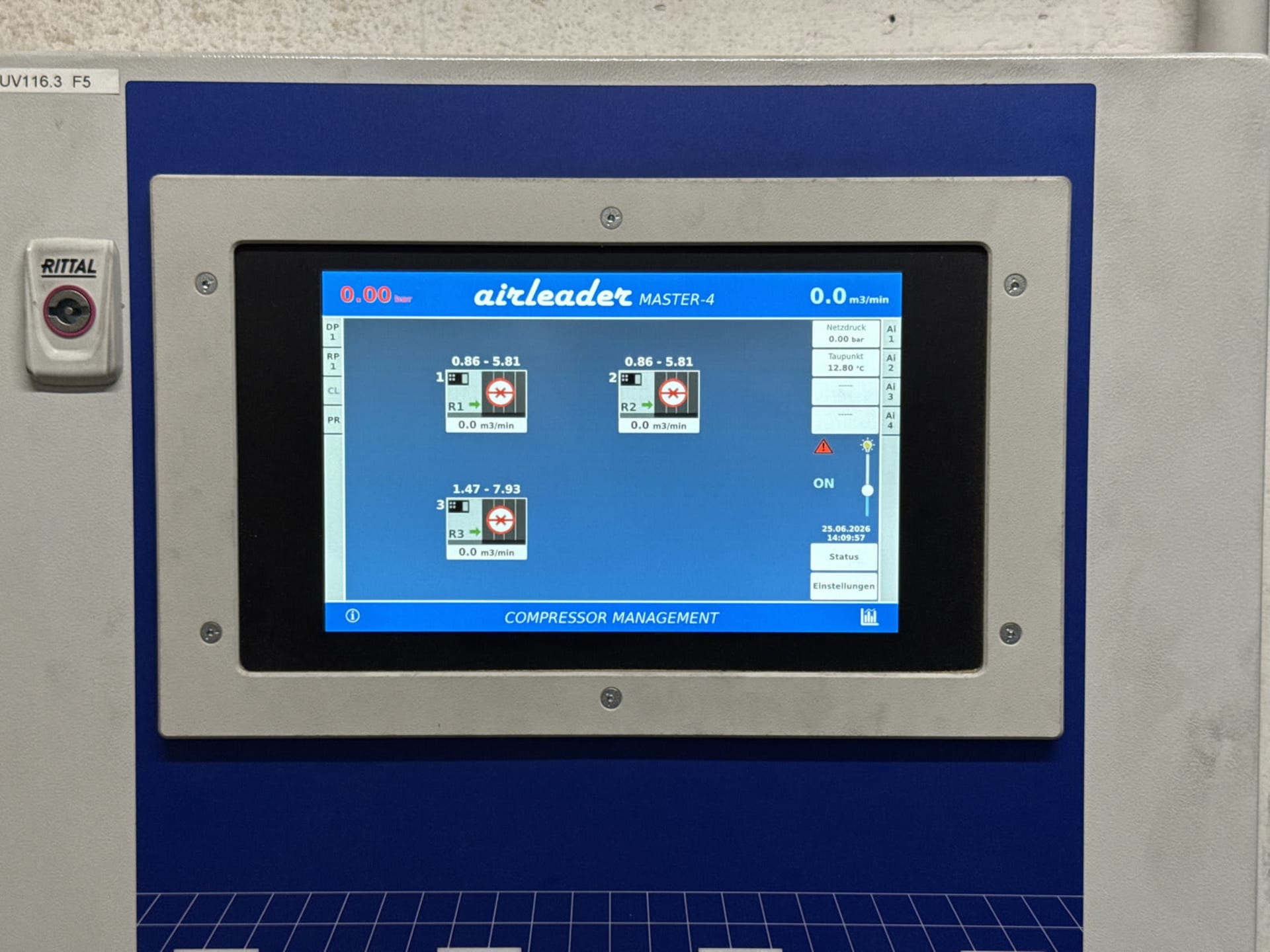
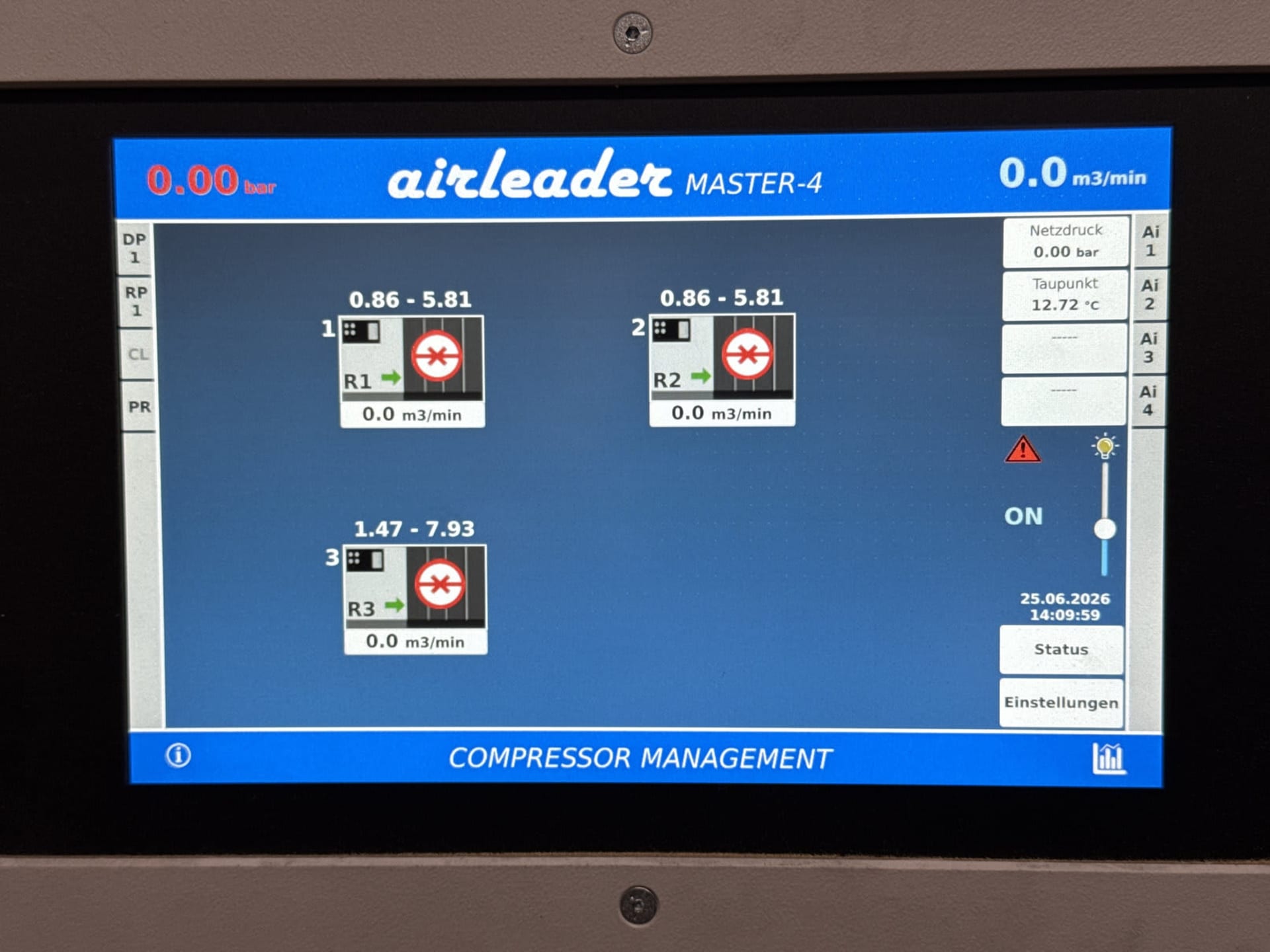
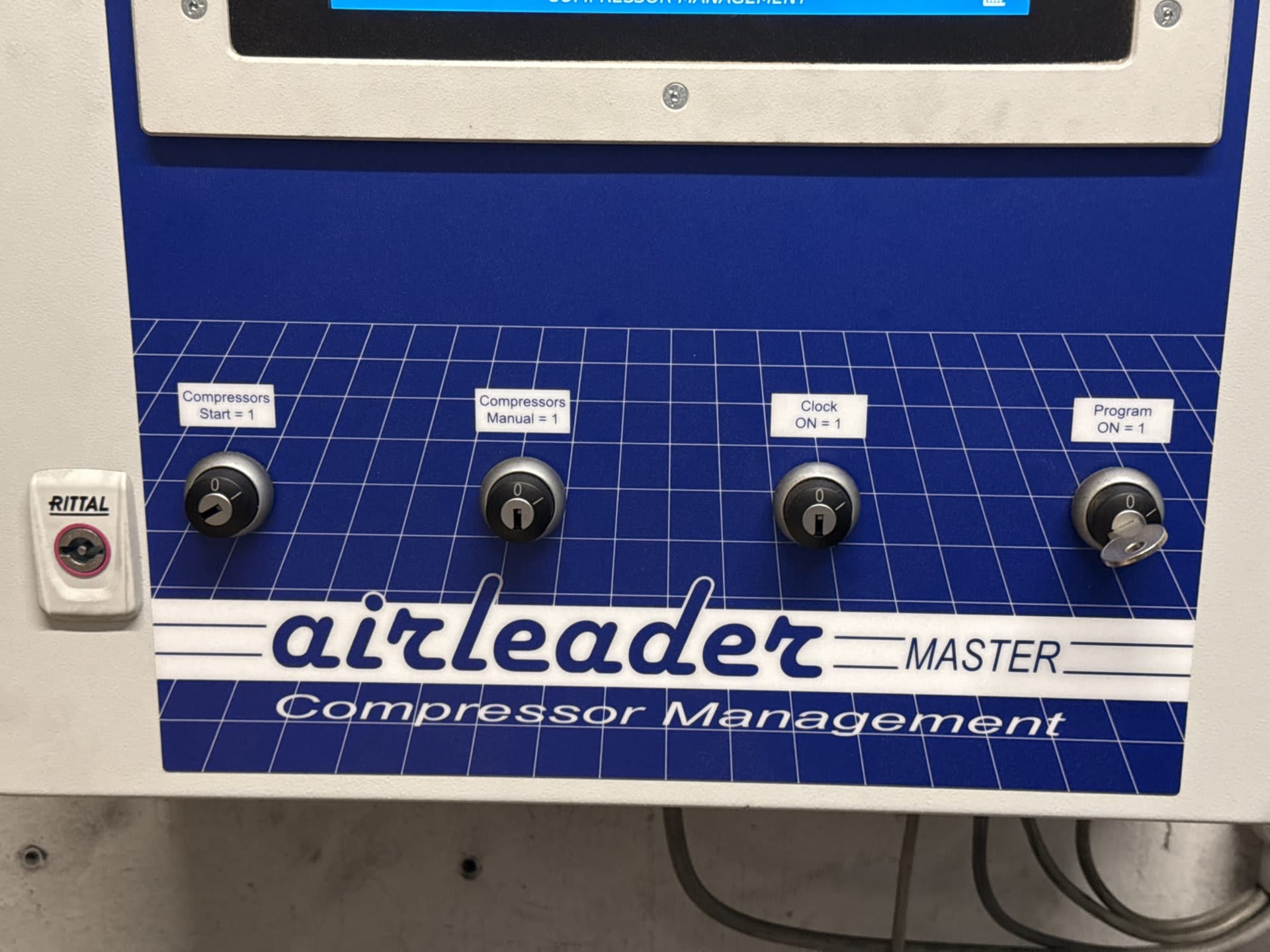
- Compressor control for compressed air generation, independent of compressors, operable up to 32 compressors, to increase efficiency and minimize wear and increase operational safety, Type: Master-4; further details see photos
- Dismantling Costs
- €95 - binding
- Transportation costs
- not included
- Terms of delivery
- Loaded on truck
- Terms of payment
- to be agreed upon

Our Services
- Inspection & report
- Disassembly & installation
- Global logistics
- Customs & paperwork
- Sourcing & valuation
- Personal consultation
Related items


1. What Is a Compressor? Definition & Industrial Uses
A compressor is a machine – either mobile or stationary – that compresses air or gas to increase its pressure. These machines are an integral part of the processing industry and are found in virtually every industrial workshop. Stationary models are typically installed in factories and production facilities, while mobile units offer greater flexibility and are well suited to construction sites and other off-site applications.
2. Industrial Compressors: Applications & Types Explained
Industrial compressors play a central role in modern manufacturing by converting air into a controlled source of pneumatic energy. This energy powers a wide range of production machines and automated systems across virtually every industry.
Beyond driving pneumatic equipment, compressed air serves several other important functions. It is used to pressure-test weld seams on aggregates and boilers – the system is sealed, submerged in water, and inspected for leaks. In surface finishing and painting, compressed air enables even, controlled spray application. Stationary refrigeration units also rely on compressors as a core component, and compressed air is widely used for cleaning machinery and workplaces efficiently.
Available as mobile or stationary units to suit different operational needs
Key types include reciprocating compressors and screw compressors, each with distinct performance characteristics
Primary application is supplying pneumatic energy to production and automation equipment
3. How Compressors Work: Piston vs Screw Types
A compressor consists of an electric motor, a compressor unit, and a storage tank for compressed air. There are two main types of compressor units: piston compressors and screw compressors. Piston compressors draw air into a cylinder and compress it into a tank, making them the most widely used design worldwide. Screw compressors, by contrast, use two counter-rotating screws to compress air before storing it in a tank. While piston models remain common, screw compressors are increasingly preferred – they operate more quietly and offer greater durability due to their reduced number of moving parts.
4. Compressors: Key Advantages and Disadvantages
Compressed air is one of the most versatile energy sources in industrial settings. As a relatively safe form of energy, it poses minimal risk under normal operating conditions – though all personnel should be made aware that compressed air should never be directed at the body. Its applications are wide-ranging: compressed air is particularly effective for cleaning machinery, as the turbulent airflow can penetrate even the most inaccessible crevices. In high-purity environments, filtered and purified compressed air is often the only viable cleaning method.
On the downside, compressed air ranks among the most expensive forms of energy in industrial use. The reason lies in the conversion process itself: electrical energy is first transformed into mechanical energy, which is then used to compress air. Because air is a compressible gas, a significant proportion of the energy is lost in transmission – especially over longer distances. While compressed air remains indispensable in modern manufacturing, intelligent energy management can substantially reduce operating costs. In many facilities, deploying multiple compressors strategically helps avoid lengthy pneumatic lines and the energy losses that come with them.
5. Top Compressor Manufacturers: A Buyer's Guide
When choosing a compressor, the manufacturer matters. Leading names in the industry include ALUP, BLITZ, BOGE, MAHLE, KAESER, ELEKTRA BECKUM, and ATLAS COPCO – all of which have established strong reputations for quality, reliability, and performance. Whether new or used, compressors from these manufacturers are consistently regarded as sound investments for industrial and workshop applications.
6. Used Compressors: Quality Machines at Lower Cost
Finding a quality used compressor is straightforward when you know what to look for. A wide selection of second-hand compressors and compatible accessories is available across the market, and a well-maintained used machine typically delivers performance on par with new equipment – making it a cost-effective alternative for businesses of all sizes.
Compressors are built for durability, with relatively few moving parts that minimise wear over time. This makes buying a used air compressor a sound investment in most cases. Industrial machines can show cosmetic wear after years of heavy use, but external appearance rarely reflects internal condition or functional capability. For this reason, a thorough inspection before purchase is always recommended to ensure the equipment meets your operational requirements.
Frequently asked questions
Purchasing machines through ReMach is simple and transparent. Once you have found a suitable machine or industrial equipment on our platform, we guide you step by step through the entire purchasing process.
After confirming your purchase, you will receive all relevant information regarding payment as well as the next steps, such as dismantling, loading, or collection. Our team can support you with the organizational process if needed, ensuring that the machine purchase is handled smoothly and in a well-planned manner.
ReMach provides a comprehensive service for the purchase and sale of used machines and industrial equipment.
Our services include, among others:
- Organization of dismantling and loading
- Support with the invoicing and payment process
- Export and customs checks
- Preparation of required documents and export paperwork
- Assistance with transport and logistics
- Coordination of a timely and structured transaction
This allows both buyers and sellers to benefit from a complete service solution for industrial machinery trading.
To create an account, click on “My Account” and select Register.
Fill out the registration form and confirm your email address using the activation link sent to you via email. Once confirmed, your account will be activated and you can immediately start browsing offers or submitting inquiries.
No. ReMach is a B2B platform for trading machines and industrial equipment and is intended exclusively for companies and commercial customers.
Registration for private individuals is currently not possible.
In most cases, the buyer is responsible for organizing the transport.
However, upon request, ReMach can check whether transport can be arranged or supported.