
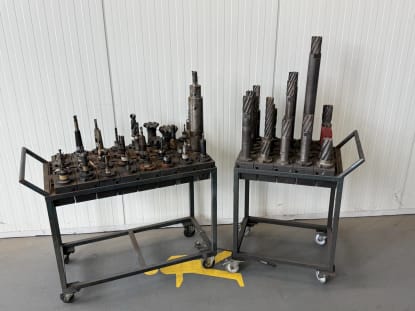
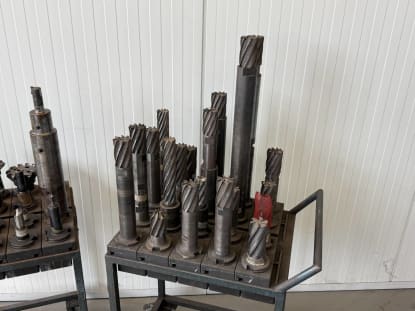
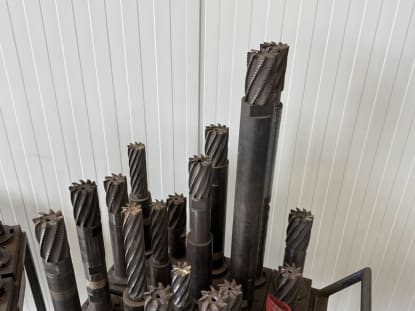
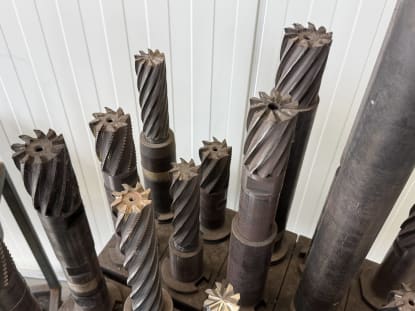
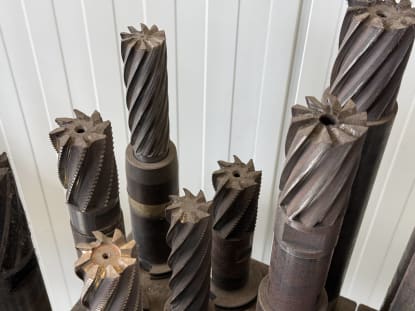
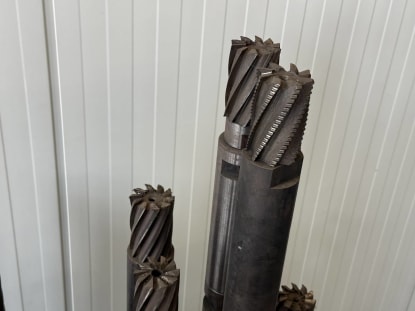
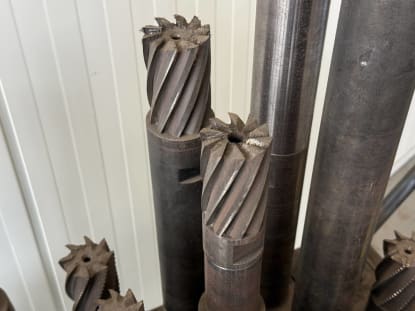
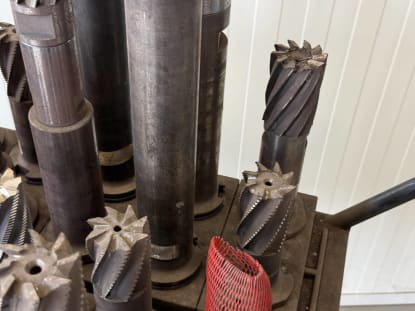
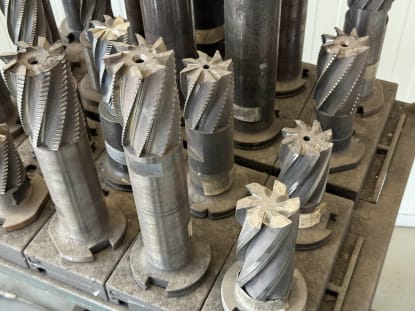
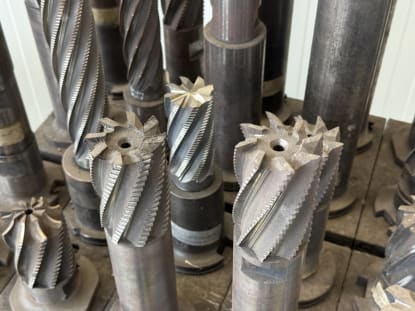
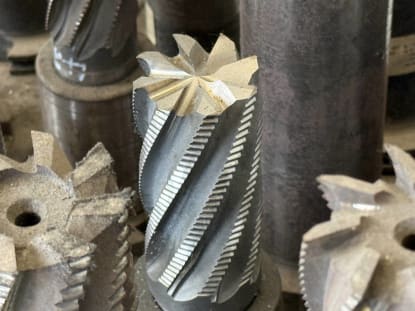
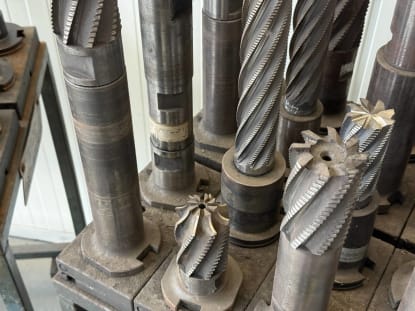
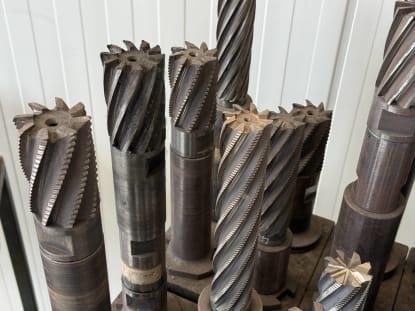
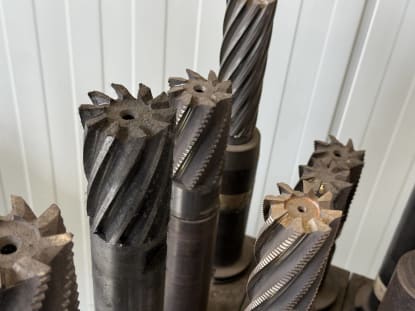
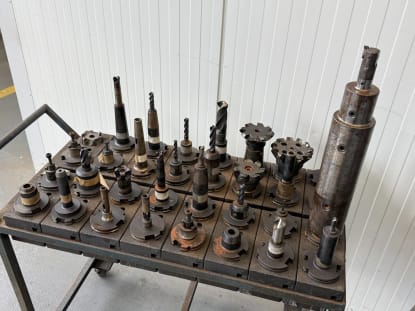
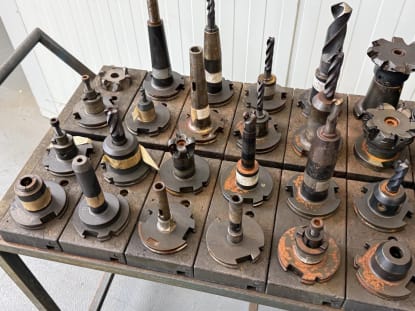
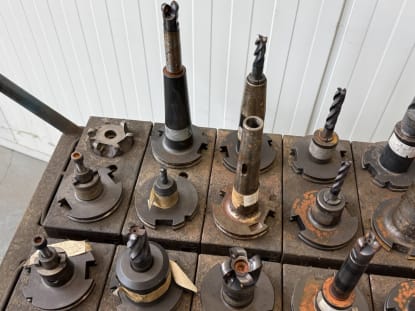
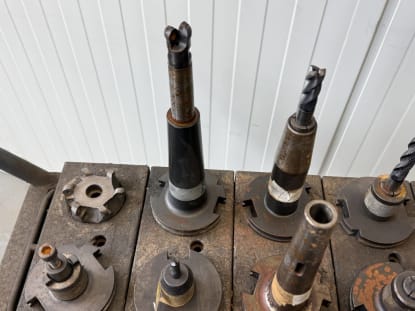
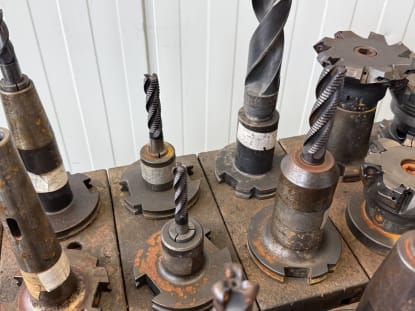
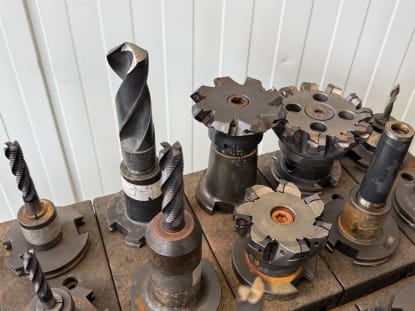
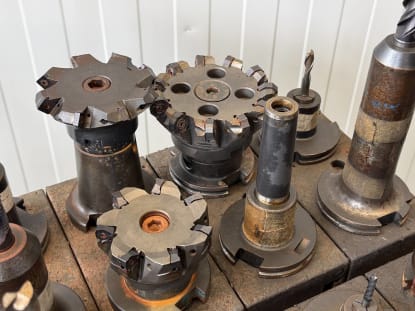
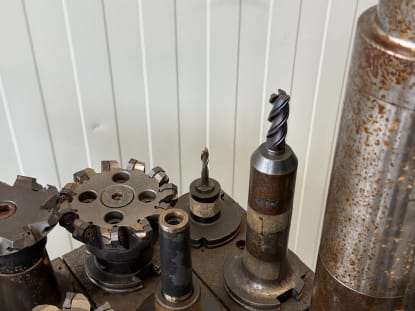
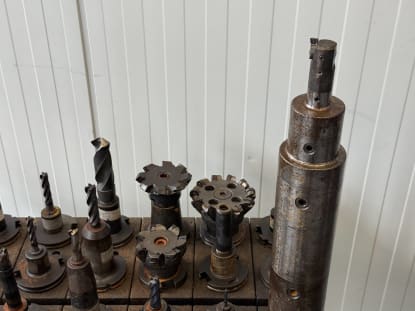
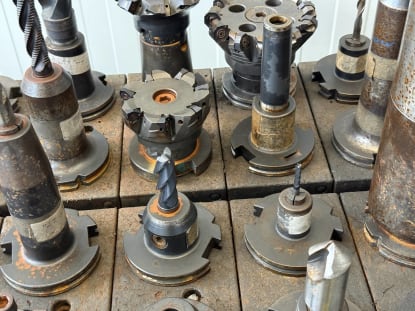
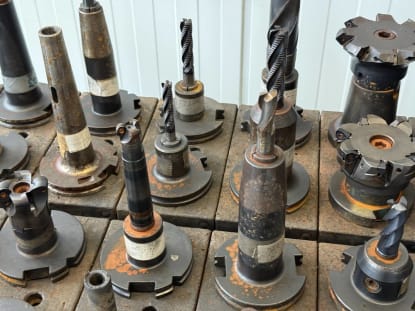
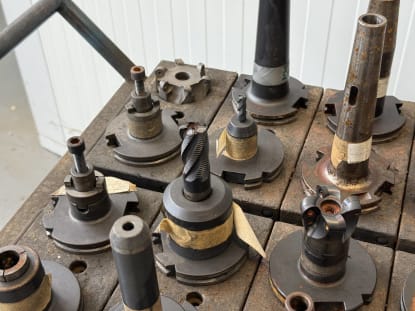
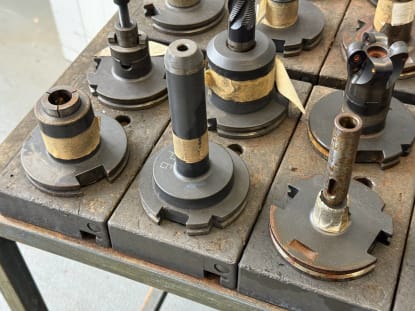
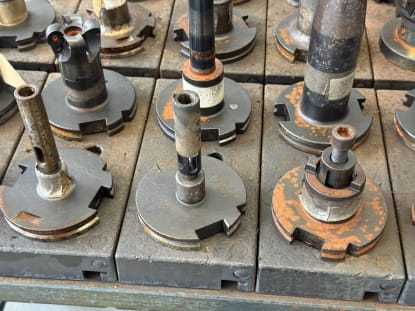
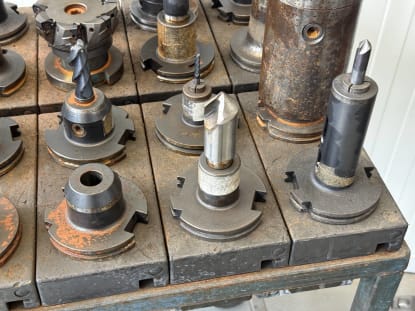
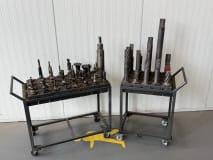
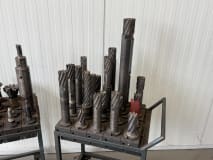
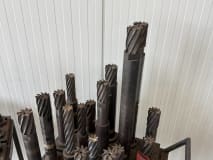
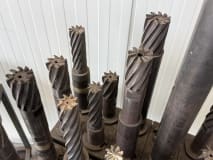
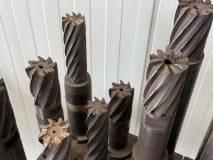
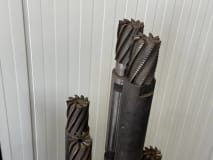
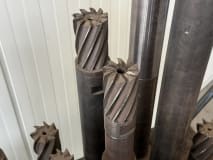
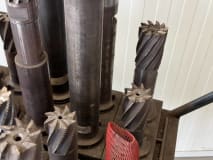
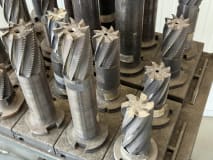
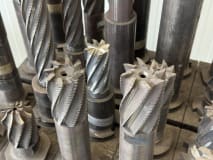
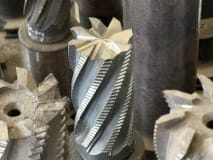
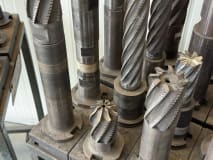
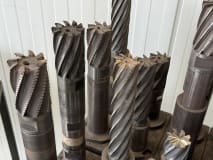
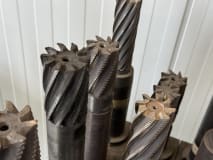
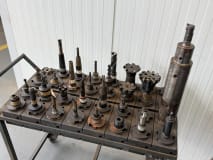
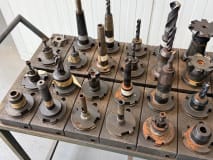
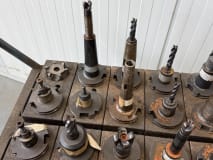
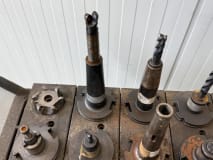
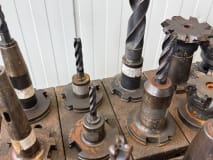
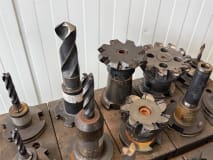
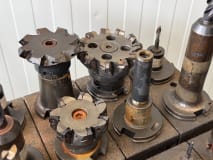
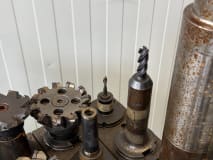
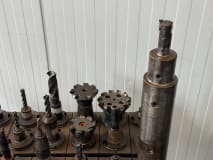
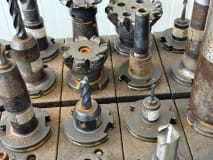
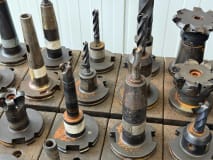
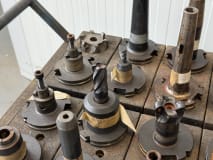
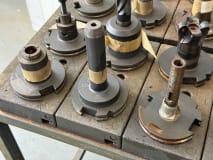
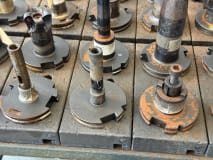
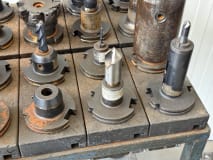
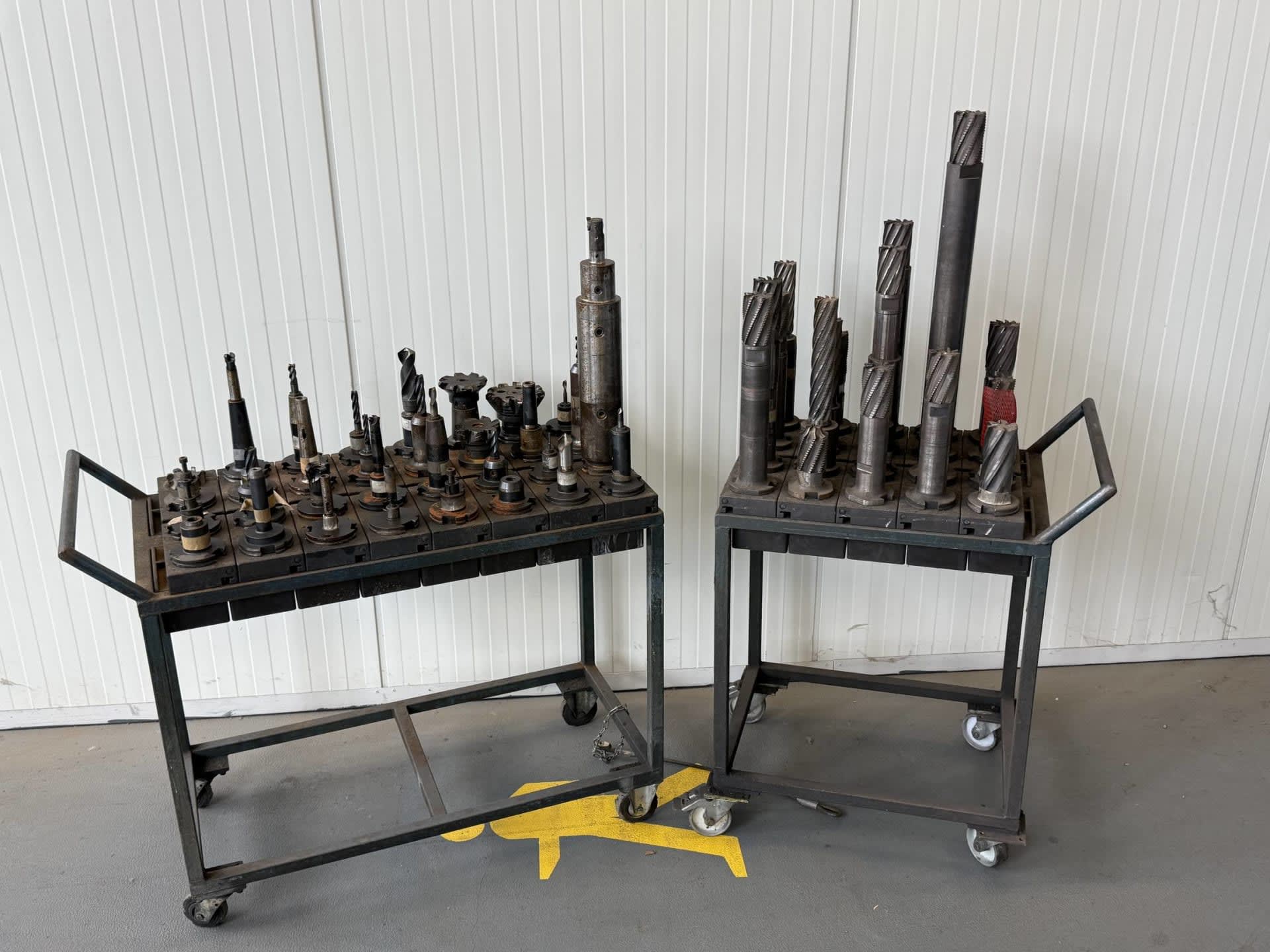
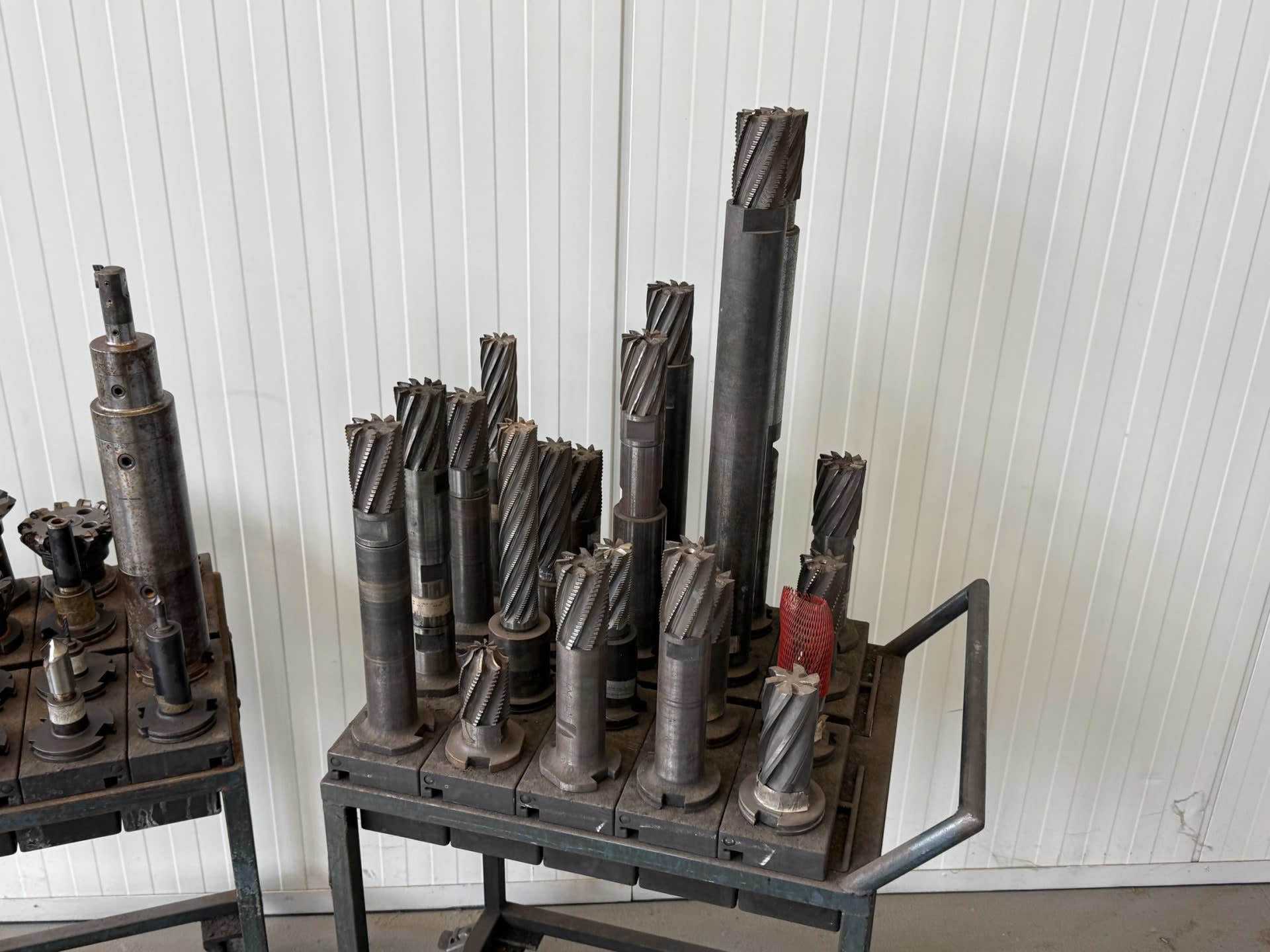
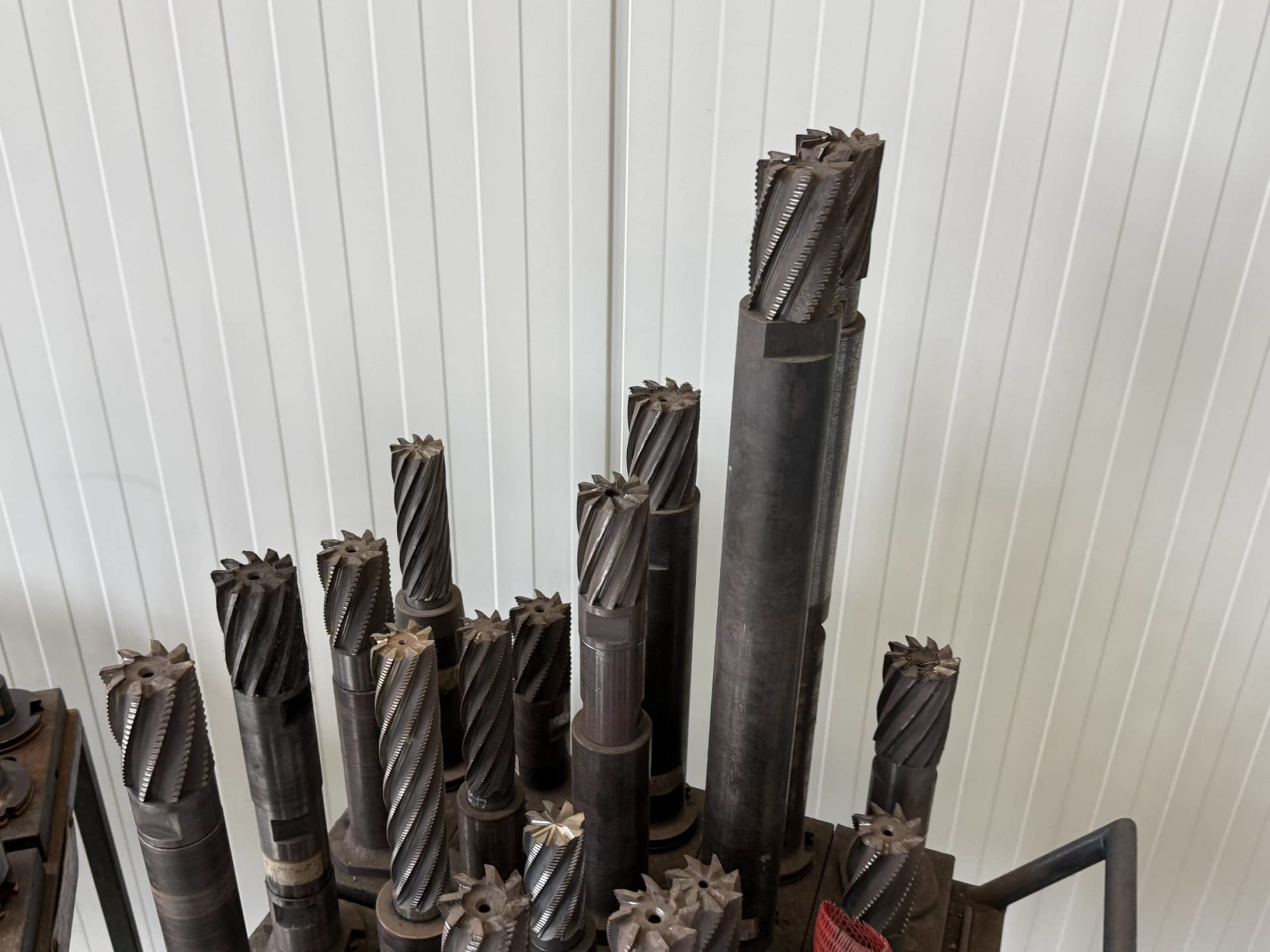
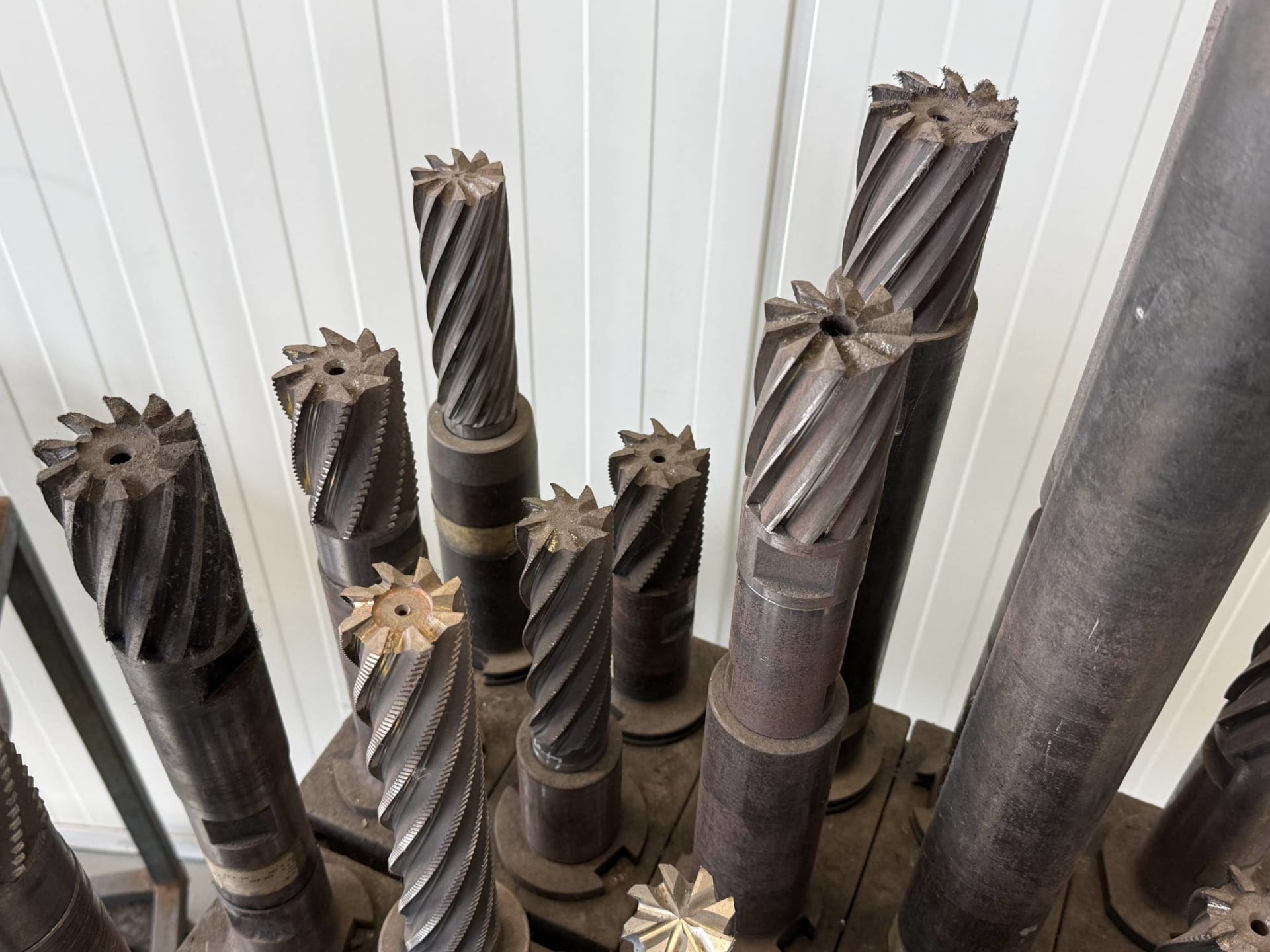
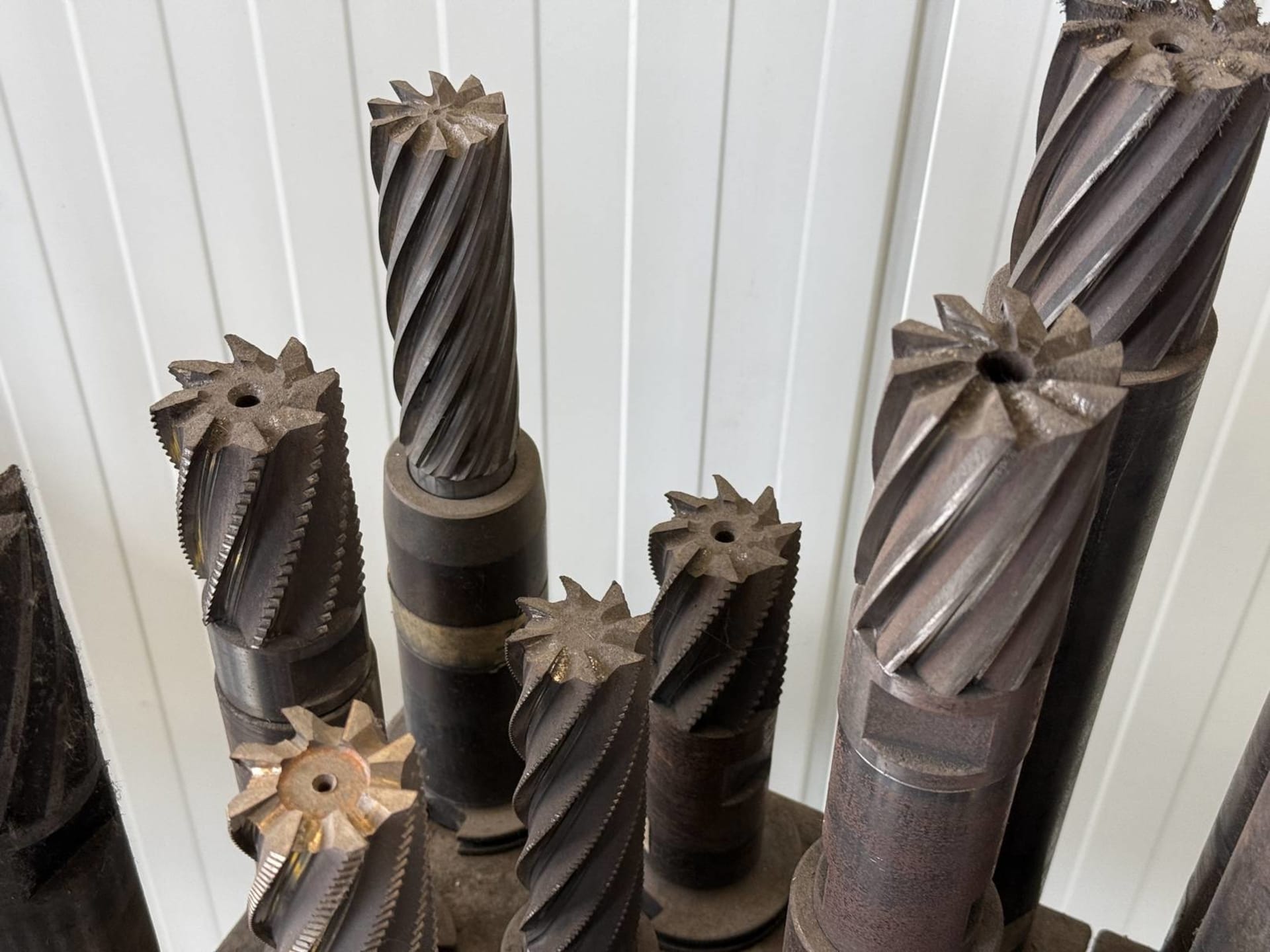
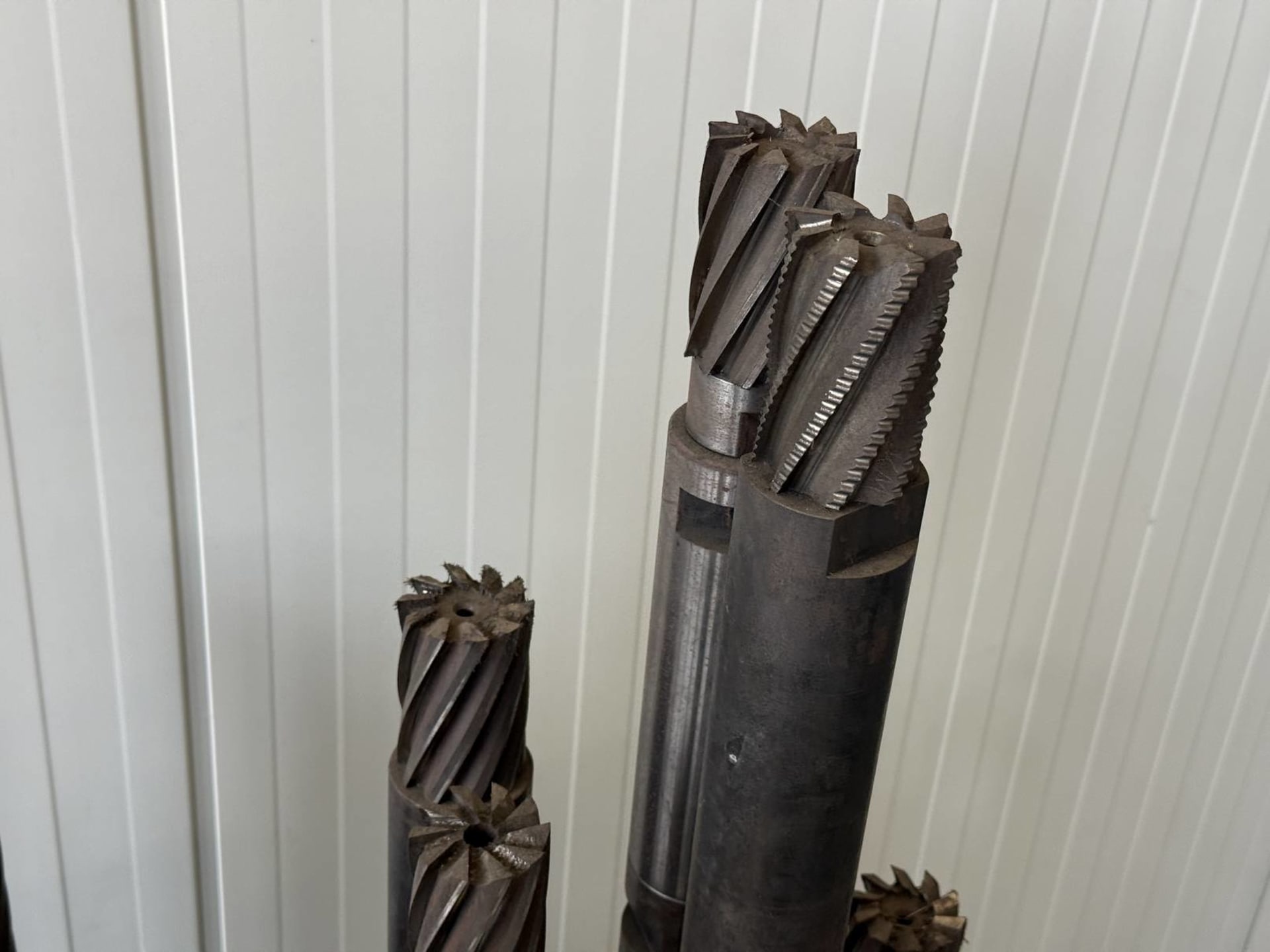
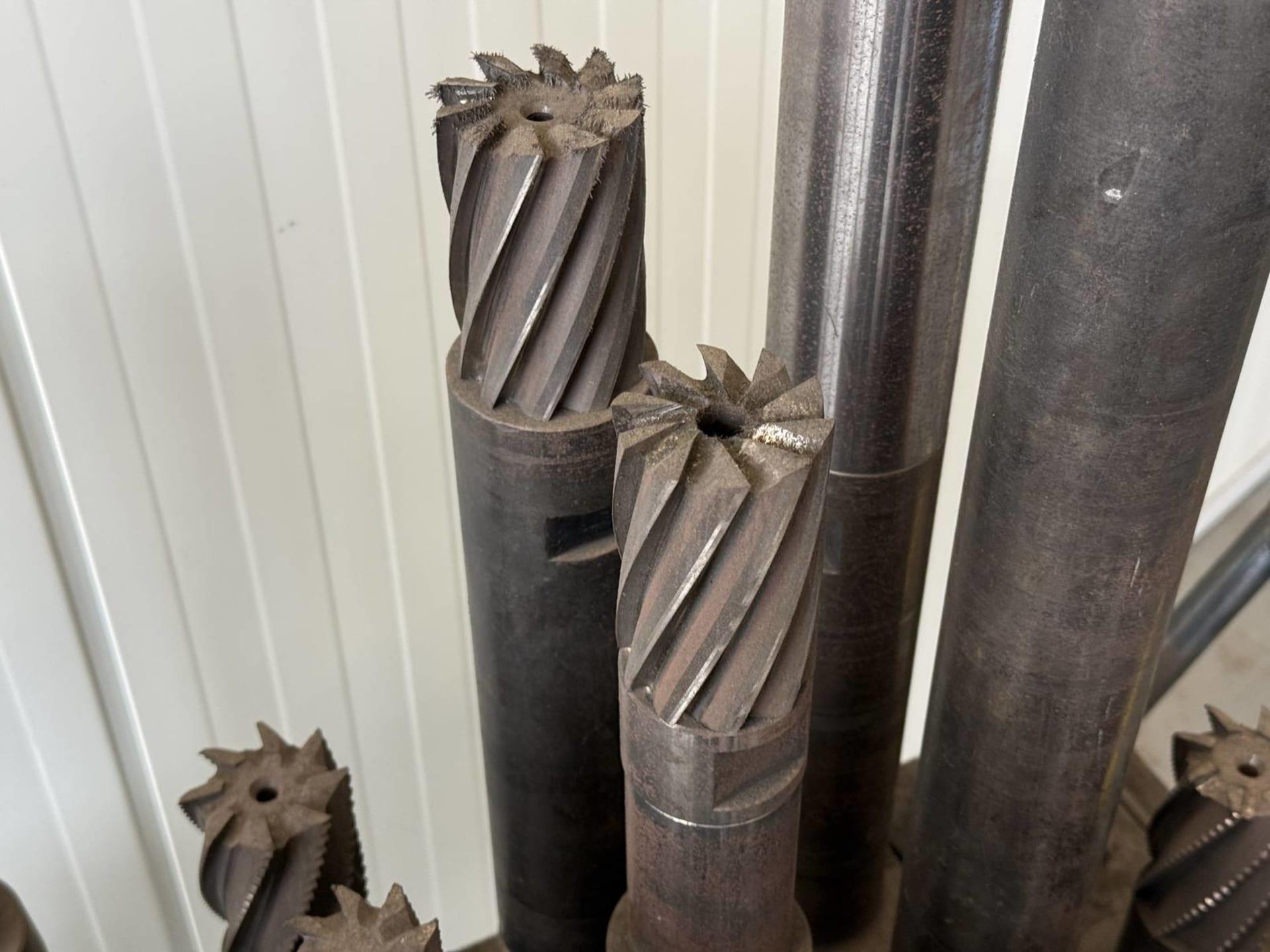
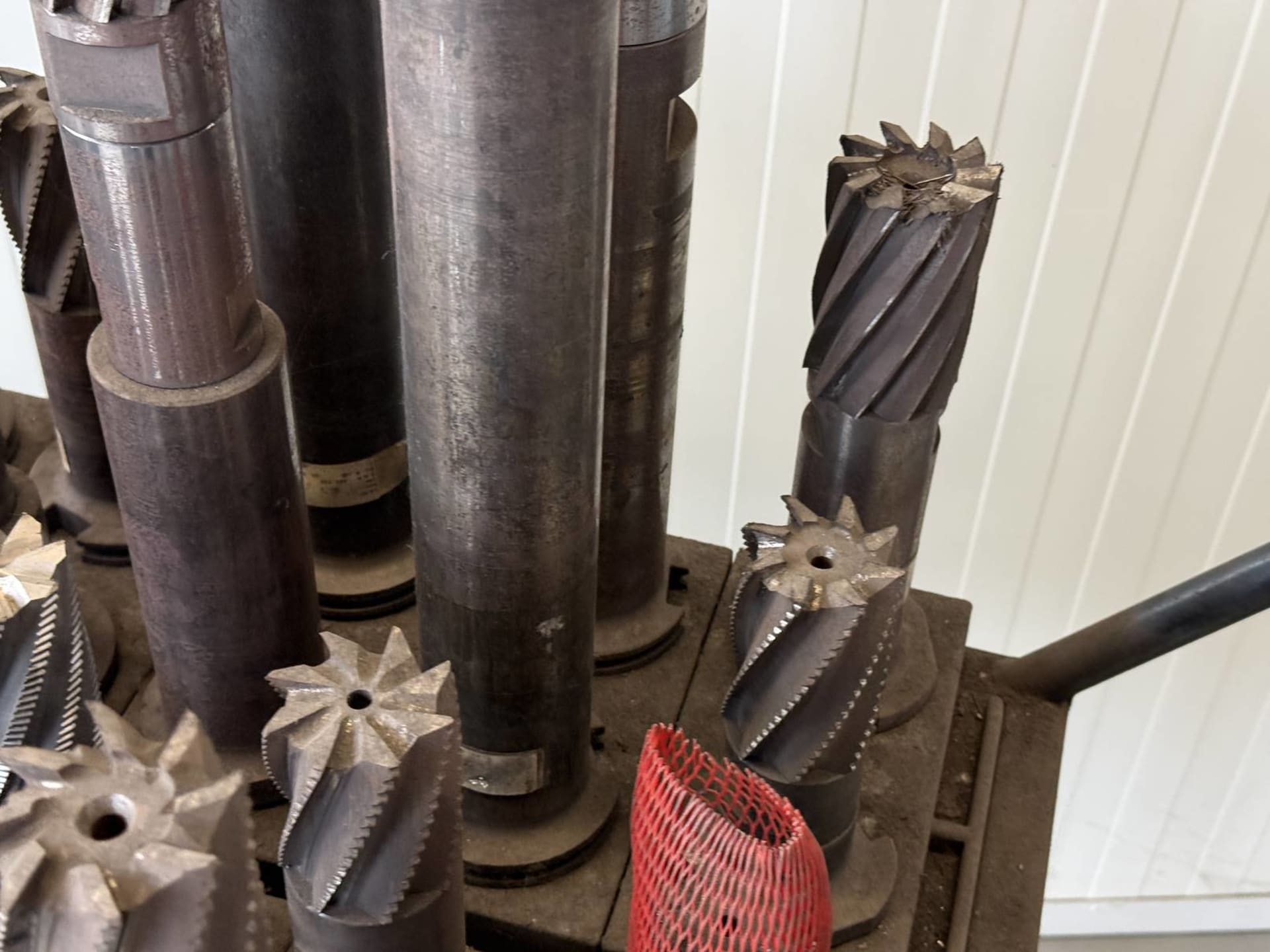
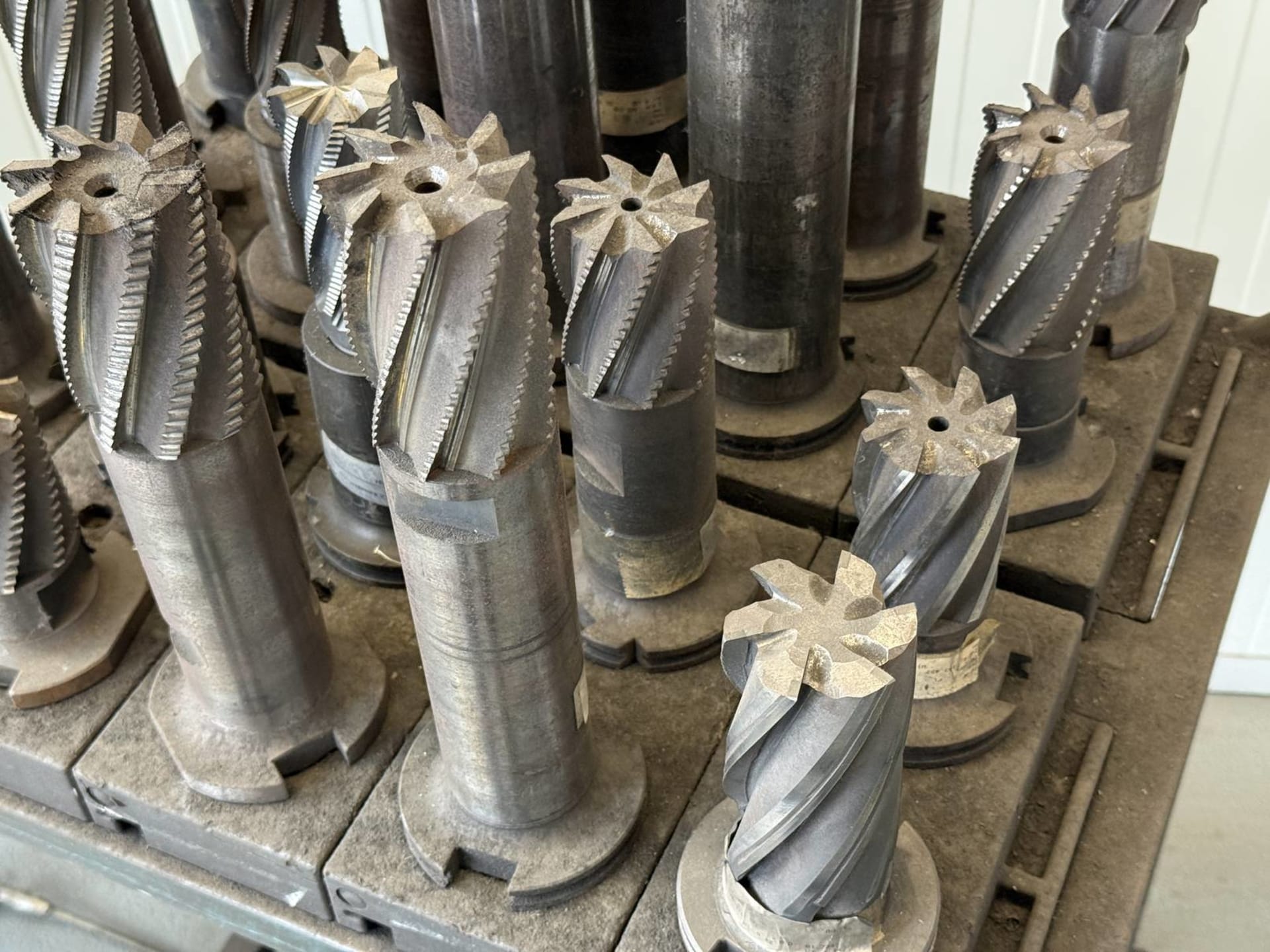
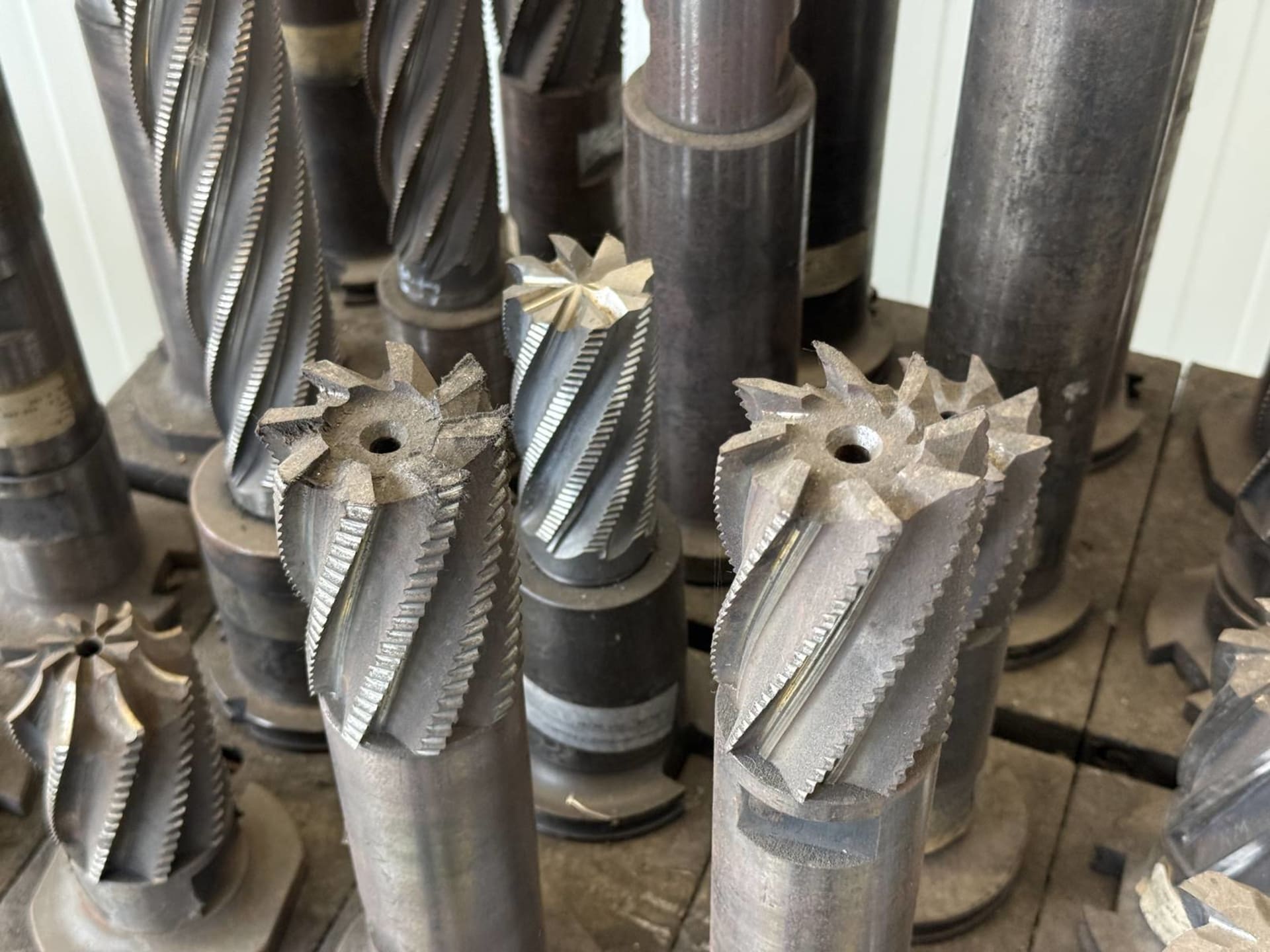
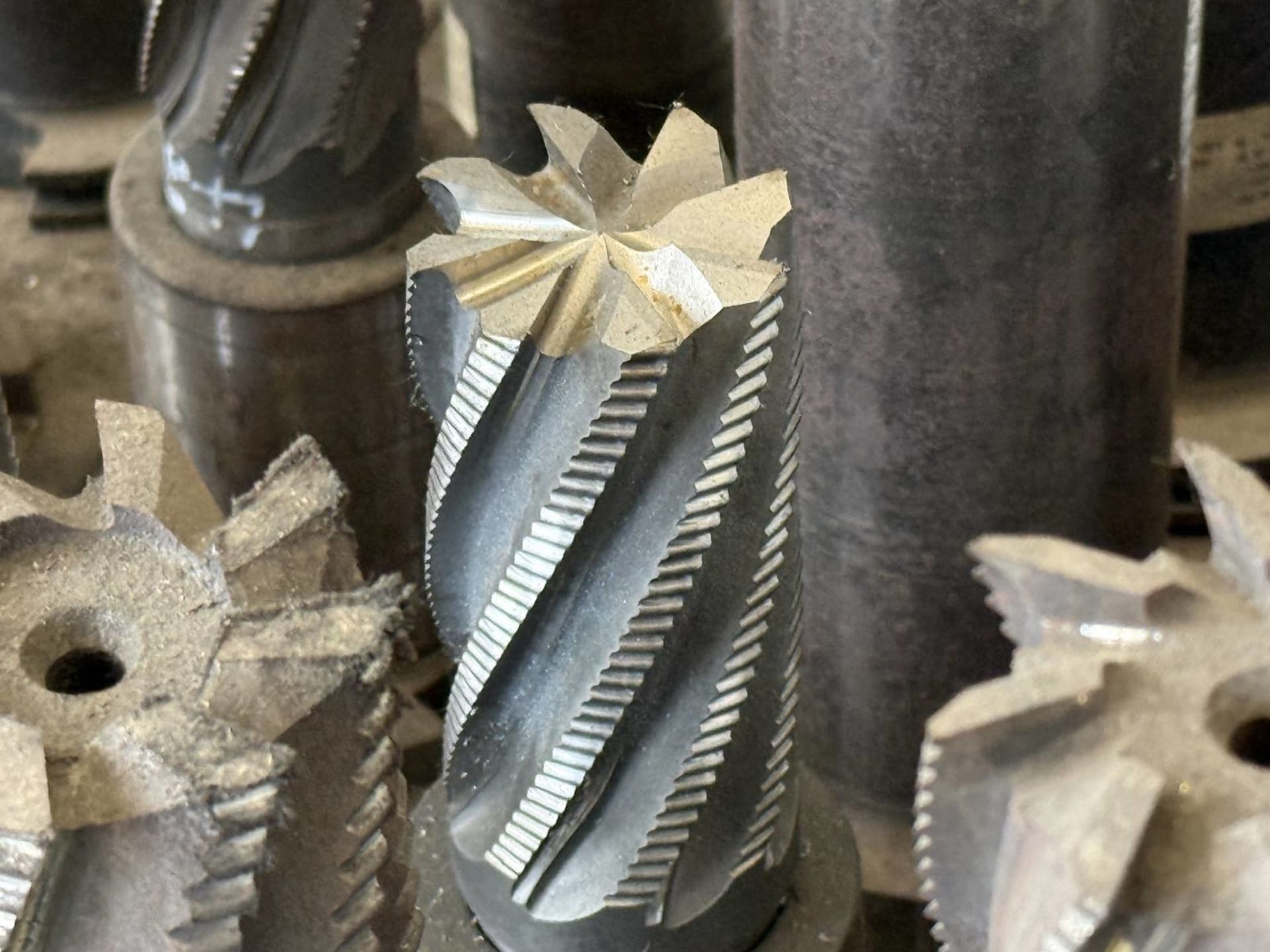
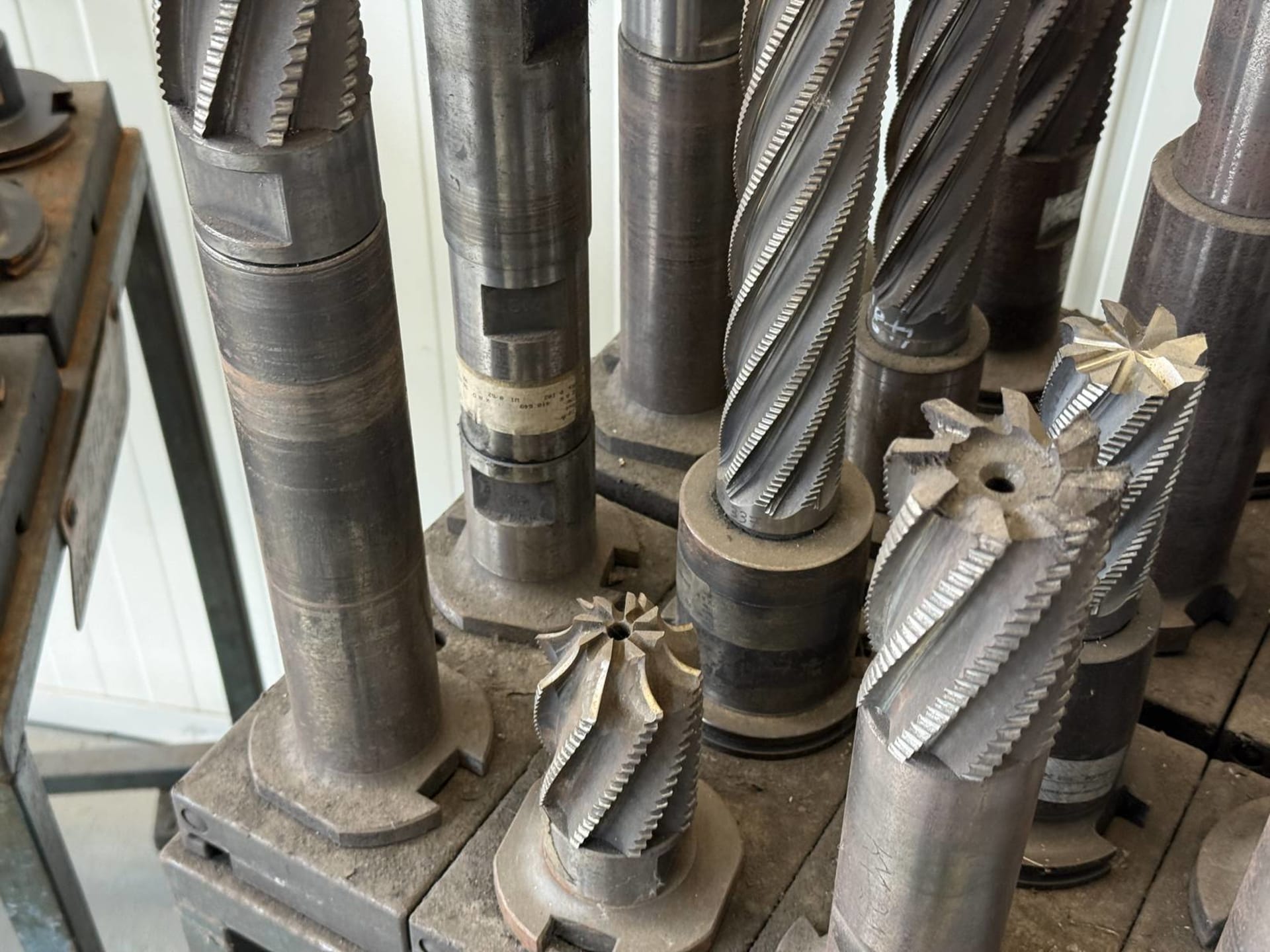
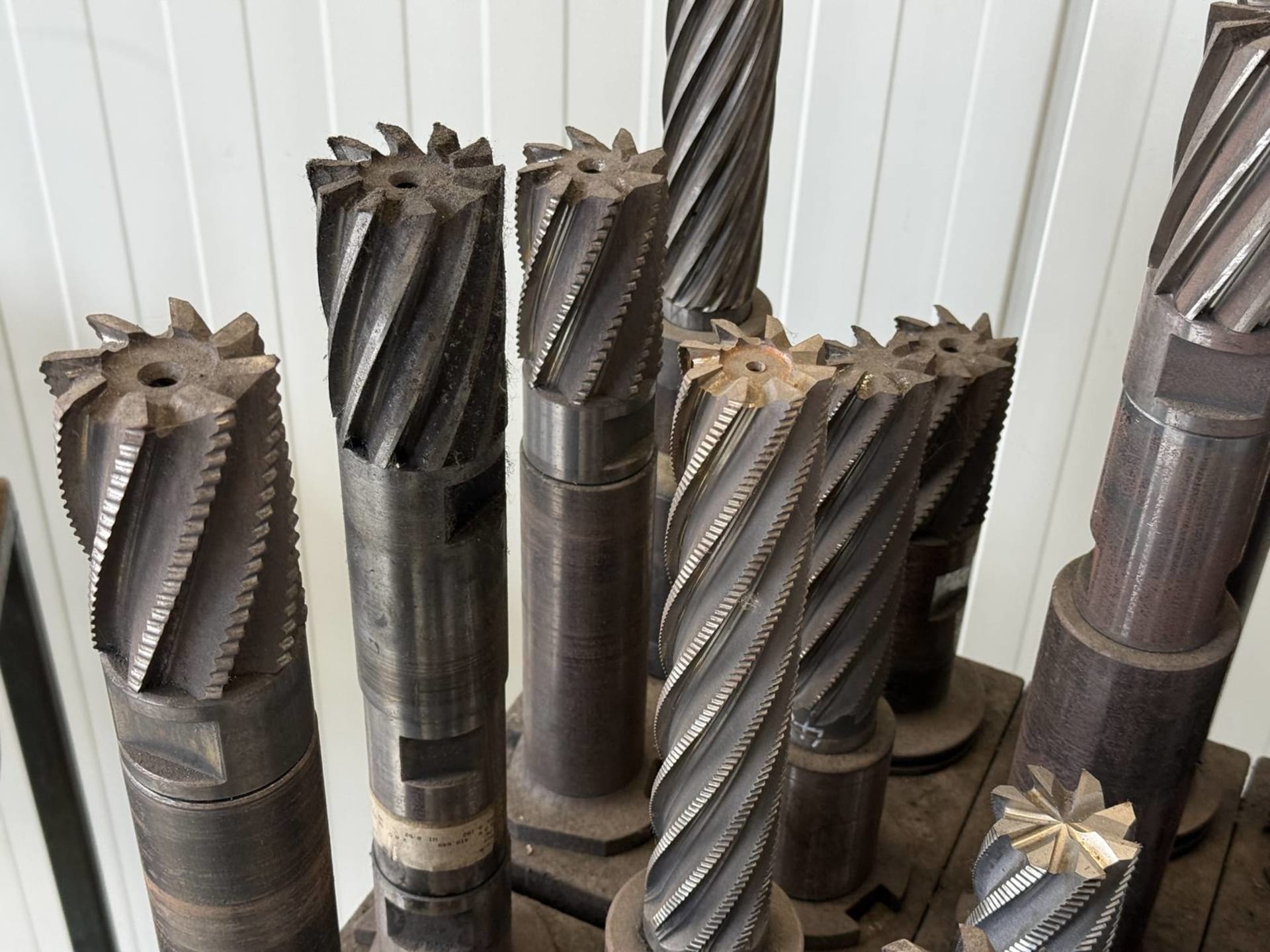
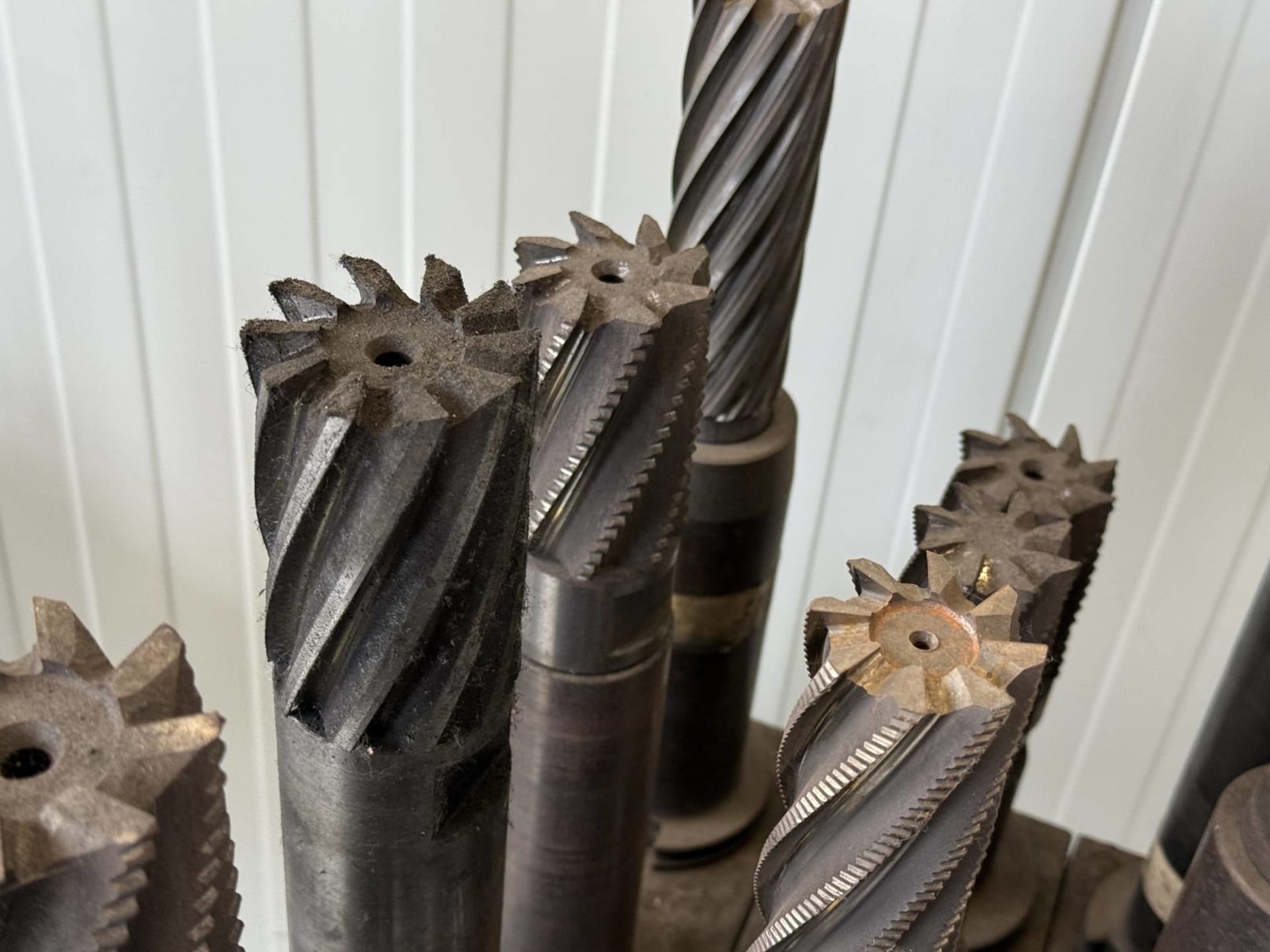
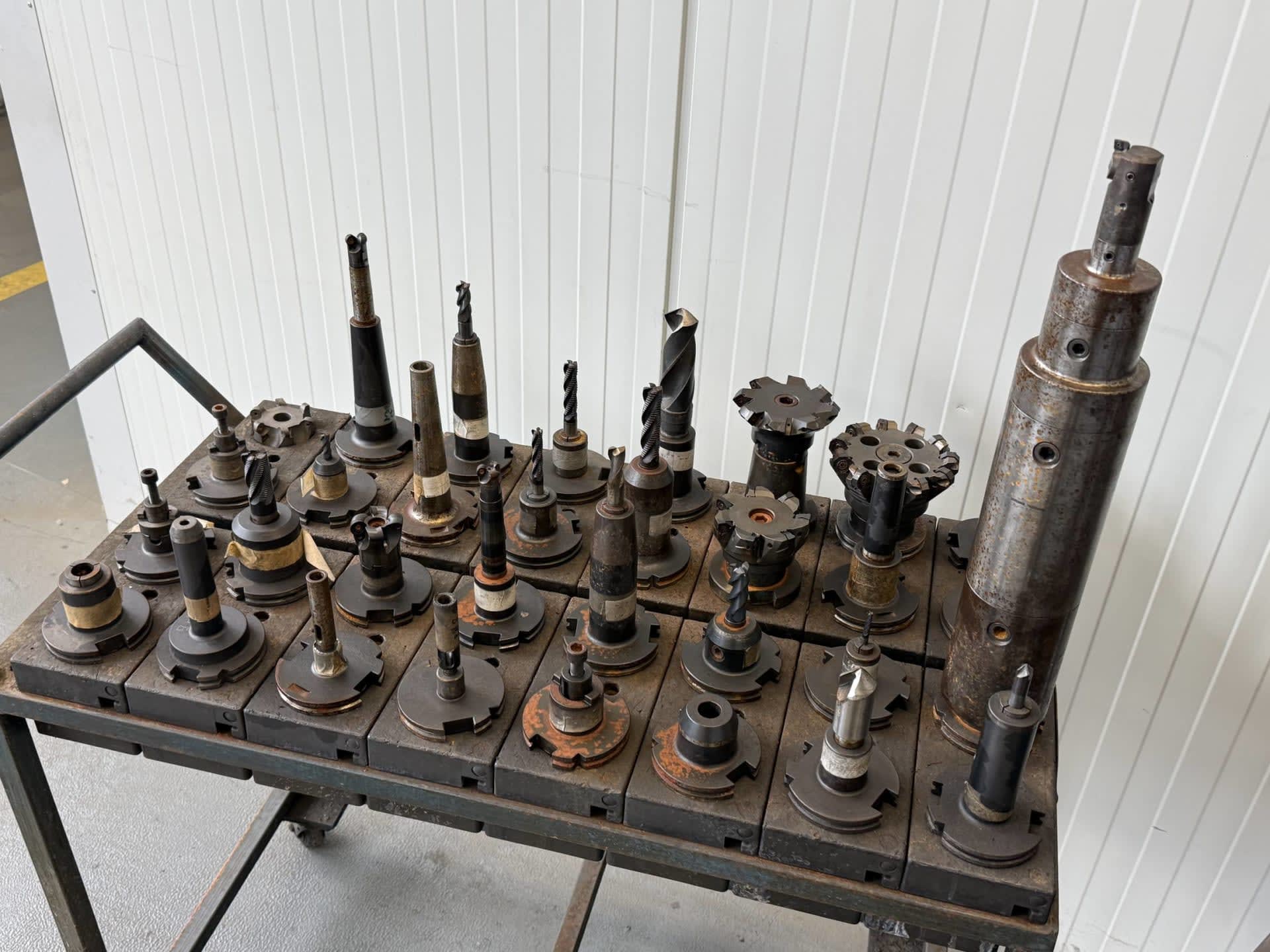
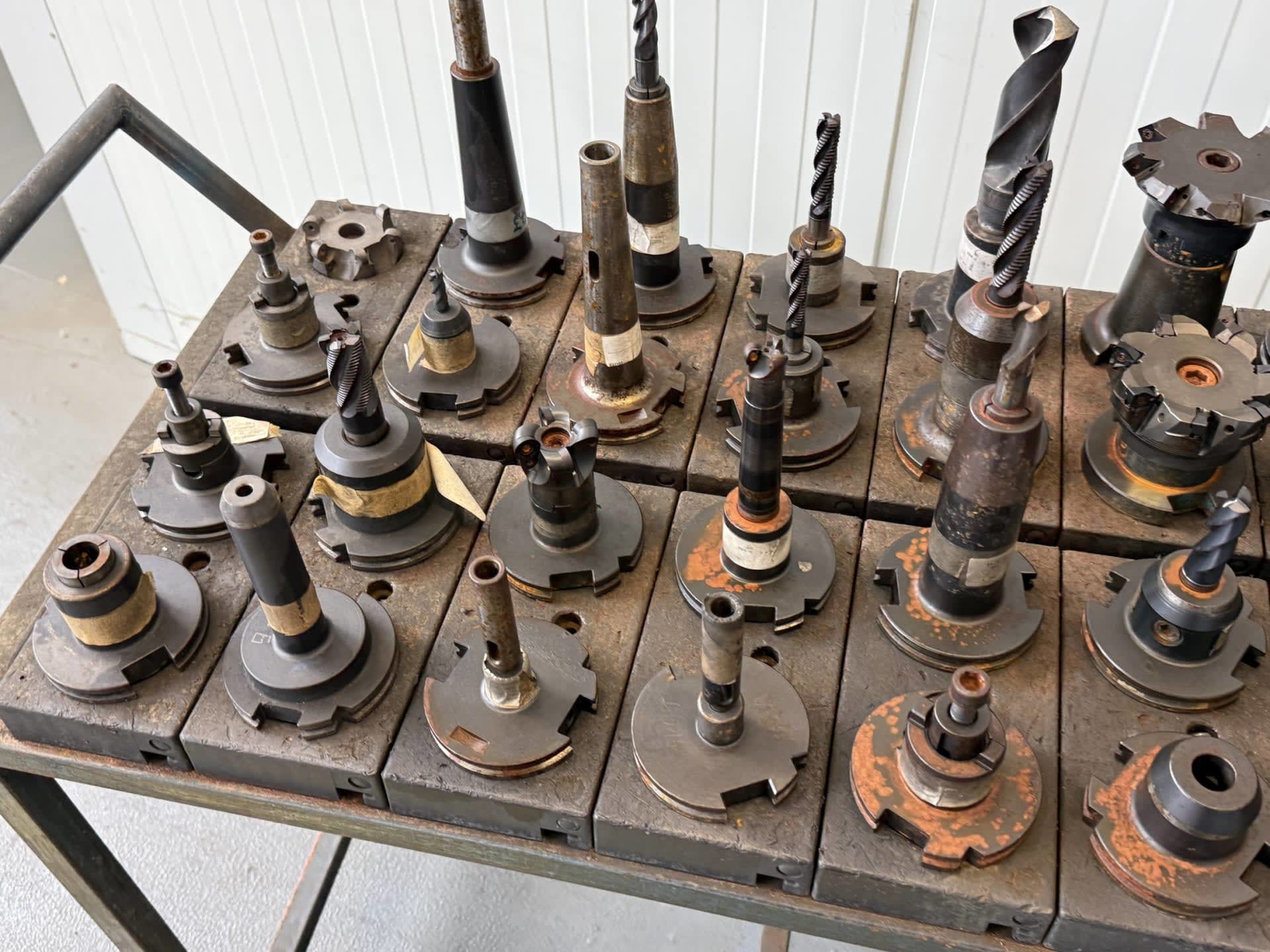
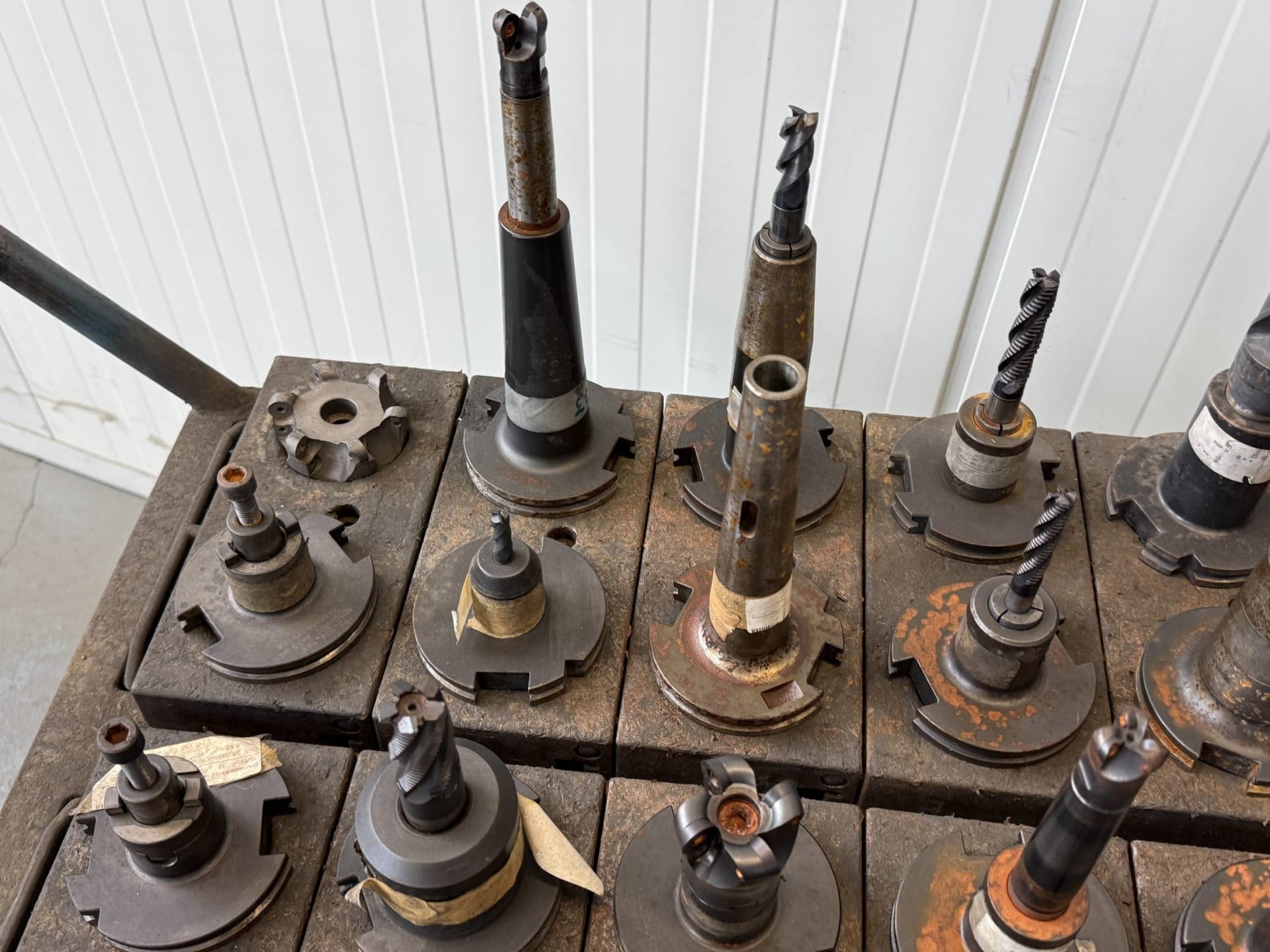
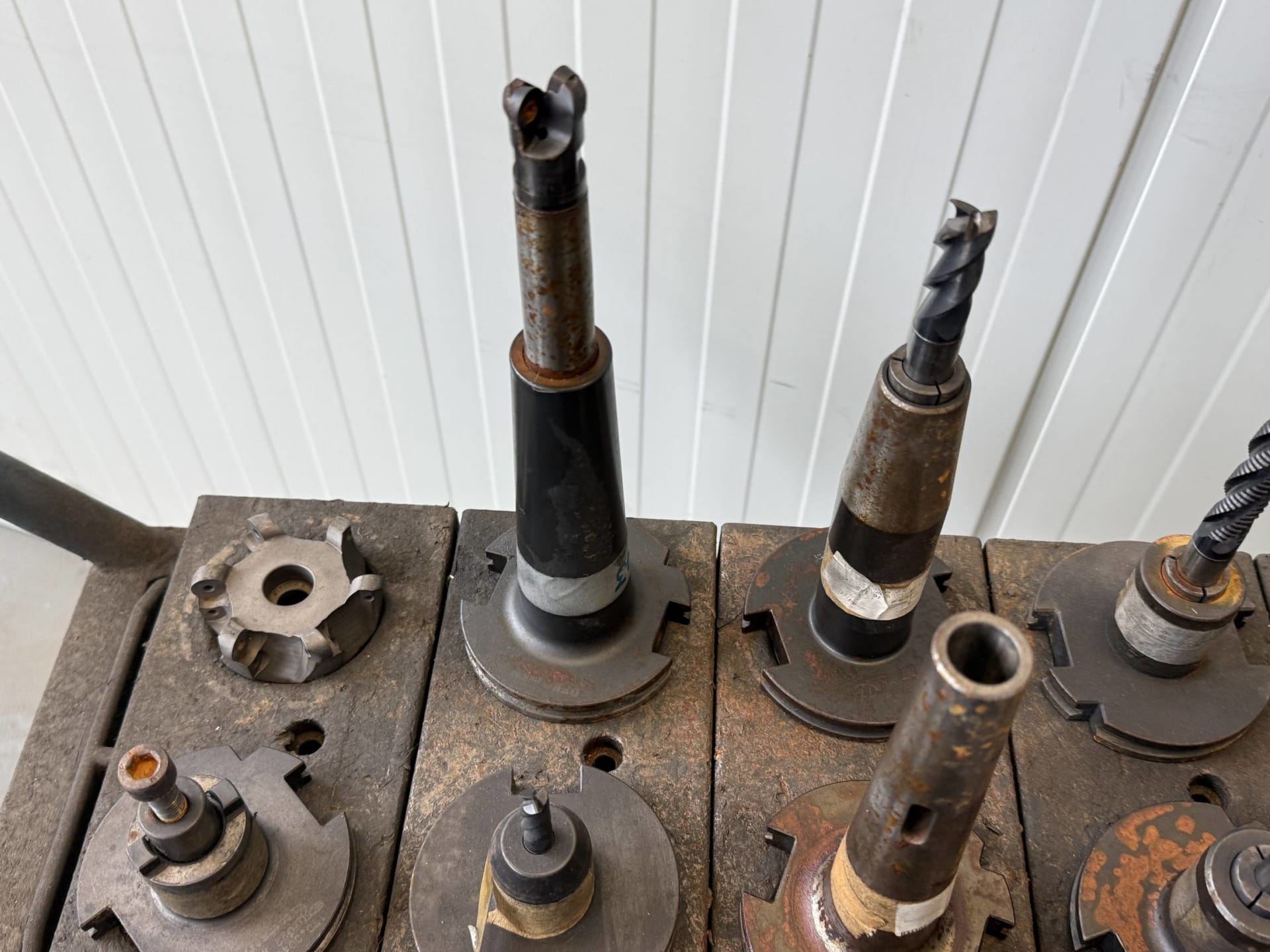
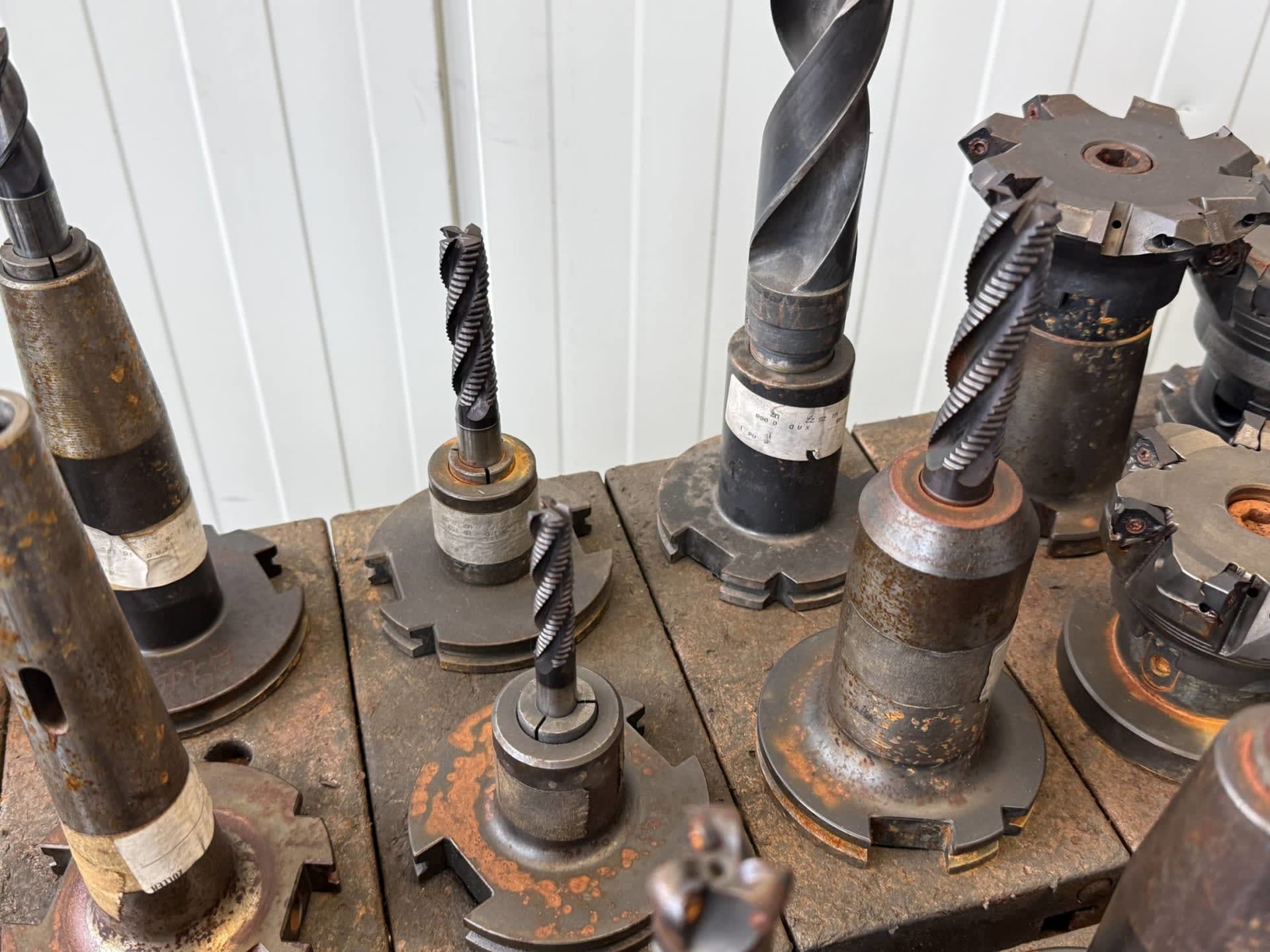
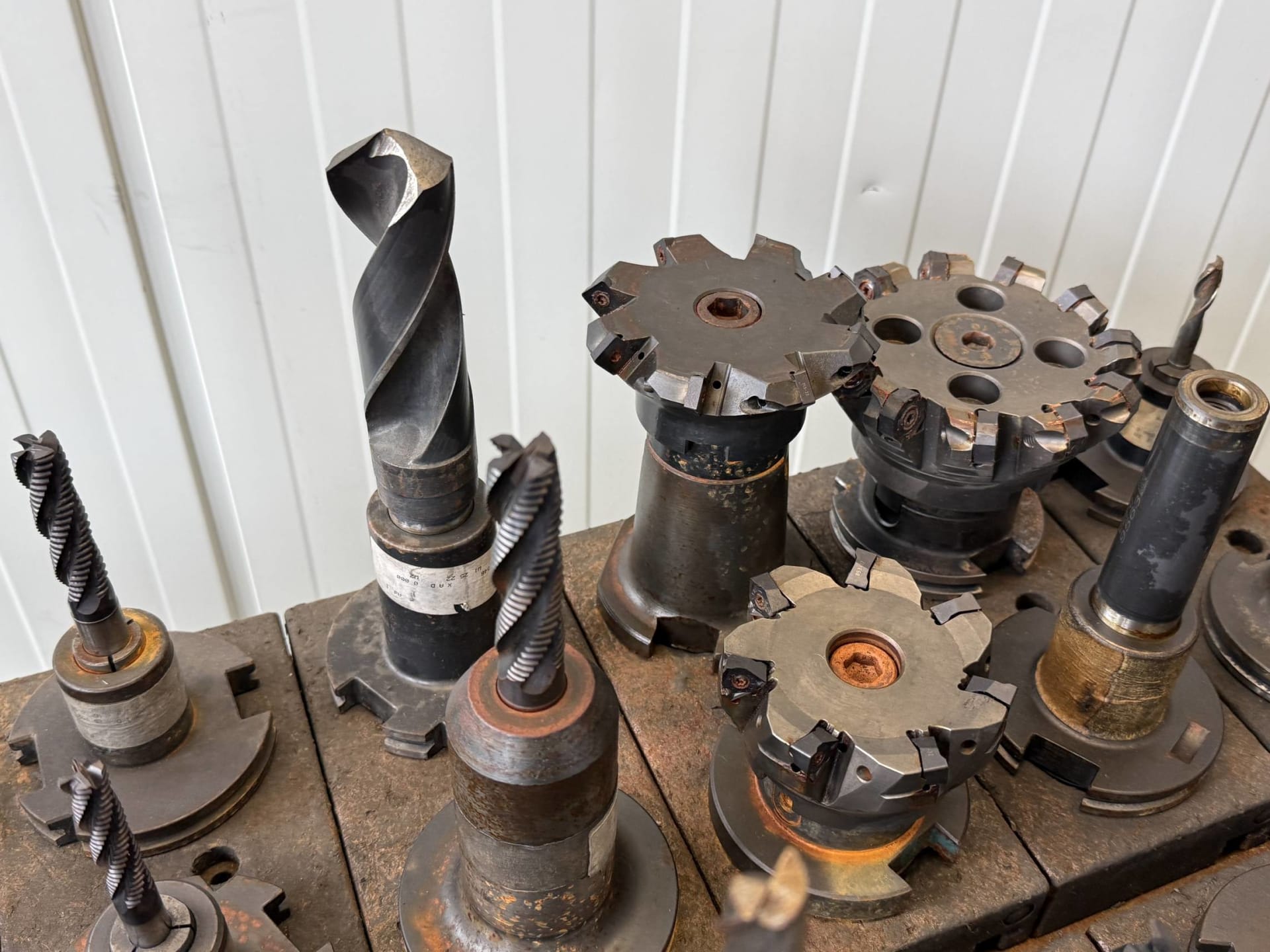
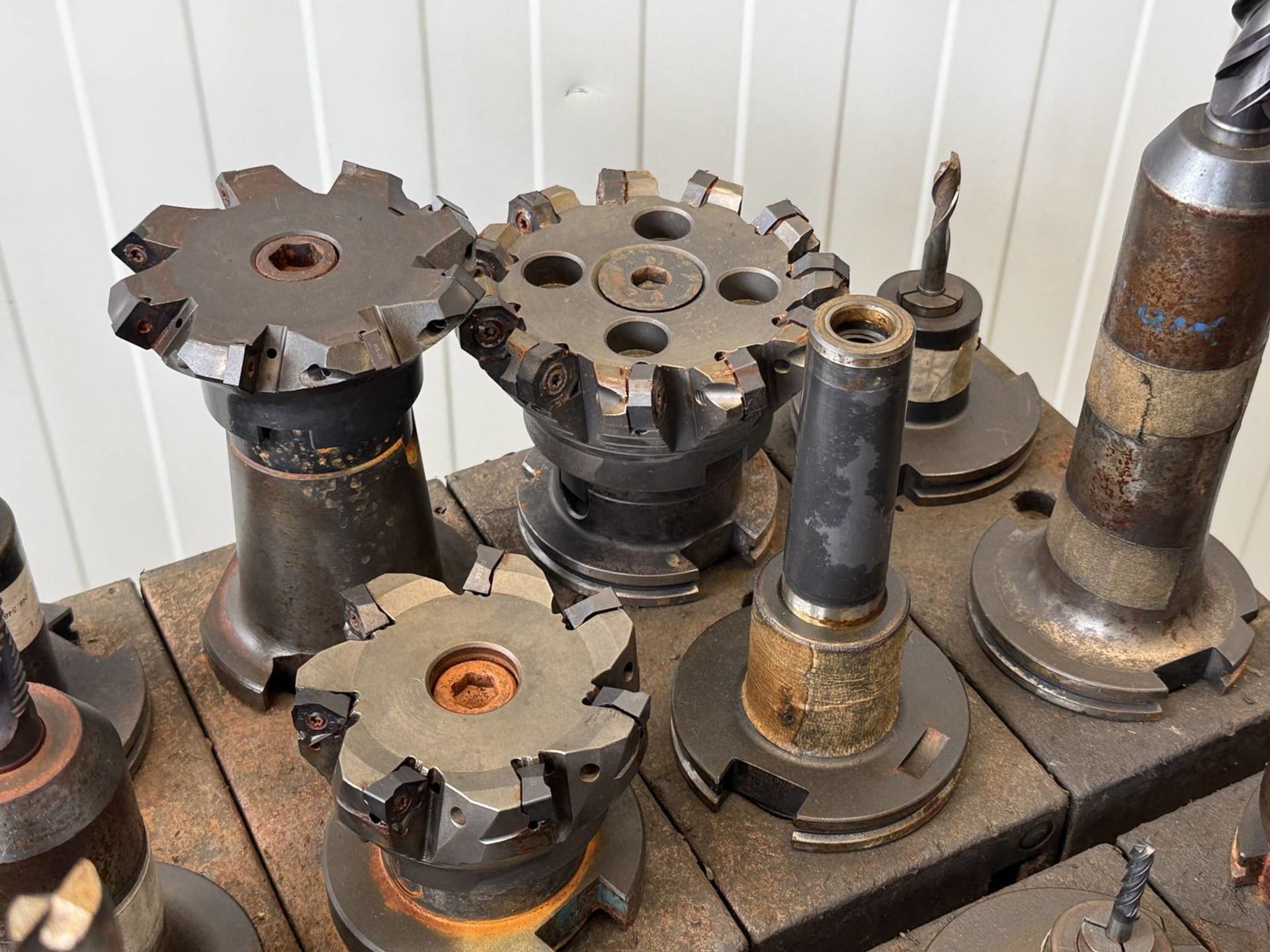
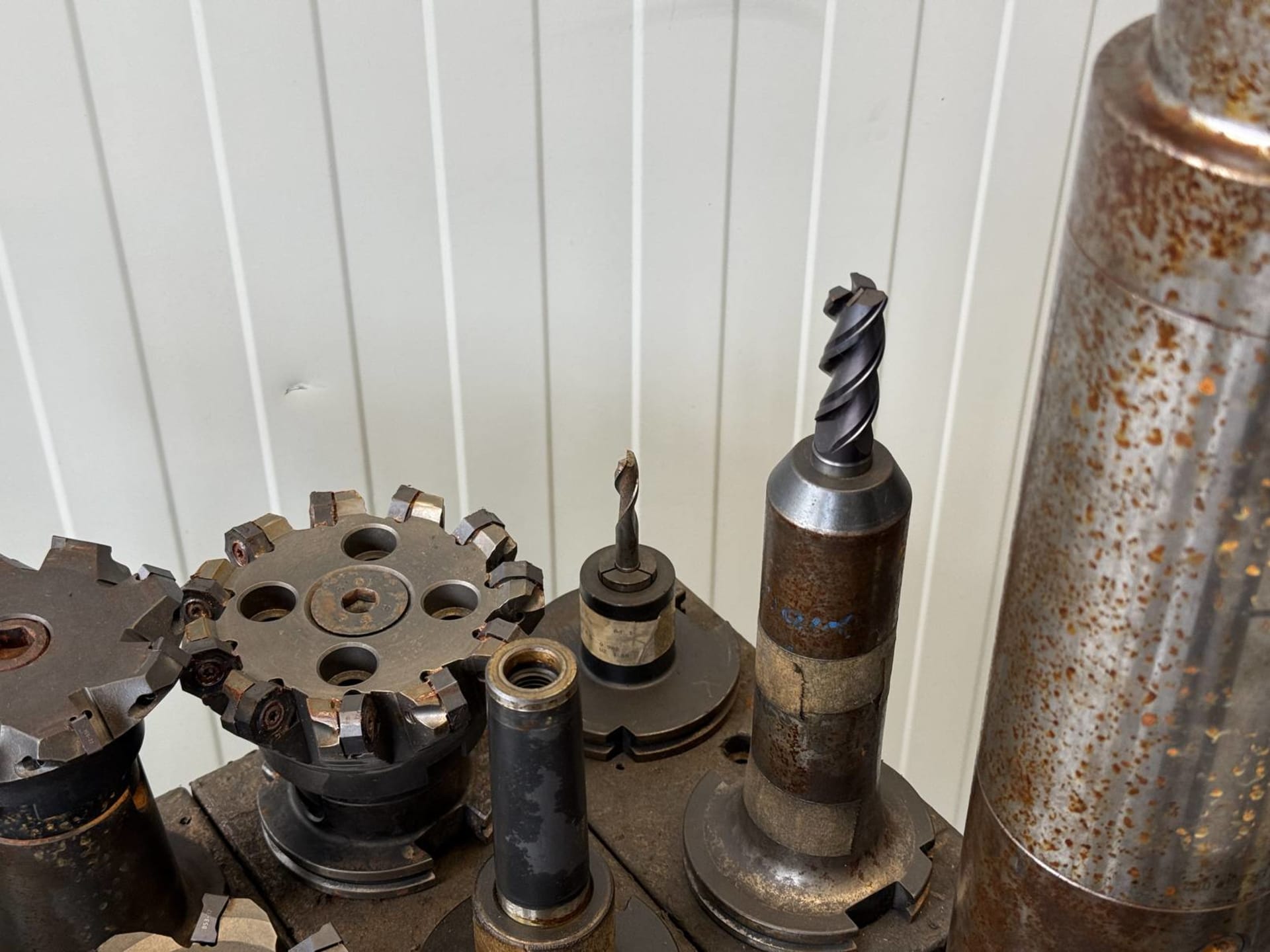
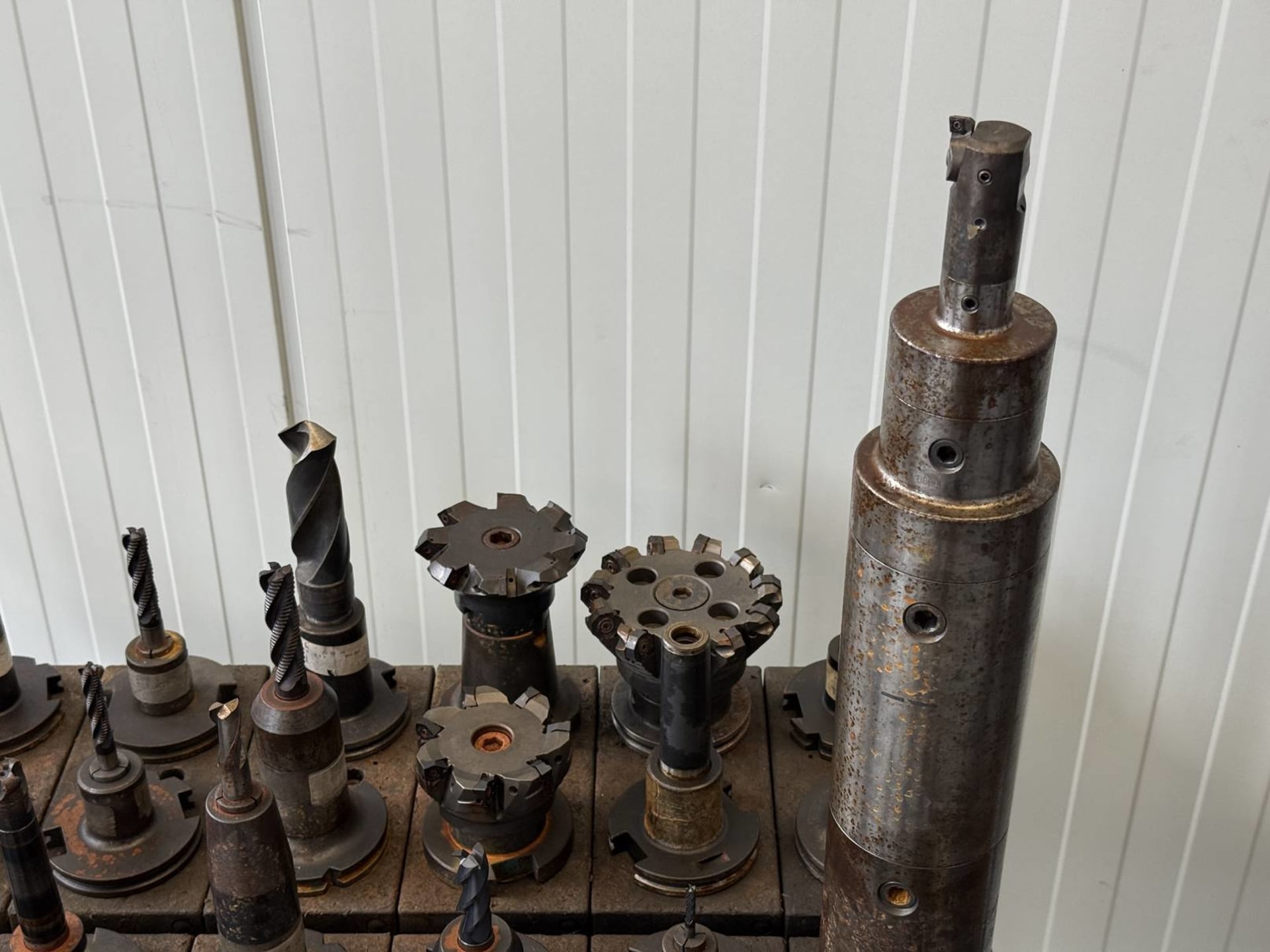
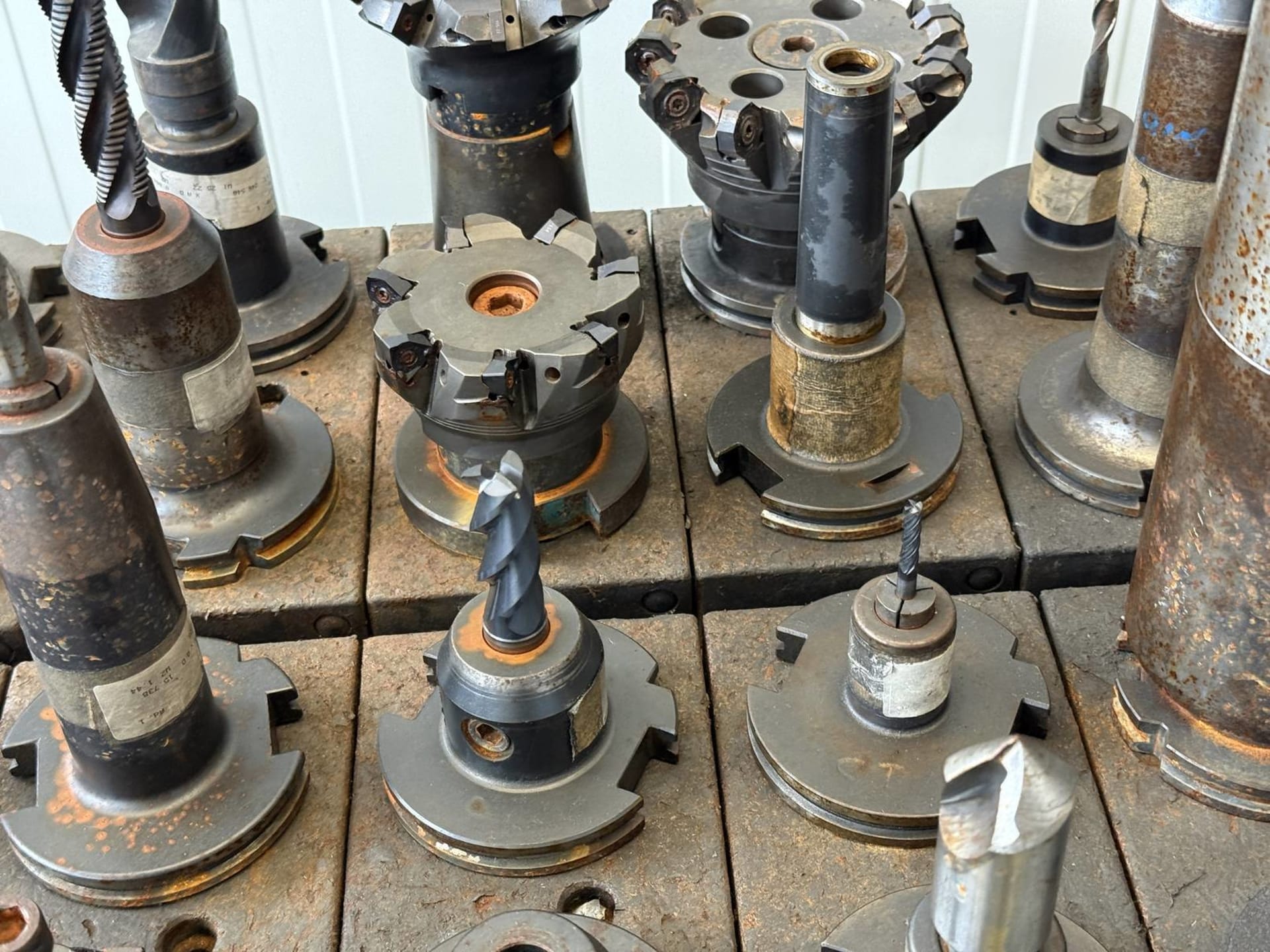
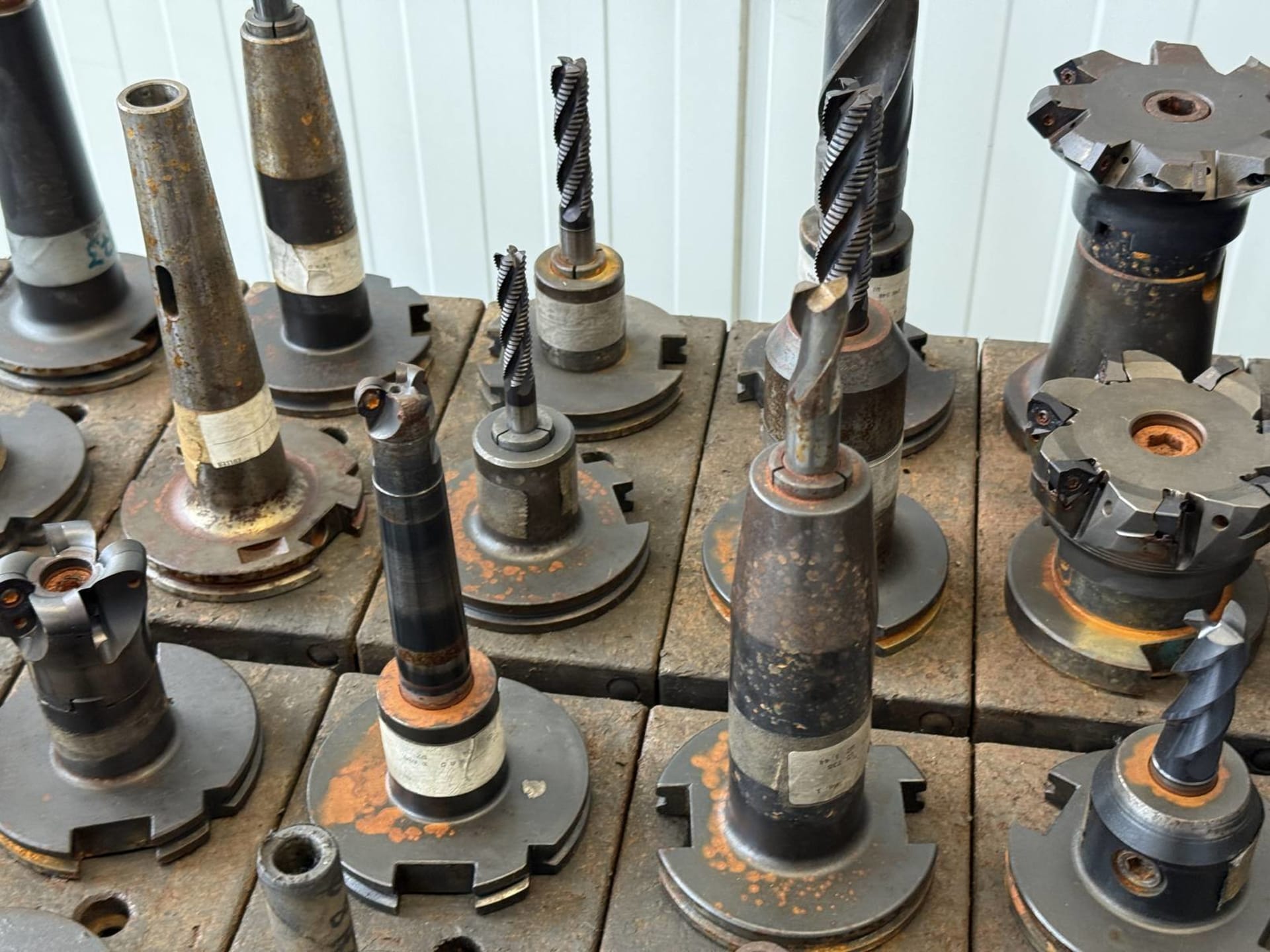
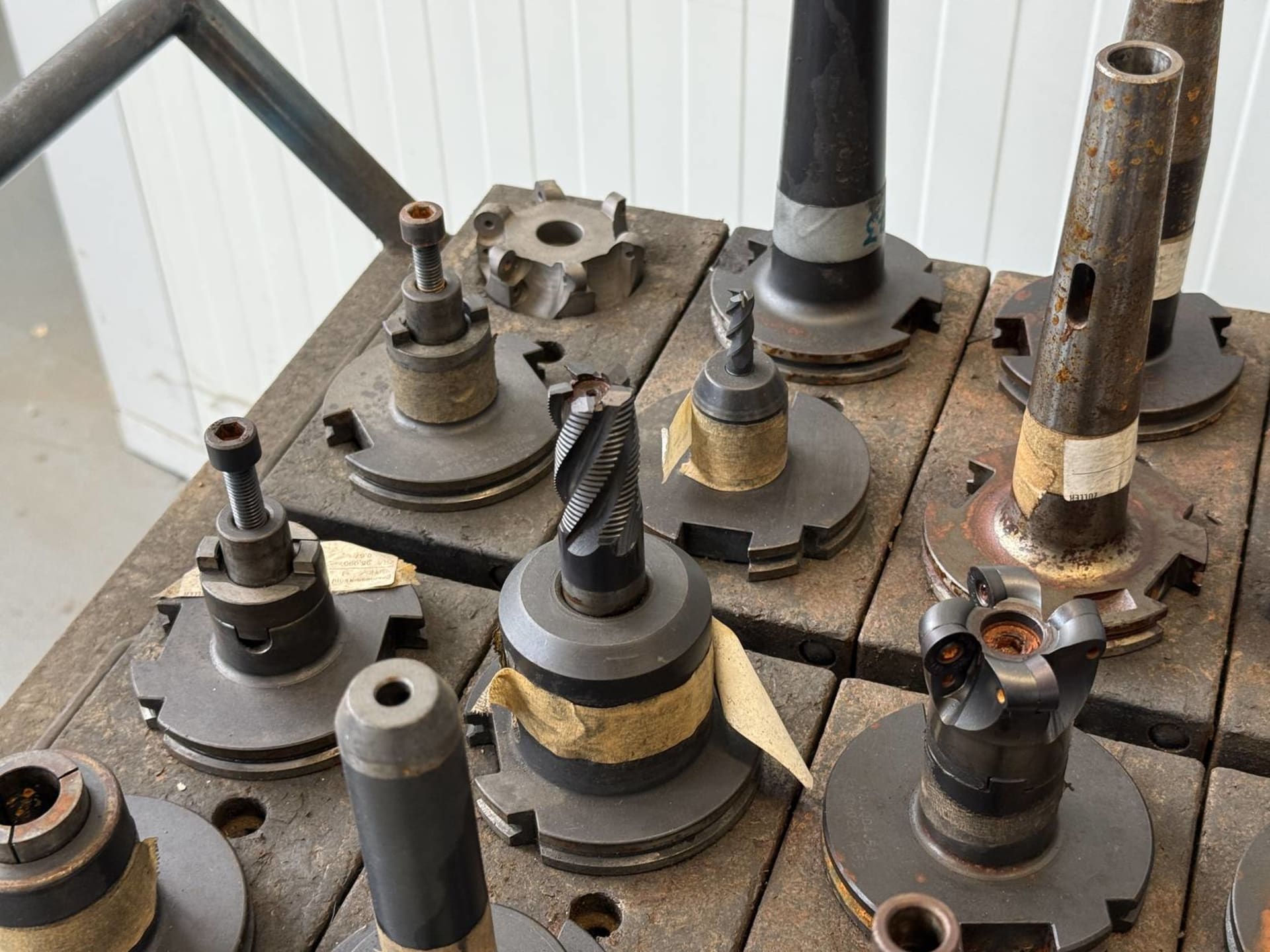
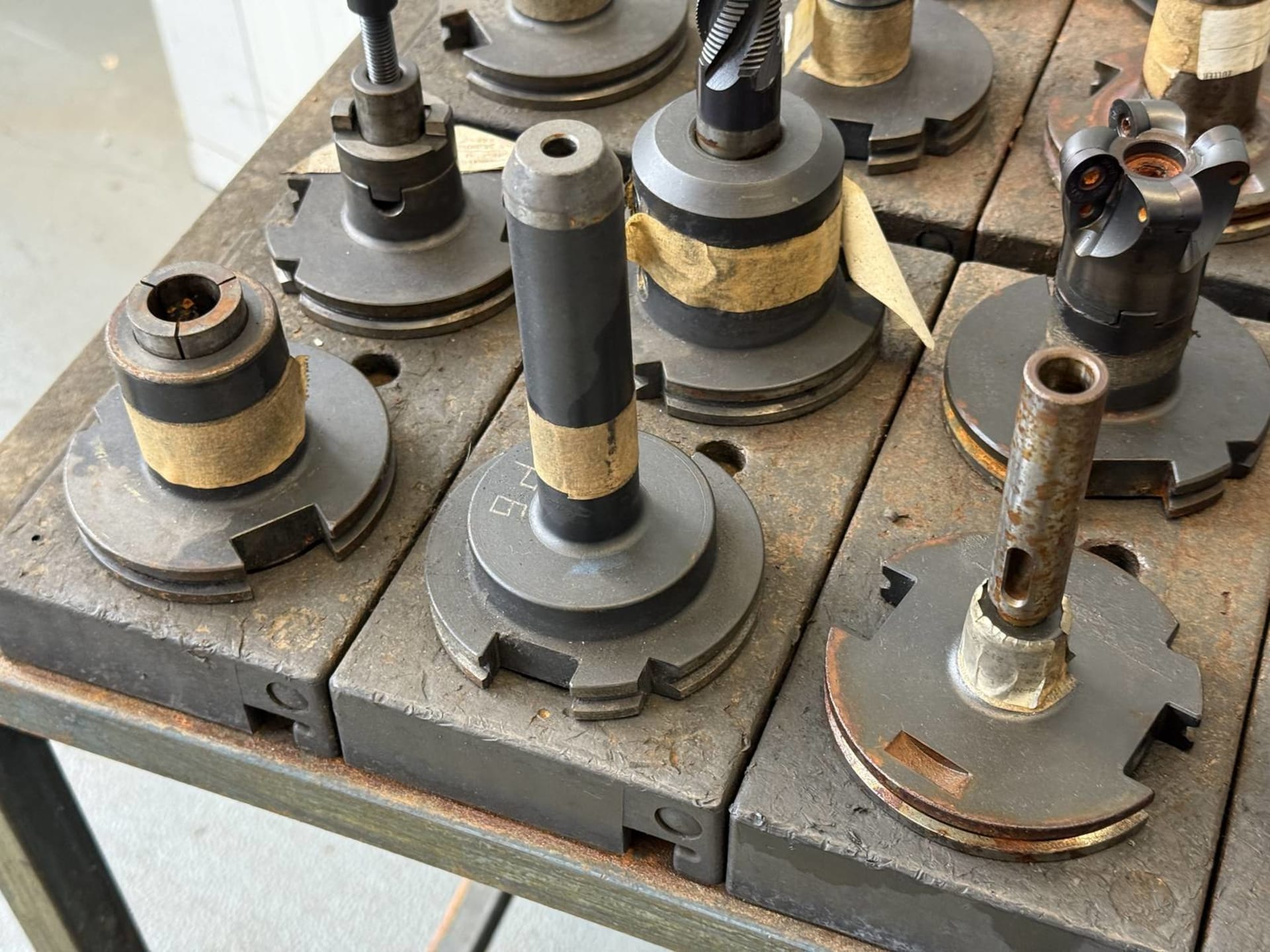
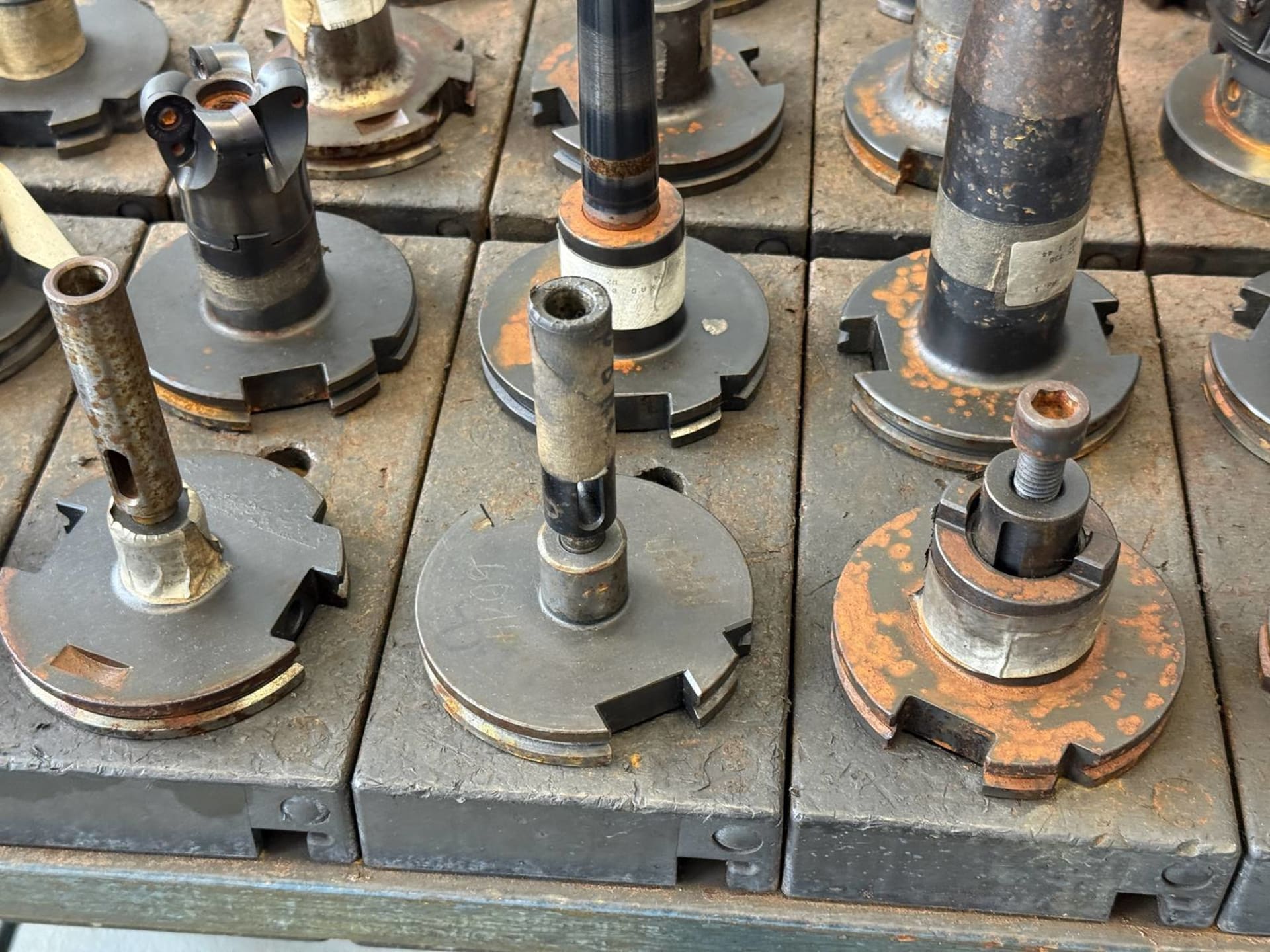
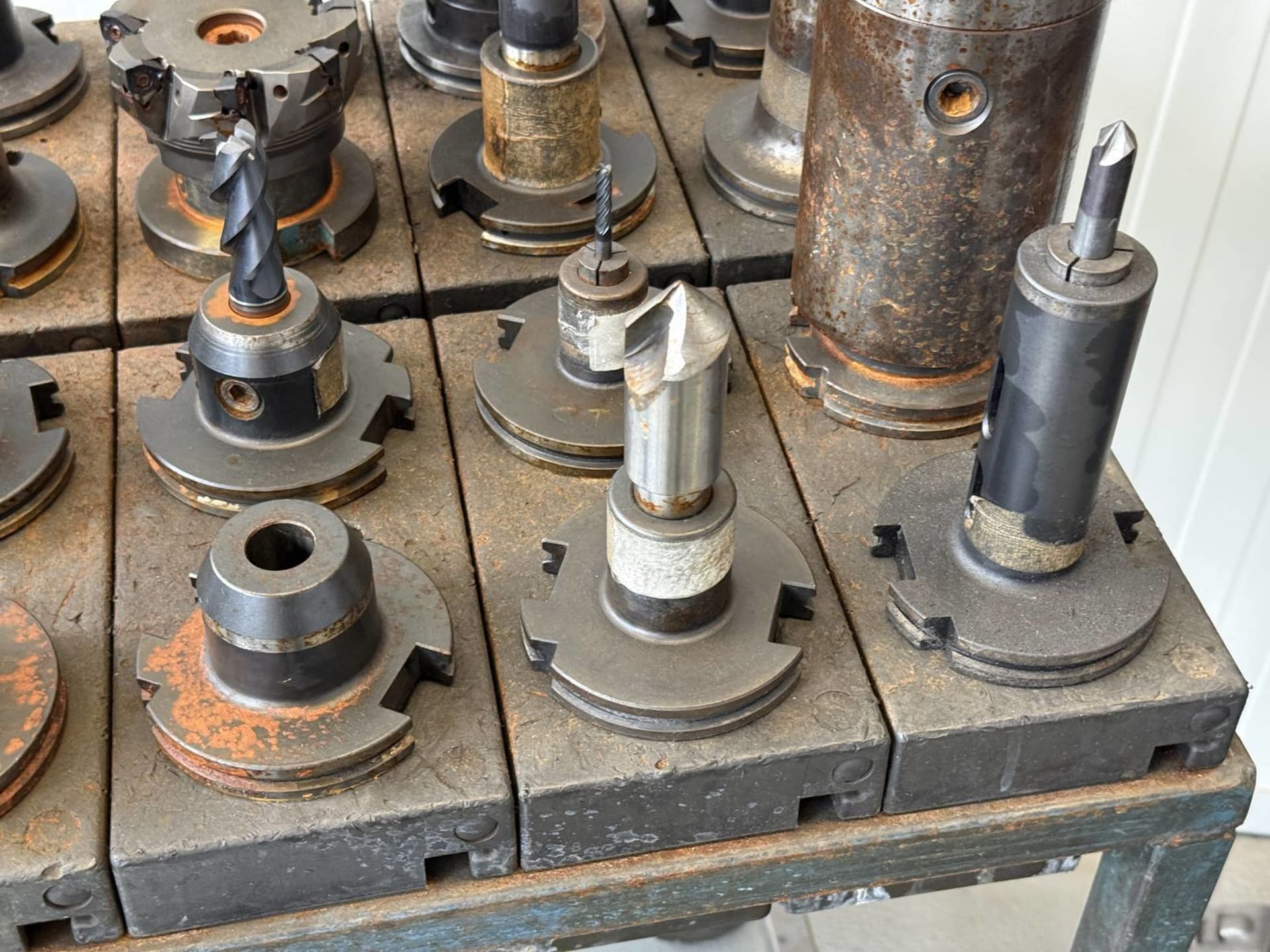
52 pcs. SK50 tool holders with tools
- Storage Number
- 26017-1660
- Machine type
- Toolroom Mills
- Location
- Solingen, Germany
- Availability
- immediately
- Price
- This item is sold
- Dimensions (LxWxH) approx.
- 1900 x 810 x 1600 mm
- Weight approx.
- 200 kg
- A total of 2 trolleys, dimensions: 750x510x1570mm and 1150x810x1400mm, equipped with SK50 tool holders with tools such as drills, milling cutters in various sizes, further details see photos
- Dismantling Costs
- €65 - binding
- Transportation costs
- not included
- Terms of delivery
- Loaded on truck
- Terms of payment
- 100% prepayment before pick-up
This item is sold

Our Services
- Inspection & report
- Disassembly & installation
- Global logistics
- Customs & paperwork
- Sourcing & valuation
- Personal consultation
Related items
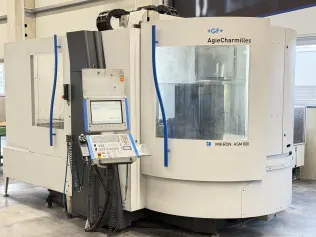
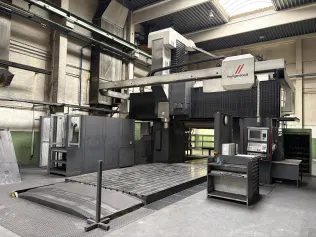
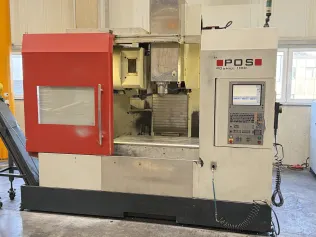
1. Toolroom Mills: Compact Precision Milling Machines
A toolroom mill is a compact, precision-focused variant of the universal milling machine, designed for smaller-scale operations. Its straightforward setup makes it well suited to producing spare parts and individual tools without the complexity of larger production equipment – an ideal solution for small manufacturing facilities or as a reliable secondary machine on the shop floor.
- Optimised for individual tool and spare part production
- Compact design with minimal setup requirements
- Wide availability of quality used machines on the market
2. How Does a Toolroom Mill Work?
A toolroom mill shapes metal workpieces to create component parts for a wide range of applications. The workpiece is fixed onto the work table, and a multi-axis milling head performs the cutting operations. Generally more affordable than a universal milling machine, toolroom mills are best suited to producing individual or small-batch workpieces rather than high-volume production runs, for which universal milling machines are typically the preferred choice.
The cutting tool connects to a drive shaft capable of spinning at variable speeds via an upstream transmission, while the machine table holds the workpiece firmly in place and manages feed movements. On manual models, the operator controls the process directly, making a solid level of training essential. CNC toolroom mills, by contrast, have their movements precisely controlled by a central computer program – though the operator remains responsible for ensuring all inputs are correct. This automation enables exceptional accuracy and higher output consistency. While CNC models carry a higher upfront cost than manual alternatives, they typically deliver significant savings over time.
3. Tool Room Milling Machine: A Complete Guide
A tool room milling machine is central to the precision manufacturing of individual components, where accuracy and consistency are paramount. Operating one effectively demands a high level of skill and close attention throughout the process – the quality of the final product depends as much on the operator's expertise as on the machine itself.
Producing precision tooling is a specialist discipline requiring deep technical knowledge and hands-on experience. For this reason, many manufacturers employ a dedicated toolmaker who is responsible not only for setting up the mill and overseeing production, but also for routine cleaning and preventative maintenance to keep the equipment performing at its best.
4. Buying Used Toolroom Mills: What You Need to Know
Tool room equipment can be very expensive when bought new, which is why small and medium-sized companies often search for quality reconditioned toolroom machinery. There is also another compelling advantage to buying used over new: machines that arrive direct from their manufacturers have no service history to review. Because even the slightest error in the manufacturing process can result in substandard workpieces, any issues with a new toolroom mill may go unnoticed until it enters operation.
Used toolroom equipment, on the other hand, has typically produced thousands of precision components over the course of its working life. In many cases, you can inspect parts actually machined by a used toolroom milling machine before committing to a purchase — giving you a practical measure of its accuracy and reliability that no new machine can offer.
The used toolroom machinery market regularly features equipment from respected manufacturers known for precision and durability. Brands such as MIKRON, DECKEL, MAHO, HERMLE, KLOPP and KUNZMANN represent some of the most sought-after names in toolroom milling, and sourcing a well-maintained example from any of these makers is an excellent foundation for high-quality production work.
Frequently asked questions
Purchasing machines through ReMach is simple and transparent. Once you have found a suitable machine or industrial equipment on our platform, we guide you step by step through the entire purchasing process.
After confirming your purchase, you will receive all relevant information regarding payment as well as the next steps, such as dismantling, loading, or collection. Our team can support you with the organizational process if needed, ensuring that the machine purchase is handled smoothly and in a well-planned manner.
ReMach provides a comprehensive service for the purchase and sale of used machines and industrial equipment.
Our services include, among others:
- Organization of dismantling and loading
- Support with the invoicing and payment process
- Export and customs checks
- Preparation of required documents and export paperwork
- Assistance with transport and logistics
- Coordination of a timely and structured transaction
This allows both buyers and sellers to benefit from a complete service solution for industrial machinery trading.
To create an account, click on “My Account” and select Register.
Fill out the registration form and confirm your email address using the activation link sent to you via email. Once confirmed, your account will be activated and you can immediately start browsing offers or submitting inquiries.
No. ReMach is a B2B platform for trading machines and industrial equipment and is intended exclusively for companies and commercial customers.
Registration for private individuals is currently not possible.
In most cases, the buyer is responsible for organizing the transport.
However, upon request, ReMach can check whether transport can be arranged or supported.